


Cream Porcelain Female Sculpture
A cream porcelain female sculpture brings classical poise and delicate modelling into a room, capturing the human form through centuries of refined ceramic artistry.
Cream Porcelain Female Sculpture
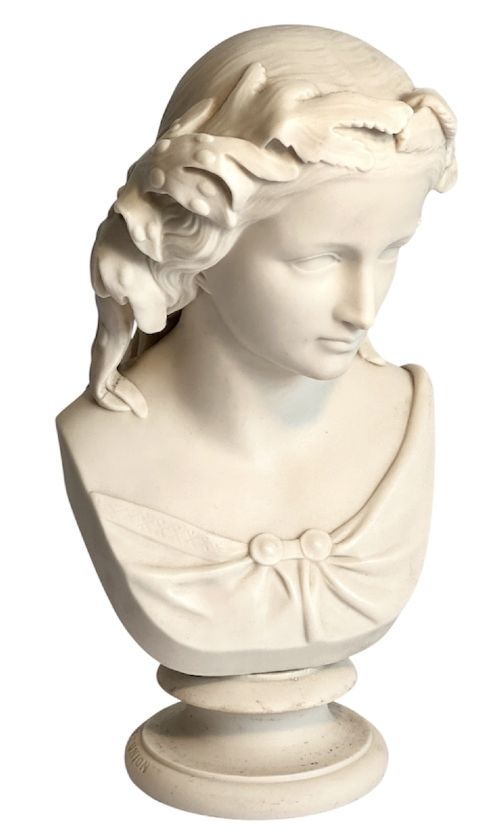
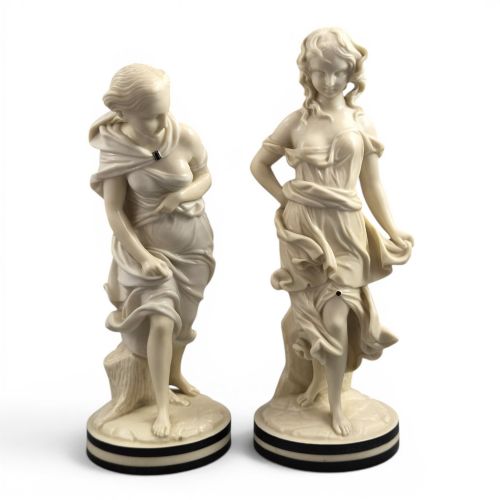
A cream porcelain female sculpture encompasses figures, busts, and statuettes produced primarily across the nineteenth and early twentieth centuries. These pieces typically depict classical maidens, mythological subjects, and later decorative figures influenced by Victorian, Art Nouveau, and Art Deco aesthetics.
The most common examples on this page are figures created in parian porcelain or standard porcelain, often featuring classical drapery, doves, baskets, or natural elements. They range from small cabinet statuettes to substantial centrepieces and busts originating from notable European factories.
Materials and construction
Makers enhanced select details using enamel, shot enamel, glaze, and gilding or gold leaf to highlight clothing, hair, or decorative accessories like baskets and cornucopias. Such surface treatments required careful firing to achieve the characteristic soft cream tones and matte or gloss finishes.
The listings combine nineteenth-century Victorian Neoclassical pieces with early twentieth-century Art Nouveau and Art Deco designs in parian and standard porcelain.
Assessing quality and execution
Quality in these figures depends heavily on the crispness of the modelling and the sensitivity of the facial expression, where finer pieces retain sharp details in the hair and hands without blurring from the mould. The handling of the drapery and the natural fall of fabric distinguish superior sculptural work from standard production pieces.
The application of secondary finishes such as gilding or subtle enamel work also dictates the tier of a piece, with precise hand-painting elevating the decorative impact. Heavier, well-balanced casts demonstrate better studio standards during the moulding and firing processes.
Copeland·Royal Worcester·James Hadley·Royal Dux
The Cream Porcelain Female Sculpture Glossary
- Parian porcelain
- A fine-grained, unglazed porcelain developed in the nineteenth century that imitates carved marble. It fires to a smooth, matte cream finish ideal for classical figures and busts.
- Bisque porcelain
- Unglazed ceramic body fired once and left porous with a matte texture. It permits a high level of sculptural detail across faces and garments.
- Shot enamel
- A specialised enamel finish that shifts in colour depending on the light angle. It appears on select twentieth-century ceramic figures.
- Cornucopia
- A traditional horn-shaped vessel symbolising abundance, frequently held by classical maiden figures in nineteenth-century sculptures.
- Figural centrepiece
- A large decorative ceramic grouping designed as a table focal point. These often incorporate female bathers or allegorical figures.
Cream Porcelain Female Sculpture: Frequently Asked Questions
What is the difference between bisque and parian?
Bisque porcelain is standard porcelain left unglazed after firing, offering a smooth and matte white or cream surface. Parian ware uses a specific feldspathic recipe designed specifically to mimic the dense texture and appearance of carved white marble.
Parian porcelain generally displays a slightly warmer cream tone and a heavier weight compared to standard bisque figures.
Are these figures glazed?
Many cream porcelain female sculptures, particularly those made from parian or bisque ware, are left entirely unglazed to preserve the fine sculptural detail. Other examples feature glossy glazes, enamels, or partial gilding applied to specific areas like hair ribbons or garments.
The presence of a glaze depends entirely on the manufacturing style of the period and the intended aesthetic effect.
How can I date a ceramic maiden figure?
Dating relies on stylistic clues such as Neoclassical, Art Nouveau, or Art Deco design elements, alongside factory marks stamped or impressed on the base. Victorian pieces often lean towards classical drapery and allegorical themes, while 1920s and 1930s works introduce sleeker lines and modern forms.
Matching the model number or registered design number against historical factory records provides the most precise date range.