




Pink Glaze Porcelain Ornament
These pink glaze porcelain ornament examples range from Victorian portrait flatbacks to Art Deco figures, offering distinctive character for your interior.
Pink Glaze Porcelain Ornament
When you search for a pink glaze porcelain ornament, you are looking at figural works, centrepieces, vases, and vanity accessories. These objects span the Victorian period, the nineteenth century, and the nineteen-thirties.
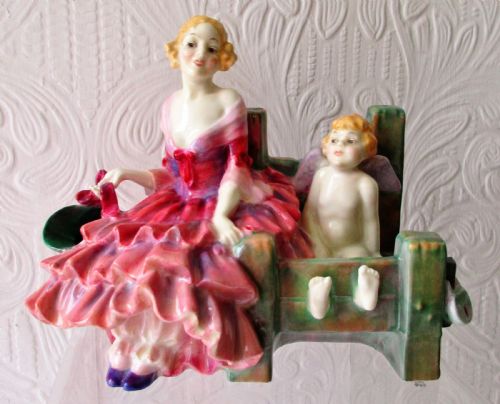
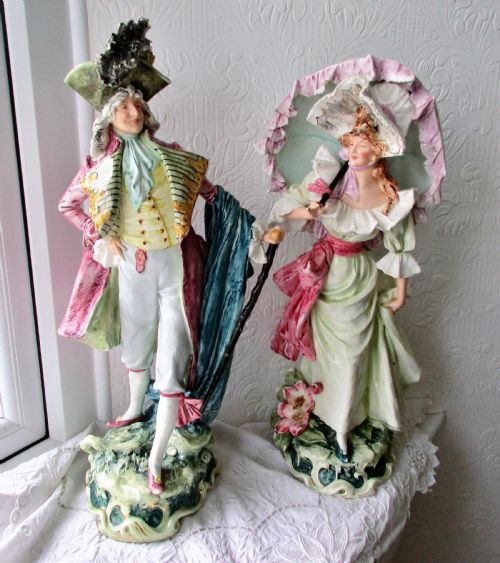
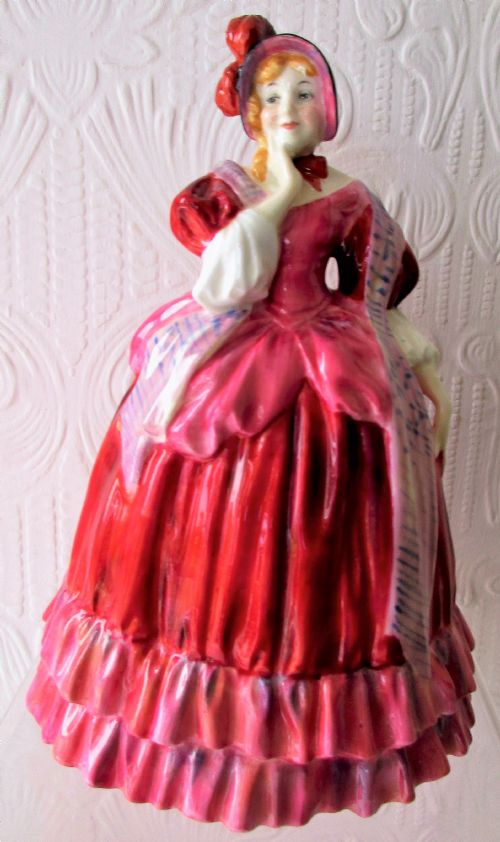
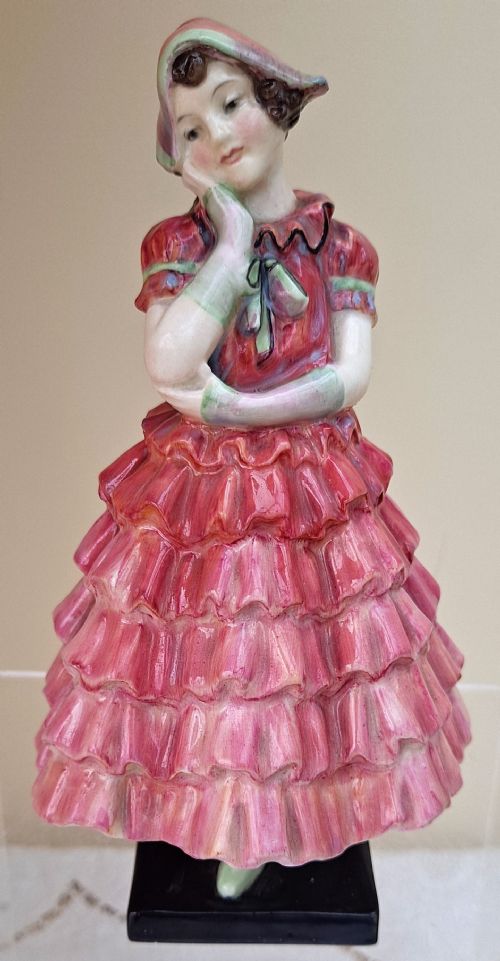
The selections include Staffordshire portrait figures, French faience pairs, German centrepieces, and Royal Doulton figurines. You will also encounter Art Deco nudes, powder puff stands, and clam vases.
Figurines and decorative centrepieces dominate the available examples. These pieces bring historical narrative and sculptural form together in ceramic glaze.
How they were made
These items utilise porcelain, bone china, earthenware, and faience as base bodies. Potters applied ceramic glaze, glazed finishes, or combined glazed and bisque surfaces to the clay bodies.
Modelling and casting techniques created figures, vases, and centrepieces. Artisans then applied surface colours and glazes before firing the ceramic works in kilns.
Listings feature porcelain, bone china, earthenware, and faience, spanning the Victorian period, nineteenth century, nineteen-ten, and nineteen-thirty.
What varies in quality
The standard of modelling separates the pieces, distinguishing fluid, lifelike drapery and facial expressions from simpler forms. Crispness in moulded detail determines the visual success of each figurine or centrepiece.
Glaze application varies across the range, with even, lustrous finishes showing greater technical control than flat or uneven surfaces. The subtlety of hand-painted colour work further divides standard production from finer output.
Royal Doulton·Royal Dux
The Pink Glaze Porcelain Ornament Glossary
- Bisque porcelain
- Unglazed ceramic ware that has been fired once, offering a matte, porous texture. This finish highlights sculptural detail without the reflection of a glossy coating.
- Faience
- Tin-glazed earthenware produced in Europe, known for its opaque white or tinted background. Artisans paint directly onto the unfired glaze before the final kiln firing.
- Flatback figure
- A Staffordshire ceramic figure designed to stand against a wall, with minimal detail on the reverse. This technique saved materials while allowing the front to display full sculptural narrative.
- Centrepiece
- A large decorative vessel or figural arrangement placed in the middle of a dining table or sideboard. These substantial objects served as focal points in period interiors.
Pink Glaze Porcelain Ornament: Frequently Asked Questions
What periods do these pieces come from?
The available items date from the Victorian era and the nineteenth century through to the nineteen-thirties. You will find specific pieces from eighteen-sixty, eighteen-eighty, nineteen-ten, and nineteen-thirty.
Each period brings distinct stylistic traits, moving from Victorian portrait figures and Rococo revival pairs to Art Deco nudes and powder puff stands.
How were these ornaments used originally?
Figurines and flatback portraits decorated mantelpieces and drawing rooms as displays of sentiment or royalty. Centrepieces anchored formal dining tables.
Vanity accessories like powder puff stands sat on dressing tables, combining practical use with decorative figural sculpture.
What materials make up these objects?
The listings comprise porcelain, bone china, earthenware, and faience. Makers coated many of these ceramic bodies in glaze or ceramic glaze.
Some pieces combine glazed sections with bisque porcelain to create contrasting textures across the surface of the figure.
How do I identify Art Deco pieces?
Art Deco items in this selection date to nineteen-thirty and feature stylised forms such as nude females and flapper powder puff stands. These objects reflect the geometric and modern design trends of the interwar period.
In contrast to Victorian or Rococo revival pieces, they employ streamlined contours and distinct modernist poses.