




Art Deco Ceramic Statuette
An art deco ceramic statuette captures the striking lines and modern spirit of the interwar years, offering a focal point for any mantelpiece.
Art Deco Ceramic Statuette
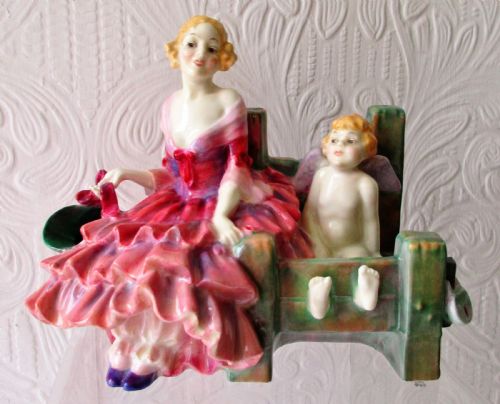
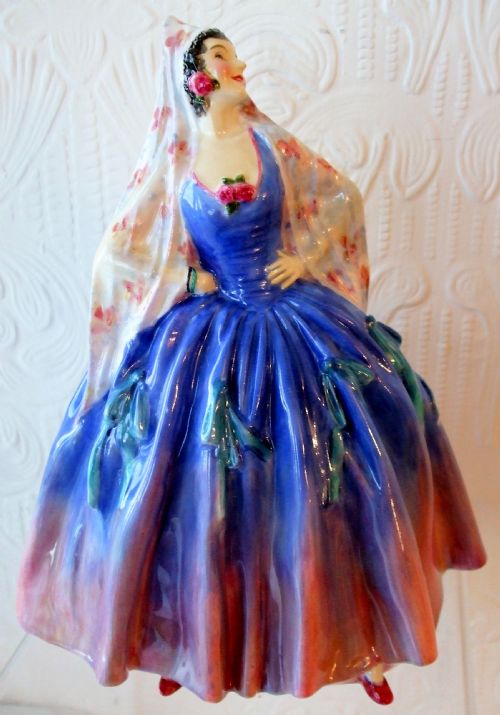
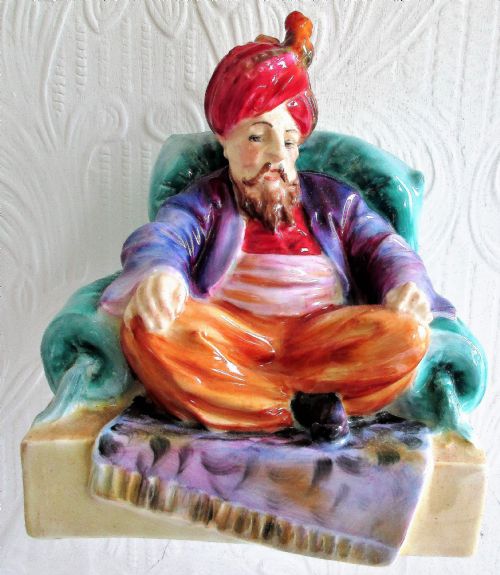
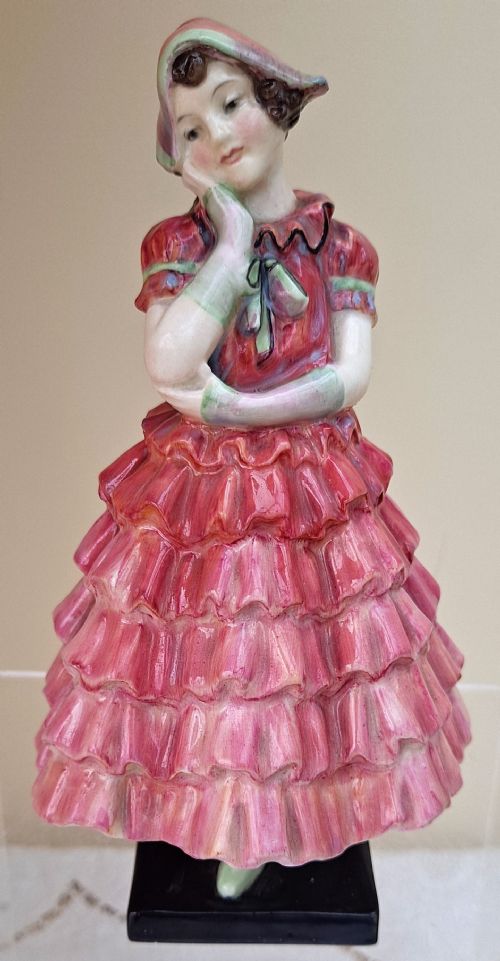
An art deco ceramic statuette represents figures, animals, and groups modelled during the 1920s, 1930s, and 1940s. These pieces translate the sleek aesthetics of the period into solid form.
The versions most commonly met on this page include porcelain and bone china figurines from English and continental European makers. They depict human subjects, pairs, and animals such as cats.
Makers shaped these sculptures to reflect contemporary design trends, employing stylised postures and clean contours. Each object functions as a distinct example of ceramic art from the era.
How they were made
The pieces rely on porcelain, bone china, and general ceramic bodies shaped into detailed moulds. Artisans applied coloured or white ceramic glazes to finish the surfaces before firing.
Certain compositions incorporate mixed elements, such as glass eyes fitted into ceramic animal figures to add realism. The manufacturing process combined precise moulding with careful hand-glazing.
Listings span the periods 1920, 1930, and 1940, utilising porcelain, bone china, and glass.
What varies in quality
Design complexity and the reputation of the modeller influence the standing of a statuette. Works by named sculptors display greater anatomical precision and more ambitious artistic composition.
Royal Doulton·Shelley·Royal Dux·Karl Tutter·B. Rezl
The Art Deco Ceramic Statuette Glossary
- Bone china
- A type of soft-paste porcelain containing bone ash, known for its high strength and milky translucency. It permits thinner walls and finer sculptural detail.
- Ceramic glaze
- A vitrified layer or coating of a vitreous substance fused to a ceramic body by firing. It provides colour, decoration, and impermeability to liquids.
- Figurine
- A small statuette that represents a human, animal, or mythical figure. These objects are typically produced as decorative shelf ornaments.
- Porcelain
- A ceramic material made by heating materials, generally including clay in the form of kaolin, in a kiln. It is valued for its whiteness and durability.
Art Deco Ceramic Statuette: Frequently Asked Questions
What is an art deco ceramic statuette?
These are small decorative sculptures made from porcelain, bone china, or ceramic during the interwar decades. They capture the stylised forms and modern design principles of the period.
The pieces range from single human figures and animal subjects to complex multi-figure groups. They served as interior ornaments for homes embracing modern aesthetic trends.
How do I date these statuettes?
Dating relies on maker marks, painted numbers, and stylistic markers typical of the 1920s through the 1940s. Specific model numbers and backstamps often correspond to recorded production years.
The materials and glaze types also offer clues to the era of manufacture. Comparing the piece to documented examples from known makers helps confirm the timeframe.
Where were these pieces made?
Production took place across England and continental Europe, with major factories and independent studios contributing distinct designs. British potteries and central European manufacturers both produced notable examples.
Each region brought specific regional techniques and stylistic influences to the finished statuettes. Marks stamped into the ceramic base often indicate the country of origin.