

Cream Painted Console
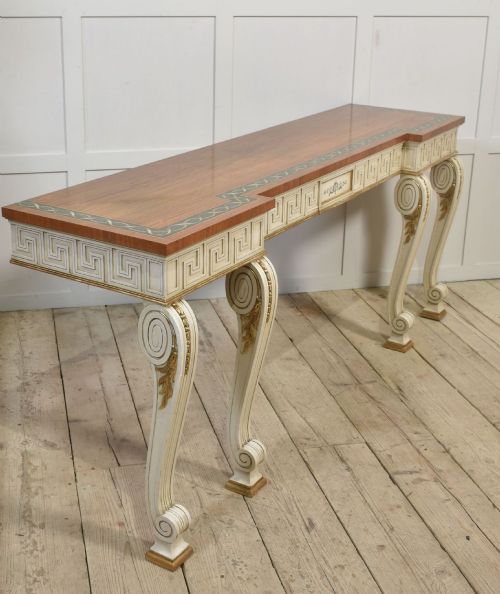
A cream painted console brings light and architectural proportion to an entrance hall, combining a slender profile with a decorative surface.
Cream Painted Console
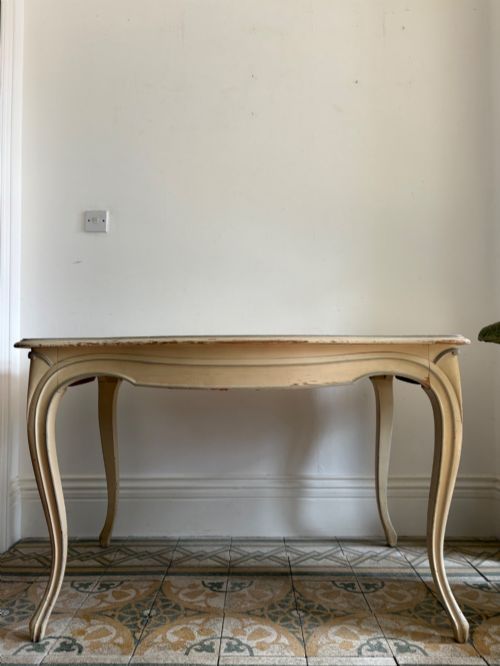
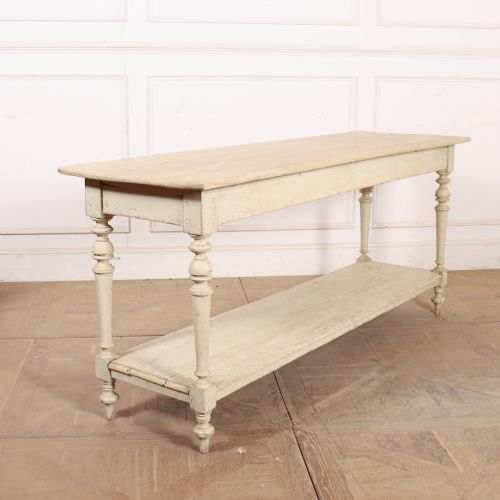
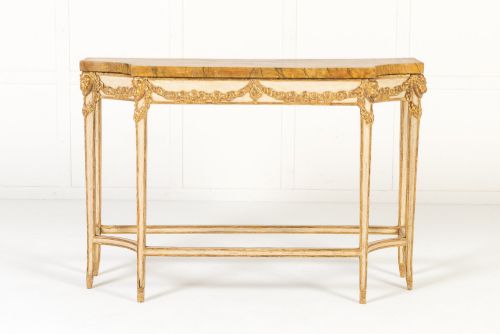
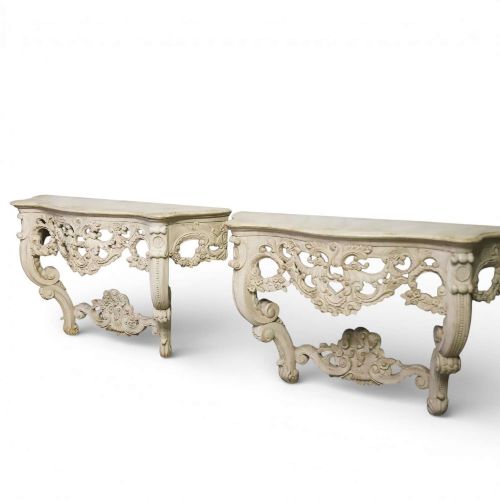
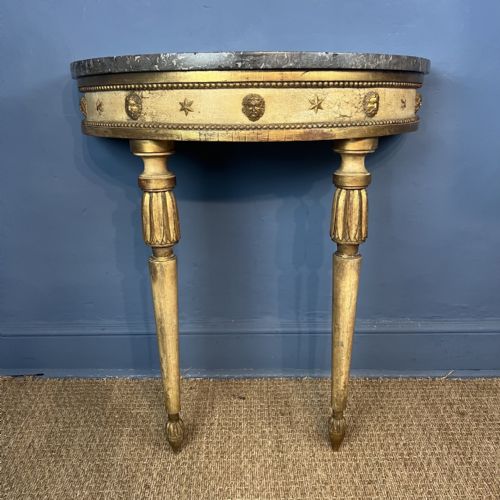
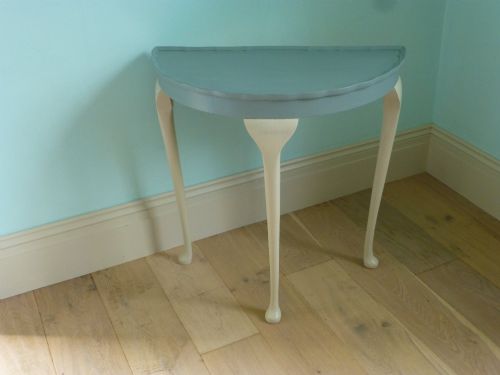
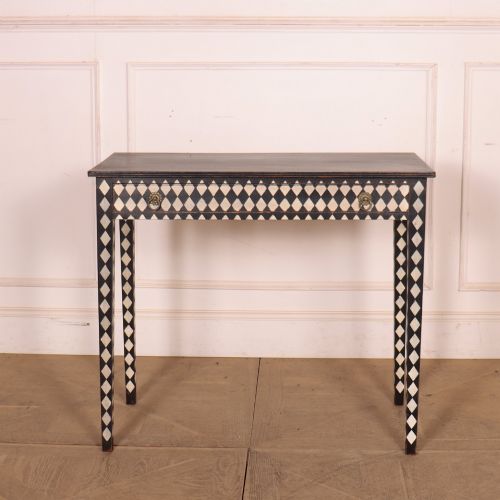
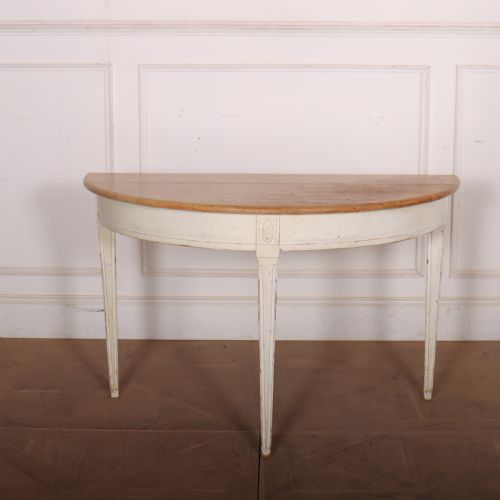
A cream painted console is typically a narrow table designed to stand against a wall, frequently taking the form of a demi-lune, serpentine front, or rectangular pier table. These pieces serve as functional hallway furniture, serving tables, or decorative surfaces beneath mirrors.
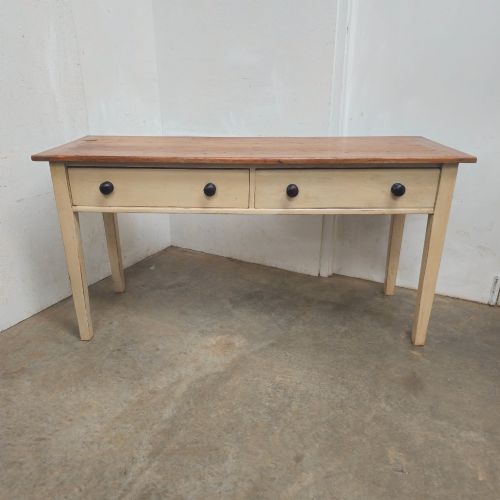
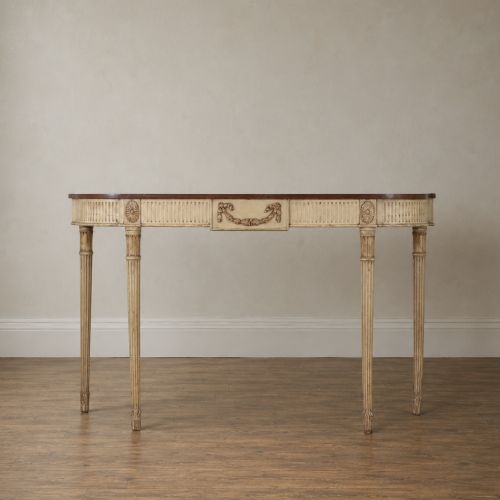
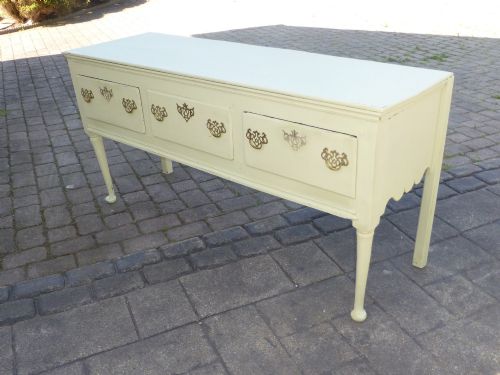
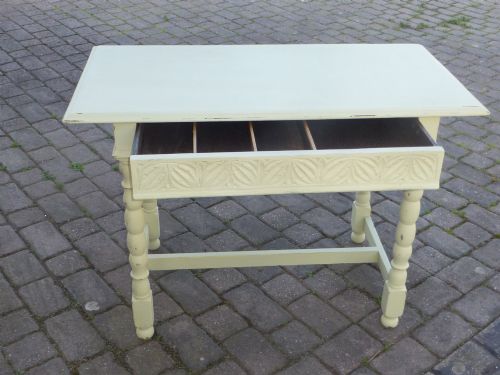
The selections span origins from English country houses to French provincial workshops and Swedish estates. Pieces range from simple pine dairy and work tables to grander Italian and French neoclassical designs featuring carved wood and parcel gilt details.
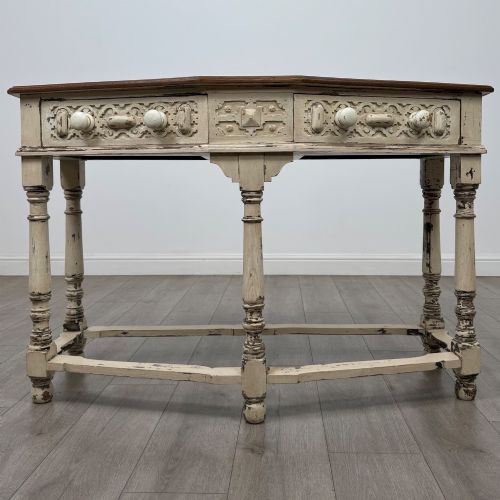
Examples appear across multiple periods, with nineteenth-century variants sitting alongside eighteenth-century dresser bases and early twentieth-century interpretations. Many utilise traditional timber foundations, including oak and pine, finished in layered historic paint.
Materials and Construction
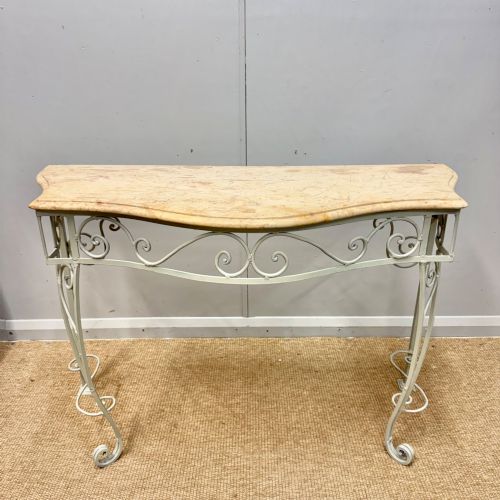
Makers constructed these tables from solid timbers such as pine, oak, and other native woods, often applying gesso to smooth surfaces before painting. Carved wooden details, wrought iron stretchers, and applied mouldings provided structural relief and decorative depth.
Surfaces received decorative finishes using traditional paint layers, sometimes augmented with parcel gilt highlights or inset marble and suede tops. The ageing process relies on the natural interaction between the timber substrate and historic paint layers over decades.
Materials span wrought iron, marble slabs, gesso mouldings, and inset suede writing surfaces.
Markers of Distinction
Quality rests upon the integrity of the original construction and the survival of authentic surface finishes rather than modern repainting. Hand-carved decorative elements, well-proportioned cabriole legs, and substantial marble or timber tops elevate a piece above standard utility items.
The distinction between regional vernacular work and sophisticated continental furniture shapes the character of each piece. Finer examples retain their early or original painted decoration, displaying subtle craquelure and patination that synthetic finishes cannot replicate.
The Cream Painted Console Glossary
- Console table
- A table designed to be fixed against a wall, traditionally supported by brackets or console legs rather than four freestanding posts. They frequently stand beneath tall mirrors or windows in formal reception rooms.
- Demi-lune
- A half-moon shape used frequently for the tops and frames of space-saving hall tables. This curved profile allows the furniture to project minimally into narrow walkways.
- Gesso
- A plaster-like mixture applied to wood surfaces to provide a smooth base for painting or gilding. It allows for crisp, detailed carving effects on neoclassical and rococo frames.
- Parcel gilt
- A decorative technique where specific carved details or mouldings are partially highlighted with gold leaf. This method contrasts sharply against the flat cream painted background.
- Pier table
- A decorative table specifically designed to stand against the wall space between two windows. They often match large wall mirrors positioned directly above them.
Cream Painted Console: Frequently Asked Questions
Where should I place a console table?
These narrow tables suit entrance halls, corridors, and living rooms where floor space is limited. Their shallow depth allows them to sit flush against a wall without obstructing passageways.
They also function effectively beneath wall mirrors or as serving surfaces in dining spaces, providing an anchor for lamps and decorative objects.
How do I care for painted wood?
Dust the surface regularly with a soft, dry cloth to prevent the accumulation of grit. Avoid using harsh chemical sprays or abrasive cleaners that can damage historic paint layers.
Keep the furniture away from direct heat sources and strong sunlight to prevent the timber from warping and the paint from fading or cracking.
Are marble tops original to these tables?
Many nineteenth-century continental console tables were constructed specifically to support heavy marble slabs. These stone surfaces provided a durable, cool area for serving food or displaying ornaments.
When assessing a piece, examine how the marble sits within the wooden frame to ensure it aligns with the period of the base.