


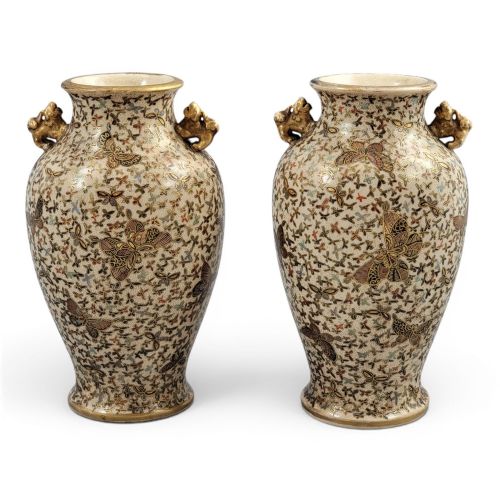

Cream Gilded Vase
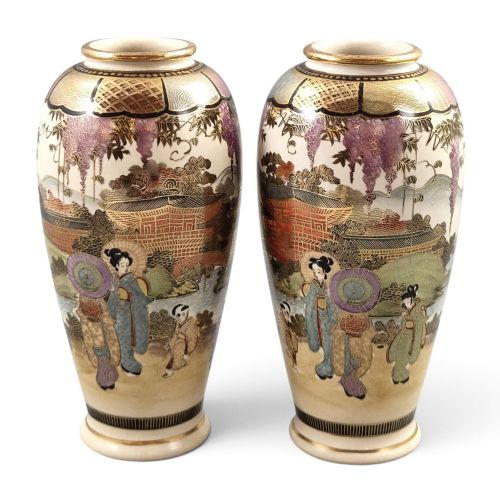
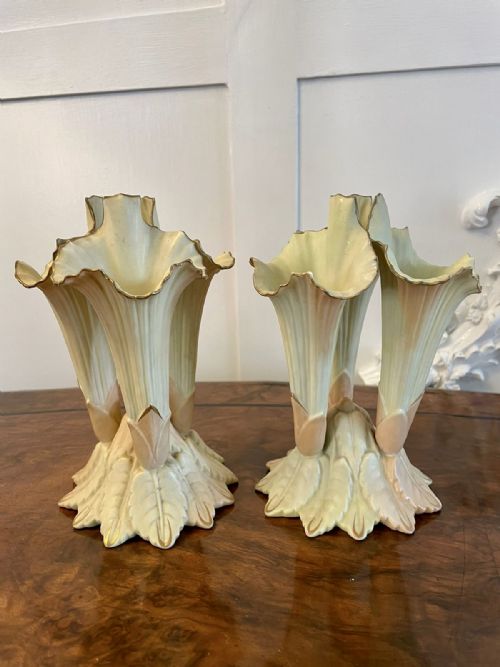
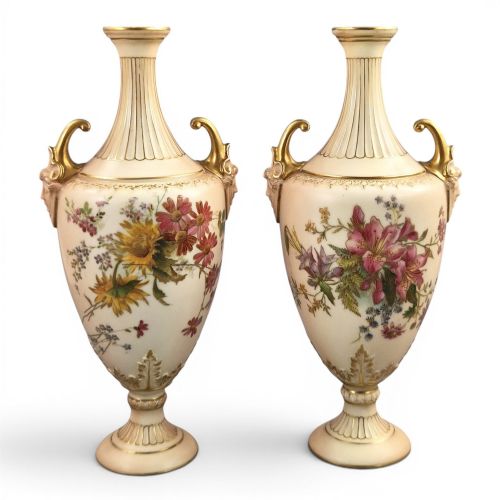
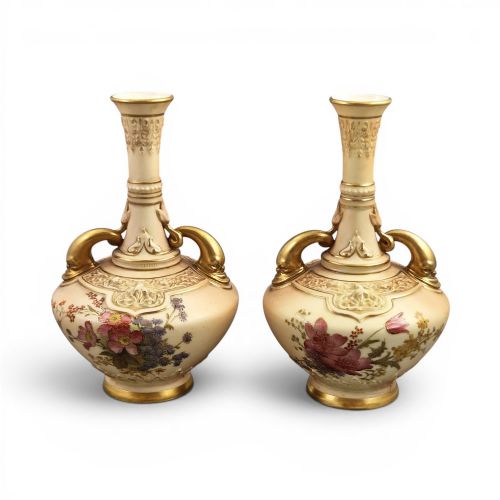
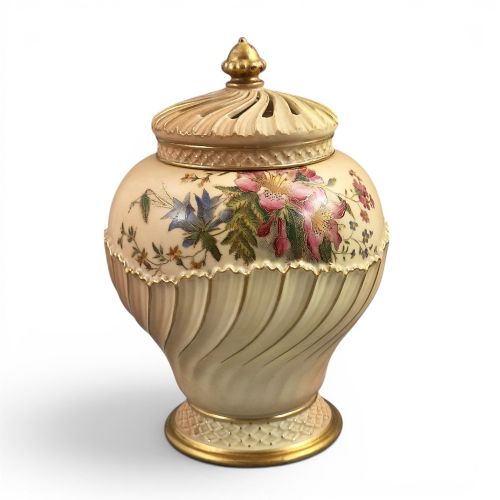
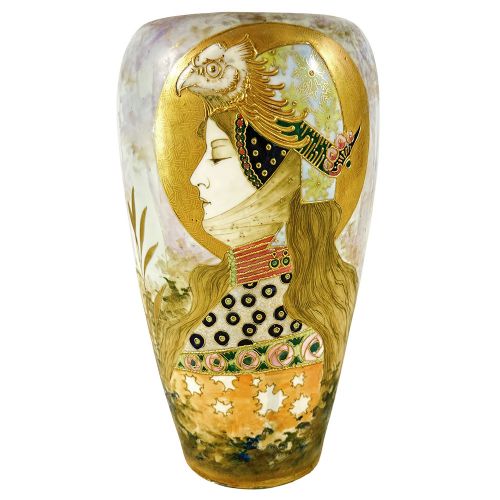
These cream gilded vase examples bring together delicate enamel work, intricate porcelain bodies, and rich gold leaf detailing across various international traditions.
Cream Gilded Vase
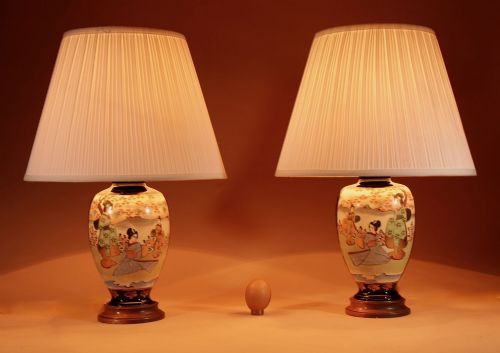
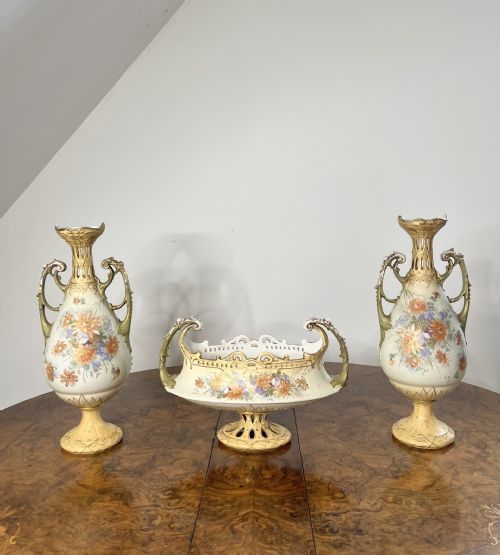
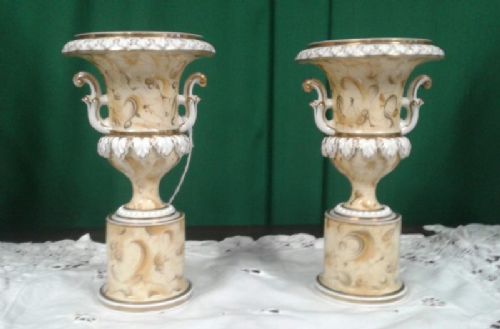
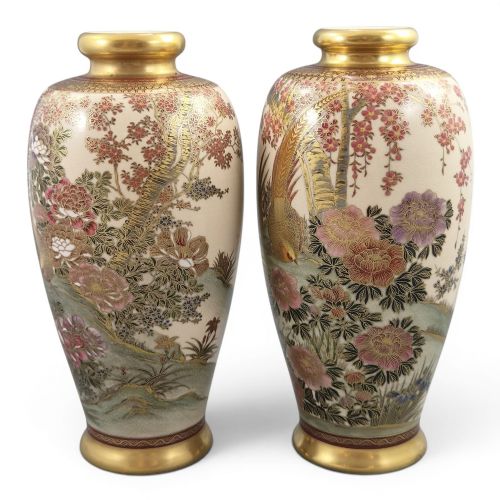
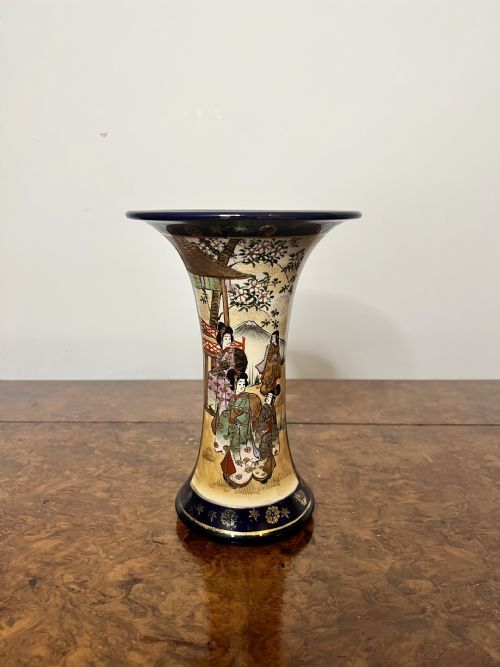
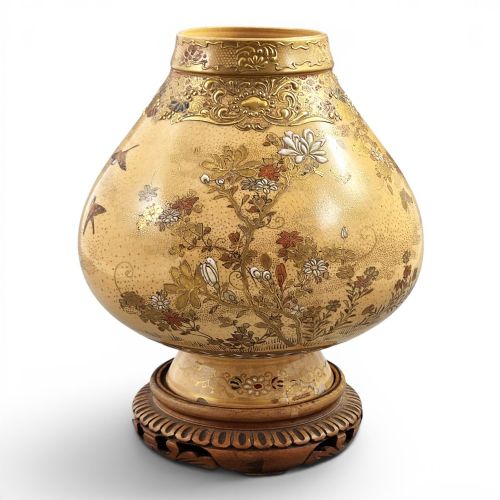
A cream gilded vase brings together soft earthenware or porcelain bodies with bright metallic highlights, creating a distinct visual contrast. Buyers searching for a cream gilded vase frequently encounter Japanese Satsuma wares alongside English porcelain from the Victorian and Edwardian eras.
The selection ranges from small spill vases and miniature vessels to large table lamps and monumental centrepieces. Pieces bearing blush ivory grounds and delicate floral painting appear frequently alongside intricate Meiji period creations.
Materials and technique
Makers utilised fine porcelain and earthenware as the primary base materials, applying smooth glazes to achieve characteristic cream or blush ivory tones. Artisans then integrated gold leaf, gilt highlights, and rich enamel paints across the surface.
Hand painting forms a core technique across the selection, often depicting figures, landscapes, or natural motifs framed by gilded detailing.
Several Satsuma vases feature tiny, industrious armies of painted butterflies fluttering across the ceramic surface.
Assessing quality
The distinction between standard production and the finest output rests upon the precision of the hand painting and the crispness of the gilding. Superior examples display detailed brushwork depicting figures or natural scenes with notable clarity.
Artisans working within renowned workshops achieved a finer finish on the ceramic body and applied gold leaf with greater longevity. Signed pieces and items carrying distinct maker marks generally reflect higher standards of design and execution.
Shozan·Locke And Co·Royal Vienna·Royal Worcester·Reissner Stellmacher And Kessel·Ridgeways·Manpei·Kinkozan·Tunnicliffe·Kinzan·Hododa·Chosei·James Stinton·H Davis·Seiko En Chokei·Yamashu·Tagawa·Tashiro·Doulton Burslem·Hattori
The Cream Gilded Vase Glossary
- Blush ivory
- A soft, creamy porcelain body developed to mimic natural ivory tones. It serves as a subtle background for hand-painted floral decoration.
- Satsuma
- A type of Japanese earthenware featuring a crackle glaze and detailed polychrome enamel painting, frequently accented with gold.
- Spill vase
- A small vertical vessel designed originally to hold slender wooden spills used for lighting fires or pipes.
- Campana
- A classical vase shape resembling an inverted bell, often set upon a pedestal base.
- Gilding
- The application of gold leaf or powdered gold to the surface of ceramic or glass to create decorative metallic highlights.
Cream Gilded Vase: Frequently Asked Questions
What is a cream gilded vase?
A cream gilded vase is a decorative vessel featuring a pale earthenware or porcelain body complemented by metallic gold leaf or gilt highlights. These pieces span multiple traditions, including Japanese Satsuma production and English porcelain.
They function primarily as decorative objects, table lamps, or urns, often showcasing hand-painted floral motifs or figurative scenes.
How do I care for a cream gilded vase?
Preserving a cream gilded vase requires gentle handling and protection from direct sunlight to maintain the integrity of the enamel and gold leaf. Dusting should be performed softly with a dry cloth.
Moisture and chemical cleaners should be kept away from the surface to prevent damage to the delicate glaze and gilt work.
How can I identify the period of a vase?
Dating relies upon examining the ceramic body, applied glaze colours, signature marks, and stylistic indicators such as Meiji period motifs or Edwardian shapes. Maker stamps provide definitive chronological markers.
Comparing the painting technique and material composition against documented workshop output helps confirm the era of origin.
Where were these vases made?
The pieces originate from diverse workshops in Japan and England, reflecting distinct regional ceramic traditions. Japanese examples often hail from Kyoto and Satsuma provinces.
English pieces frequently stem from prominent potteries specialising in refined porcelain and earthenware bodies during the nineteenth and early twentieth centuries.