

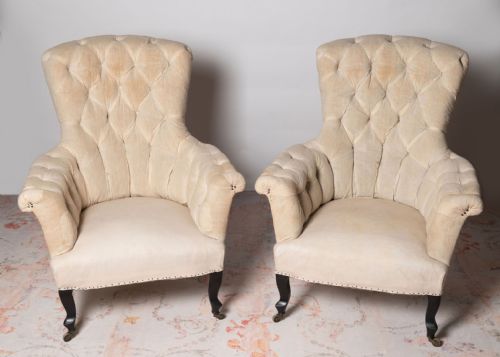
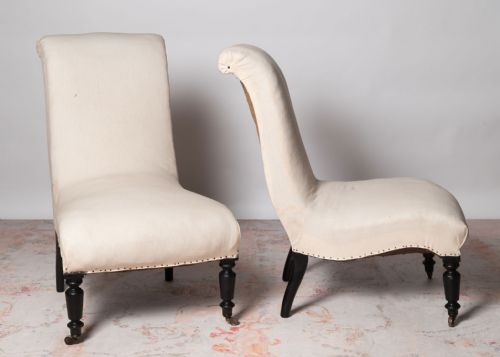
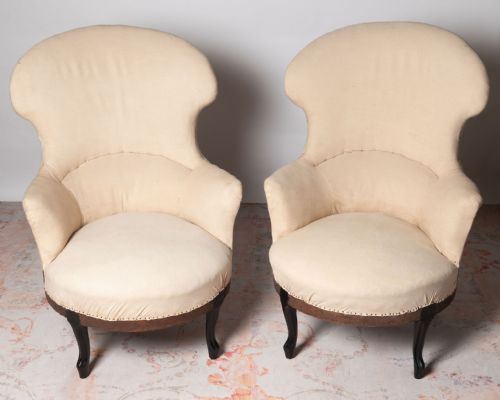
Cream French Armchair
A cream french armchair brings continental elegance to a room, offering generous seating rooted in historic styles.
Cream French Armchair
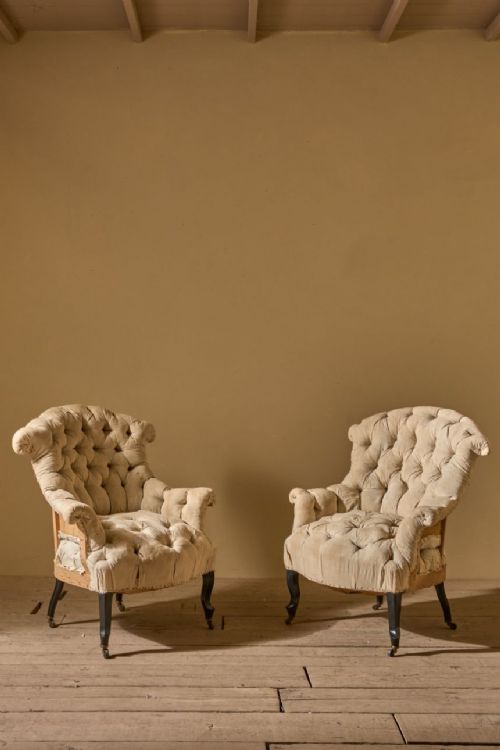
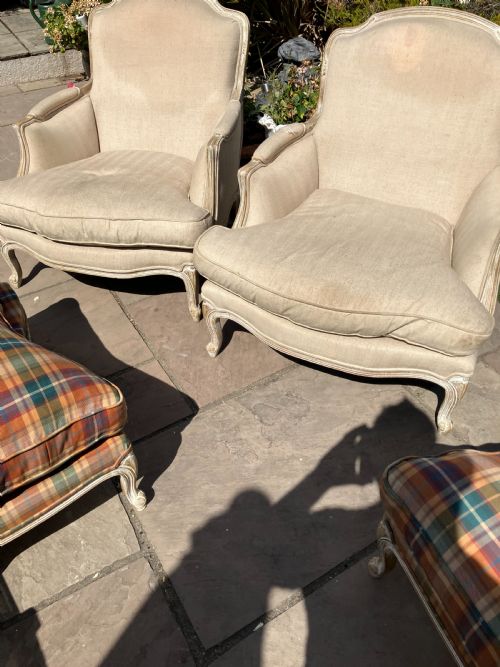
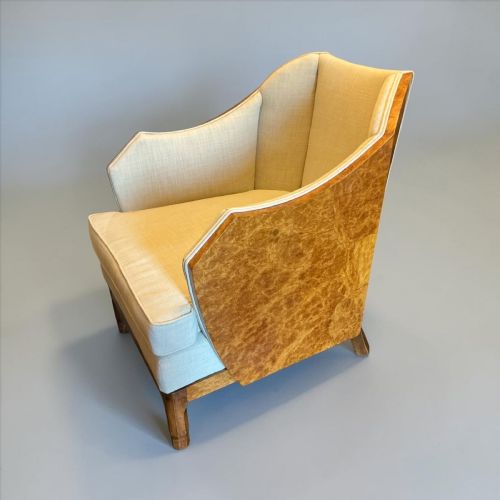
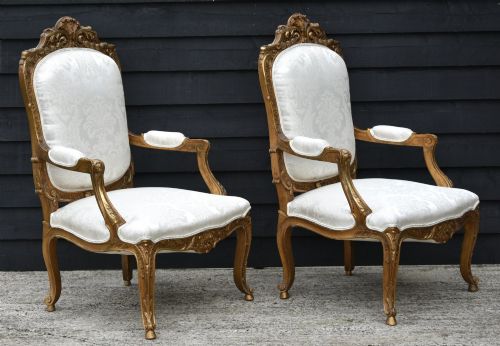
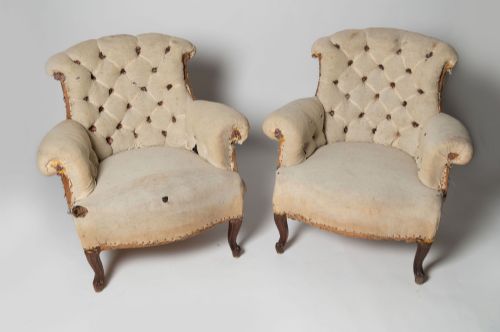
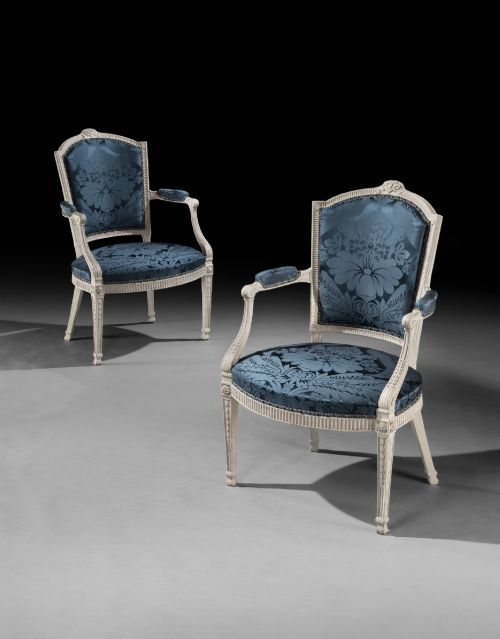
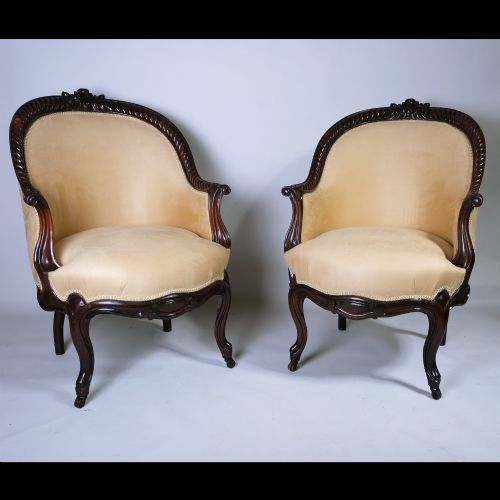
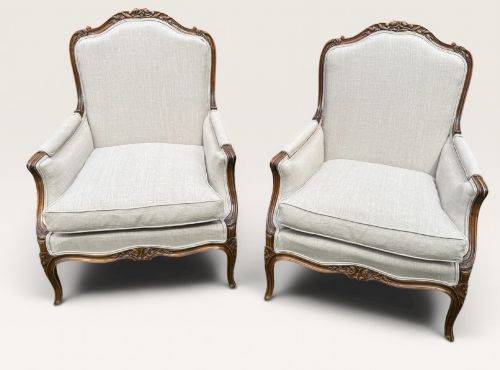
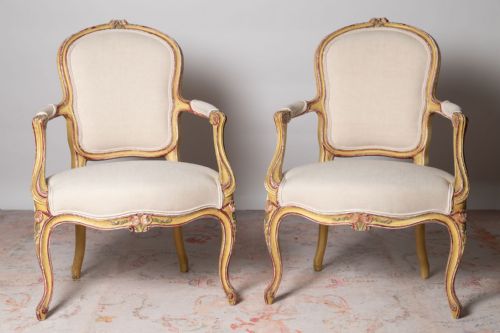
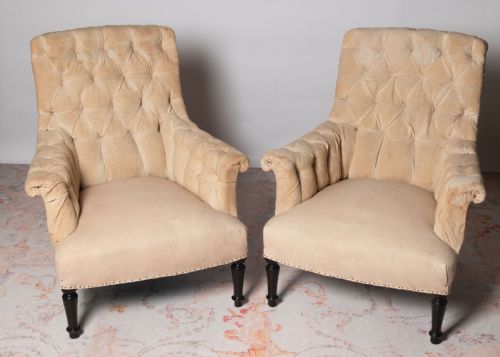
A cream french armchair encompasses seating ranging from nineteenth century Napoleon III buttoned designs and Louis XV revival pieces to twentieth century art deco forms. Buyers searching for a cream french armchair will frequently encounter nineteenth century examples featuring original paint, carved walnut, or beech structures upholstered in linen and fabric.
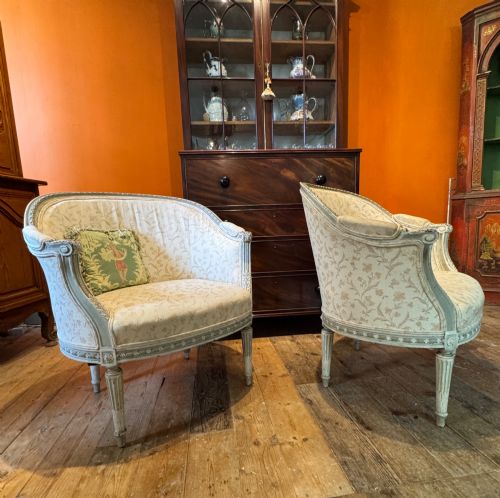
The selection includes bergere tub armchairs, gilt throne chairs, slipper chairs, and larger salon seating reflecting French provincial and chateau aesthetics. These varied forms span periods from the eighteenth century through to mid twentieth century Parisian club chairs and art deco variants.
Nineteenth century pieces dominate the available selection, often exhibiting classic scroll backs, buttoned upholstery, and traditional wood finishes. Alongside these sit eighteenth century painted items and mid twentieth century interpretations, demonstrating enduring craftsmanship across multiple eras.
Materials and construction methods
Frames are constructed from timbers such as walnut, beech, mahogany, and goncalo alves, sometimes accented with brass, gilt bronze mounts, or wrought iron. Carved woodwork often retains its original paint or gilt finish, displaying traditional joinery and sculptural detail.
Upholstery relies on traditional textiles including linen and patterned fabric, frequently finished with buttoning or needlework details. Structural integrity relies on solid timber framing paired with durable stuffing and support techniques appropriate to each period.
Listings feature items spanning from the eighteenth century to the mid twentieth century, constructed in walnut, beech, mahogany, and timber.
Distinguishing quality in seating
Quality rests upon the crispness of the hand carving in the wood frame and the preservation of original finishes like paint or gilding. Superior examples maintain balanced proportions, robust joinery, and upholstery materials that respect the period character of the chair.
The integration of decorative elements, from gilt bronze mounts to detailed buttoning, separates standard production from exceptional craftsmanship. Well preserved frames with authentic patination and stable construction consistently represent the upper tier of these furnishings.
Henri Jacob
The Cream French Armchair Glossary
- Fauteuil
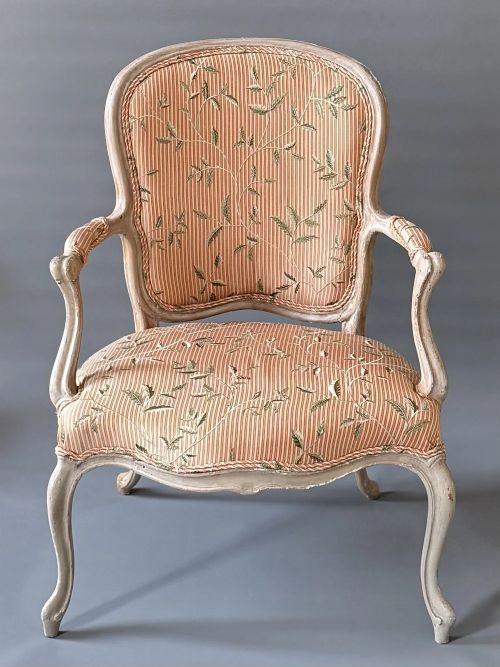
- An open framed upholstered armchair with exposed wooden arms. The arms typically feature padded elbow rests supported by carved uprights.
- Duchesse brisée
- A multi part chaise longue system comprising a chair and one or two footstools that combine to form a single resting place. This piece often appears in Louis XV style.
- Gilt
- A thin layer of gold leaf or powder applied to a surface. It adds decorative splendour to carved wooden chair frames.
Cream French Armchair: Frequently Asked Questions
How do I identify a Louis XV style chair?
Louis XV style chairs feature characteristic curved lines, cabriole legs, and asymmetric floral carvings. The woodwork often shows flowing contours without straight architectural angles.
Upholstery on these pieces follows the graceful sweep of the frame, providing an organic silhouette typical of eighteenth century French design.
What is a Napoleon III armchair?
Napoleon III armchairs originate from the Second French Empire period in the nineteenth century. They are known for plush buttoned upholstery, curved backs, and comfortable sprung seats.
These chairs often employ rich fabrics and deep buttoning to create an inviting, luxurious appearance suited to formal sitting rooms.
Are these chairs suitable for daily use?
Many antique armchairs remain robust enough for regular seating, particularly those with sturdy beech or walnut frames. Checking the internal support helps ensure daily comfort.
Placement in low traffic areas can preserve delicate original upholstery or antique painted finishes while still allowing practical enjoyment.
How do I care for original paint finishes?
Original painted surfaces require gentle dusting with a dry, soft cloth rather than liquid cleaners. Avoiding direct sunlight prevents the paint from fading or cracking over time.
Maintaining stable indoor humidity levels protects both the wooden framework and the historic surface treatments from environmental stress.