
Victorian Wing Armchair
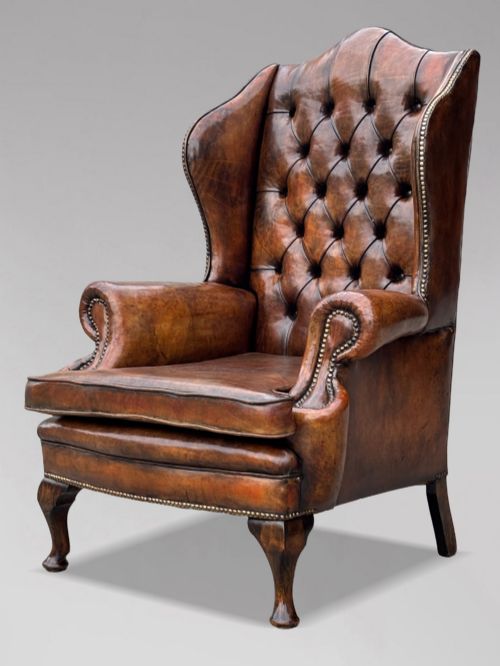
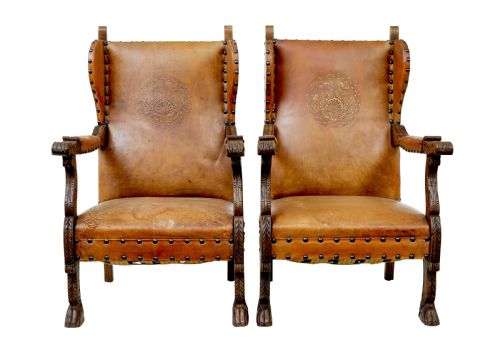
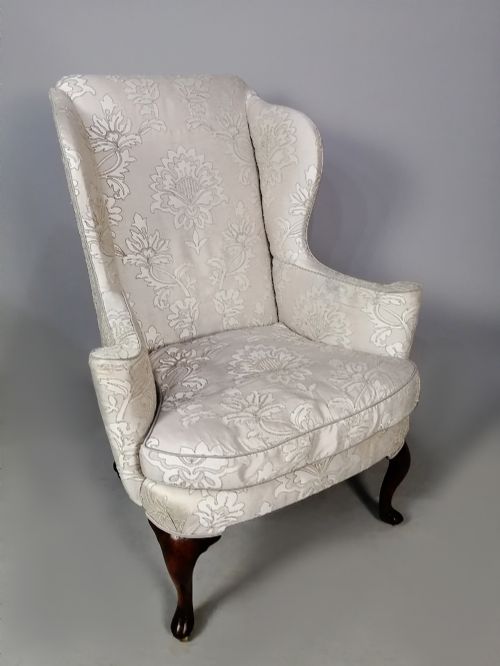
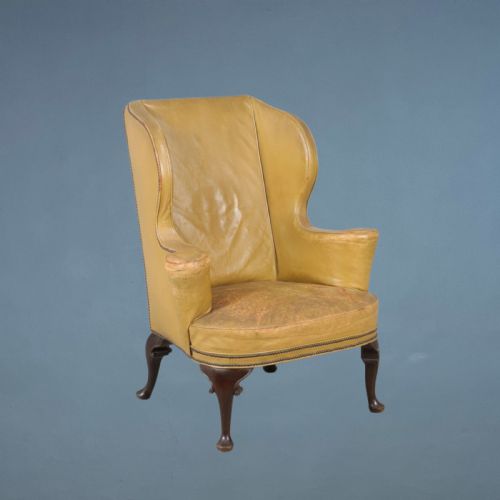
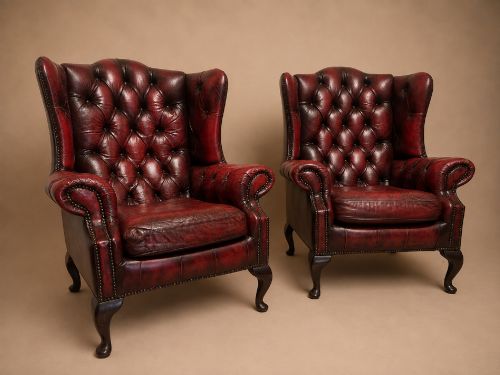
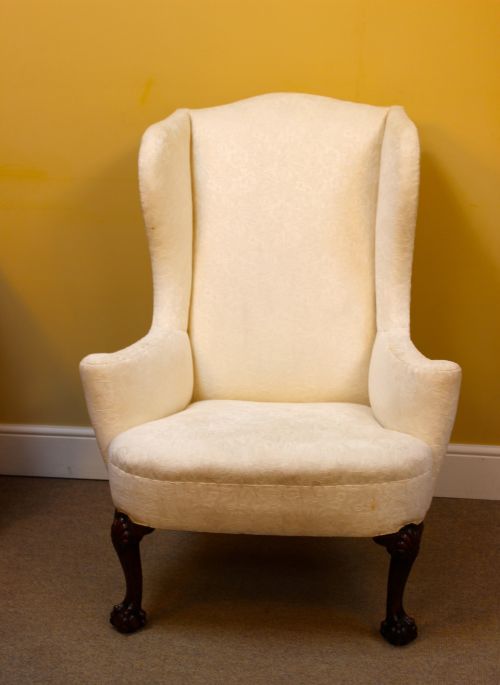
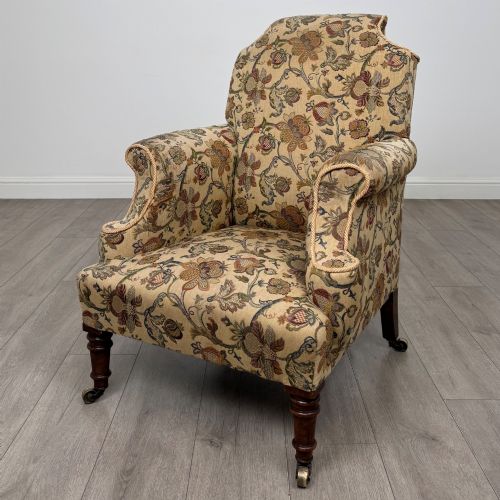
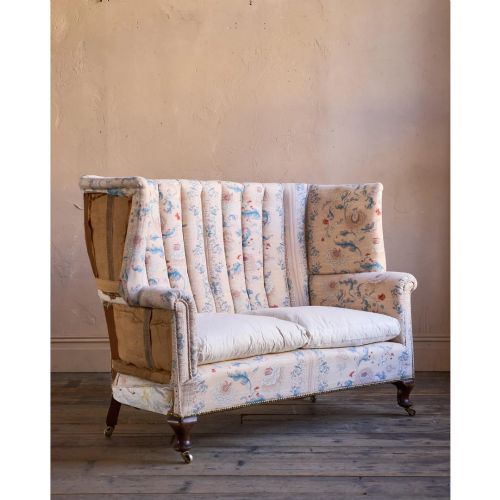
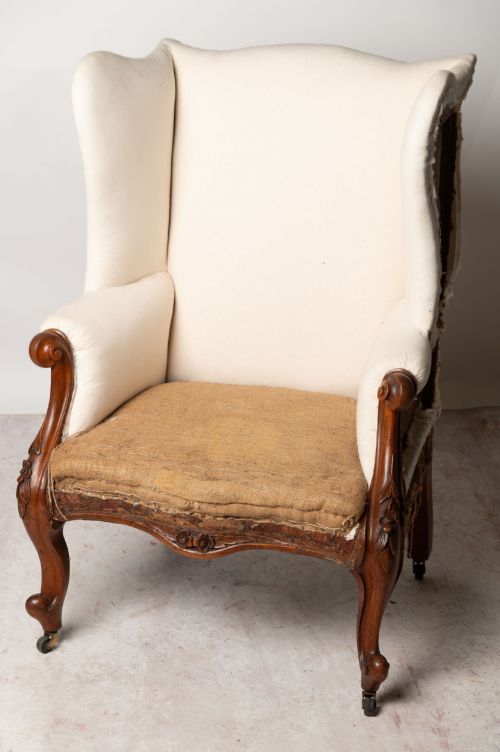
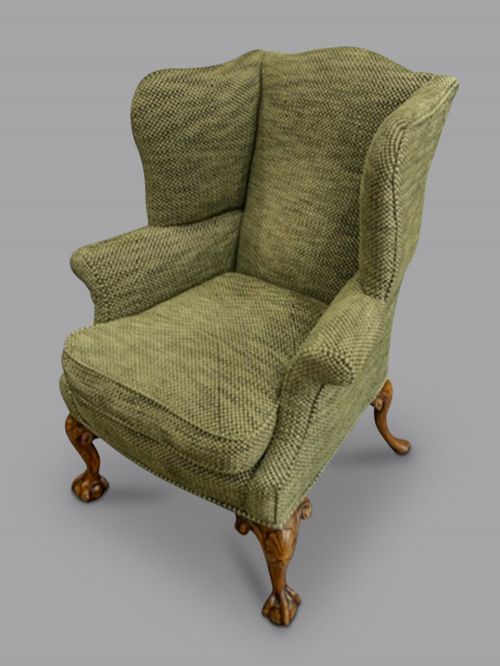
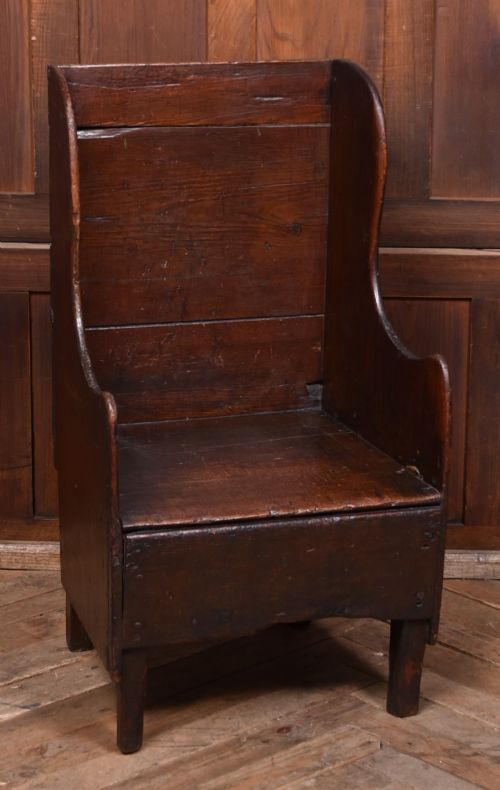
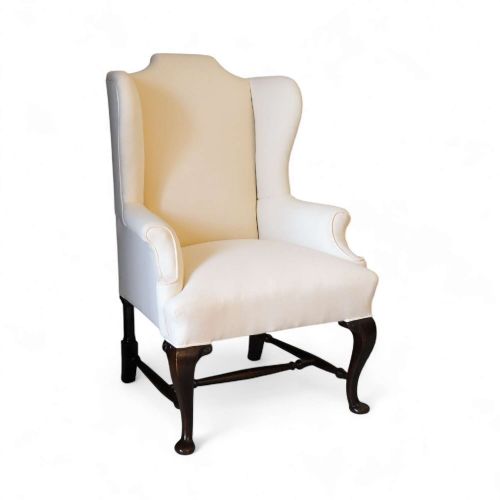
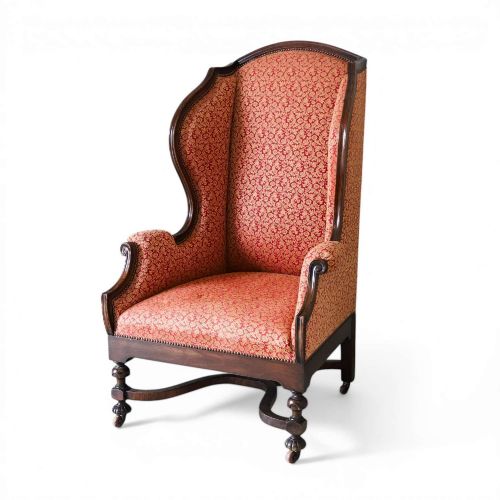
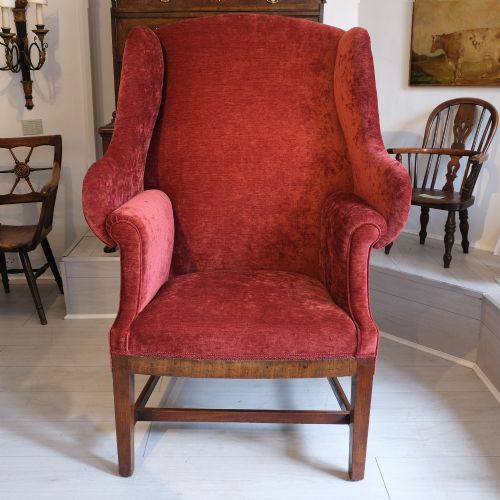
These pieces are a victorian wing armchair, built for fireside comfort with deep seats and protective side panels.
Identifying the Victorian Wing Armchair
A victorian wing armchair is a substantial seating form designed to shield the sitter from draughts by the hearth. The pieces on this page span the nineteenth century, including examples from the eighteen eighties and eighteen nineties.
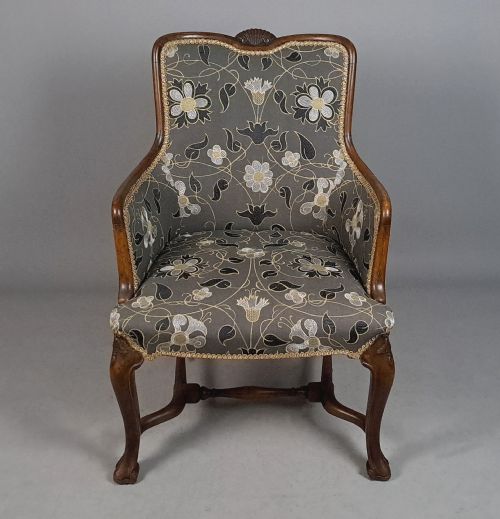
Most items take the form of large upholstered armchairs with characteristic winged sides, occasionally appearing as barrel back variations or drawing room seats. The forms include standard proportions alongside generous and large scaled country house iterations.
Makers and designers working during this period produced frames in walnut, mahogany, oak, beech and chestnut, often incorporating cabriole legs or stretchers. Stylistic influences extend from standard nineteenth century vernacular to French Louis XVI style and American motifs.
Materials and Construction
Frames are constructed from hardwoods such as walnut, mahogany, oak, beech and chestnut, providing structural integrity beneath heavy upholstery. Joinery relies on traditional carpentry methods suited to supporting generous seating proportions.
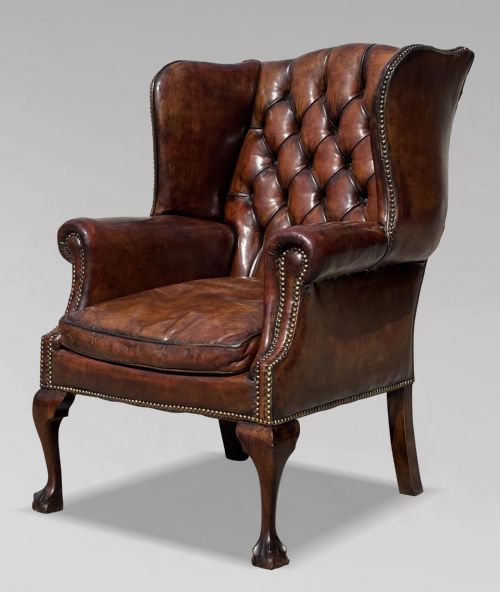
Upholstery materials recorded in the evidence range from practical calico and linen to decorative cotton, damask and chenille. Leather appears frequently, alongside specialised variations such as hand dyed leather and buttoned upholstery.
Retail Price Guide 2026
Typical UK retail prices for victorian wing armchair, calculated from the Sellingantiques database of over a million retail prices indexed since 2003. This retail price guide relies exclusively on Sellingantiques data; no external sources or auction records are used, so the figures do not describe the wider market.
At least one chair crossed the Atlantic to wear an American Stars and Stripes motif.
Assessing Quality and Execution
Quality rests in the balance between timber selection and the scale of the frame, with larger proportioned examples and dense hardwoods like walnut or mahogany demonstrating greater ambition. The presence of specific details such as carved walnut work or cabriole legs elevates certain pieces above standard production.
The choice of covering material and the intricacy of the textile work, from original chenille to hand dyed leather or buttoned detailing, define the finish. Structural variations like metamorphic mechanisms or stretchered supports further distinguish individual pieces within the range.
John Reid And Sons
The Victorian Wing Armchair Glossary
- Wingback
- A chair design featuring protective lateral panels attached to the arms or back to block draughts. These upholstered extensions frame the sitter's head.
- Bergere
- A closed upholstered armchair with wooden framing visible around the sides and back. This French influenced form often utilises carved walnut or beech.
- Cabriole
- A furniture leg that curves out and then in, resembling the leg of an animal. This form typically terminates in a pad or claw foot.
- Chenille
- A fuzzy tufted yarn used in woven textiles. It creates a soft and textured pile on drawing room upholstery.
- Calico
- A plain woven unbleached cotton textile. It frequently serves as a foundational upholstery cover on nineteenth century seating.
Frequently Asked Questions
What is a wing armchair used for?
These chairs were historically placed near fireplaces to protect sitters from cold draughts using the extended side panels.
They function today as prominent drawing room or fireside seats offering substantial back support.
How do I identify a nineteenth century wing chair?
Look for timber frames constructed from walnut, mahogany, oak or chestnut characteristic of the period. Upholstery styles like buttoning or original chenille often indicate nineteenth century manufacture.
Check for stylistic details such as cabriole legs or French Louis XVI influences that date the frame.
Are these chairs upholstered in leather?
Leather is a common upholstery material found across the historical inventory, including hand dyed and club variations.
Other pieces utilise textiles such as damask, cotton, linen, calico and chenille.
What wood types were used?
Framing timbers recorded in the evidence include walnut, mahogany, oak, beech and chestnut.
These hardwoods provided the structural strength required for large proportioned and heavy seating.
What is a metamorphic wing back armchair?
This variant includes a mechanical or adjustable element within the standard wing armchair form.
Such pieces combine traditional fireside seating with functional transformation.