



Edwardian Wingback Chair
An edwardian wingback chair combines high-backed draught exclusion with timber framing, offering a comfortable seat shaped by history and revival styles.
Edwardian Wingback Chair
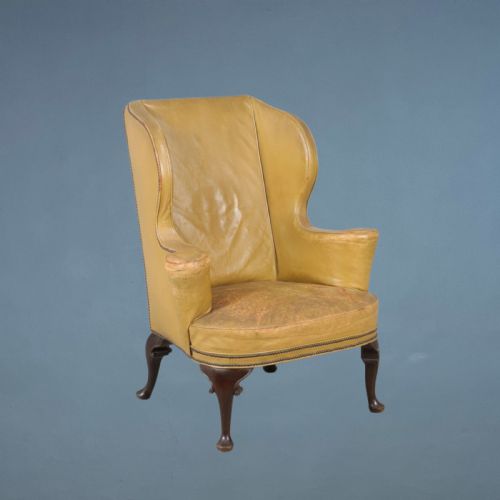
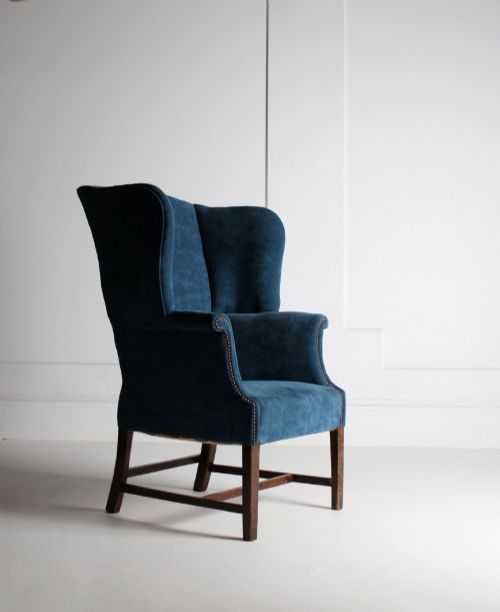
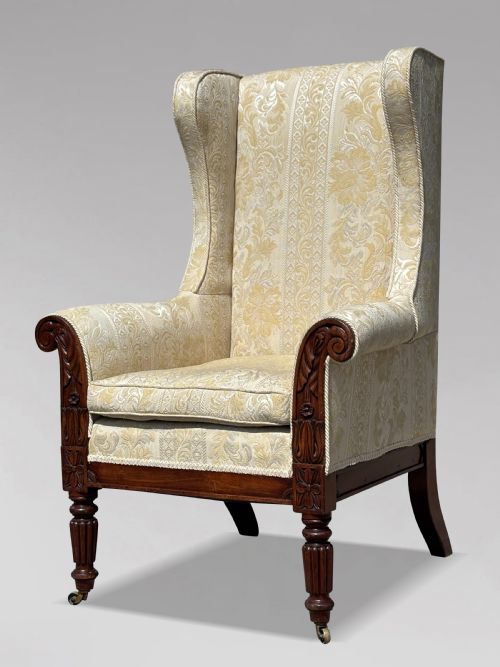
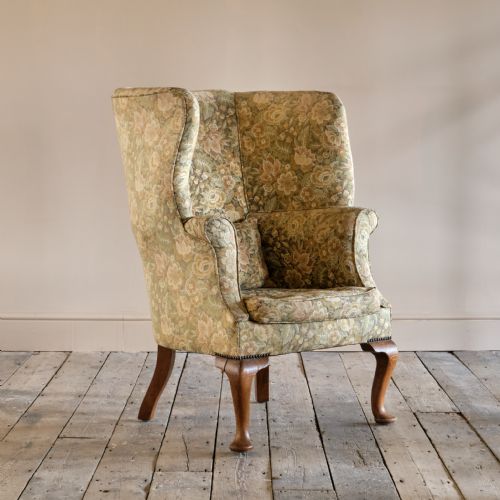
The edwardian wingback chair sits firmly within a lineage of fireside seating designed to shield the occupant from drafts while trapping warmth from a hearth. When searching for this form, buyers encounter examples spanning the Edwardian period itself, alongside earlier Victorian iterations and revivals stretching back to walnut Queen Anne and Georgian styles.
Makers and workshops of the era, such as Howard and Sons, Whytock and Reid, and J Foot and Son, occasionally punctuate the listings alongside country house and salon variants. Buyers find everything from inlaid mahogany parlor seats to robust leather library chairs built for heavy daily use.
How they were made
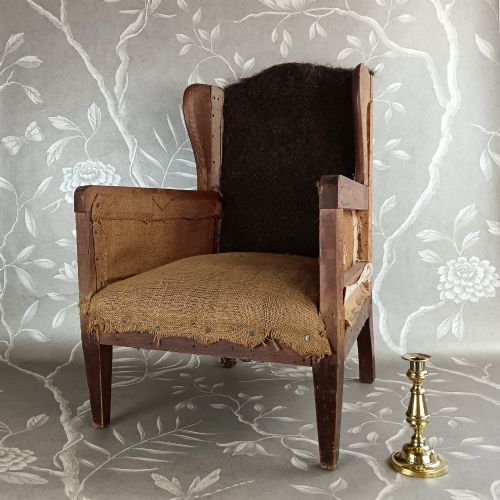
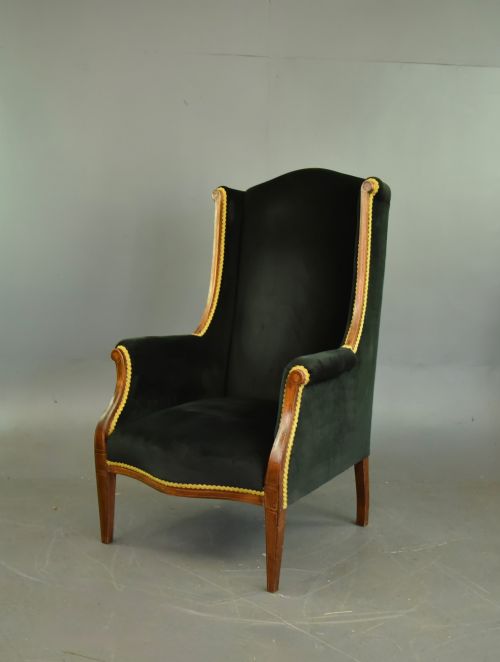
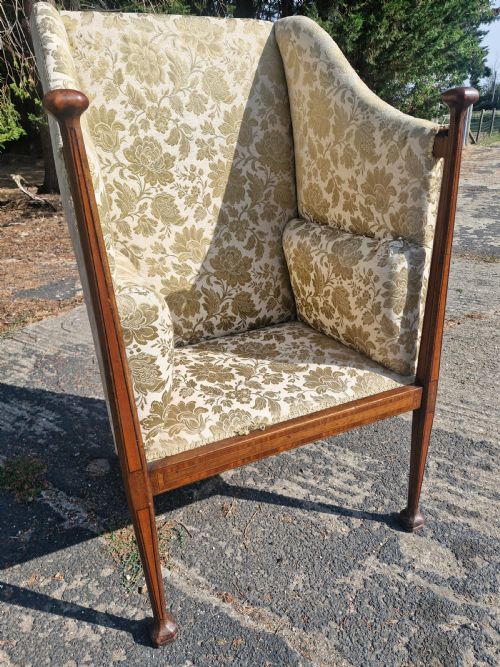
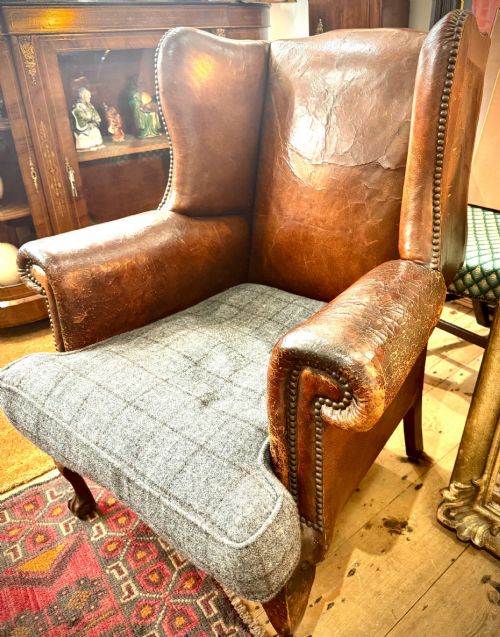
Frames rely on sturdy timbers such as mahogany, oak, walnut and general hardwood, often shaped with inlaid decoration or carved details. Upholstery methods combine traditional internal stuffing with outer layers of leather, velvet, hide or woven fabric, sometimes finished with deep buttoning.
Specialist mechanical pieces incorporate brass hardware to facilitate reclining functions or wheel mechanisms for convalescing invalids. Woodwork shows precise joinery, while inlaid versions display contrasting stringing set directly into the mahogany frames.
Edwardian Wingback Chair Retail Price Guide 2026
Typical asking prices for edwardian wingback chair among the pieces listed under this phrase on Sellingantiques today, from the lower quarter to the upper quarter. They describe what is for sale here now, not the wider market.
The inventory encompasses periods ranging from the eighteenth century through Victorian and Edwardian eras into the early twentieth century.
What varies in quality
Quality rests in the integrity of the timber frame, the fidelity of the revival style, and the harmony between the upholstery and the underlying woodwork. Pieces attributed to notable makers or retaining original leather and brass details command greater attention from collectors.
Subtleties in proportion, such as the sweep of the wings and the stance of the legs, separate standard utility seating from refined salon and library examples. The depth of buttoning and the choice of primary covering material further distinguish the conversational fireside chair from the utilitarian model.
Howard and Sons·Whytock and Reid·J Foot and Son·John Ward
The Edwardian Wingback Chair Glossary
- Wingback
- An armchair featuring projecting side panels designed to shield the face from drafts. These wings transition smoothly into the armrests.
- Bergère
- An enclosed armchair with cane or upholstered sides and a padded seat. It frequently utilises exposed polished wood frames.
- Barrel back
- A semicircular chair design where the back and arms form a continuous rounded enclosure. This shape offers enveloping comfort.
- Inlaid
- A decorative technique where contrasting strips of wood or brass are embedded into the primary timber surface. It appears frequently on Edwardian mahogany frames.
- Metamorphic
- Furniture constructed with mechanical parts allowing it to transform into another object, such as a reclining chair. These items often include specialised brass fittings.
Edwardian Wingback Chair: Frequently Asked Questions
What defines an edwardian wingback chair?
An edwardian wingback chair is a fireside seat characterised by protective side panels attached to the armrests, produced during the early twentieth century or referencing earlier Georgian and Queen Anne designs.
These pieces typically feature mahogany, oak or walnut frames upholstered in leather, velvet or traditional fabric, often with decorative inlay.
How do I spot a reproduction?
Examination of the timber, joinery and upholstery techniques reveals the age of the piece. Authentic Edwardian examples show period appropriate wear and construction methods consistent with early twentieth or late nineteenth century workshops.
Revival pieces often blend styles, such as Georgian revival frameworks produced during the Edwardian era, which remain period antiques in their own right.
Were these chairs used only by the fireside?
While originally designed to trap hearth heat and block drafts, these chairs served in libraries, bedrooms and formal salons. Specialised variants included reclining library chairs and convalescing invalid chairs.
Their versatility ensured placement wherever comfortable, upright seating was required in the home.
How do I care for leather upholstery?
Leather-upholstered chairs require gentle cleaning and conditioning to prevent the hide from drying out over time. Keeping them away from direct heat sources preserves both the leather and the underlying timber frame.
Regular dusting and appropriate leather balms maintain the suppleness of nineteenth and early twentieth century hides.