
Cream Floral Painting
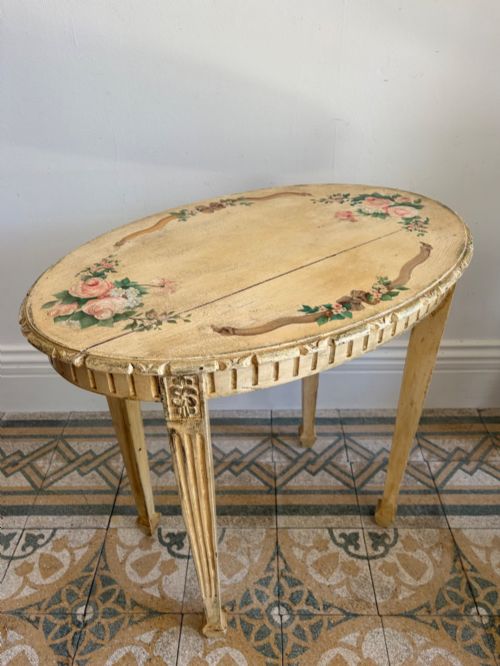
Cream floral painting brings together delicate botanical decoration and pale ground ceramics or canvas, offering a soft aesthetic for traditional interiors.
Cream Floral Painting
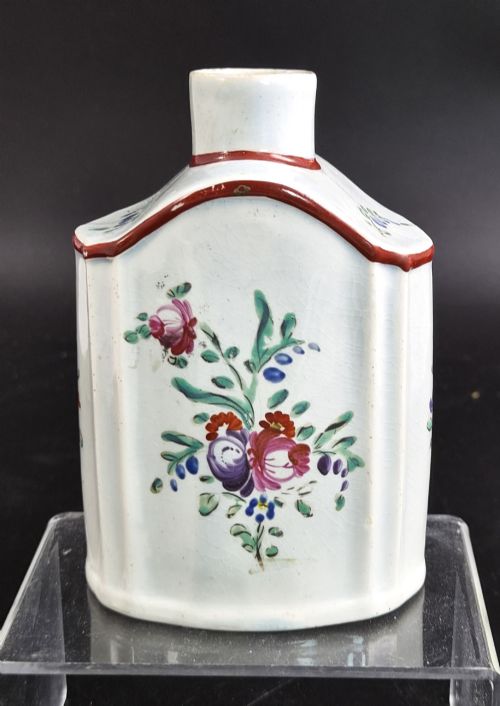
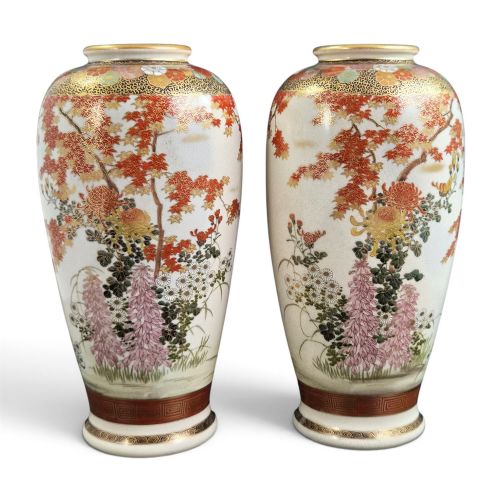
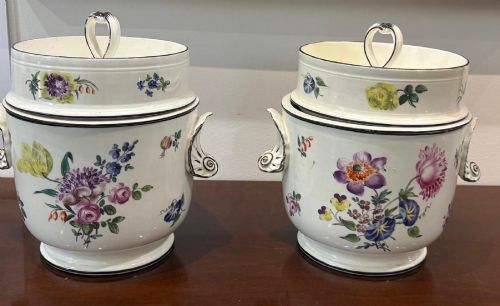
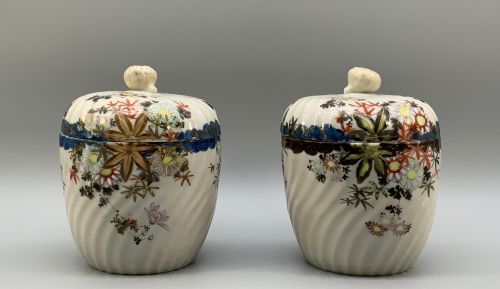
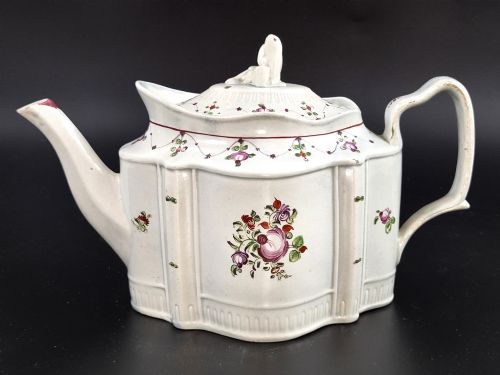
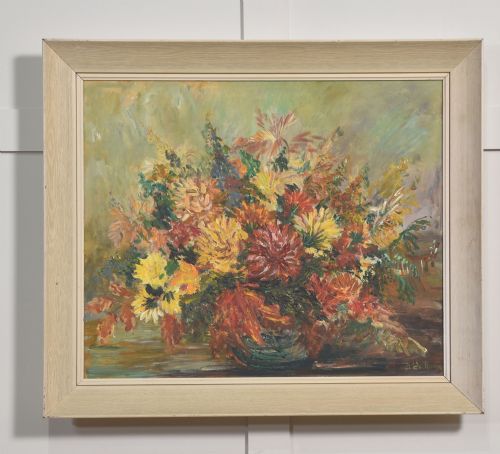
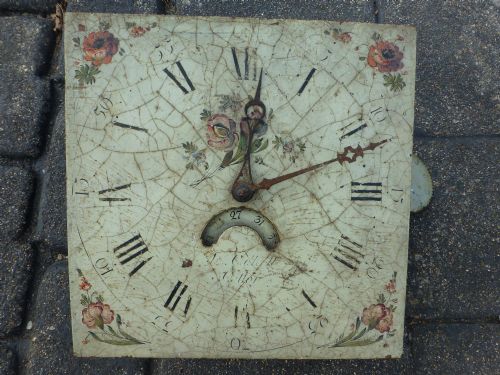
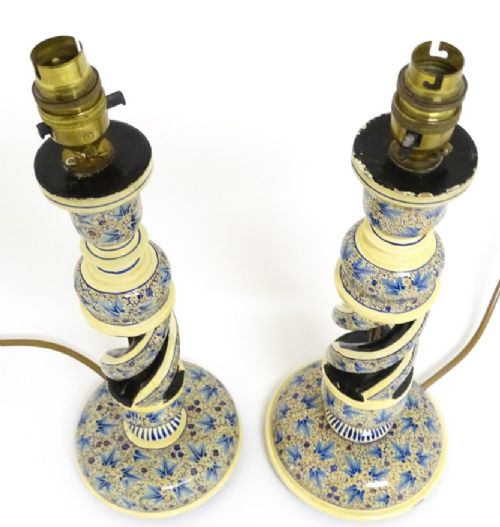
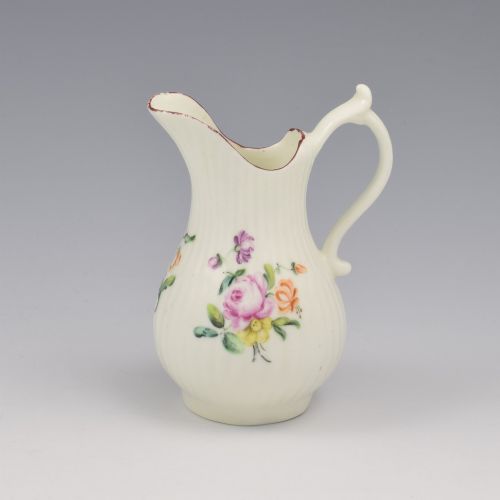
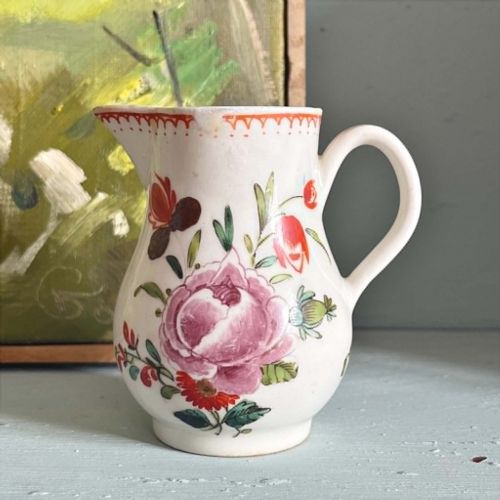
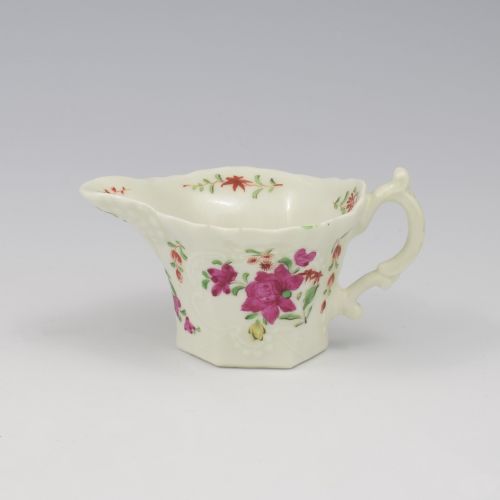
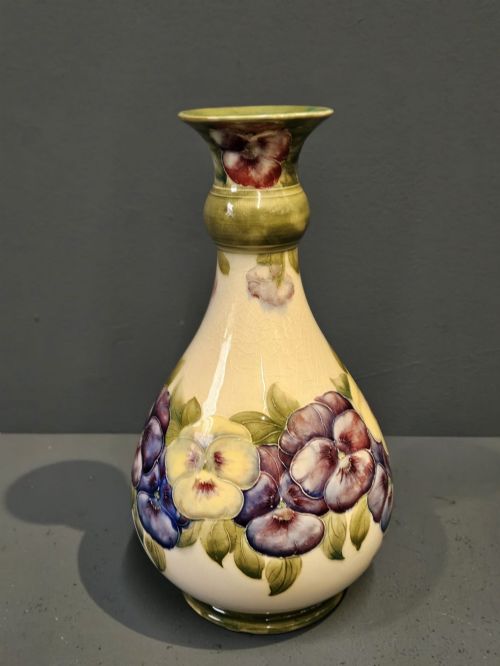
Cream floral painting spans delicate porcelain cream jugs, earthenware vessels, and canvas artworks, uniting botanical motifs with pale backgrounds. Buyers searching this phrase encounter English creamware, Edwardian blush ivory ceramics, and painted oil works from multiple centuries.
The selection frequently includes 18th-century cream jugs, Victorian tableware, and early 20th-century floral oil paintings. These pieces merge functional pottery forms with hand-applied botanical decoration in subtle palettes.
Materials and methods
Makers utilised earthenware, porcelain, and ceramic bodies as grounds for hand-painted botanical decoration. Artisans applied polychrome enamels and mineral paints directly onto glazed surfaces or raw clay before firing.
Canvas oil paintings employ traditional oil pigments layered to depict floral still life scenes. Ceramic pieces often combine moulded earthenware with delicate brushwork in floral patterns.
Quality variations
Excellence in these items rests upon the precision of the brushwork and the clarity of the botanical illustration. Finer examples display nuanced shading in petals and leaves, executed by skilled studio ceramicists or established painters.
The sophistication of the glaze and the crispness of moulded details distinguish superior pottery forms. Composition and depth in oil paintings similarly separate standard decorative items from masterworks.
Royal Worcester·Doulton Burslem·Walker and Hall·Mann and Co
The Cream Floral Painting Glossary
- Creamware
- A light-coloured refined earthenware developed in England during the 18th century. It provides a smooth pale ground ideal for enamel floral painting.
- Blush ivory
- A porcelain body featuring a soft, creamy matte glaze often decorated with floral designs. This finish became particularly popular in late Victorian and Edwardian ceramics.
- Polychrome
- Decoration employing multiple distinct colours in the painted design. In these listings, it describes multi-coloured floral motifs on porcelain jugs and bowls.
- Spongeware
- Pottery decorated by dabbing pigment onto the clay body using a sponge or similar porous material. This technique creates textured patterns often seen on 19th-century domestic bowls.
- Impasto
- Paint applied in thick layers that stand out from the surface. This technique adds tactile dimension to floral still life oil paintings.
Cream Floral Painting: Frequently Asked Questions
How do I care for antique painted ceramics?
Wash painted porcelain and earthenware gently by hand in lukewarm water using mild detergent. Avoid soaking pieces with delicate overglaze enamels to preserve the painted floral decoration.
Keep ceramic vessels away from direct sunlight and extreme temperature fluctuations to protect the glaze and prevent crazing over time.
What periods do these pieces come from?
The selection encompasses items from the 18th, 19th, and early 20th centuries, including Georgian creamware and Edwardian porcelain.
Victorian earthenware and later oil paintings also appear, reflecting changing decorative tastes across multiple eras.
How can I identify genuine hand-painted pottery?
Examine the surface under magnification to detect individual brushstrokes and slight variations in colour density. Hand-applied pigments show subtle irregularities absent in printed transfers.
Look for maker marks, impressed stamps, or artist signatures on the underside of ceramic bodies to confirm origin.
Where were these painted ceramics made?
Origin locations include English potteries, European porcelain factories, and Japanese workshops producing wares for export. Each region utilised distinct clay bodies and glazing techniques.
Local traditions influenced the specific style of botanical illustration found on each individual vessel.