




Cream Botanical Wall Art
Cream botanical wall art brings nature indoors through delicate floral and plant depictions framed for display.
Cream Botanical Wall Art
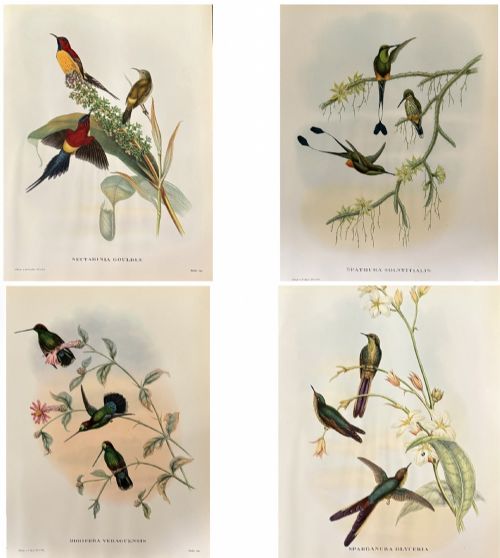
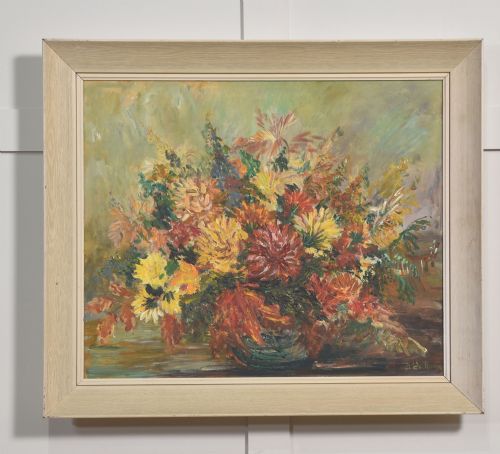
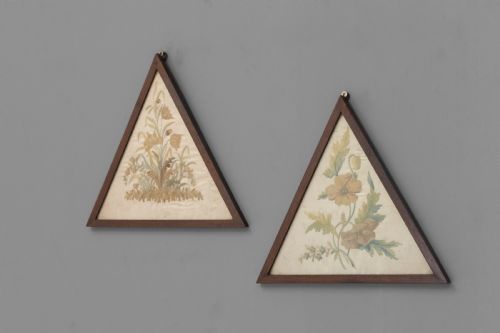
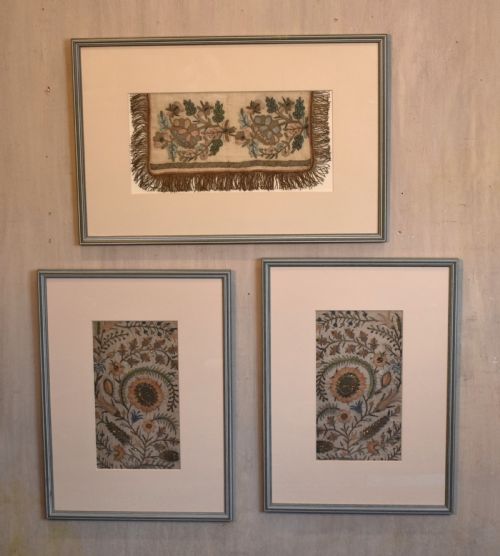
Cream botanical wall art encompasses framed prints, engravings, oil paintings, and needleworks depicting plants, flowers, and birds across various historic periods. Buyers seek these pieces to introduce natural subjects and neutral tones into domestic interiors.
Materials and techniques
Makers utilised paper, wood, glass, canvas, and silk as supports for these artworks. Artists and printmakers applied ink, watercolour, and oil paint to render plant forms with botanical accuracy.
Needlework and embroidery techniques also appear in early domestic pieces, using thread on fabric to depict garden birds and floral specimens. Engravings frequently received hand-colouring to enhance the natural appearance of leaves and blossoms.
Listings feature works created across eight distinct decades and centuries, spanning wood, paper, glass, ink, oil paint, canvas, silk, and watercolour.
Assessing quality
Quality depends on the precision of the botanical representation and the skill evident in the execution, whether through brushwork, engraving line work, or needlework detail. Works by documented botanical artists and naturalists generally command greater attention.
The preservation of the paper, silk, or canvas influences the overall appeal. Crisp plate marks on engravings and vibrant retained pigment in watercolours and oils indicate superior condition and execution.
D. L. Williams·Pancrace Bessa·Margaret Laing·John Curtis·Georg Wolfgang Knorr·Owen Bowen·George Dionysius Ehret
The Cream Botanical Wall Art Glossary
- Botanical engraving
- An image printed from an engraved metal plate depicting plant species with scientific precision. These plates were often hand-coloured with watercolour washes.
- Hand-coloured
- A print finished by hand using watercolour or other pigments applied over a monochrome printed base. This technique added realistic hues to botanical plates.
- Needlework
- Decorative stitching executed with a needle on a fabric ground such as canvas or silk. Historic examples often portray floral arrangements or birds.
- Plate mark
- The indentation left on paper by the edge of a copper or metal printing plate during the press process. Its presence confirms an authentic historic print.
Cream Botanical Wall Art: Frequently Asked Questions
What periods do these pieces date from?
The works span multiple centuries, beginning in the eighteenth century and extending through the nineteenth and twentieth centuries. Examples range from early hand-coloured engravings to mid-century paintings and prints.
Each period reflects distinct printing and painting technologies, from copperplate engravings to twentieth-century tropical bird prints.
How should I hang framed botanical art?
Botanical prints and paintings suit various room settings, often displayed in pairs or symmetrical sets to highlight their scientific or decorative symmetry. Grouping works of similar scale creates a cohesive arrangement on a wall.
Protect fragile paper works and needleworks from direct sunlight to prevent fading of the ink, watercolour, and fabric dyes over time.
Are these works original historic items?
The selection includes original antique engravings, historic needleworks, and period oil paintings created across different eras. Many derive from historic botanical publications and herbariums.
Examining the materials, paper texture, and framing style helps identify the age and authenticity of each individual piece.
What is the difference between an engraving and a painting?
An engraving is a printed image produced from a carved metal plate, frequently hand-finished with watercolour. Paintings are unique handmade works created directly on canvas, paper, or panels using oil or watercolour.
Engravings were often produced in series for botanical books, whereas paintings represent singular artistic compositions.