
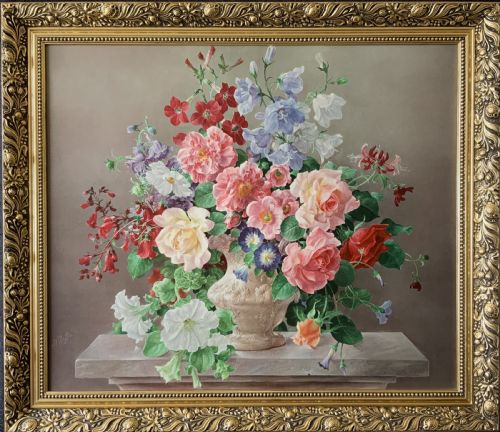
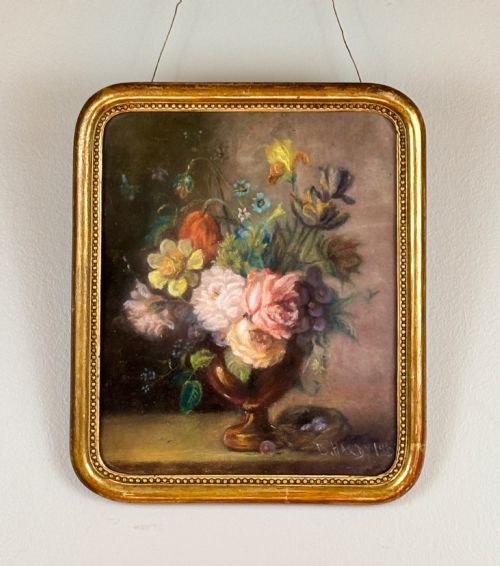
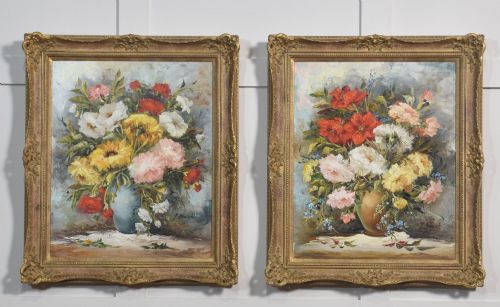
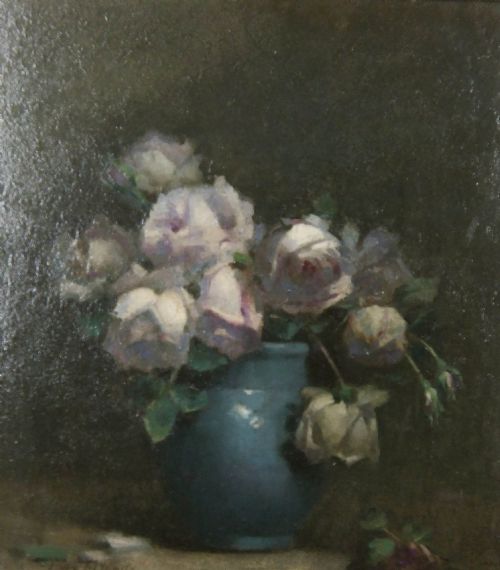
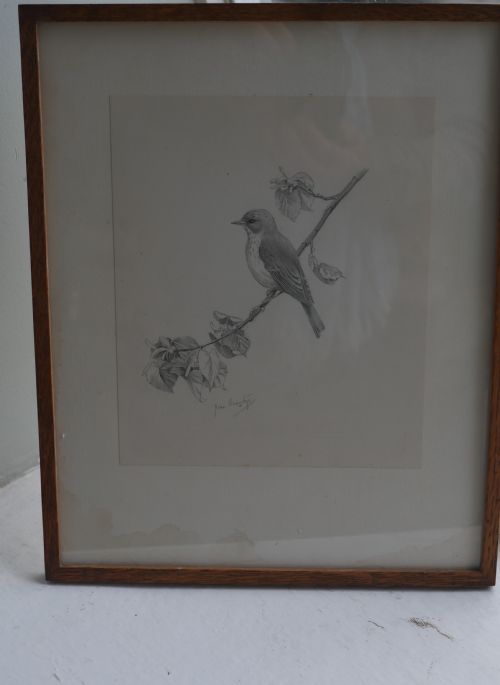


Antique Botanical Study Framed
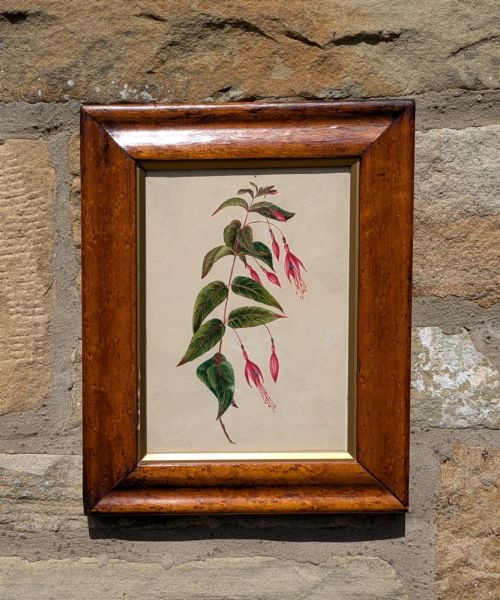
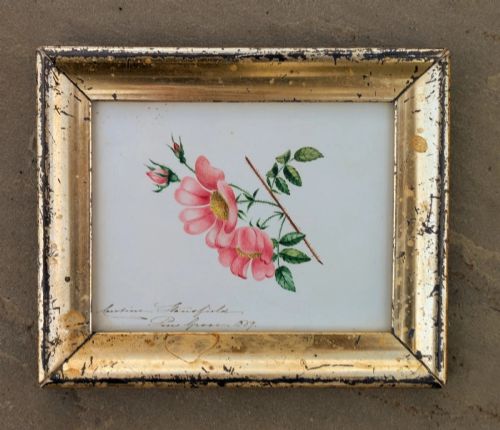
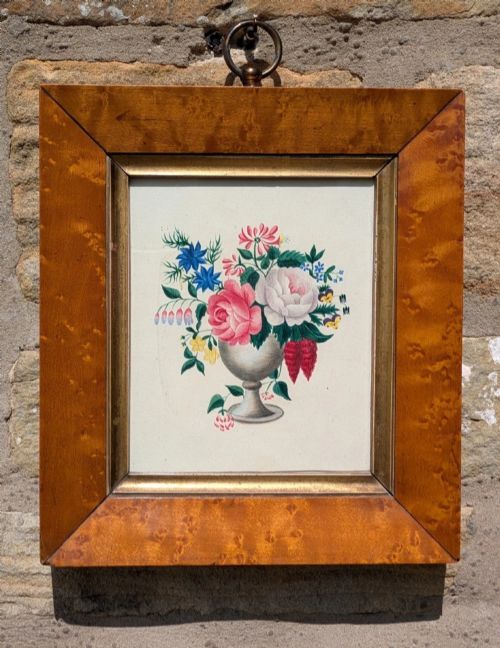
An antique botanical study framed behind glass brings the observation of the natural world directly into a room.
Antique Botanical Study Framed
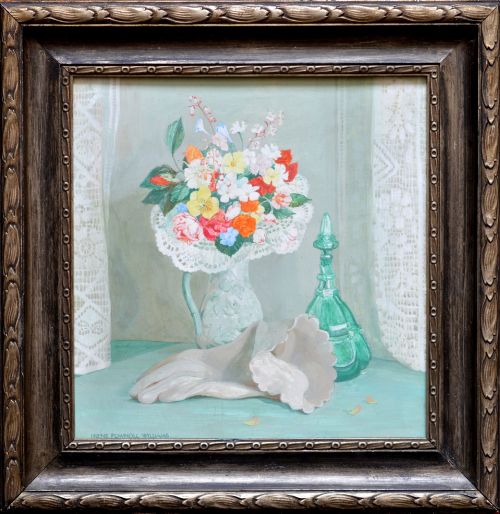
When you search for an antique botanical study framed, you encounter works executed on paper, pith paper, and panel, spanning from the eighteenth century through the mid-twentieth century.
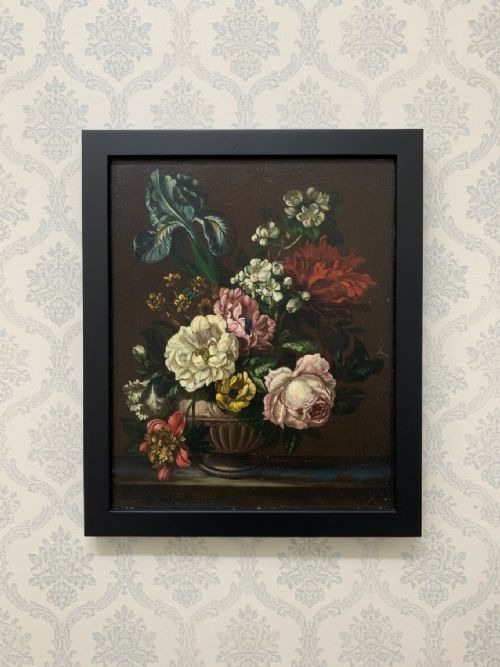
The selections on this page include watercolours, gouaches, oils, and engravings depicting flowers, fruit, and natural specimens.
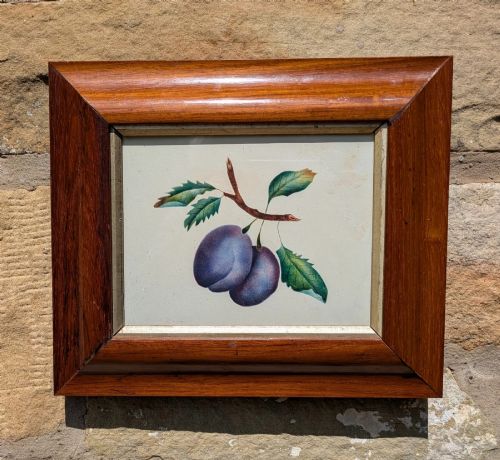
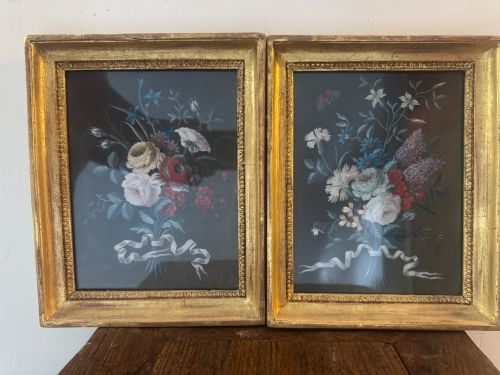
You meet single sheets as well as sets, housed in period frames such as rosewood.
Materials and Technique
Artists painted and drew on paper, pith paper, silk, and wood panels using watercolour, gouache, oil paint, pastel, and pencil.
Many works incorporate multiple media, combining watercolour with gouache or pencil to achieve botanical precision.
Makers housed these studies behind glass within wooden frames, occasionally utilising gilt wood or gold leaf.
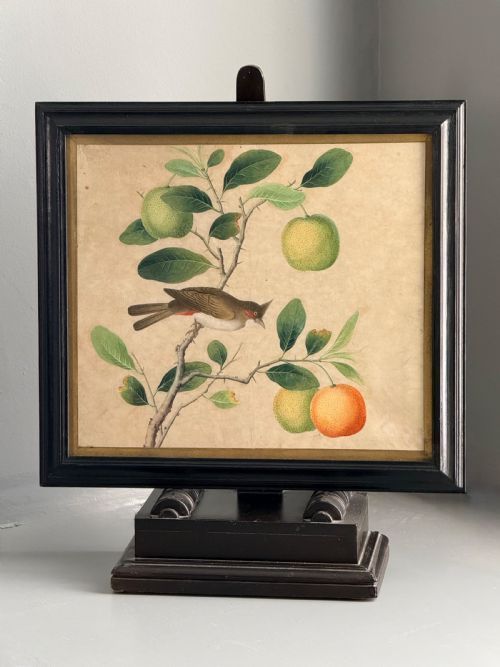
Several botanical and ornithological studies include unexpected animal companions, pairing delicate flowers with butterflies and birds.
Evaluating Quality
The distinction between tiers rests on the precision of the hand and the fidelity of the botanical observation, separating practiced studies from simpler decorative works.
Material support also distinguishes the pieces, with delicate media like gouache on pith paper or fine watercolour on paper requiring careful preservation.
The harmony between the artwork and its period frame contributes to the integrity of the piece.
Irene Christobelle Pownoll Williams·D Hardy·William Thomas Wood·William Andrews Nesfield·Grace Hastie·Marian Chase·L. Wilford·Pierre-Joseph Redouté·Charlotte Isa James·Arthur Wardle·Alice Macallan Swan·John Curtis·Marion Broom·Annie Mary Youngman·John Sherrin·M.K Rhodes·Owen Bowen·Minnie Smythe
The Antique Botanical Study Framed Glossary
- Gouache
- An opaque water-based paint that provides solid, matte colour and allows for fine detail in botanical studies.
- Pith paper
- A delicate material formed from the pith of the Tetrapanax papyrifer plant, commonly used for Chinese export paintings.
- Engraving
- A printmaking technique where an image is incised into a metal plate, enabling multiple detailed botanical impressions.
- Panel
- A flat piece of wood used as a rigid support for oil or tempera paintings instead of canvas.
- Lithograph
- A print produced from a flat stone or metal plate treated to retain ink only in desired areas.
Antique Botanical Study Framed: Frequently Asked Questions
How should I hang framed botanical studies?
Keep them out of direct sunlight to prevent the watercolours, gouaches, and papers from fading over time.
Hang them at eye level in dry rooms to protect the historic paper and wooden frames from moisture damage.
Are these pieces original paintings or prints?
The evidence includes both hand-painted works in watercolour, gouache, and oil, alongside period engravings and lithographs.
Check the individual listing details to identify whether a specific piece is a unique painted study or a printed plate.
What periods do these botanical artworks come from?
The pieces span from the eighteenth century through the Victorian era and into the early and mid-twentieth century.
Georgian, Regency, and Victorian examples sit alongside works from the 1920s and 1930s.
What framing materials are used?
Historic frames often feature wood, including rosewood, as well as gilt wood and gold leaf finishes.
Many pieces retain glass to protect the delicate paper, pith, or canvas surfaces underneath.