



Antique Floral Picture Print
An antique floral picture print brings botanical colour and historic charm to a wall, offering delicate studies of blooms preserved behind glass.
Antique Floral Picture Print
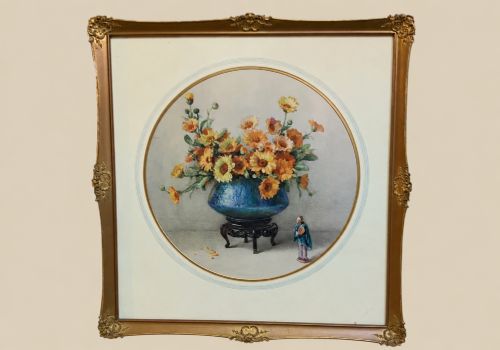
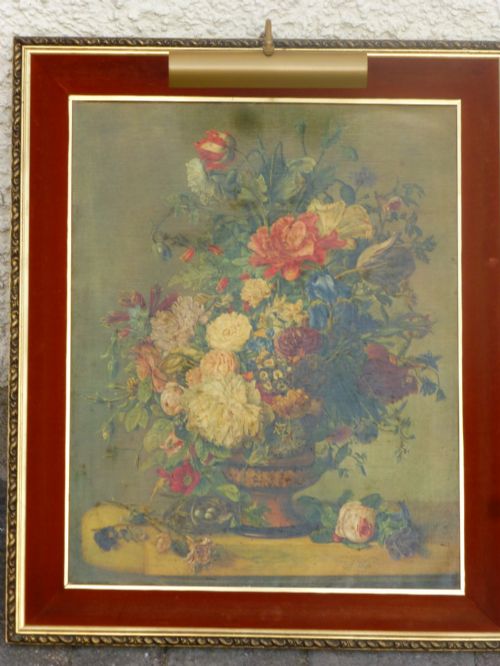
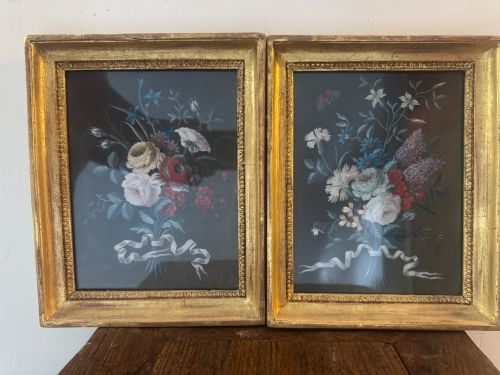
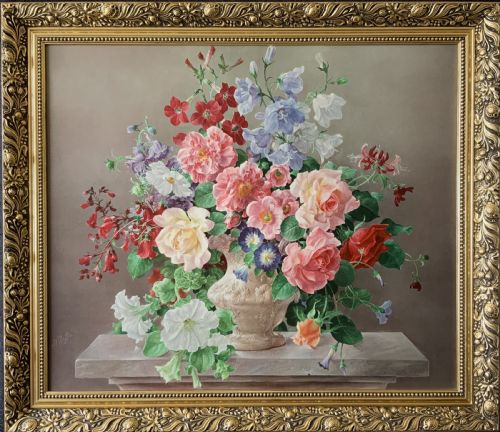
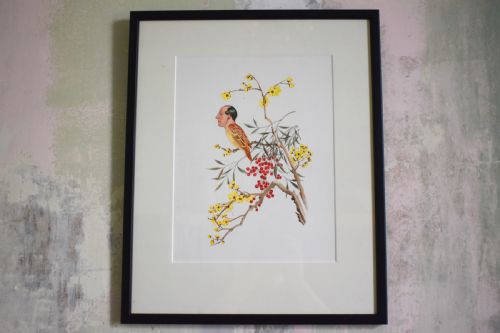
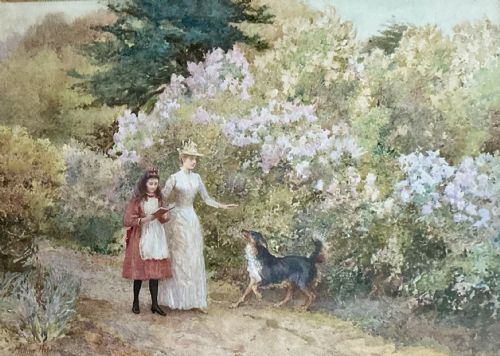
An antique floral picture print encompasses framed botanical studies, still life paintings, and advertising prints spanning the eighteenth, nineteenth, and early twentieth centuries. These artworks capture flowers and garden scenes using paper, watercolour pigment, gouache, and pencil, housed within wood or gilt wood frames.
The selections on this page lean heavily toward nineteenth-century works and early twentieth-century botanical pieces, alongside Georgian carved pine frames. Buyers encounter individual watercolours, pairs of paintings, and sets of studies depicting wallflowers, azaleas, and fruit.
Originating predominantly from English schools and named artists, these wall art pieces function as traditional decorative wall hangings. They preserve natural history illustrations and floral compositions through enduring mediums like paper and glass.
How they were made
Makers utilised delicate watercolours, gouache, and pencil on paper to render botanical studies and still life scenes with fine detail. These pigment applications often combine multiple media to achieve depth in petal and leaf textures.
Many works incorporate gold leaf and gilt wood within the frames, surrounding the paper print or painting with ornate borders. Carved pine frames provide structural housing, protected by glass front panels.
One Pear's advertising print sneaks into the garden party alongside delicate nineteenth-century azaleas and hand-painted fruit.
What varies in quality
The finesse of the brushwork and the precision of the botanical draftsmanship dictate the distinction between standard and superior works. Hand-painted watercolours and gouache studies exhibit greater artistic execution than mass-produced advertising prints.
The integrity and craftsmanship of the surrounding frame, particularly carved pine or gilt wood structures with gold leaf, contribute significantly to the overall calibre of the piece.
Charles Burton Barber·Charlotte Isa James·Jane Utley·Owen Bowen
The Antique Floral Picture Print Glossary
- Gouache
- An opaque watercolour paint consisting of natural pigment, water, and a binding agent such as gum arabic. This medium yields solid flat areas of colour.
- Still life
- An artwork depicting inanimate subject matter, typically featuring fruit or flowers arranged on a surface. These compositions focus on natural forms.
- Gilt wood
- Wood coated with a thin layer of gold leaf or gold paint. This technique enhances picture frames with a reflective, metallic finish.
- Neoclassical
- A style inspired by the classical art and culture of ancient Greece and Rome. It influences the balanced composition found in period frames.
Antique Floral Picture Print: Frequently Asked Questions
What periods do these floral prints cover?
The pieces span from the eighteenth century through the nineteenth century and into the early twentieth century, including Edwardian and 1920s examples.
This broad timeline encompasses Georgian carved frames, Victorian botanical studies, and later twentieth-century mixed media garden scenes.
What materials are used in these artworks?
Artisans utilised paper, watercolour, gouache, and pencil to create the visual imagery on the page.
Frames incorporate wood, carved pine, gilt wood, and gold leaf, with glass protecting the delicate surfaces.
How should I hang framed botanical art?
These wall art pieces arrive as framed artwork ready for interior placement, typically featuring wood or gilt surrounds.
Ensure they hang away from direct moisture to protect the paper, pigments, and glass enclosures.
Are these pieces painted by hand?
Several entries feature hand-painted watercolours and gouache studies created by named artists and regional English schools.
Other listings include advertising prints and mixed media works alongside original painted pairs.