



Vintage Botanical Engraving
These vintage botanical engraving pieces bring natural history study into domestic spaces, offering framed plates and prints that suit traditional and contemporary interiors alike.
Vintage Botanical Engraving
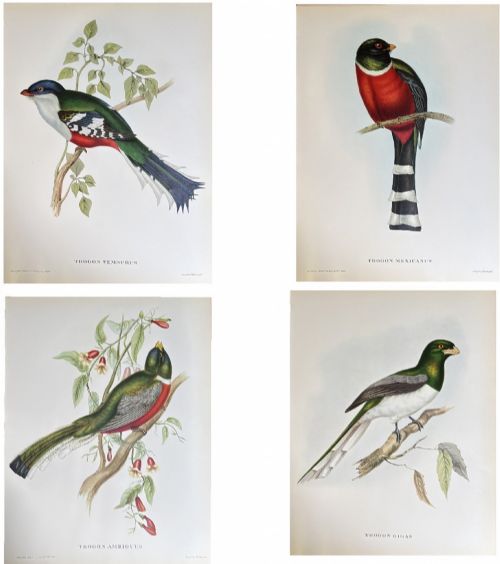
A vintage botanical engraving collection centres on framed prints and wall art depicting plants, flowers, and foliage. These plates originate from various historical periods, including the eighteenth and nineteenth centuries, often capturing precise scientific illustration alongside decorative appeal.
Buyers encounter framed prints and folio sheets produced by notable botanical artists and natural history publications. The selection ranges from single framed works to complete sets of multiple plates depicting botanical specimens alongside insects and plants.
The objects span Georgian, Victorian, and later periods, reflecting changing publication methods and framing choices over time. Paper remains the primary support, often enhanced with hand colouring applied over the printed line work.
Materials and methods
Plates were produced using copper or steel printing plates, where ink was pressed into engraved lines and transferred to paper under pressure. Artisans frequently applied watercolour by hand to individual prints after the initial impression was made.
Paper supports vary in weight and tone, reflecting the age of the publication from which the plates originated. Framing materials such as wood and glass protect the delicate paper surfaces while providing structural support for hanging.
Several botanical plates secretly include tiny insects crawling among the petals, giving observant buyers extra creatures to spot.
Evaluating quality
Quality rests upon the crispness of the engraved line and the precision of the hand colouring applied to the sheet. Early impressions taken before the printing plate wore down display sharper detail in the plant structures and secondary elements like insects.
The condition of the paper surface significantly influences the overall merit of the piece. Clean margins, minimal foxing, and stable pigmentation indicate careful preservation over centuries, whereas excessive toning or moisture damage diminishes visual harmony.
Pancrace Bessa·John Curtis·Georg Wolfgang Knorr·George Dionysius Ehret
The Vintage Botanical Engraving Glossary
- Engraving
- A printmaking technique where an artisan cuts lines directly into a metal plate with a burin to hold ink. This process yields sharp, precise botanical details.
- Hand coloured
- The application of watercolour or tint by hand to a printed monochrome image. This enhances the natural appearance of plant specimens on the paper plate.
- Foxing
- Brown spots caused by chemical reactions in ageing paper exposed to humidity. These marks frequently appear on older book leaves and prints.
- Plate mark
- The indentation left on paper by the edge of a printing plate under heavy press pressure. Its presence confirms an authentic intaglio print impression.
- Framed art
- Works mounted behind glass within a protective border for display. This method shields fragile paper from dust and environmental handling.
Vintage Botanical Engraving: Frequently Asked Questions
How should I hang botanical engravings?
Hang these framed works out of direct sunlight to prevent the paper from fading and the watercolours from losing their original vibrancy.
Group matching sets in symmetrical arrangements to maintain balance on larger wall surfaces.
Are these prints original period plates?
The listings comprise authentic historical plates sourced from contemporary natural history publications and botanical folios rather than modern reproductions.
Examine the paper characteristics and plate marks to verify the production period of each individual sheet.
Can I remove prints from their frames?
Removing old paper from vintage frames risks damaging the fragile margins and historical backing materials.
Leave the framing undisturbed unless conservation mounting by a professional specialist is strictly necessary.
How do I identify hand coloured plates?
Look closely at the pigment application to find subtle brush strokes and slight variations that distinguish manual tinting from flat mechanical printing.
Hand colouring often sits visibly on top of the dark engraved lines rather than blending uniformly into the ink.