


Wood Framed Botanical Art
Wood framed botanical art brings natural history into rooms through watercolours, engravings and oils enclosed in timber.
Wood Framed Botanical Art
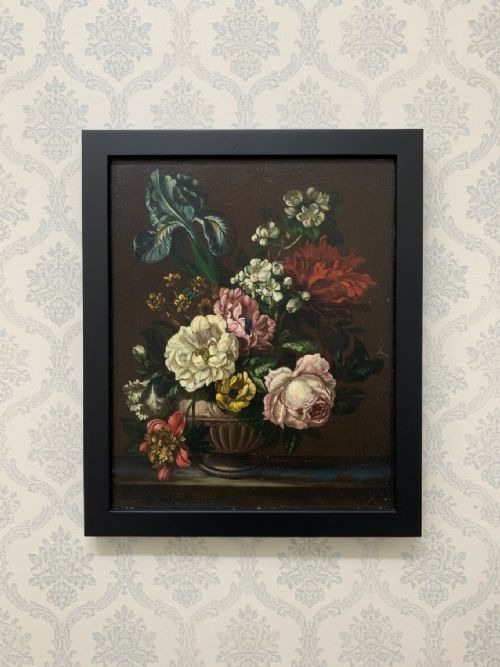
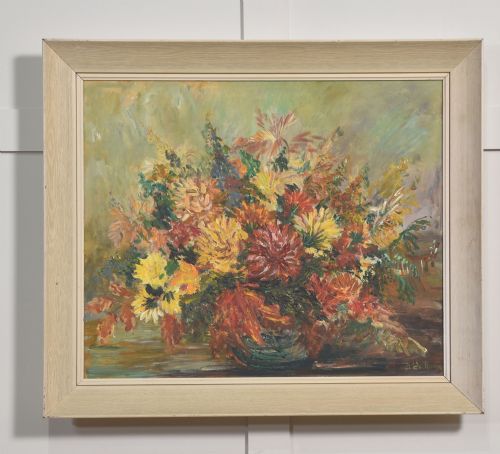
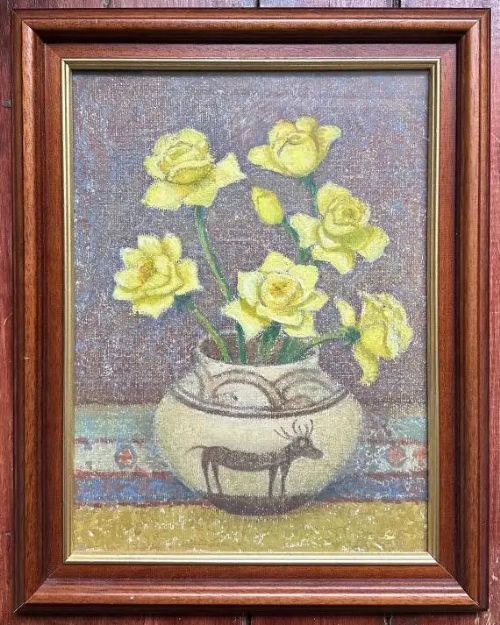
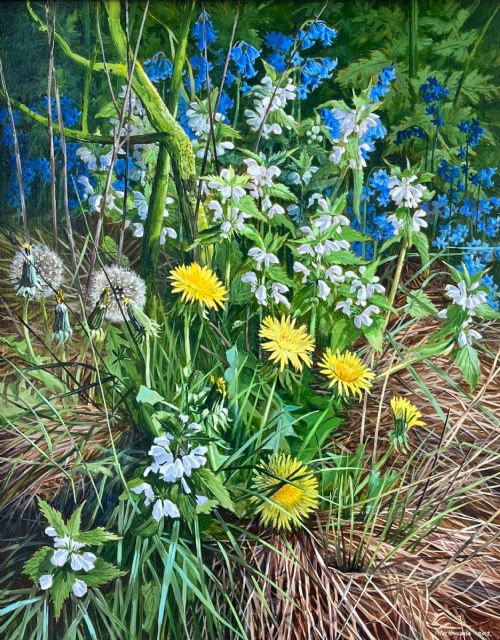
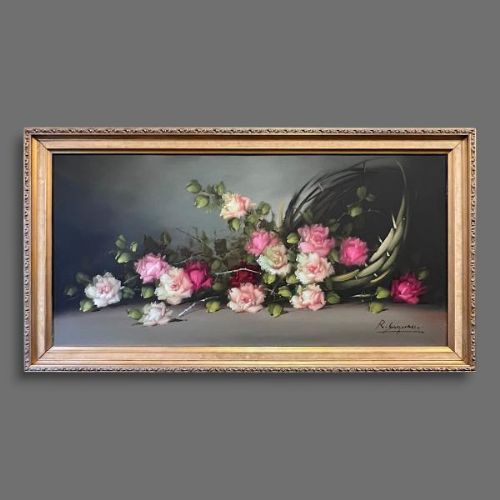
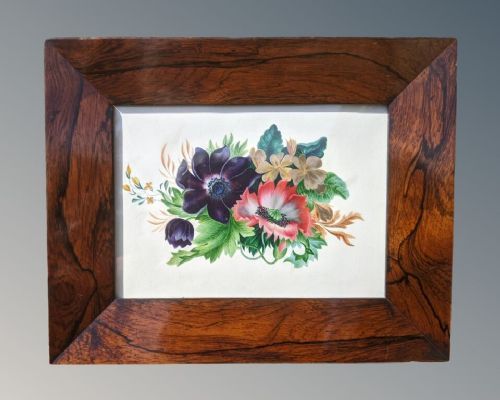
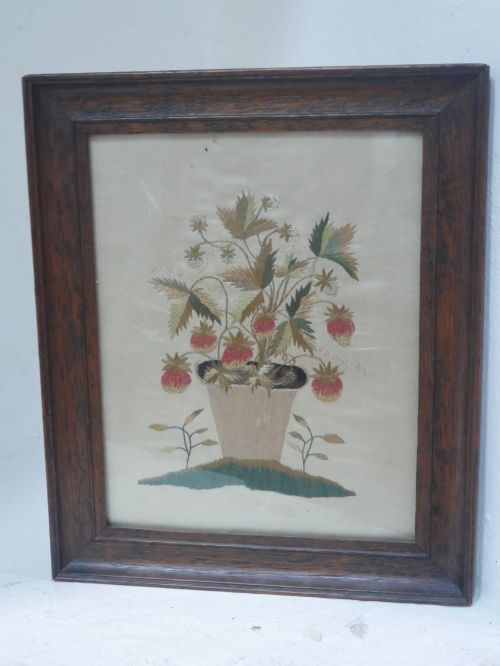
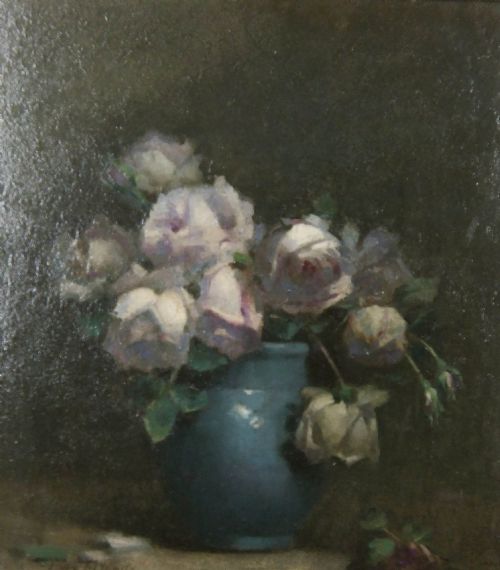
Wood framed botanical art spans watercolours, engravings and oil paintings depicting flowers, plants and natural specimens housed in timber surrounds. Buyers find pieces ranging from nineteenth-century watercolours in rosewood frames to mid-century tempera and oil works.
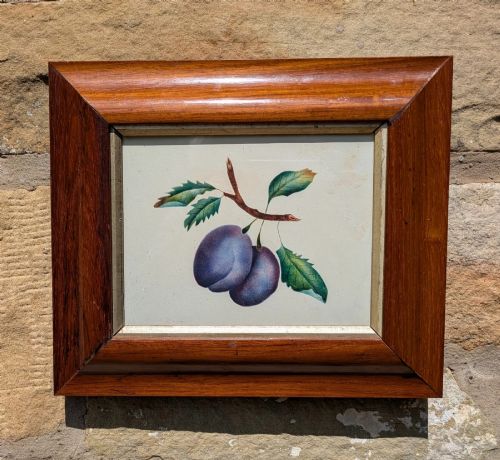
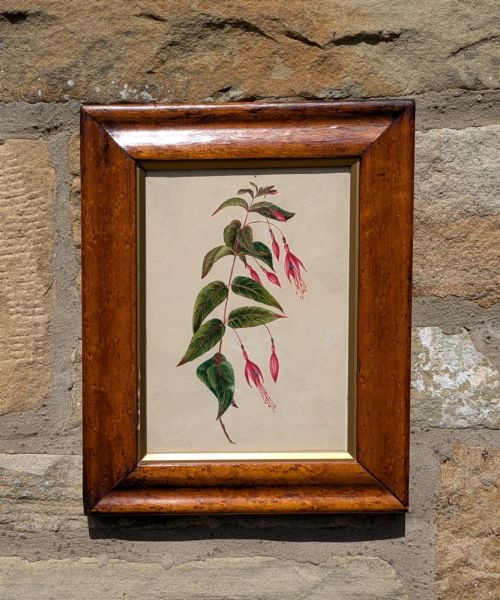
The selections include individual watercolours of plums and fuchsias alongside sets of nineteenth-century engravings by artists such as John Curtis. Period framing varies from simple moulded timber to ornate Victorian mouldings and folk art surrounds.
Origin dates stretch from the nineteenth century through the nineteen-fifties, with subjects covering floral still lifes, herbarium specimens and detailed studies of flora and fauna.
Materials and construction
Works are executed on paper, canvas and wood panels using watercolours, oils, ink and tempera. Botanical watercolours and gouache meet paper supports, while heavier compositions utilise oil paint on canvas or panel.
Frames are constructed from wood, occasionally incorporating rosewood or folk art carpentry to house the paper prints, engravings and painted surfaces behind glass.
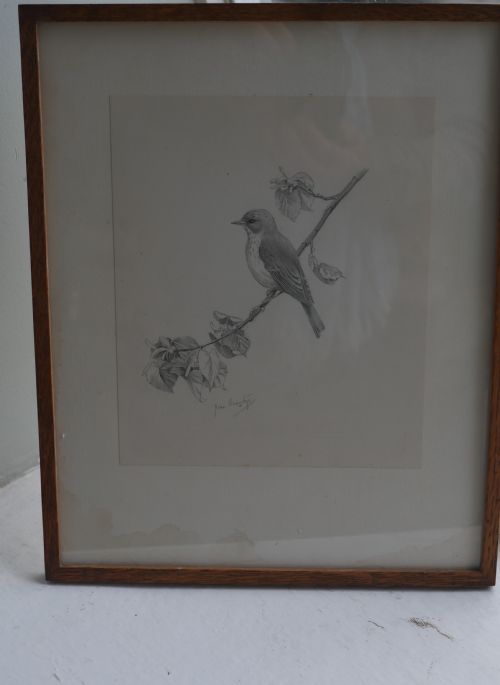
Listings feature watercolours, oil paintings, engravings and pencil drawings spanning the nineteenth and twentieth centuries.
Evaluating quality
Quality rests upon the precision of the botanical draftsmanship and the harmony between the artwork and its timber frame. Hand-coloured engravings and accomplished watercolours display sharper botanical accuracy than standard decorative prints.
The integrity of the original framing, whether rosewood, moulded period timber or folk art construction, influences the overall character and preservation of the piece.
D L Williams·Emma Fordyce MacRae·Peter Newcombe·Catherine Thomas·William Thomas Wood·James Tower·Alice Anne Renshaw·Stuart Armfield·John Curtis·Beatrice Parsons·Herbert Davis Richter
The Wood Framed Botanical Art Glossary
- Engraving
- A printmaking technique where an image is incised onto a metal plate to produce fine linear details on paper. These sheets often formed part of nineteenth-century botanical publications.
- Watercolour
- A paint consisting of pigment suspended in a water-soluble binder, applied to paper to create translucent botanical studies. Artists utilised this medium for detailed depictions of flora and foliage.
- Tempera
- A permanent, fast-drying painting medium consisting of coloured pigment mixed with a water-binding agent. Mid-century artists employed this for flat, matte floral compositions.
- Herbarium
- A collection of preserved plant specimens and associated data used for scientific study. Framed examples mount these botanical specimens directly behind glass.
Wood Framed Botanical Art: Frequently Asked Questions
What periods do these pieces cover?
The selection includes works originating from the nineteenth century, alongside pieces dated through the nineteen-fifties and nineteen-sixties. Earlier examples incorporate nineteenth-century engravings and watercolours.
Later items extend into mid-century oil paintings and tempera works, reflecting changing domestic interior styles across different decades.
How were these botanical artworks displayed?
Pieces are housed within wooden frames, ranging from rosewood surrounds to folk art constructions and ornate period mouldings. Many works on paper are protected behind glass.
Framing materials were chosen to complement the domestic setting and to protect fragile watercolours, engravings and herbarium specimens from environmental wear.
What subjects appear in the artwork?
Subjects focus on natural history, featuring floral still lifes, roses, fruit studies and individual plant portraits. Engravings often document specific botanical species alongside insects.
Other compositions include ornithological bird studies and framed flower pressings, capturing the Victorian and mid-century interest in natural observation.
How do I identify different types?
Identification relies on examining the medium, whether watercolour, oil paint, tempera or engraved lines on paper. Signatures and stylistic traits point towards specific periods.
Frame construction and backing materials also offer clues to age, distinguishing nineteenth-century framing methods from mid-century approaches.