





Framed Floral Etching
These framed floral etching examples bring delicate botanical detail to glass and mirror surfaces, offering a touch of period charm for your wall.
Framed Floral Etching
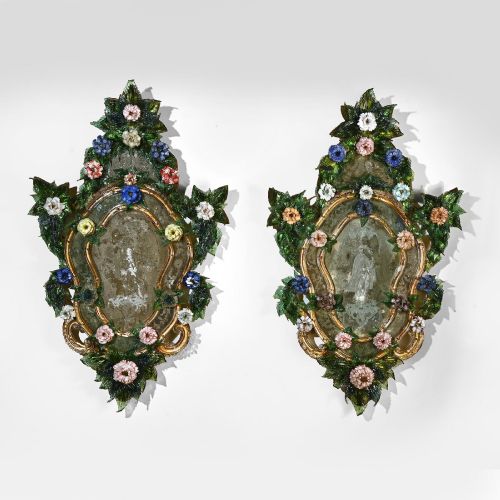
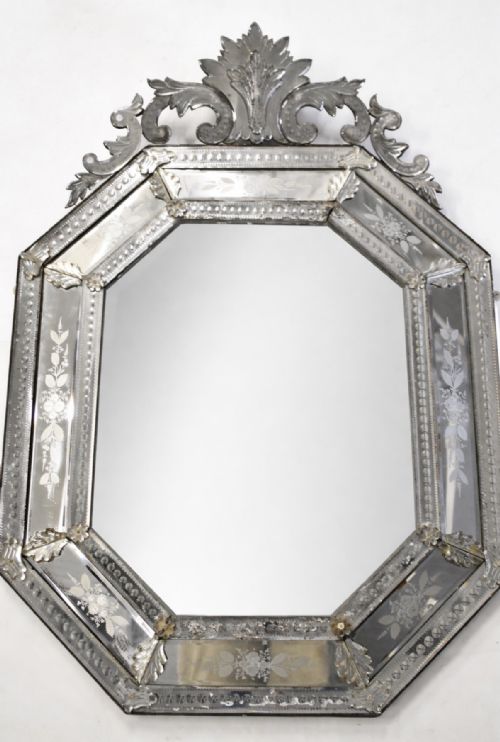
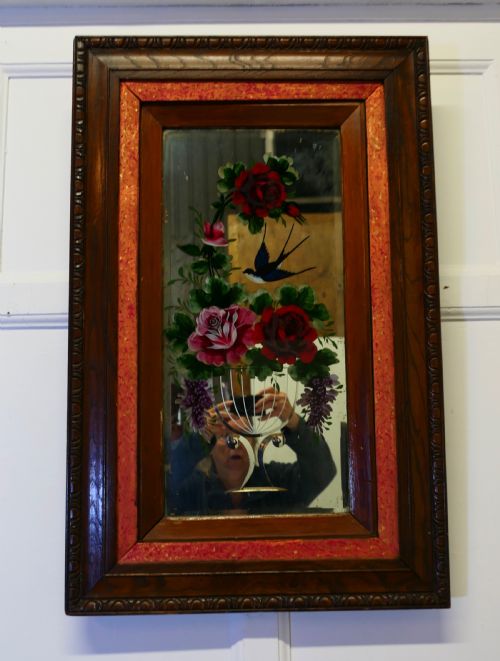
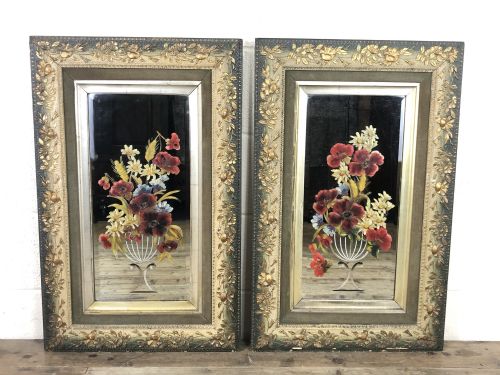
A framed floral etching typically manifests as decorative mirrors and fire screens bearing delicate botanical ornamentation. You will frequently encounter Venetian mirrors and Victorian glass panels among these selections.
The objects span centuries from the eighteenth century through the Edwardian era and into the nineteen thirties. Wall mirrors and fire screens represent the primary forms available in this category.
Venetian origins feature prominently alongside Victorian reverse painted examples decorated with roses. These pieces combine functional glass surfaces with intricate floral acid work or painting.
How they were made
Craftsmen utilised glass, mirror glass, and silvered glass as the primary canvases for these floral designs. Wood, gilt wood, and brass formed the structural frames that housed the delicate plates.
Techniques combined traditional glass cutting and beveling with reverse painting and etching. Murano glass production methods also contributed to the elaborate construction of the Venetian mirrors.
Listings feature items spanning the eighteenth century, nineteenth century, Edwardian period, and nineteen thirties.
What varies in quality
The sophistication of the etched botanical motifs and the clarity of the glass plates separate standard examples from finer works. Hand-cut bevelling and nuanced foxing on older mirror plates indicate superior craftsmanship.
Frame construction also dictates overall quality, with intricate gilt wood or substantial brass housings elevating the piece. The depth and precision of the floral etching remain central to the visual success of each item.
The Framed Floral Etching Glossary
- Etching
- A technique where acid bites into the glass surface to create permanent decorative lines and floral patterns. This method allows for fine botanical details that define the aesthetic of the piece.
- Foxing
- The natural ageing process in mirror glass that appears as small dark spots or discoloration. Collectors often appreciate genuine foxing as a sign of considerable age.
- Veneer
- A thin layer of wood applied to a finer or coarser underlying structure. Gilt wood frames frequently utilise this method to achieve a decorative metallic finish.
- Bevelled plate
- Glass edges that are cut and polished to an angle thinner than the rest of the pane. This feature adds depth and refracts light across the mirrored surface.
Framed Floral Etching: Frequently Asked Questions
What is a framed floral etching?
It is a decorative glass or mirror piece featuring botanical designs created through acid biting or etching techniques. These items are typically housed in wooden, gilt, or brass frames.
They serve primarily as wall mirrors or decorative fire screens, combining practical reflective qualities with intricate floral artistry.
How do I date these pieces?
Dating relies on examining the frame style, the type of glass, and the manufacturing techniques used. Characteristics such as eighteenth-century Venetian forms or Victorian reverse painting provide clear chronological markers.
Evidence of hand-bevelling and natural foxing on the glass plate also helps determine the approximate age of the item.
Where were Venetian mirrors made?
Venetian mirrors originated in Italy, particularly around Venice and the island of Murano. These pieces are renowned for their intricate glasswork and ornate decorative frames.
Makers utilised specialised glass-blowing and etching traditions that have endured for centuries.
How do I care for antique glass?
Clean the glass surfaces gently with a soft cloth and avoid harsh chemical cleaners that might damage the etching or silvered backing. Protect the frame material, whether wood, gilt, or brass, from excessive moisture.
Handle antique mirror plates with care to preserve their delicate bevels and aged foxing.