



Crackle Glaze Vase
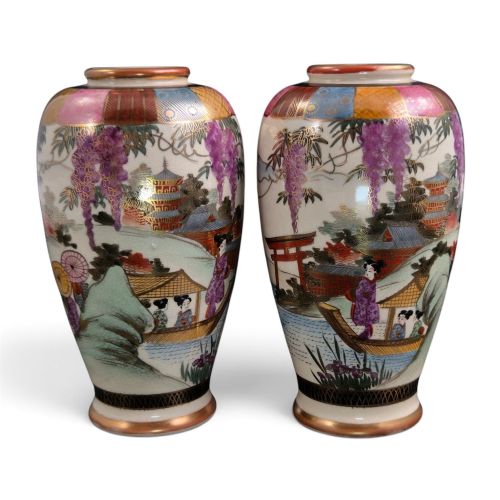
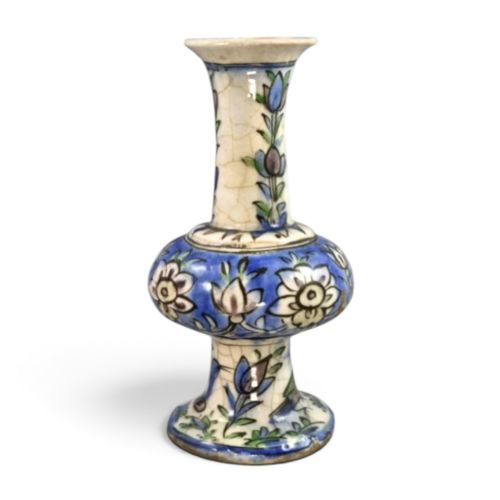
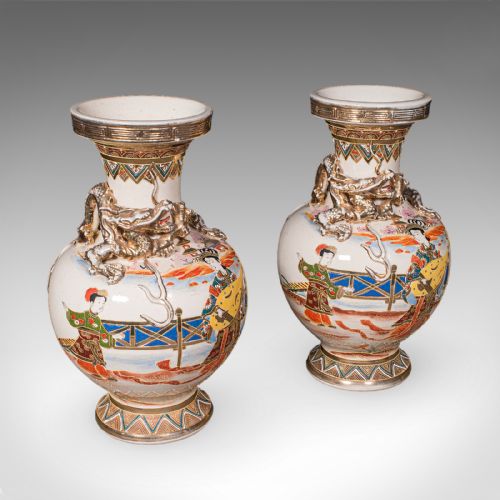
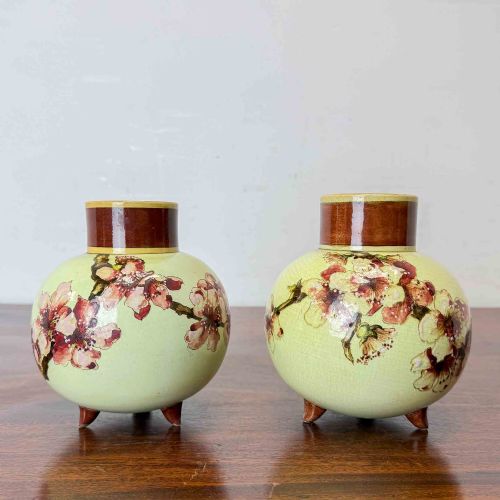
A crackle glaze vase brings intricate surface networks and historic ceramic depth to a room.
Crackle Glaze Vase
The pieces on this page span the nineteenth and early twentieth centuries, encompassing Victorian, Edwardian, Meiji, Taisho, and Showa periods. Buyers will find baluster shapes, ginger jars, garnitures, and table lamps adapted from traditional bodies, reflecting both Chinese imperial traditions and Japanese Kyoto or Kobe ceramic artistry.
How they were made
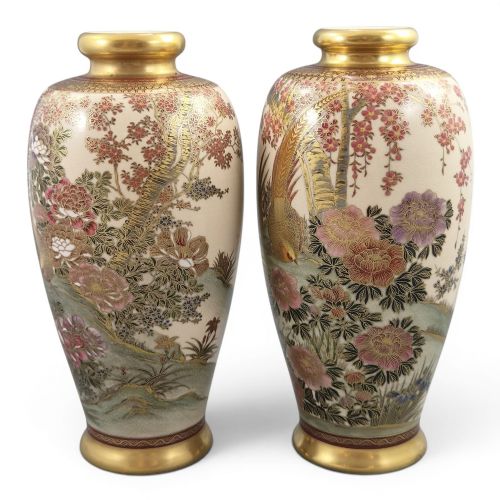
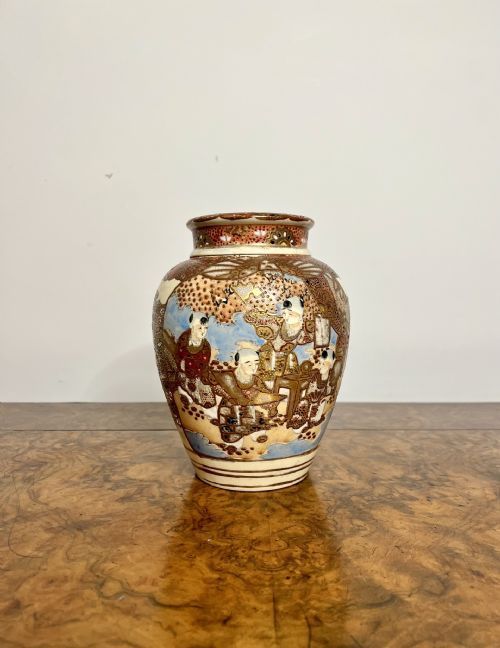
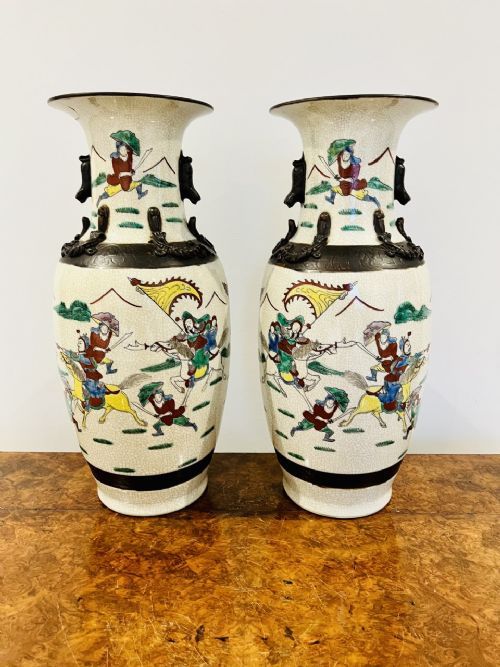
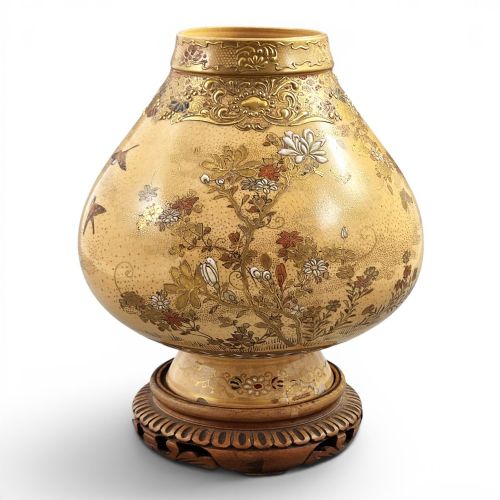
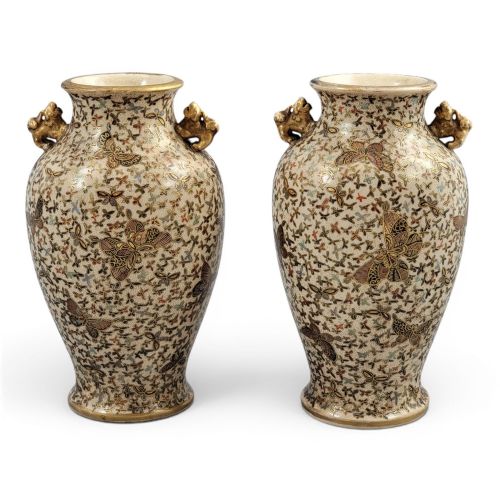
Potters achieved the signature network by applying a silica-based glaze that matures at a different rate than the earthenware or porcelain body beneath, creating controlled crazing across the surface. Artisans then frequently enhanced these vessels using polychrome enamels, delicate brushwork, and applied gold leaf to highlight figural processions, landscapes, and floral motifs.
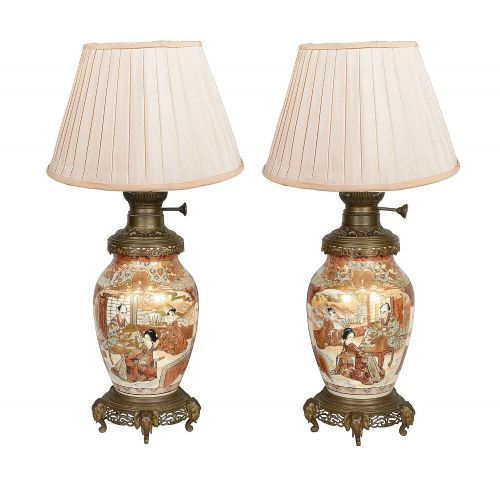
Many Japanese and Chinese works integrated brass mounts or were later converted into lamps, combining ceramic potting techniques with metalwork and wiring. The foundational materials recorded include ceramic, porcelain, earthenware, and glaze, supported occasionally by subsidiary elements such as enamel and gold leaf.
The selection includes traditional forms such as baluster vases, ginger jars, garnitures, and twin-handled vessel lamps.
What varies in quality
The distinction between ordinary and exceptional pieces rests upon the crispness of the painted detail and the balance of the crackle network across the form. Superior examples display finely controlled crazing that integrates harmoniously with hand-painted court figures, landscapes, or floral designs rather than dominating the composition.
Workshops such as Kinkōzan or makers like Chosei and Manpei produced pieces where the precision of the gilding and the depth of the enamel work elevate the vessel above standard production pieces. The integration of signatures, provenance, and the overall weight and proportion of the ceramic body further differentiate the finer items in the range.
Manpei·Kinkōzan Workshop·Chosei·Seiko-en Chokei·Hattori
The Crackle Glaze Vase Glossary
- Crazing
- The formation of a fine network of cracks in the glaze caused by differential contraction during cooling in the kiln. This intentional or natural effect defines the visual texture of the surface.
- Satsuma
- A type of Japanese earthenware originating from Satsuma Province, typically characterised by an ivory-coloured, crackled glaze richly decorated with enamels and gilding. It became immensely popular for export during the Meiji period.
- Baluster
- A vase shape with a rounded body that tapers toward a narrow neck and flares slightly at the base, resembling an architectural baluster. It provides a balanced canvas for painted panels.
- Celadon
- A term for ceramics denoting a pale green glaze imitating jade, often featuring a subtle crackle network. It has ancient roots in Chinese kiln traditions.
- Moriage
- A decorative technique in Japanese ceramics where slip is piped onto the surface like cake icing to create raised dots or outlines before glazing and gilding. It adds tangible relief to floral and figural designs.
Crackle Glaze Vase: Frequently Asked Questions
What causes the crackle effect?
The crackle effect results from a deliberate tension mismatch between the ceramic body and the outer glaze during the cooling stage inside the kiln. As the piece cools, the glaze contracts at a different rate, forming the characteristic web of fine lines.
Potters could control this crazing to varying degrees, sometimes rubbing dark pigments into the fissures afterward to accentuate the pattern against a celadon or white ground.
How do I date a Satsuma vase?
Dating relies heavily on stylistic shifts, workshop signatures, and the historical context of the Meiji and Taisho periods. Earlier nineteenth-century examples often display denser, more restrained hand-painted palettes, whereas later export pieces can feature heavier gilt work and moriage.
Many fine pieces bear painted or impressed artist and studio marks on the base, helping to connect them to documented Kyoto or Kobe makers.
Were these vases made for export?
A large proportion of nineteenth-century Satsuma and crackleware ceramics were produced specifically for Western export markets following the opening of Japanese trade ports. European buyers developed a strong appetite for ornate, hand-painted Japanese wares and Chinese blue and white porcelain.
These items frequently combined traditional domestic potting techniques with decorative schemes tailored to Victorian and Edwardian tastes.
Can these vases be used as lamps?
Many antique vases were converted into table lamps during the twentieth century, often utilising the original ceramic body alongside brass fittings and fabric shades. This adaptation allowed historic vessels to function safely in domestic interiors while preserving the decorative artwork.
Collectors find both converted pieces and pristine vases that retain their original form as standalone decorative objects.