
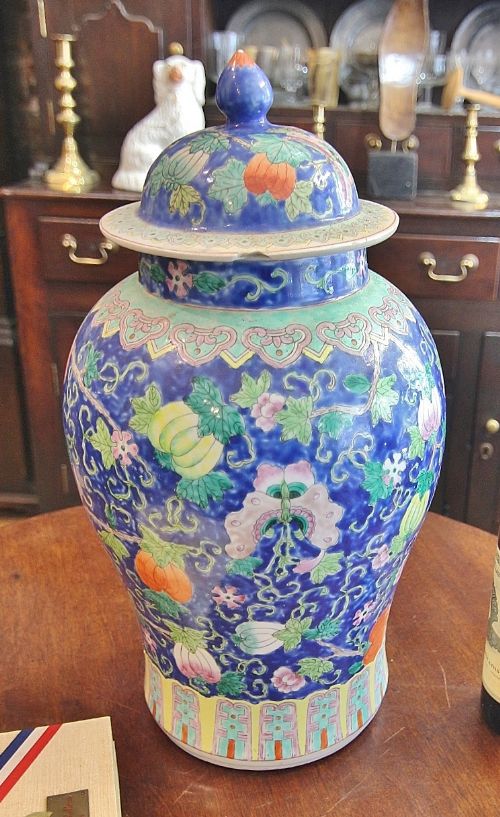


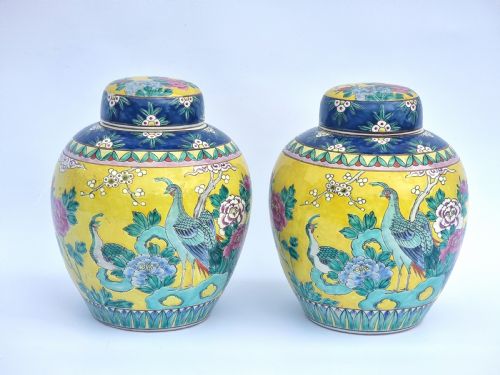


Covered Temple Jar
A covered temple jar stands as a striking ceramic vessel for display, offering a tangible connection to historical East Asian craft.
Covered Temple Jar
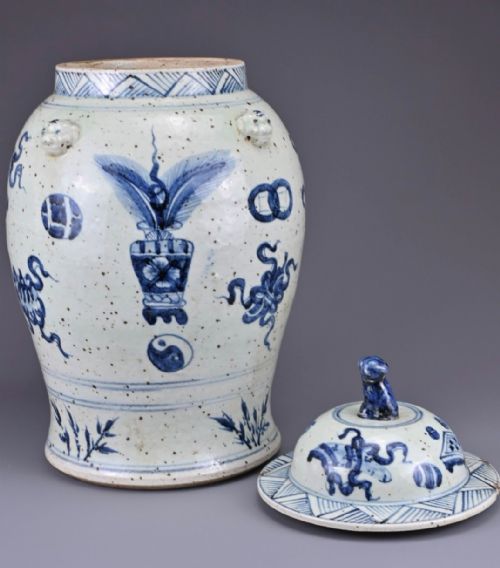
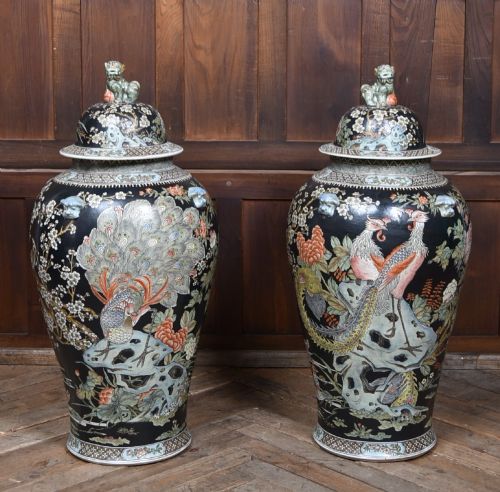
When you search for a covered temple jar, you encounter ceramic vessels designed with removable lids, often described across listings as lidded vases or ginger jars. These items emerge predominantly from nineteenth-century Japanese workshops utilising the Imari palette, alongside seventeenth- and eighteenth-century Chinese blue and white porcelain pieces. The forms range from standard baluster profiles to monumental floor jars, reflecting centuries of decorative arts traditions.
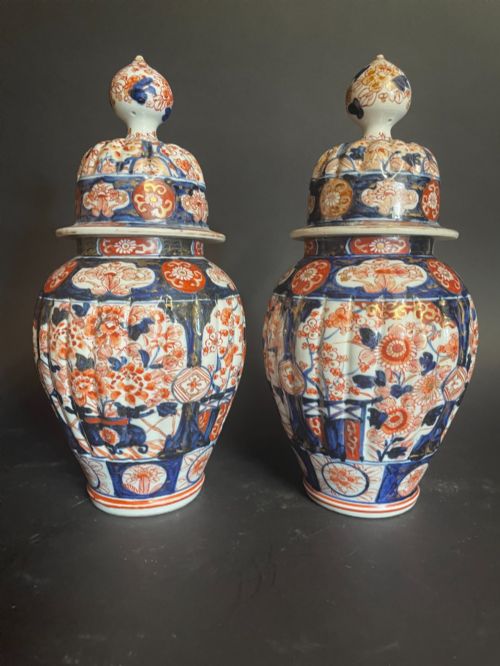
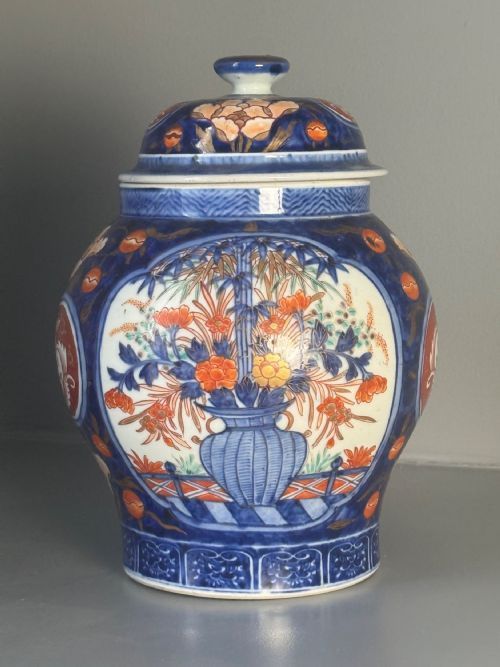
You are most likely to meet nineteenth-century Japanese Imari examples on this page, frequently rendered in cobalt blue, iron red, and gilt highlights on porcelain. Alongside these, Chinese blue and white porcelain jars spanning the seventeenth to nineteenth centuries appear regularly, alongside Satsuma, Kutani, and cloisonne pieces with matching covers.
How they were made
The makers utilised high-fired porcelain and earthenware as the primary body materials, shaping them on the wheel or moulding them into baluster and octagonal forms. Artisans then applied underglaze cobalt blue, enamel colours, and gold leaf before subjecting the vessels to kiln firings to fuse the decoration.
Certain examples incorporate metalworking techniques, utilising copper wires for cloisonne pieces or mounting porcelain bodies in cast ormolu and brass. These complex manufacturing steps combine ceramic throwing, meticulous hand painting, and metal craftsmanship.
The inventory spans multiple periods, including the Victorian era, Edwardian years, Qing Dynasty, and Meiji period.
What varies in quality
The distinction between standard production and top-tier pieces rests on the precision of the hand-painted brushwork and the vibrancy of the enamel and gilding applications. Superior examples display crisp outlines, deep saturated palettes, and harmonious compositions that demonstrate exceptional technical mastery.
The integrity of the matching cover and the complexity of the vessel shape, such as octagonal baluster forms rather than standard cylinders, also elevate a piece. Artisanal signatures from named workshops further denote higher execution levels.
Yamashu
The Covered Temple Jar Glossary
- Imari
- A style of Japanese porcelain featuring a palette of underglaze blue, iron red, and gilding. This decorative tradition originated in Arita and gained immense popularity for export.
- Baluster
- A vase form characterised by a swollen lower portion and a narrower neck. This profile provides stability and a balanced canvas for intricate painted scenes.
- Cloisonne
- An enamelwork technique where metal wire creates compartments on a base to hold coloured pastes. The piece is then fired and polished to a smooth finish.
- Satsuma
- A type of earthenware from Japan featuring a crackle glaze decorated with polychrome enamels and gold. It typically depicts detailed figurative or landscape scenes.
- Ormolu
- Gilded bronze mounts applied to furniture and decorative ceramics. French makers frequently added these metal collars and handles to imported Asian porcelain.
Covered Temple Jar: Frequently Asked Questions
What is a covered temple jar used for?
These vessels originally served to store spices, medicinal herbs, or aromatics, functioning as functional containers in domestic and commercial spaces.
Over time, collectors and interior designers repurposed them purely as decorative display objects to anchor mantelpieces or large tables.
How do I identify a Japanese Imari jar?
Japanese Imari pieces typically feature a distinct tripartite colour scheme combining deep cobalt blue underglaze, iron red overglaze, and gold leaf accents.
They often depict floral arrangements, landscapes, or traditional motifs on a fine porcelain body dating from the Edo period onward.
How should I display a large floor jar?
Monumental jars require secure placement on sturdy surfaces or directly on the floor away from high-traffic household areas.
Pairing them with supportive furniture like low wooden stands elevates the piece and protects the ceramic base from direct impact.