
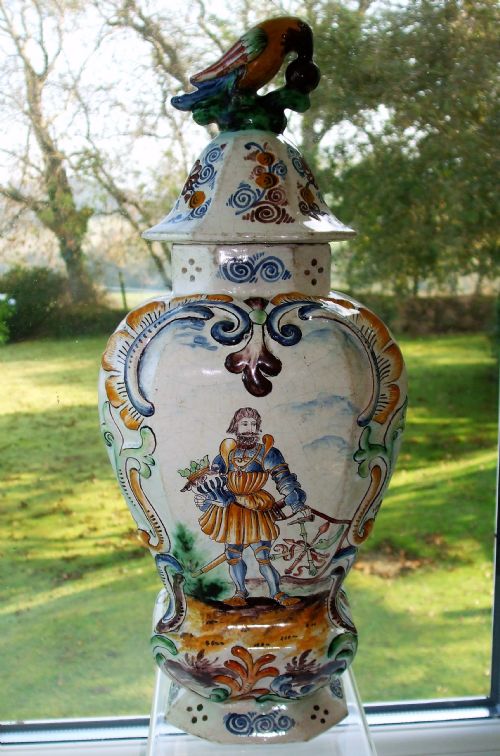
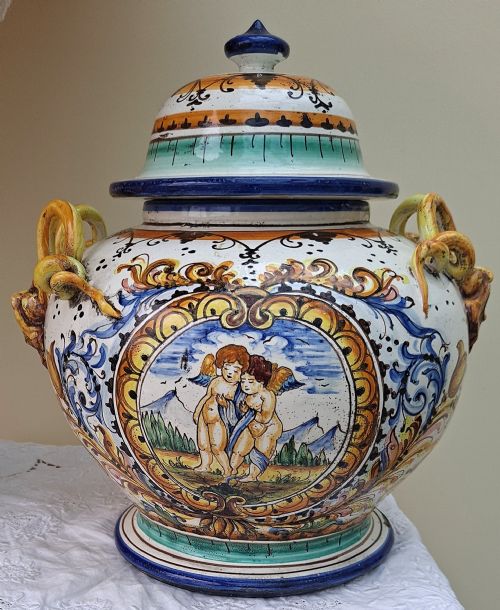
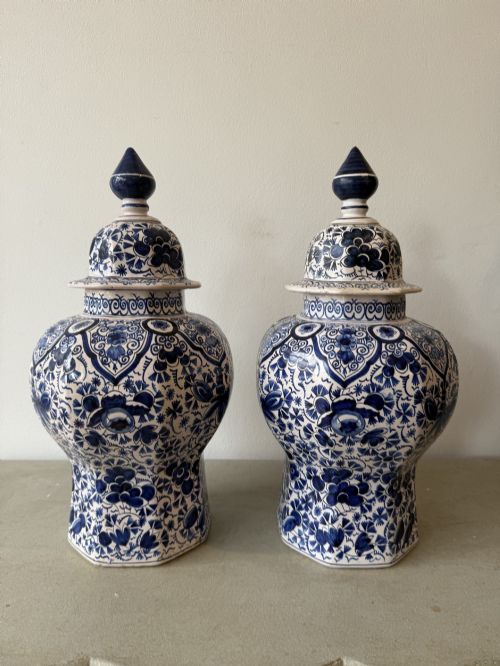
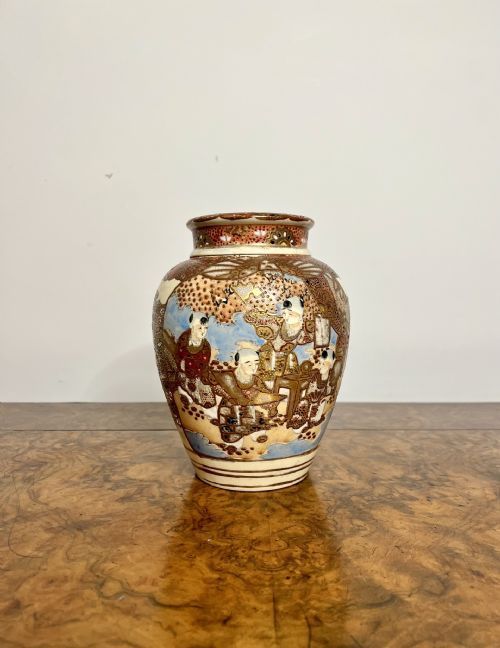
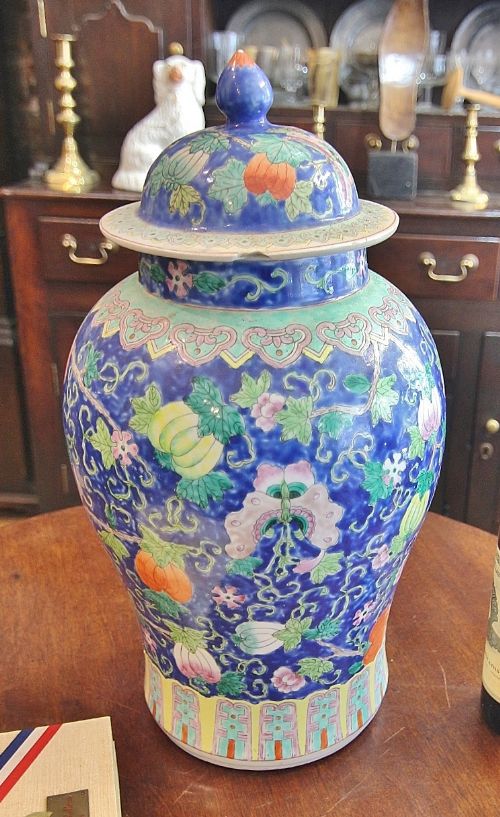


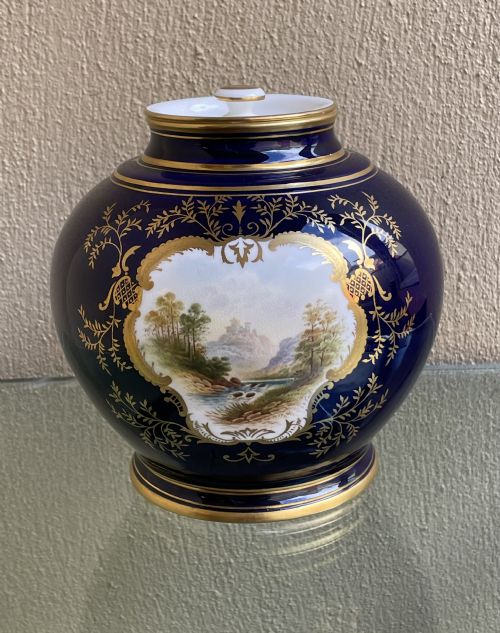
Covered Ginger Jar
A covered ginger jar brings a sculptural form and rich hand-painted detail into a room, offering both decorative presence and traditional storage.
Covered Ginger Jar
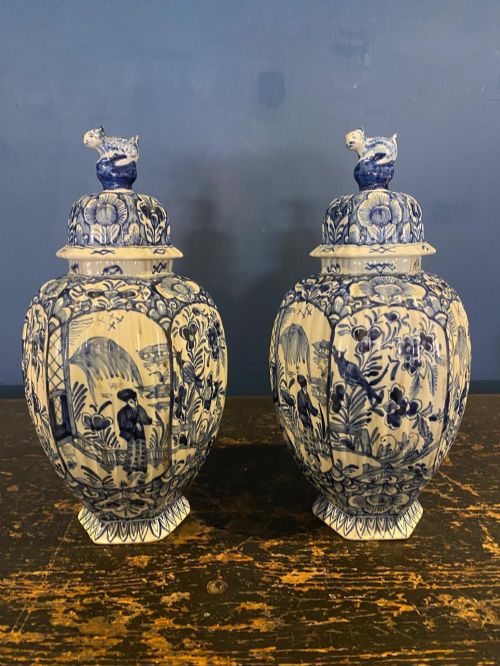
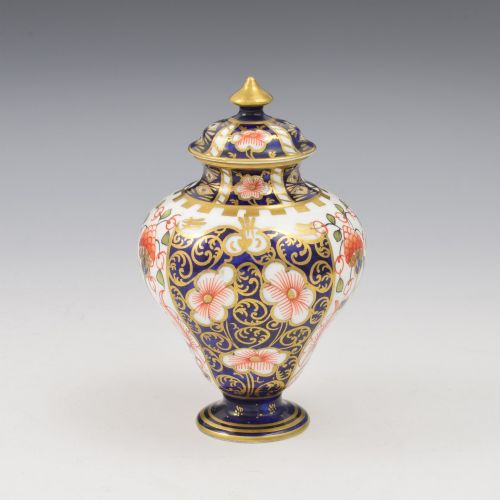
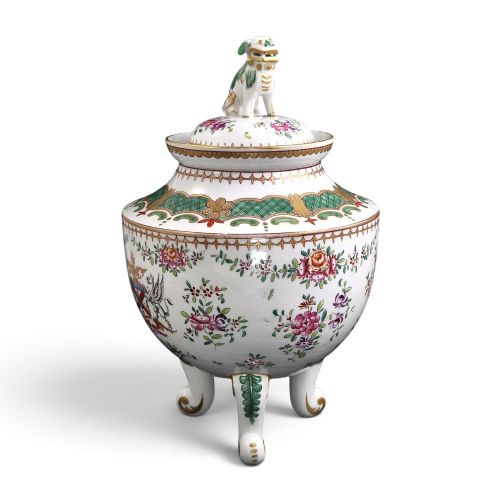
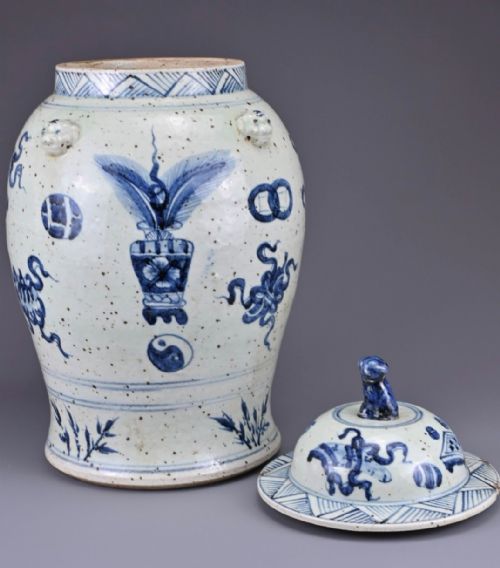
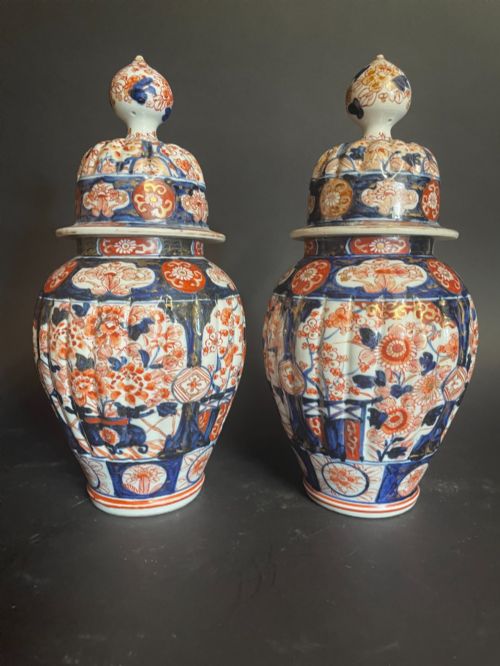
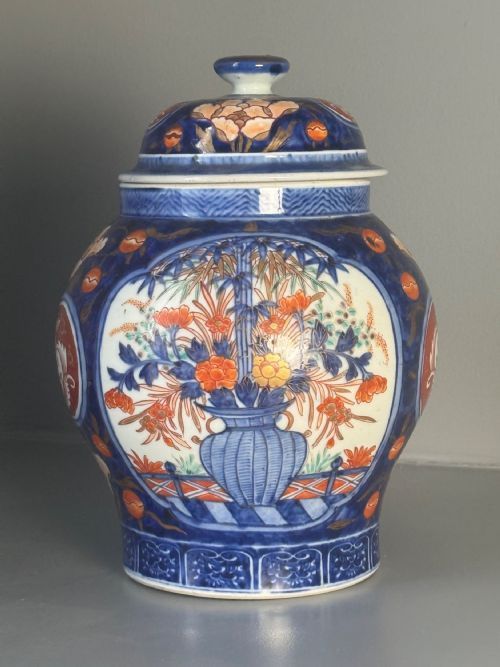
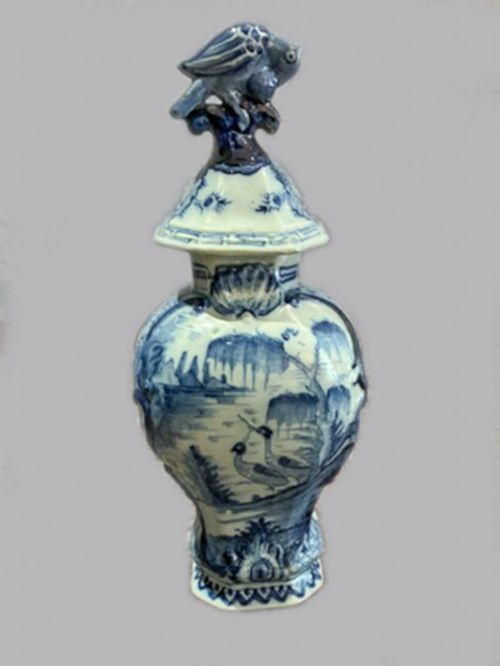
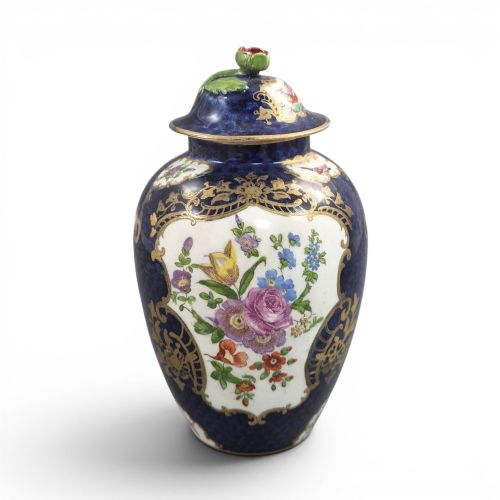
On this page, buyers frequently encounter Japanese Imari examples from the nineteenth century, alongside Chinese porcelain and earthenware pieces spanning the eighteenth to the twentieth centuries. European interpretations from English potteries and Dutch delftware also appear regularly among the listings.
These jars range from modest cabinet miniatures to large floor-standing vessels decorated with blue and white cobalt, polychrome enamels, or gilt motifs. Formats include baluster, ovid, and octagonal silhouettes created for display on mantelpieces or side tables.
How they were made
Makers shaped these containers from porcelain, earthenware, or ironstone, often throwing the clay on a potter's wheel or casting it in moulds before firing. Glazes such as tin-glaze, powder blue, or clear porcelain finishes were applied to seal the body and provide a smooth canvas for decoration.
Decoration relied on hand-painting using cobalt blue, enamel colours, and gold leaf gilding, sometimes enhanced with ormolu mounts. Firing took place in kilns at high temperatures to vitrify the ceramic body and fuse the surface pigments.
Some jars wear their travels proudly, having spent centuries guarding spices before retiring to a quiet life on a Victorian mantelpiece.
What varies in quality
Quality depends upon the precision of the potting, the crispness of the hand-painted brushwork, and the complexity of the palette. Pieces exhibiting finely detailed enamel work, rich gilding, and well-balanced proportions demonstrate superior craftsmanship compared to simpler production wares.
The survival of the original matching lid significantly influences the desirability of a covered ginger jar, as replacements alter the integrity of the piece. The depth of the glaze colour and the clarity of underglaze blue painting also distinguish standard examples from exceptional ones.
Royal Crown Derby·Samson Paris·Coalport·Mason’s Ironstone·Fielding’s Crown Devon
The Covered Ginger Jar Glossary
- Imari
- A style of Japanese export porcelain characterised by a palette of underglaze blue, iron red, and gilt. It takes its port of shipment name and dates back to the Edo period.
- Baluster
- A vase or jar shape with a rounded lower body that tapers towards a narrow neck and flares slightly at the rim. This silhouette provides stability and visual balance.
- Tin-Glazed Earthenware
- Pottery covered with a white tin oxide glaze that becomes opaque upon firing, providing an absorbent surface for painted designs. This technique is typical of Delftware and maiolica.
- Ormolu
- Gilded bronze mounts applied to the base or rim of a ceramic vessel for decorative enhancement. French and English makers utilised these metal fittings to elevate utilitarian items into luxury objects.
- Ovid
- An egg-shaped vessel form featuring curved sides that narrow towards the base and neck. The profile offers a smooth surface suited to continuous landscape or floral painting.
Covered Ginger Jar: Frequently Asked Questions
What were covered ginger jars originally used for?
These vessels were primarily produced to store and transport spices, particularly ginger, protecting the contents from moisture and air.
Over time, European households repurposed them purely for display, valuing the decorative qualities of the painted surfaces.
How do I identify Japanese Imari ginger jars?
Japanese Imari pieces typically display a distinct colour scheme combining cobalt blue underglaze with iron red and gold leaf highlights overglaze.
Motifs often feature floral panels, birds, and brocade patterns derived from traditional textiles.
Are Dutch delftware jars made of porcelain?
Dutch delftware consists of tin-glazed earthenware rather than true porcelain, using a softer clay body covered in an opaque white glaze.
Painters decorated these vessels in imitation of imported Chinese blue and white ceramics using cobalt pigments.
How should I display a lidded jar at home?
Lidded jars suit placement on mantelpieces, sideboards, or open shelving where their height and form can anchor a room.
Keeping them away from direct sunlight preserves the vibrancy of any hand-painted enamels and gold leaf gilding.