



Oriental Style Ceramic Vase
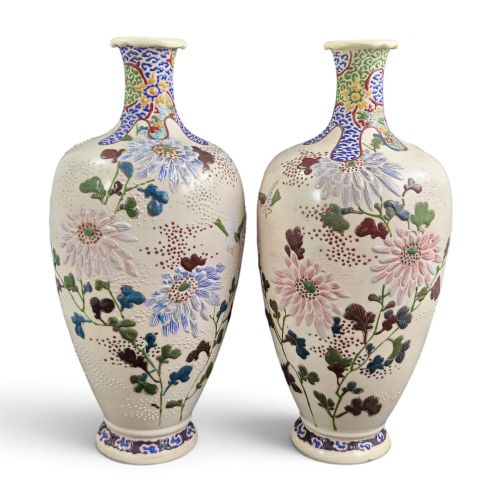
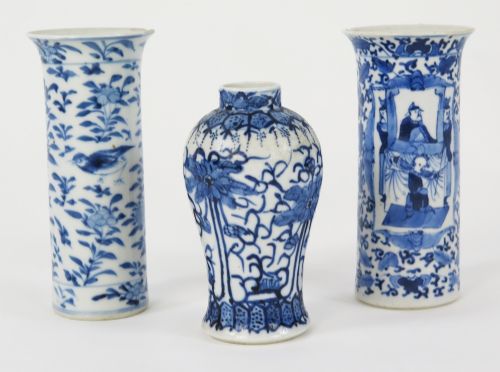
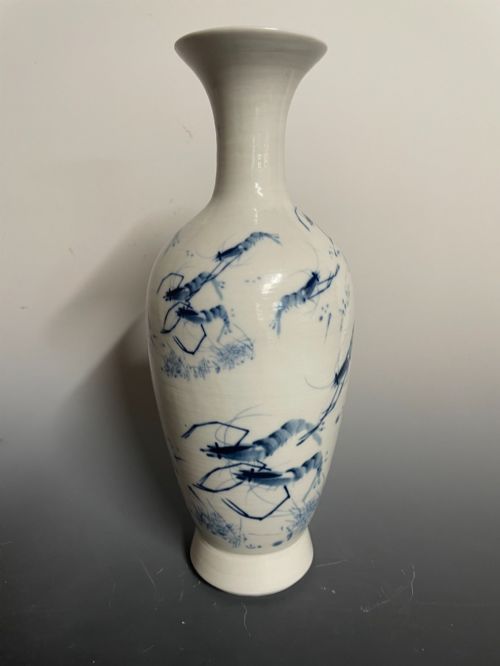
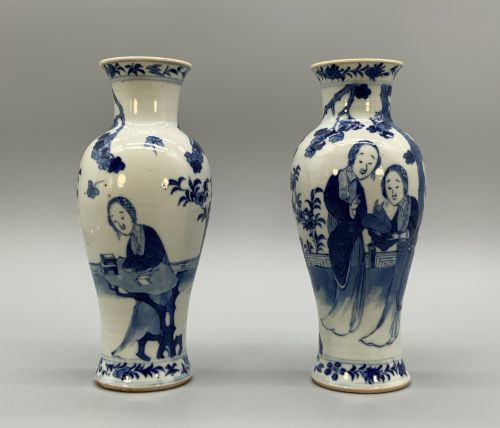
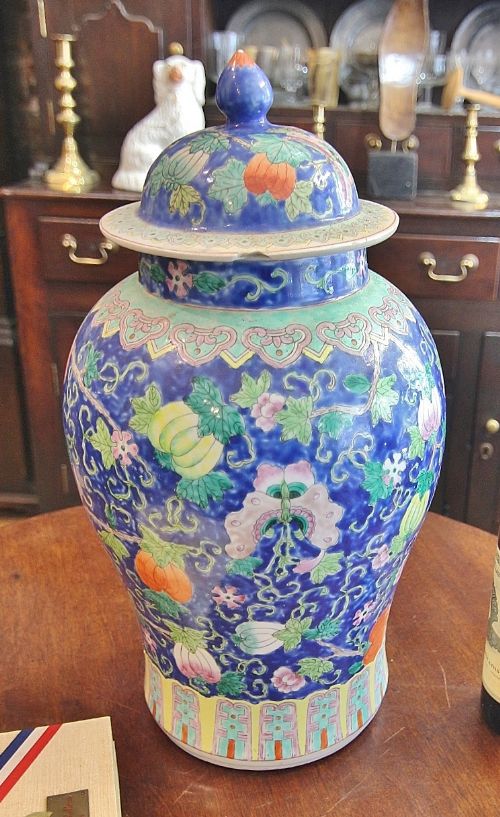
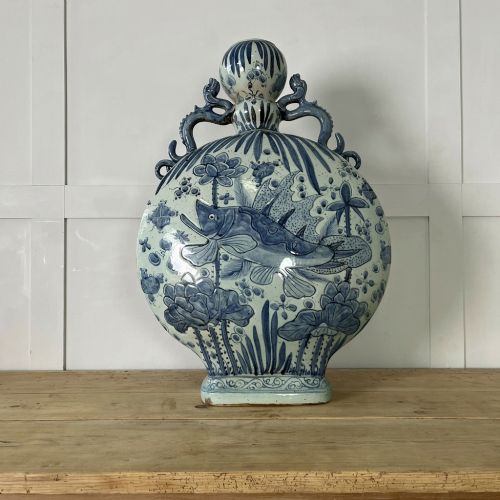
An oriental style ceramic vase brings painted dragons, floral panels, and blue-and-white glazes into a room.
Oriental Style Ceramic Vase
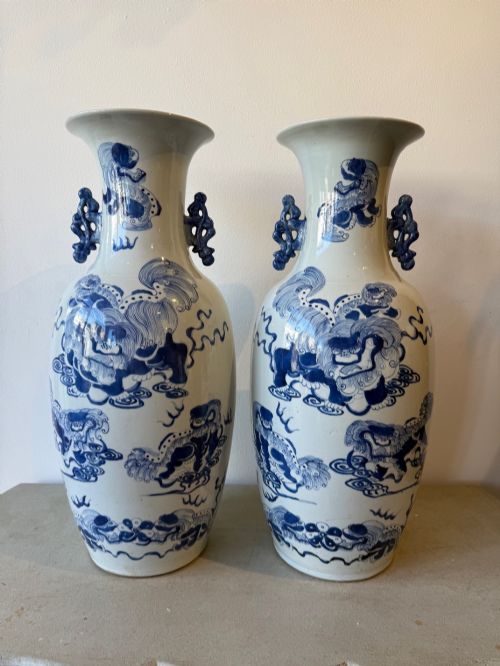
An oriental style ceramic vase covers a broad range of porcelain and pottery vessels shaped as bottles, jars, beakers, and moon flasks. When searching for this phrase, collectors encounter pieces spanning the nineteenth century through the early twentieth century, drawing on Chinese and Japanese artistic traditions.
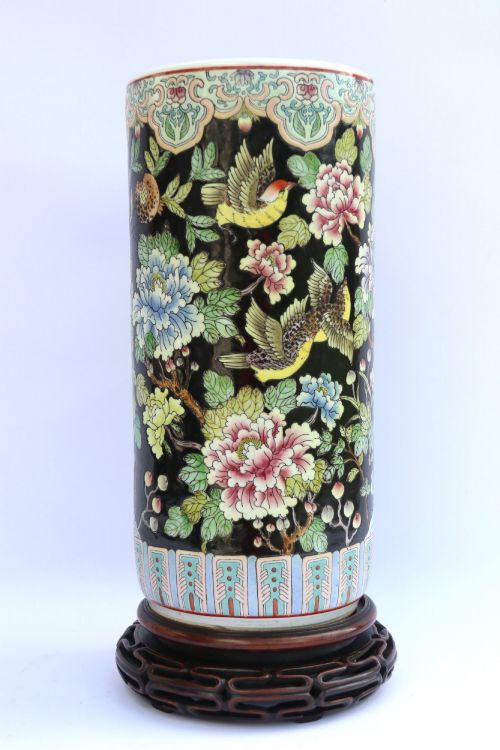
The objects listed here frequently manifest in blue-and-white porcelain, Imari palettes, and famille verte or famille noire colour schemes. Many of these vessels originate from periods such as the nineteenth century, with styles mimicking earlier Kangxi or Qianlong designs.
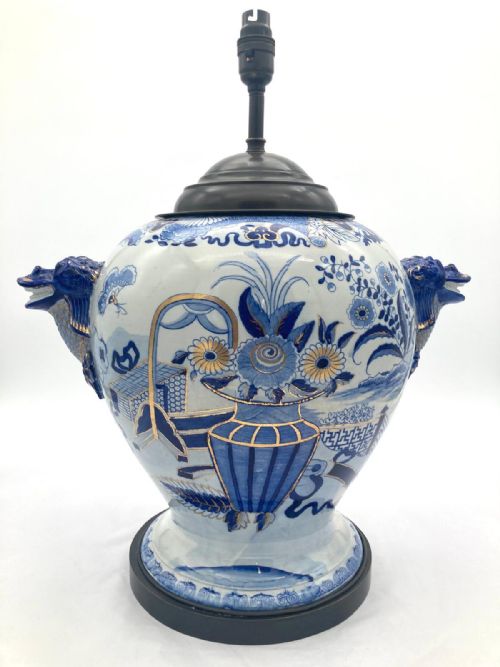
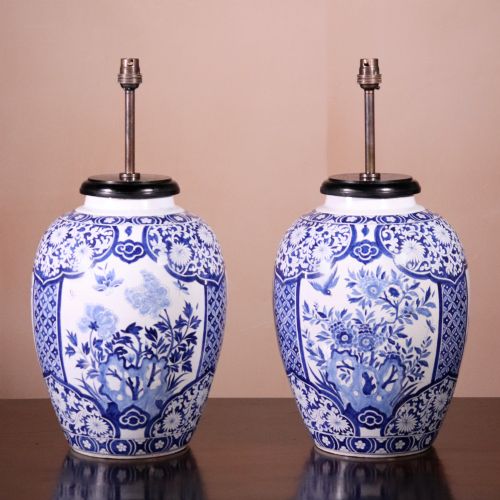
A significant portion of these ceramic items arrives on the market converted into table lamps, fitted with wooden stands or mounted in brass and ormolu. Buyers also find ginger jars and lidded vessels retaining their original covers alongside open vases.
Materials and Techniques
Makers utilised high-fired porcelain and ceramic bodies glazed in underglaze blue, vibrant enamel colours, and crackleware finishes. Potters formed tall bulbous shapes, fluted bodies, and bottle vases using traditional throwing and moulding methods.
Decoration relied on hand-painted motifs, including figural scenes of ladies, dragons, and geometric inset panels, often finished with gilding. Some pieces incorporate secondary materials such as original hardwood stands, brass mounts, and silk or fabric elements added during later adaptations.
Several vases carry spurious Kangxi marks applied generations after the emperor died, proving that potters loved a good joke.
Judging Quality
Quality rests in the crispness of the hand-painting, the depth of the underglaze blue, and the precision of the porcelain body. Finer examples display fluid brushwork and balanced proportions rather than rigid or muddy transfer-printed details.
The integrity of the glaze and the preservation of any enamel work or gilding determine the standing of a piece. Later conversions, such as wiring for lamps or the addition of metal mounts, alter the original state of the ceramic and influence how a collector evaluates the object.
Hicks and Meigh·Carlton Ware·Royal Doulton·Wedgwood·Samson
The Oriental Style Ceramic Vase Glossary
- Famille Verte
- A palette of enamel colours dominated by green, used on Chinese porcelain. This style developed during the Qing dynasty and reappeared in later revival pieces.
- Moon Flask
- A flattened ceramic vessel with a circular body and a slender neck, resembling the shape of the moon. These pieces often feature delicate handles and painted panels.
- Kangxi Style
- A design aesthetic reflecting the decorative conventions of the Kangxi Emperor's reign. Makers in later centuries frequently adopted these blue-and-white motifs and reign marks.
- Imari
- Japanese porcelain decorated in underglaze blue, iron red, and gold. This export ware influenced European ceramic production significantly from the seventeenth century onward.
- Celadon
- A pale green jade-like glaze applied to porcelain and stoneware. The finish relies on iron oxide reacting in a reduction kiln.
Oriental Style Ceramic Vase: Frequently Asked Questions
What is an oriental style ceramic vase?
An oriental style ceramic vase is a porcelain or pottery vessel decorated in traditional Asian motifs such as blue-and-white foliage, dragons, or figural scenes. These pieces reflect historical Chinese and Japanese aesthetics produced across the nineteenth and early twentieth centuries.
Buyers encounter various forms, including bottle vases, ginger jars, and moon flasks. Many have been adapted over time into table lamps or fitted with custom hardwood stands.
How do I tell an old vase from a modern copy?
Examining the ceramic body, the depth of the glaze, and the wear on the base helps determine age. Older pieces show natural signs of handling, subtle irregularities in the potting, and hand-painted brushwork rather than flat printed transfers.
Marks on the base, such as reign characters or seals, provide clues, though makers across different centuries frequently reproduced earlier marks as a sign of respect rather than outright deception.
Were these vases made as lamps?
Most of these ceramic vessels began life as decorative vases, ginger jars, or storage jars before being converted into lamps in the twentieth century or later. Wiring and fittings were added to suit contemporary domestic interiors.
Some collectors prefer untouched vessels with their original covers, while others appreciate the decorative utility of lamp conversions mounted on wood or brass bases.
How do I care for an antique ceramic vase?
Antique ceramics require gentle dusting with a soft, dry cloth to prevent the accumulation of dirt on the glaze or within recessed carved areas. Avoid using harsh chemical cleaners or submerging pieces that feature delicate enamel work or later metal mounts.
If the vase has been converted to a lamp, ensure the electrical components are tested periodically by a qualified professional to maintain safety.