



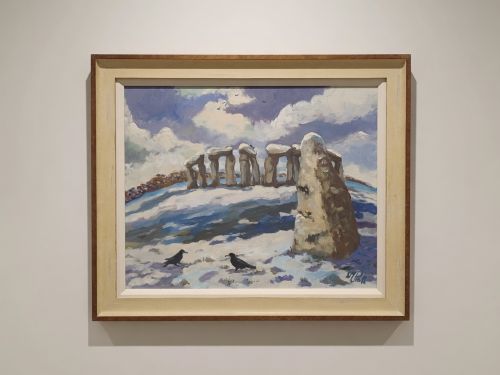
Countryside Landscape Canvas
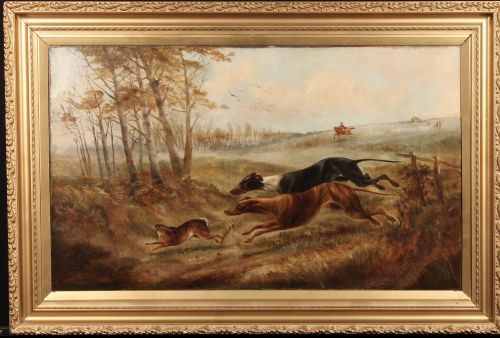
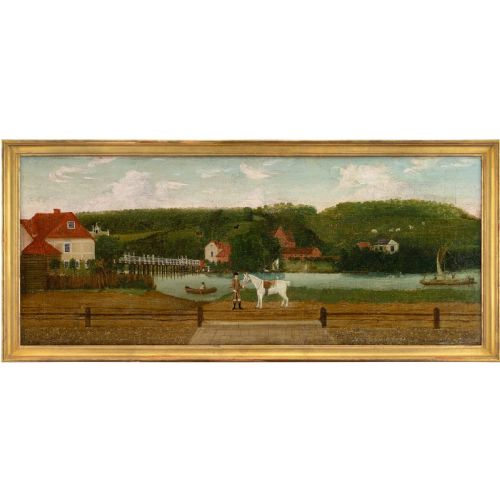
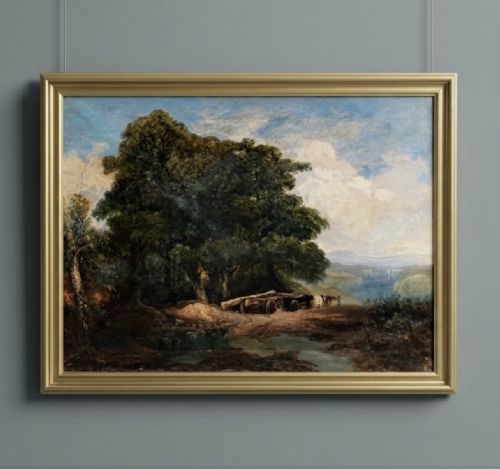
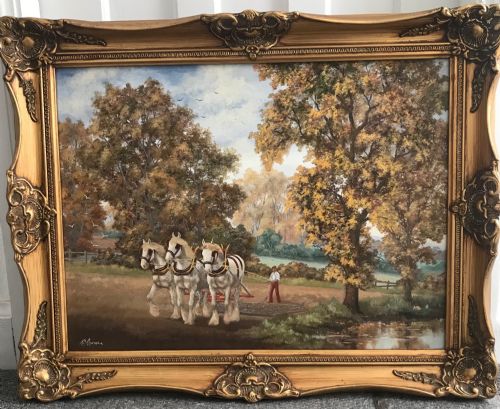
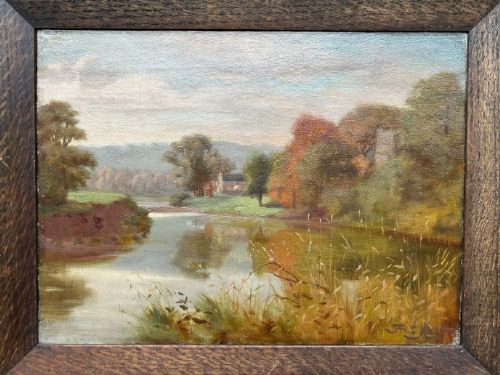
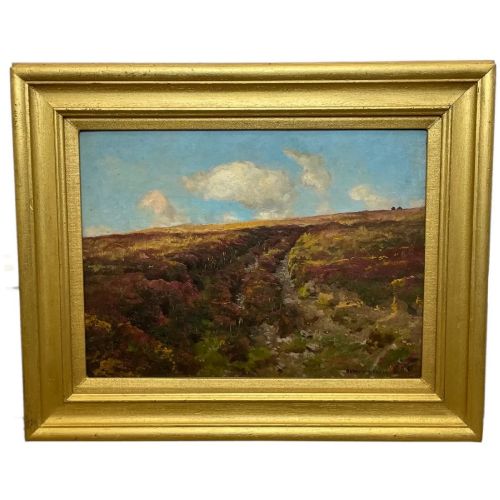
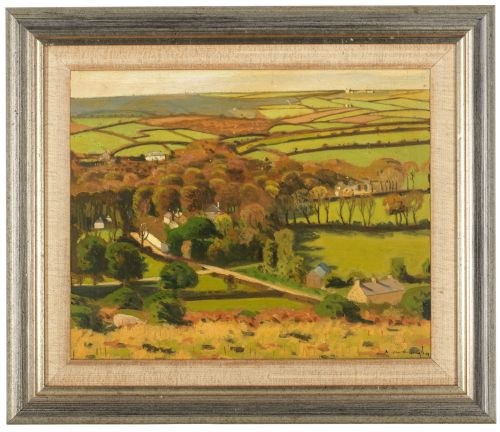
A countryside landscape canvas brings rural fields, rivers and pastoral scenes into an interior through oil paint.
Countryside Landscape Canvas
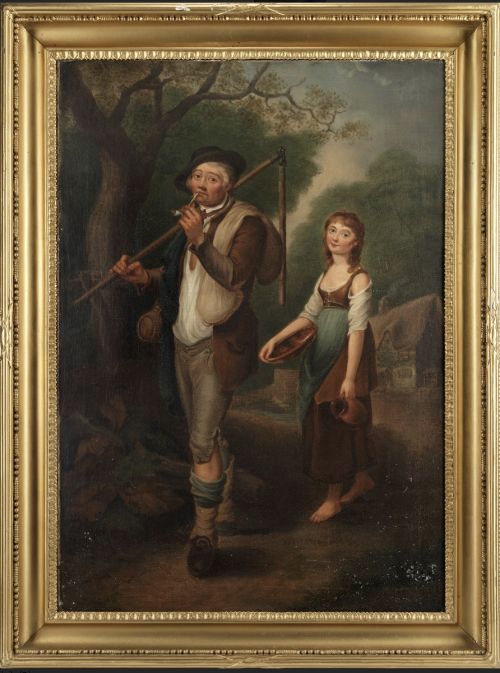
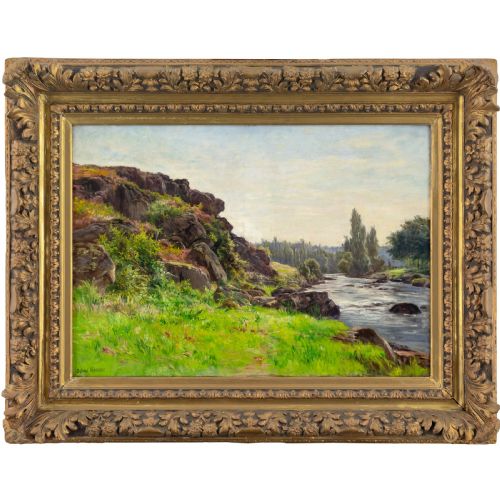
A countryside landscape canvas captures rural views, rivers, farmsteads, and pastoral life across various periods. Buyers seek these original paintings to bring traditional or modernist interpretations of the natural world into interior spaces.
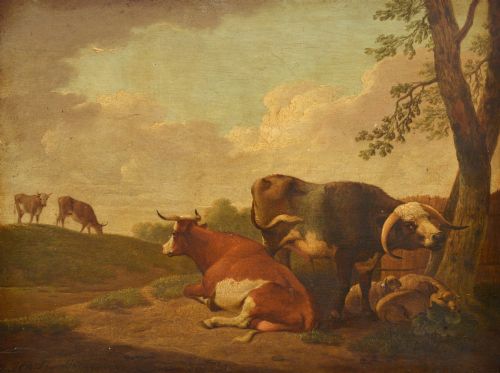
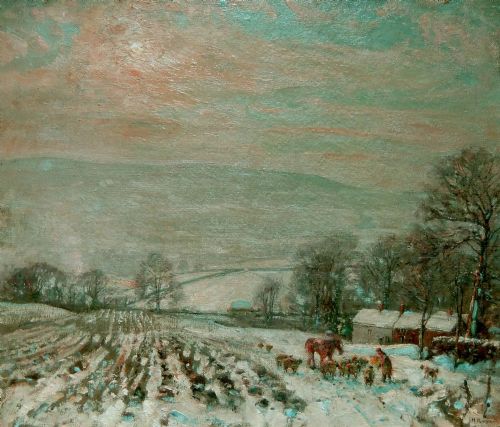
The selections available here span from the nineteenth century through the 1960s, encompassing British, French, and other European schools. Works range from intimate river scenes and woodland paths to expansive views featuring livestock and figures.
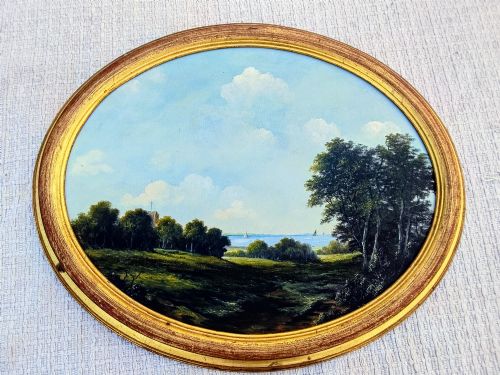
Common formats include framed original oil paintings on canvas, sometimes oval or housed in decorative gilt wood frames. These pieces reflect stylistic shifts from Victorian pastoral and realism towards impressionism and modern British movements.
Materials and technique
Artists painted these works primarily using oil paint applied to woven canvas supports stretched over wooden frames. The medium allowed for rich colour blending, visible impasto texture, and careful rendering of natural light.
Many of these paintings retain their original or period-appropriate wooden frames, frequently finished with gilt layers. The combination of oil on canvas within a substantial frame defined the standard presentation for fine art paintings of these periods.
Grey shire horses and Dartmoor ponies frequently share these rural scenes with grazing cattle and wandering sheep.
Variations in quality
Quality rests upon the artist's handling of light, brushwork, and spatial depth within the composition. Stronger examples display confident handling of pigment and a coherent sense of atmosphere, whereas lesser pieces can feel formulaic or stiff.
The integration of the painted surface with its frame also influences character. Original frames that complement the period and scale of the canvas contribute positively to the overall presence of the work.
Richard Sebastian Bond·William H Myers·Frederick Marriott·Arthur Wardle·Hendrik Willem Schweickhardt·Herbert Royle·Robert Morson Hughes·Gabriel Mathieu·David Bates·Lucy Pratt·Raymond Booth·Harald Foss·Eric Brown·Henri Ottmann·Richard Redgrave·Ernest Higgins Rigg·Peter Newcombe·Rene Levrel·Vernon DeBeauvoir Ward·Alexander Wellwood Rattray·John Horace Hooper·Owen Bowen·Charles Clair·Joseph Edward Hennah·Charles Walter Simpson
The Countryside Landscape Canvas Glossary
- Canvas
- A heavy woven fabric, typically linen or cotton, stretched tightly over a wooden frame to serve as a foundation for oil painting. It provides a durable and responsive surface for various brush techniques.
- Impasto
- A technique where oil paint is laid thickly on the canvas, standing out in relief from the surface. This method accentuates texture and the physical gesture of the brush.
- Gilt wood
- Wood carved and coated with a thin layer of gold leaf or metallic gilt finish. It was commonly utilised for traditional picture frames to enhance the artwork.
- Pastoral
- A genre of art depicting rural life, shepherds, farmsteads, and idealized country scenes. These compositions emphasise a calm, harmonious relationship between humans and nature.
- British Impressionism
- A painting style adopted by British artists influenced by the French movement, focusing on everyday subject matter and the shifting qualities of natural light.
Countryside Landscape Canvas: Frequently Asked Questions
How should I hang an oil painting?
Hang the canvas securely using appropriate wall fixings that match the weight of the wooden frame. Position the piece away from direct sunlight and steady heat sources to protect the oil paint and canvas.
Ensure the artwork sits at eye level for optimal viewing. Stable indoor humidity levels will help preserve both the canvas support and any period gilt frame.
How do I identify the period of a canvas?
Examine the style of brushwork, clothing of any figures, and the construction of the wooden stretcher bars behind the canvas. Stylistic markers often align with Victorian realism, impressionist influences, or later twentieth-century movements.
Signatures, dates, and framing materials also offer clues to the era of creation. Comparative study with documented works by similar schools helps confirm the timeline.
What is the difference between oil and other paints?
Oil paint utilises pigments suspended in a drying oil, such as linseed, which allows for extended blending times and deep colour saturation. This medium yields a rich, luminous finish distinct from watercolours or acrylics.
The slow drying time enabled artists to work wet-in-wet and build up translucent layers of glaze. Over decades, oil paint develops a stable, durable surface suited to canvas supports.
How do I care for an antique canvas?
Dust the surface and the wooden frame gently with a soft, dry brush or microfiber cloth. Avoid using water, liquid cleaners, or solvents on the painted canvas.
Keep the artwork in a room with minimal temperature fluctuations. Professional conservators should handle any structural repairs, cleaning, or varnish removal.