



Oil Paint Canvas Landscape
An oil paint canvas landscape captures an enduring view of the natural world, treasured for its depth of brushwork and historic atmosphere.
Oil Paint Canvas Landscape
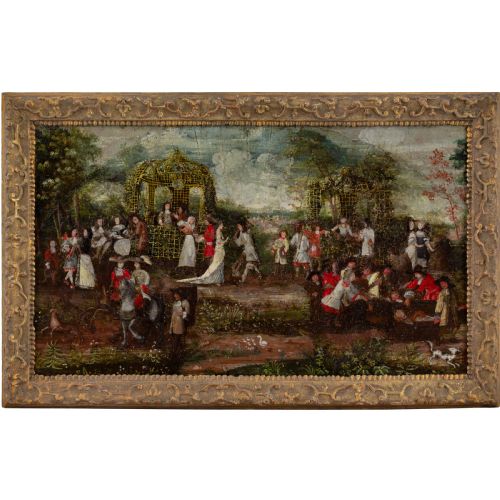
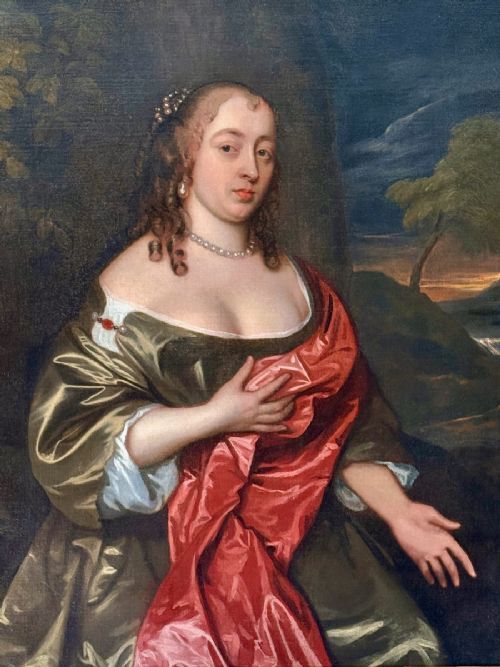
When you search for an oil paint canvas landscape, you encounter centuries of artistic engagement with the natural and pastoral world. These works range from seventeenth-century Flemish and Italian compositions to nineteenth-century British coastal scenes and mid-twentieth-century Post-Impressionist views.
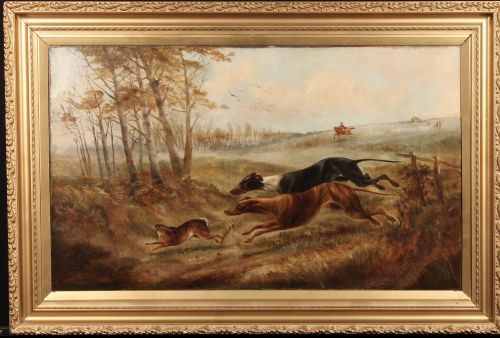
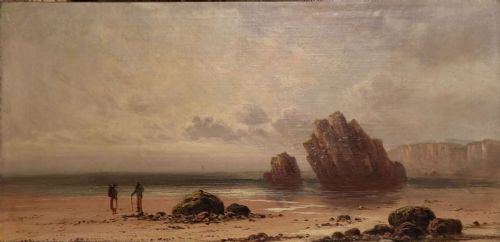
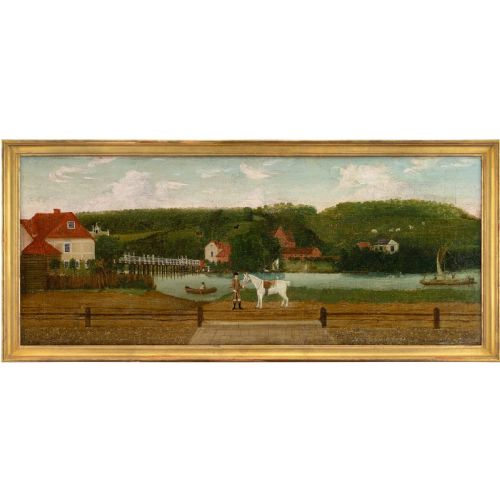
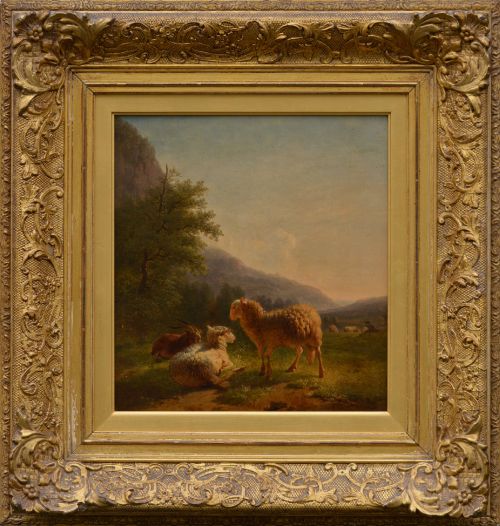
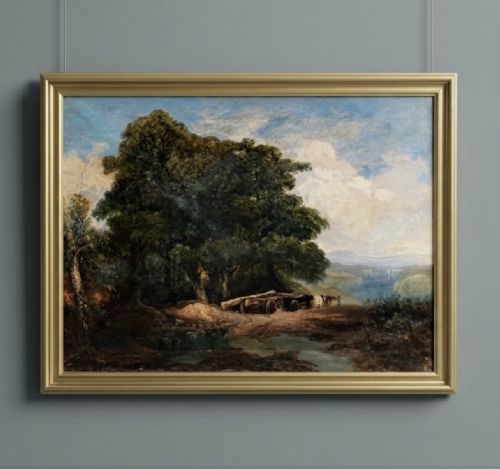
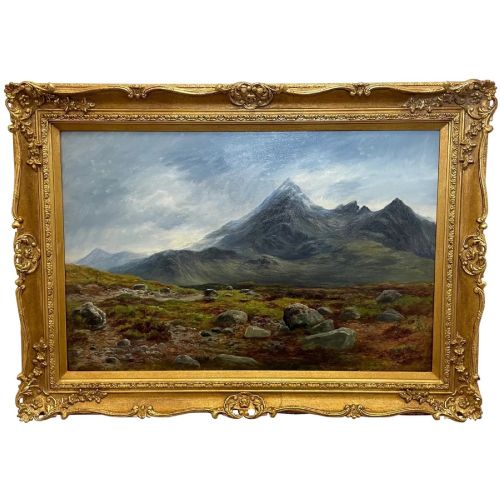
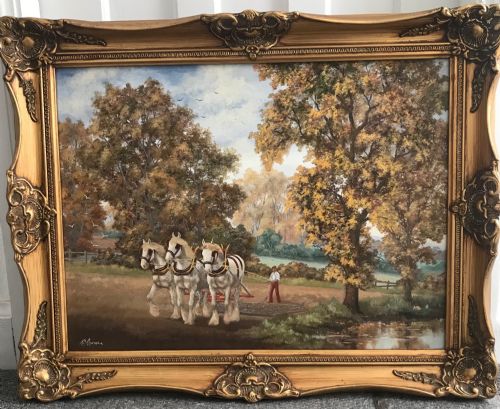
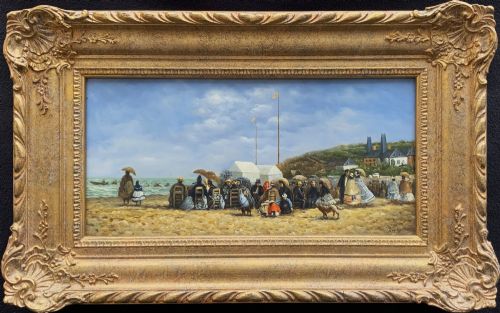
The selections on this page heavily feature nineteenth-century and early twentieth-century British and European canvases. Subjects span tranquil riverbanks, rugged Scottish highlands, pastoral farmyards with livestock, and dramatic marine seascapes.
Most pieces arrive framed, often in period giltwood or gesso mouldings that complement the depth of the pigments. Buyers choose these works to anchor a room with historic character, authentic texture, and traditional painterly skill.
How They Were Made
Artists applied rich oil paint directly onto stretched woven canvas, sometimes utilising wooden panels or canvas laid onto board for smaller or earlier studies. The slow-drying nature of oil allowed painters to blend hues smoothly on the surface or build up thick, textural impasto strokes.
Finished works were traditionally housed within wooden frames finished with carved gesso and gold leaf gilding. These frames protected the perimeter of the canvas while adding architectural weight and visual contrast to the painted scene.
Listings span multiple centuries, uniting seventeenth-century Flemish panels with twentieth-century British and French Post-Impressionist canvases.
What Varies In Quality
The distinction between standard works and master creations lies in the confidence of the brushwork and the management of natural light. Superior canvases demonstrate a sophisticated understanding of atmospheric perspective, where distant horizons fade naturally through subtle tonal shifts rather than flat washes of colour.
Compositional balance and anatomical precision in figures or animals further separate routine studio output from exceptional hands. A finer painting captures atmospheric mood and transient weather convincingly, holding the viewer's gaze across the entire breadth of the landscape.
JOHN HAYLS·Eugène Verboeckhoven·Richard Sebastian Bond·William Beattie-Brown·Angelo Maria Crivelli·Francois Boucher·John Horace Hooper·George Houston·Herbert Royle·Robert Morson Hughes
The Oil Paint Canvas Landscape Glossary
- Impasto
- Paint applied thickly to a canvas, standing in relief and retaining the distinct marks of the brush or palette knife. This technique adds tactile physical dimension and catches real light within the foliage or water.
- Giltwood
- Timber carved and coated with a thin layer of gold leaf or gold-coloured finish. It provides traditional reflective framing for historic paintings.
- Gesso
- A paint mixture consisting of a neutral binder mixed with chalk, gypsum, or pigment, used to prepare wood or canvas surfaces. It also forms the moulded relief details on antique picture frames.
- Provenance
- The documented history of ownership of a work of art, establishing its authenticity and lineage. Collectors value clear records linking a painting to its original commission or exhibition.
- Barbizon School
- A mid-nineteenth-century French movement of painters who emphasised direct observation of nature and tonal realism. Their plein-air studies paved the way for later Impressionist landscapes.
Oil Paint Canvas Landscape: Frequently Asked Questions
Why do some canvases show fine cracking?
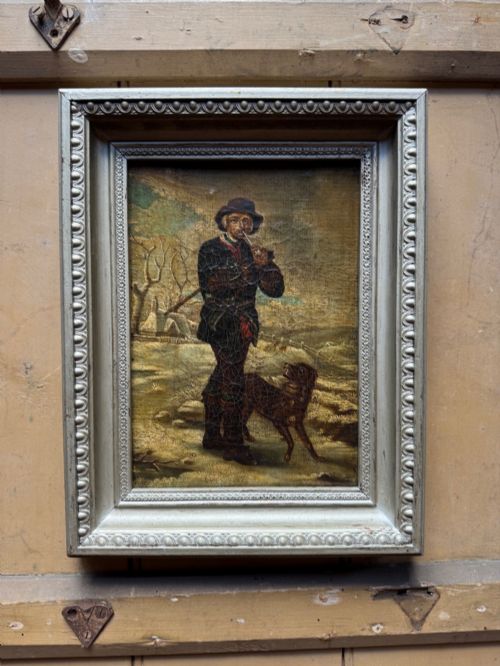
Craquelure is a natural network of tiny cracks that develops in oil paint and varnish over many decades as the materials slowly polymerise and age.
This network is generally considered a normal sign of age and authenticity rather than an immediate structural fault.
Were all these landscapes painted outdoors?
Many nineteenth-century and earlier works were composed in the studio using small outdoor pencil or oil sketches as primary references.
Only with the development of portable paints in the later nineteenth century did plein-air painting become a common method for finished exhibition canvases.
How do I identify the period of a frame?
Frame styles shifted from the heavy, ornate moulded gesso of the Victorian era to simpler wooden profiles in the twentieth century.
Original frames often show matching signs of age, oxidation on the gilt surfaces, and corner construction techniques appropriate to their era.