

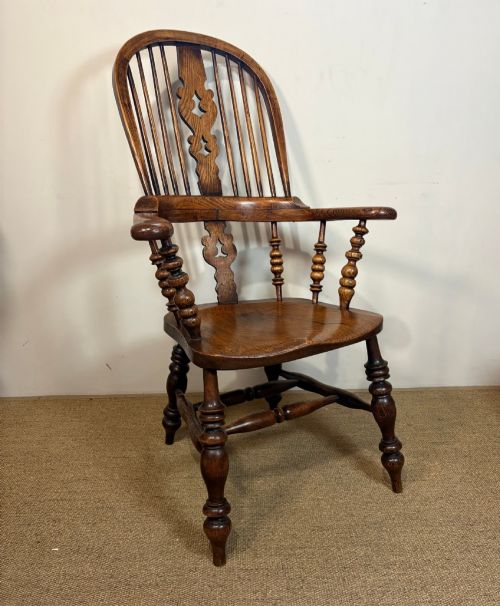
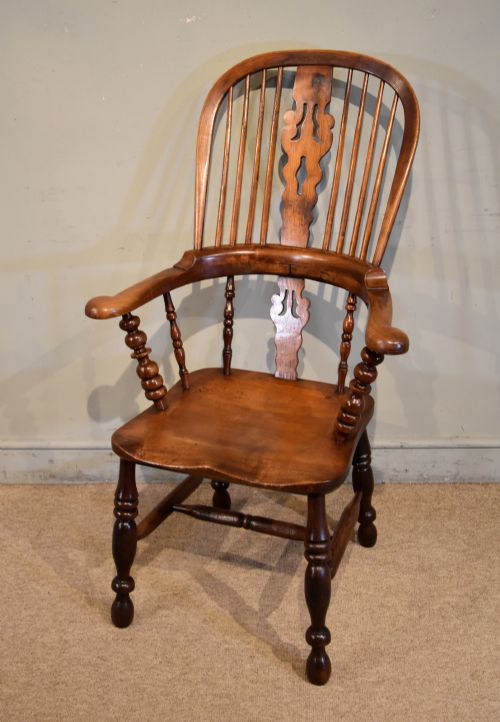
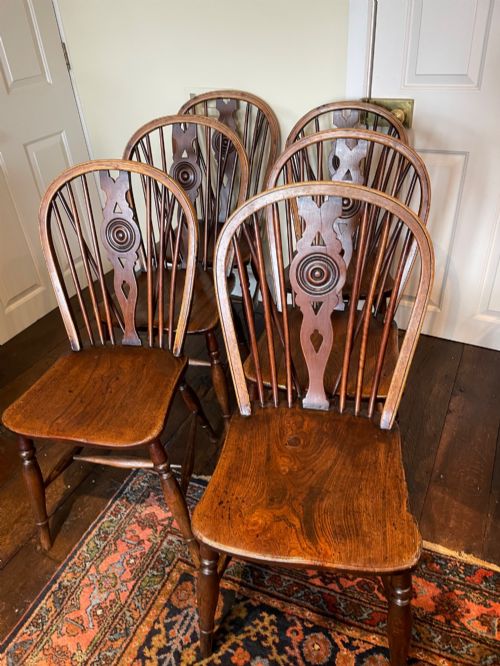
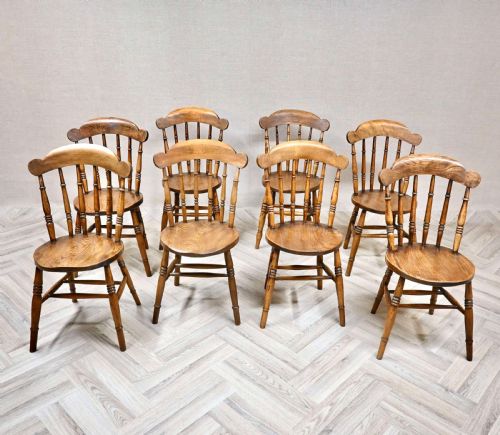
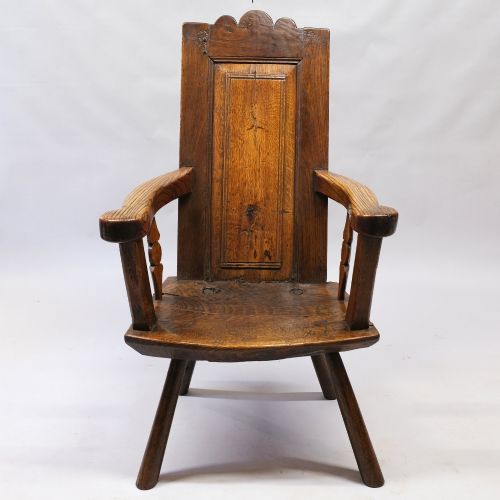
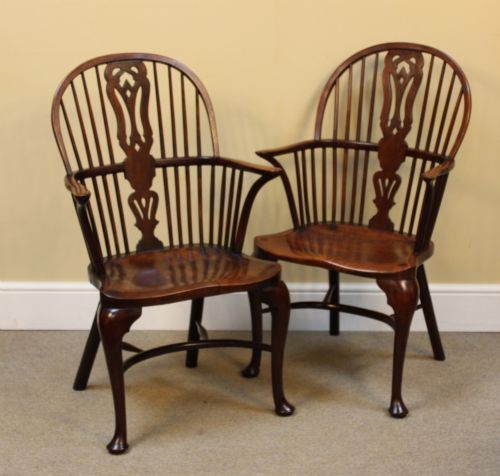

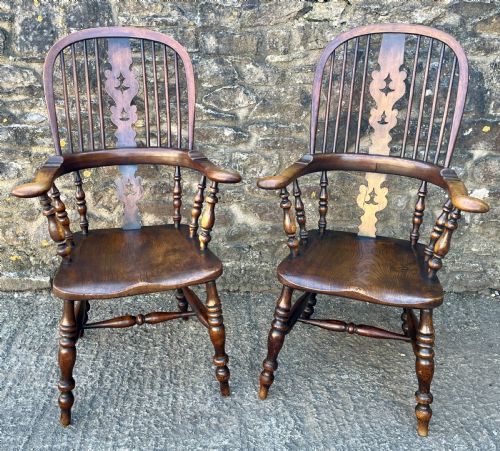
Country Windsor Style Chair
A country windsor style chair brings genuine vernacular character to a room, offering robust seating shaped from native timbers.
Country Windsor Style Chair
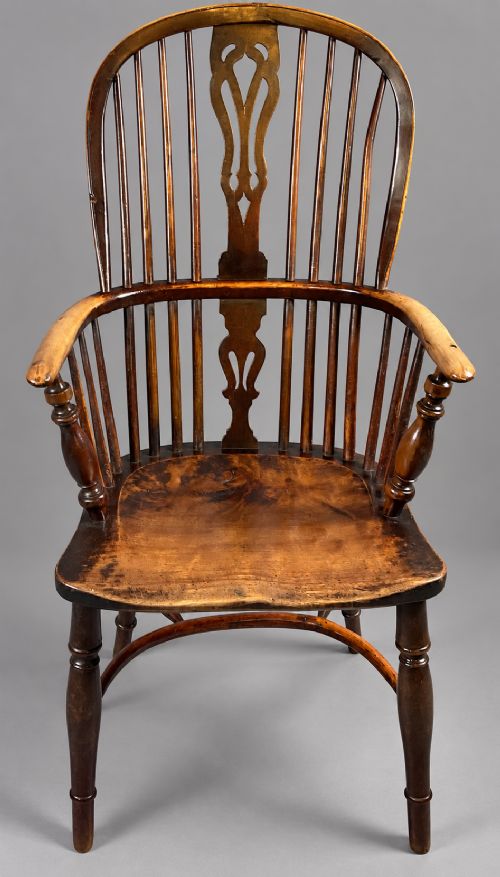
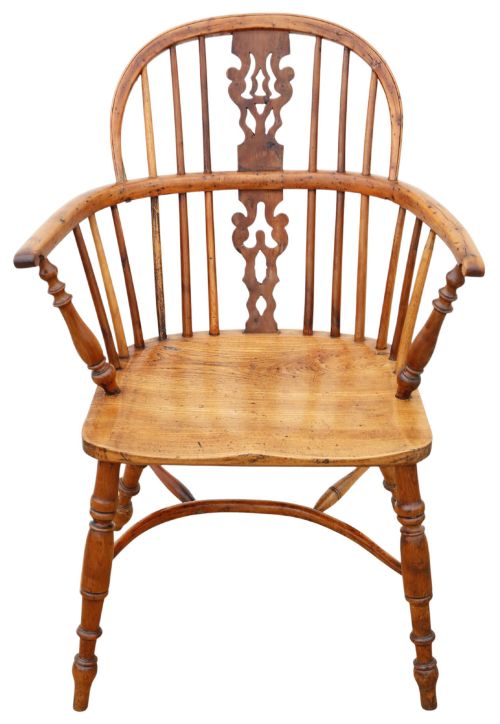
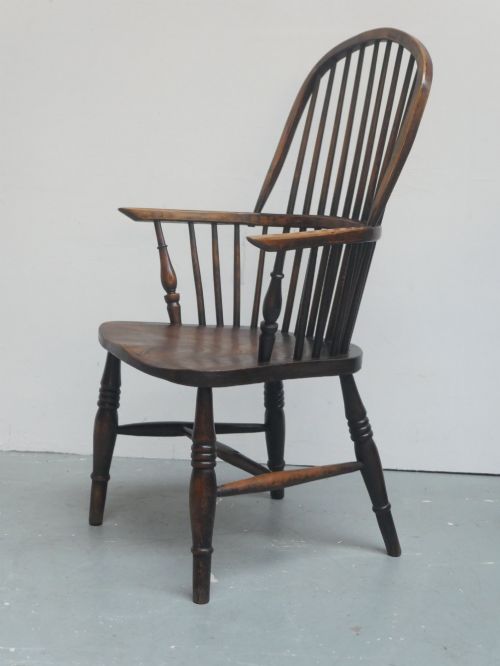
A country windsor style chair is a form of wooden seating where the legs and back are wedged directly into a solid shaped wooden seat rather than joined to a frame. These pieces emerge primarily from the nineteenth century alongside eighteenth-century examples, spanning armchairs, carvers, and kitchen chairs.
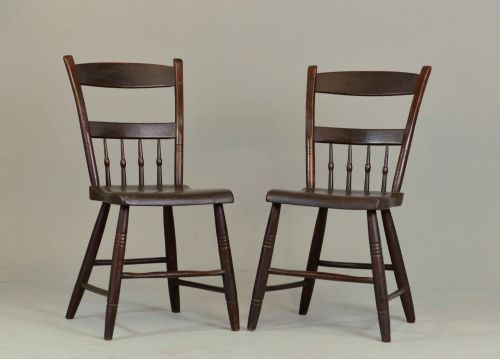
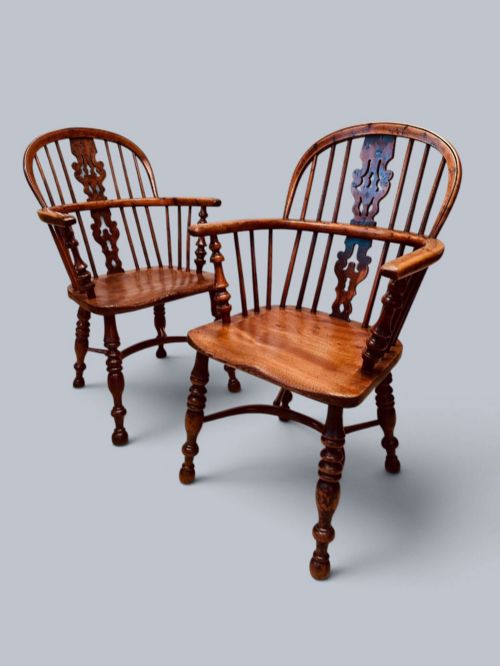
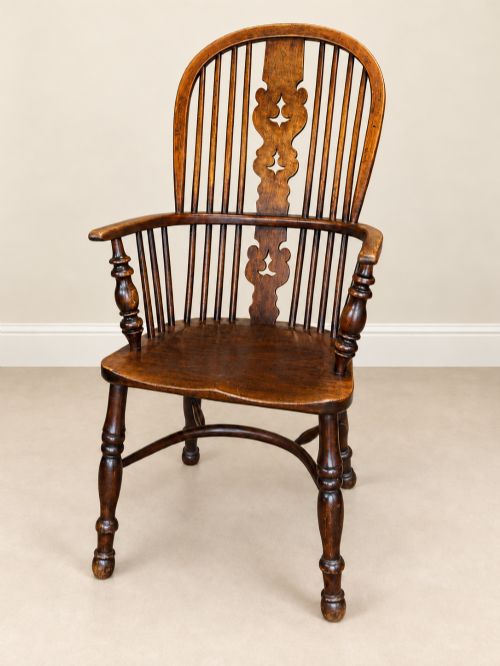
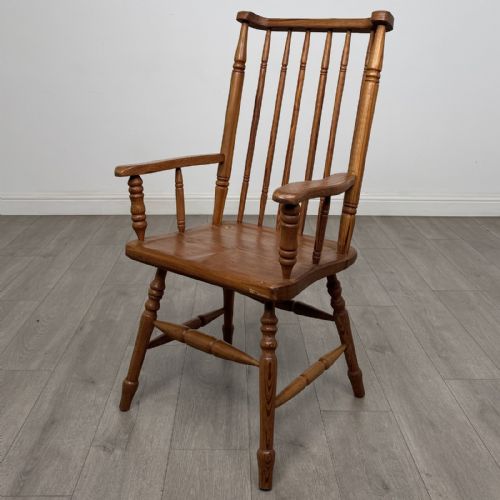
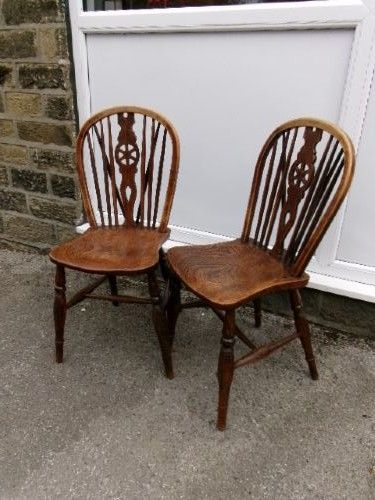
The varieties met on this page range from low-back and comb-back designs to wheelback and broad arm options, sometimes appearing in pairs or sets of dining chairs. Makers also produced smaller children's chairs and rocking variants for domestic use.
Regional vernacular traditions shape these seats across different periods, drawing on English country and rustic farmhouse styles. Such seating served practical functions in kitchens, dining spaces, and parlours.
How they were made
Constructors relied on native hardwoods, pairing elm seats with ash or yew for spindles and framing, and occasionally incorporating beech, oak, pine, or fruitwood. This combination provided both the dense weight required for a solid base and the flexibility needed for steam-bent components.
Joinery involved traditional turning and boring techniques, securing turned legs and back spindles firmly into drilled holes across the wooden seat plank. Surfaces were often finished simply to highlight the natural grain of the timber.
Country Windsor Style Chair Retail Price Guide 2026
Typical asking prices for country windsor style chair among the pieces listed under this phrase on Sellingantiques today, from the lower quarter to the upper quarter. They describe what is for sale here now, not the wider market.
Benjamin Gilling signed his yew wood creation, leaving a quiet eighteenth-century signature in the timber.
What varies in quality
Quality rests on the selection of timber contrasts, particularly where figured yew or rich elm grain meets cleanly turned ash spindles. Pieces showing balanced proportions and carefully sculpted seats sit at the upper end of the range.
Construction integrity distinguishes finer examples, where tight joints and well-preserved structural framing ensure lasting stability. The sophistication of the comb-back or wheelback carving further separates standard utility seating from finer workshop production.
Benjamin Gilling
The Country Windsor Style Chair Glossary
- Windsor chair
- A wooden chair constructed with a solid plank seat into which the legs and back are tenoned directly. This design developed deep roots in English rural workshops.
- Elm
- A tough, interlocking timber frequently utilised for the solid saddle seats of these chairs. Its resistance to splitting made it ideal for weight-bearing components.
- Yew
- A dense wood prized for its rich grain and warm tones, often selected for bows and spindles in higher-grade examples. Cabinet makers valued its flexibility and strength.
- Comb-back
- A chair back style featuring a horizontal crest rail supported by vertical spindles rising through a lower arm rail. It resembles the teeth of an upright comb.
- Wheelback
- A Windsor chair variation featuring a pierced splat carved in the shape of a spoked wheel. This decorative motif gained popularity during the nineteenth century.
Country Windsor Style Chair: Frequently Asked Questions
What is a country windsor style chair?
A country windsor style chair is a traditional wooden seat featuring legs and back spindles wedged directly into a thick sculpted plank. These chairs emerged from vernacular English traditions, utilising local hardwoods like elm and ash.
Craftsmen built them for everyday domestic use in kitchens and farmhouses, resulting in diverse regional forms such as wheelbacks, comb-backs, and low-backs.
How do I date a windsor chair?
Dating relies on examining the timber species, construction marks, and stylistic indicators such as the shape of the seat and turning details. Eighteenth-century pieces often display heavier proportions and simpler panel backs, while nineteenth-century versions introduce wheelbacks and steam-bent bows.
Comparing the wear patterns and tool marks helps place an item within periods like the Georgian or Victorian eras.
How should I care for a wooden windsor chair?
Maintenance involves keeping the timber away from direct heat sources and sudden temperature fluctuations that can cause the wood to split. Applying appropriate wax occasionally helps preserve the natural finish and grain of the elm and ash.
Checking the joints periodically ensures that the wedged legs and spindles remain secure within the seat.