


Country Style Side Table
A country style side table brings practical surface space and vernacular charm to a room, spanning rustic oak, painted pine, and French regional forms.
Country Style Side Table
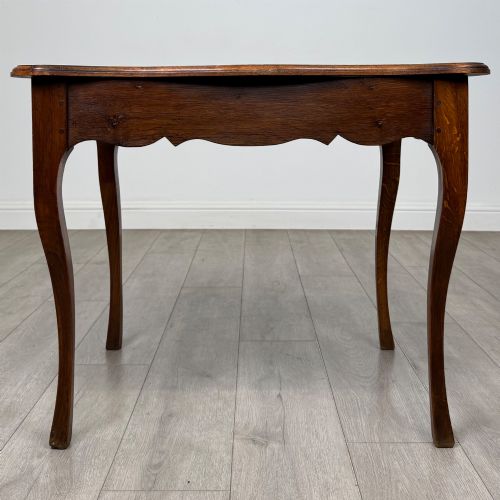
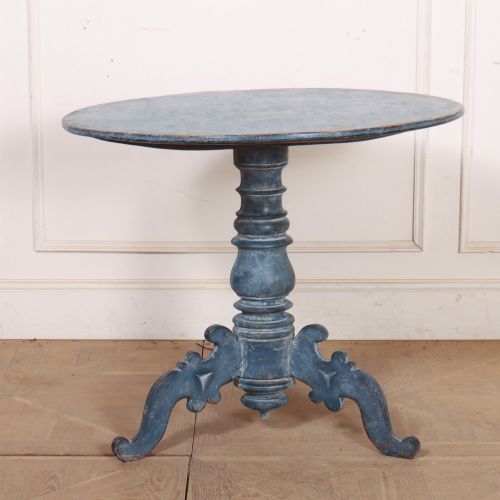
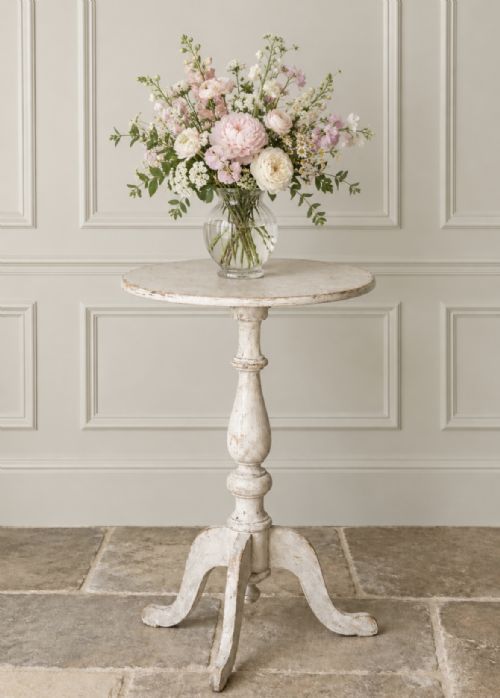
A country style side table encompasses functional domestic furniture produced across British, French, and Scandinavian regions, designed for everyday utility in halls, living spaces, and bedrooms. When browsing this selection, you encounter a high proportion of oak and pine pieces alongside painted finishes from the nineteenth and early twentieth centuries.
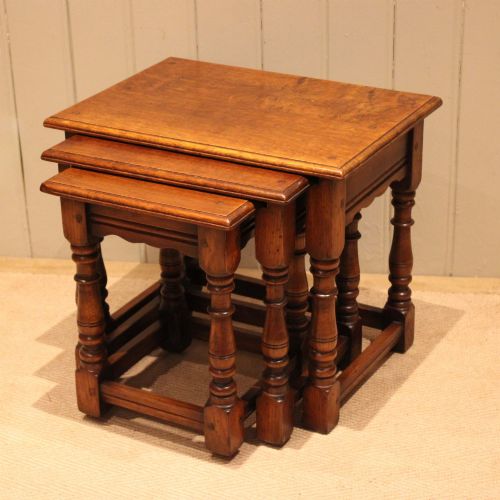
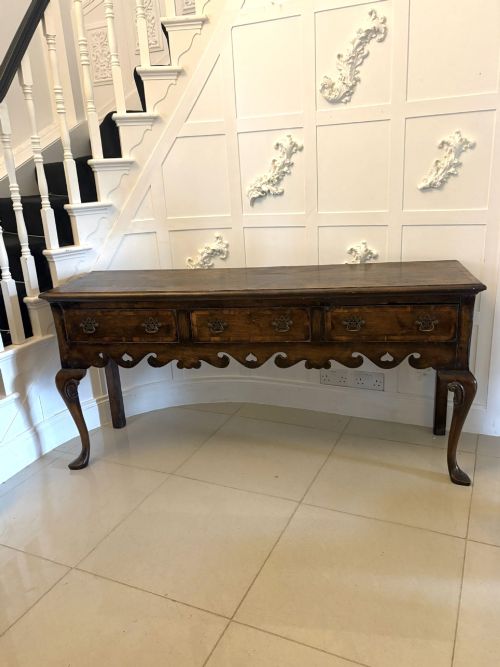
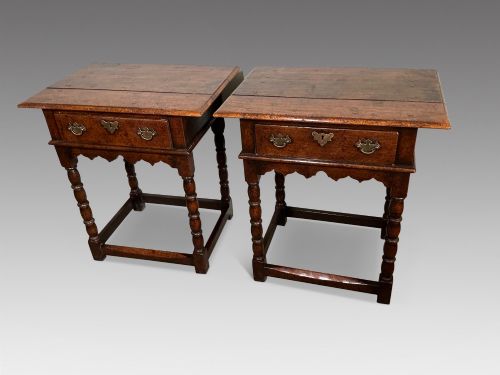
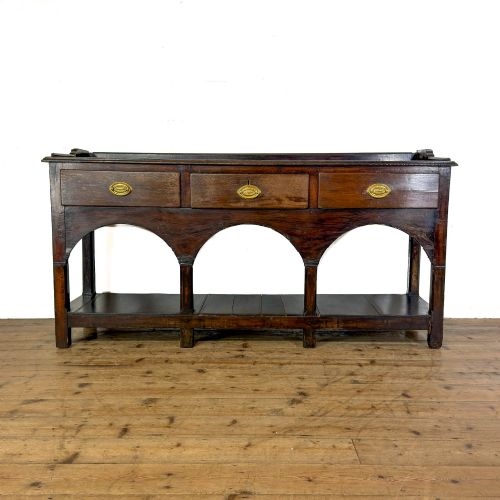
The category spans a varied vocabulary of forms, including lowboys, console tables, lamp tables, cricket tables, and dresser bases. These items reflect both British vernacular traditions and continental rural aesthetics, such as Gustavian and French provincial designs.
Makers utilised local timbers suited to regional workshops, leading to distinct geographical characteristics. English pieces lean toward solid oak planking, while Swedish and French examples frequently display original paint, cherrywood, or elm constructions.
Materials and Construction
Makers relied primarily on native timbers such as oak, pine, elm, and cherrywood, supplemented by walnut, mahogany, and kingwood in more polished interpretations. Surfaces range from scrubbed or polished wood to layered historic paint finishes, often applied to pine and softwood carcasses.
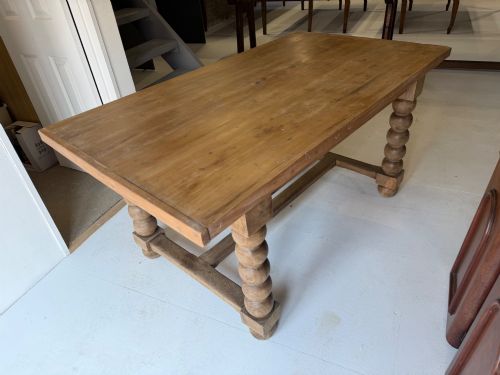
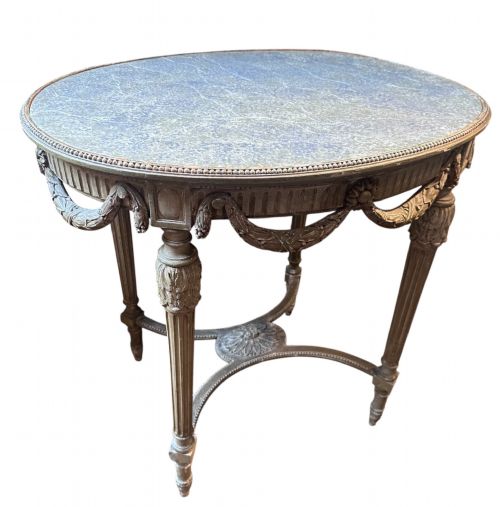
Joinery methods reflect traditional workshop practices, utilising pegged mortise and tenon joints, dovetails for drawer construction, and hand-turned supports like bobbin legs or tripod bases. Marble tops appear on continental bedside cabinets, paired with walnut or kingwood frames.
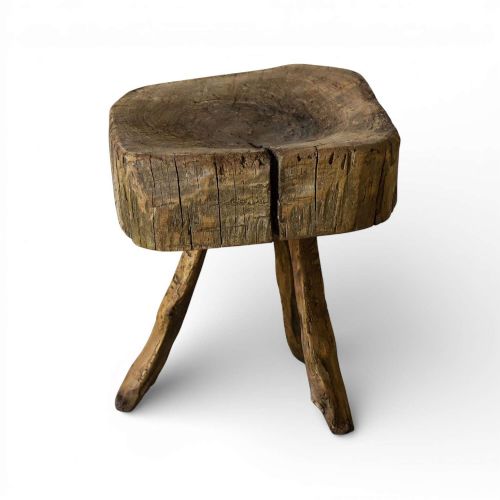
Structural elements vary according to regional vernacular, from heavy oak plank tops on pine bases to gnarled natural legs on chopping blocks and side tables.
Listings feature oak, pine, and painted wood across nineteenth-century and Edwardian periods.
Assessing Quality
Quality rests in the integrity of the materials and the honesty of the surface, distinguishing honest vernacular utility from later assembly. Pieces retaining original paintwork, unclipped timber proportions, and period fixings command greater regard among collectors.
Construction robustness dictates longevity, visible in tight joints, hand-cut dovetailing, and the weight of timber used for tops and legs. Subtle details such as carved mouldings, bobbin turnings, or inlaid walnut veneer elevate standard utility furniture into finer decorative examples.
The Country Style Side Table Glossary
- Lowboy
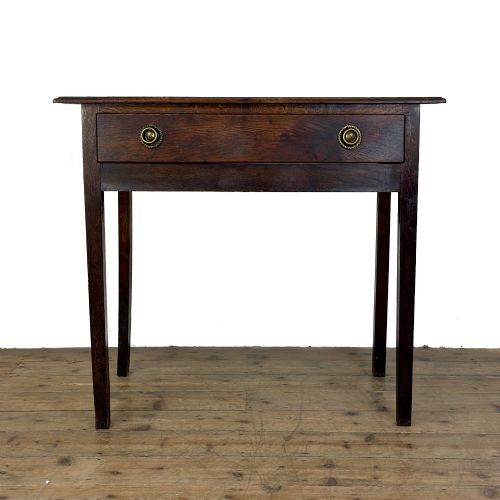
- A small oak or walnut table with one or more drawers, originating in the eighteenth century and functioning as a side or dressing table. These typically feature cabriole or straight legs.
- Dresser Base
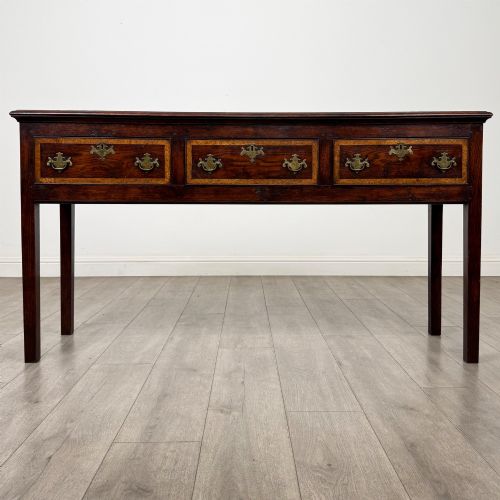
- A heavy lower sideboard or serving table featuring cupboards and drawers, commonly constructed in oak or pine for domestic food preparation and storage.
- Cricket Table
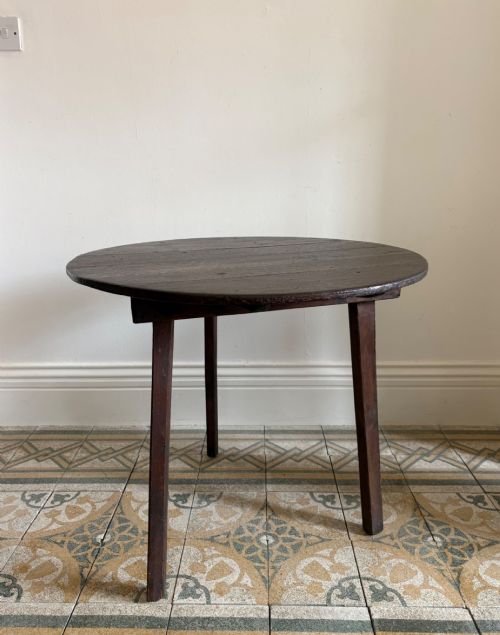
- A small, lightweight occasional table standing on three splayed legs, traditionally designed for stability on uneven farmhouse floors.
- Gustavian
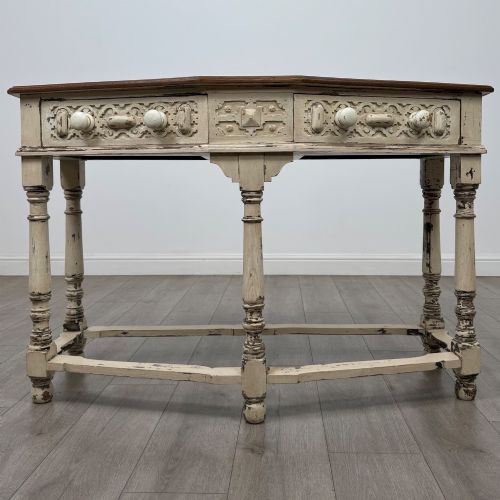
- The Swedish interpretation of Louis XVI neoclassical design, characterised by pale painted finishes, restrained carved details, and balanced proportions.
- Demi Lune
- A half-moon shaped console table designed to stand flat against a wall, frequently found in pairs within continental interiors.
Country Style Side Table: Frequently Asked Questions
What is a country style side table?
A country style side table is a functional domestic furnishing originating from rural workshops in Britain, France, and Scandinavia. These items use regional timbers like oak and pine to provide practical surfaces for everyday household tasks.
They range from simple cricket tables with three legs to lowboys and dresser bases fitted with drawers. Their aesthetic relies on straightforward utility rather than courtly ornament.
How do I identify different regional styles?
Regional origins show in timber choices and surface treatments, such as scrubbed English oak versus pale painted Swedish pine. French provincial examples often utilise cherrywood or elm with subtle stylistic influences from Louis periods.
Hardware, leg turnings, and paint layers also help indicate where a piece was built. Examining the secondary woods inside drawers confirms local workshop practices.
Were these tables used in formal rooms?
Most pieces served utilitarian purposes in kitchens, hallways, and bedchambers rather than formal drawing rooms. Dresser bases and serving tables aided food preparation and storage, while lamp tables held illumination.
Over time, their honest construction and vernacular charm led to their adoption in living spaces as decorative accent furniture.
How do I care for antique pine and oak?
Protect wooden surfaces by avoiding direct sunlight and maintaining stable indoor humidity levels to prevent timber splitting. Dust regularly with a dry cloth and apply occasional natural wax to nourish unsealed oak or pine.
Painted surfaces require gentle cleaning with a soft, dry cloth without harsh chemical solvents that might damage historic finishes.