


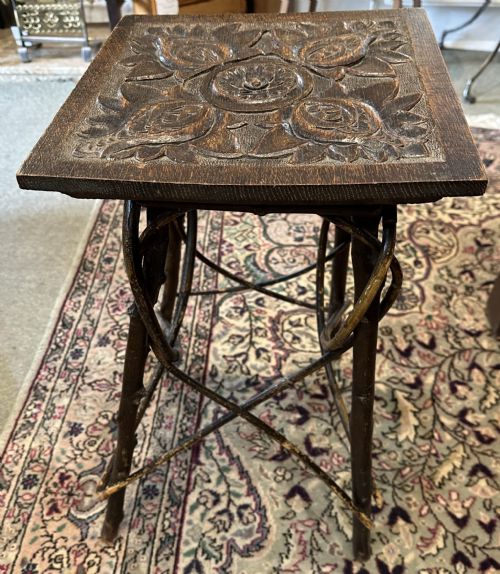


Folk Art Side Table
These folk art side table examples bring unpretentious regional character into a room through honest handmade construction and vernacular design.
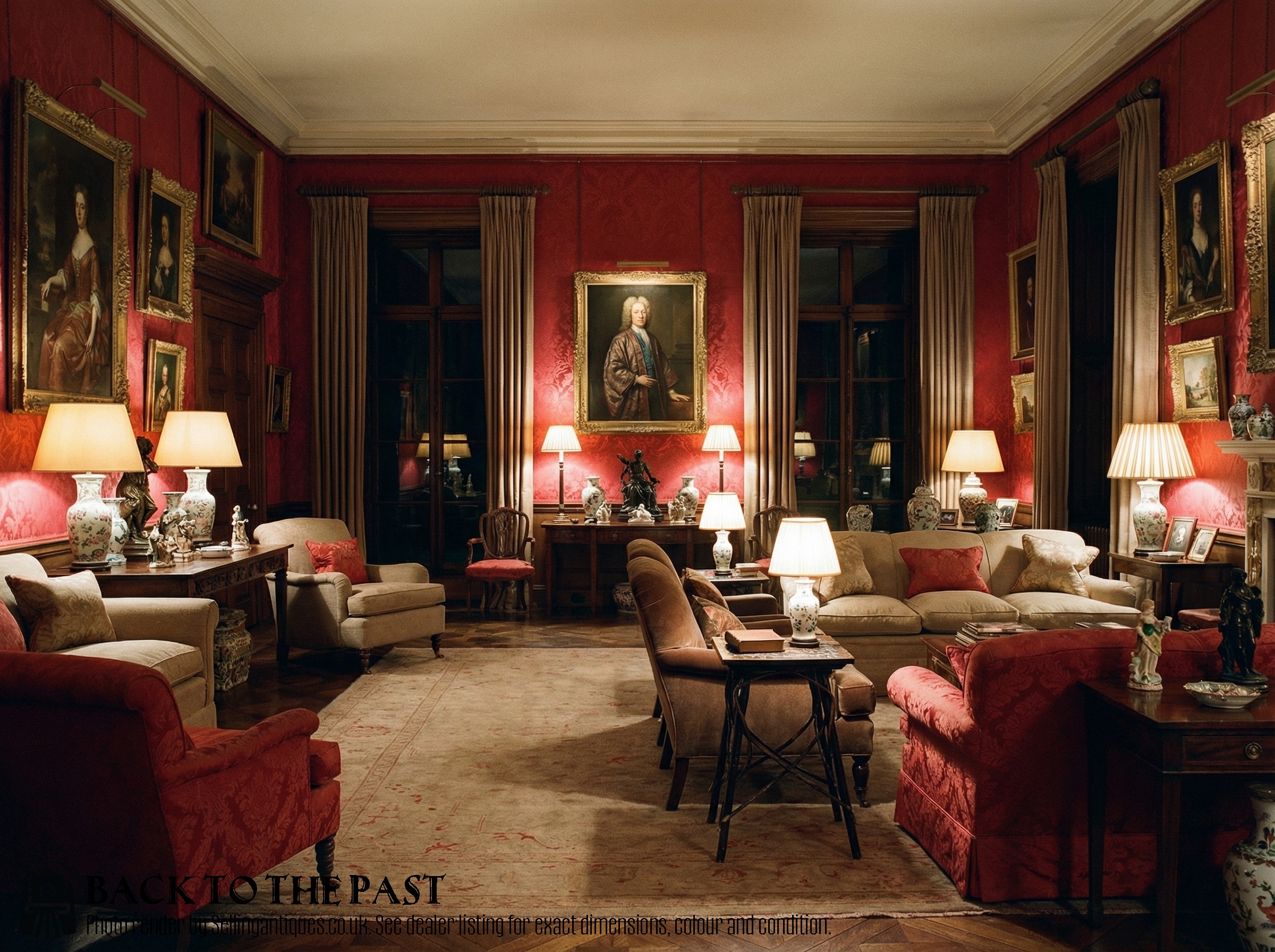
Folk Art Side Table
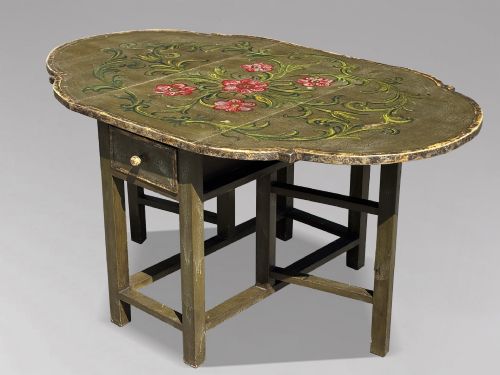
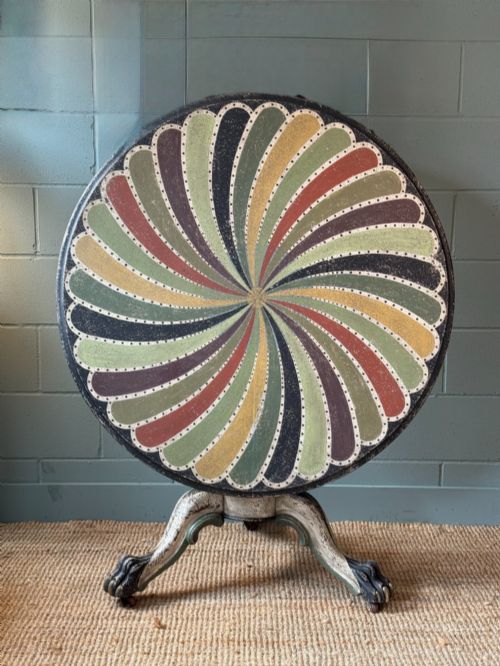
A folk art side table encompasses occasional surfaces, drop-leaf pieces, and tilt-top designs made outside mainstream academic furniture traditions. These pieces originate from various rural European traditions, including Scandinavian, Italian, and Spanish workshops, spanning the nineteenth century through the 1930s. Buyers searching for a folk art side table encounter rustic occasional tables, console tables, and folding tables that reflect local domestic needs.
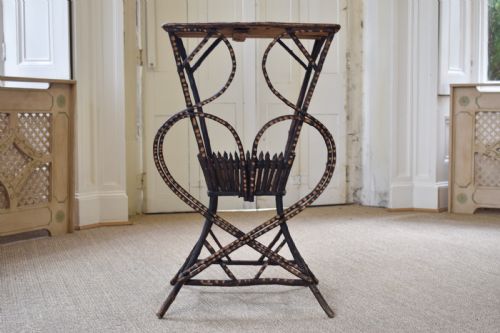
The selection frequently includes Scandinavian country pieces alongside alpine and primitive examples. Forms range from simple drop-leaf tables to specialised twig work and chip-carved surfaces. Each object serves as a functional small table while displaying distinct regional maker traditions.
Materials and construction methods
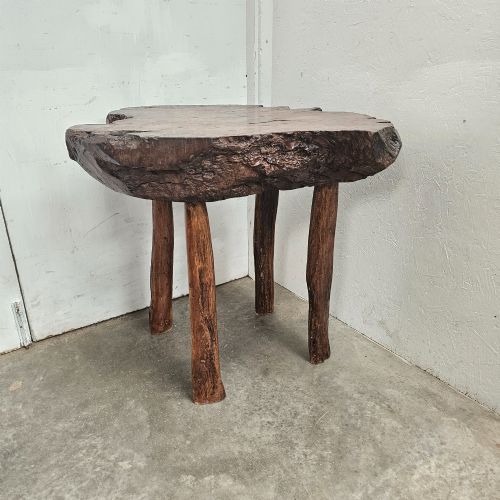
Makers utilised accessible regional timbers such as pine, oak, walnut, beech, and willow, often incorporating natural elements like twigs, bark, and tree trunks. Construction methods prioritize straightforward utility, employing solid timber alongside carved or twig-built structures. Many surfaces feature hand-applied paint, including green painted finishes, ragwork, and floral motifs.
Decorative techniques rely on chip carving, leather detailing, and hand-painted ornamentation rather than formal cabinetmaking veneers. The combination of untreated or stained wood with layered paint finishes defines the tactile surface quality of these pieces.
Listings feature wood, paint, oak, pine, timber, stained wood, twigs, and bark across nineteenth-century and early twentieth-century periods.
Judging quality and integrity
Quality in these pieces rests upon the integrity of the original construction and the authenticity of the surface decoration. Examples with undisturbed early paint layers or integrated chip carving command greater interest than those with later decorative additions.
Structural stability in rustic framework, such as twig or branch assemblies, dictates the durability of the piece. The harmony between the utilitarian form and the regional decorative technique determines the overall success of the object.
The Folk Art Side Table Glossary
- Drop-leaf table
- A table with hinged flaps on the sides of the main surface that can be folded down. This design allows the footprint of the furniture to expand or contract according to space requirements.
- Tilt-top table
- A table featuring a mechanism that permits the top surface to pivot into a vertical position when not in use. This allowed traditional households to store the furniture flat against a wall.
- Chip carving
- A decorative technique where small chips are removed from a wooden surface with a knife or chisel to create geometric patterns. It appears frequently on regional European small furniture.
- Ragwork paint
- A decorative paint finish applied or manipulated with cloth to create textured patterns on furniture surfaces. It represents a domestic method of ornamentation found on Scandinavian pieces.
- Primitive
- A descriptive term for furniture made without the refinement of professional guild standards, relying instead on basic tools and local materials.
Folk Art Side Table: Frequently Asked Questions
What defines a folk art side table?
These tables are unpretentious, regionally made occasional pieces created by rural makers rather than urban workshops. They utilise local materials and traditional vernacular decoration.
Forms vary widely, encompassing small drop-leaf tables, tilt-top designs, and twig work surfaces dating from the nineteenth century into the twentieth century.
Where were these tables made?
The pieces originate from various European rural regions, with strong representation from Scandinavian, Italian, Spanish, and Alpine traditions. Each area contributed distinct construction methods and decorative styles.
Makers utilised whatever local timber and materials were readily available in their immediate geographic surroundings.
How do I care for painted surfaces?
Painted and ragwork surfaces require gentle dusting with a soft, dry cloth and protection from direct sunlight and excessive moisture. Avoid modern chemical solvents that might lift historic paint layers.
Maintaining a stable indoor humidity prevents the underlying timber from expanding or contracting, which protects the paint from cracking.
Are these tables sturdy enough for daily use?
Most pieces were built for practical domestic tasks in farmhouses and cottages, making them durable for contemporary occasional use. However, delicate twig structures or older folding mechanisms require considerate handling.
Placing them away from heavy traffic areas helps preserve fragile joints and historic surface patination.