


Country Pine Storage Chest
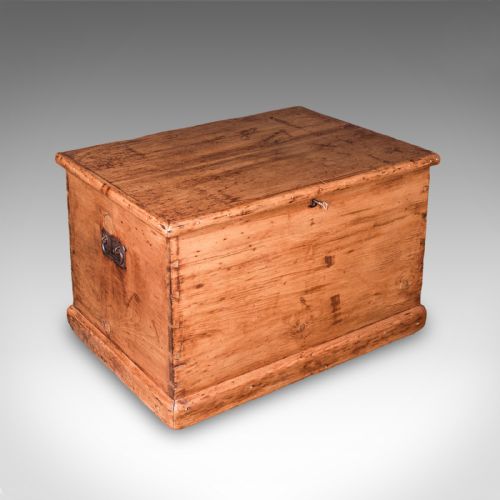
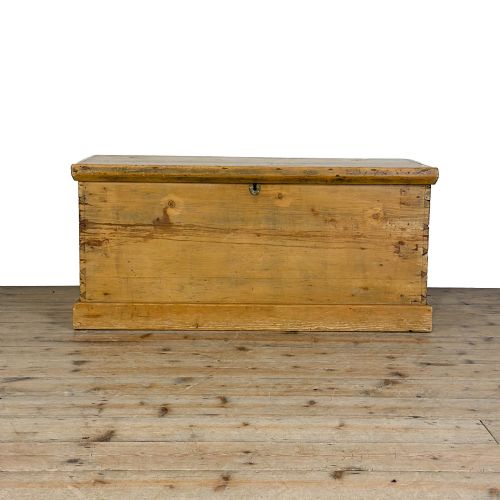
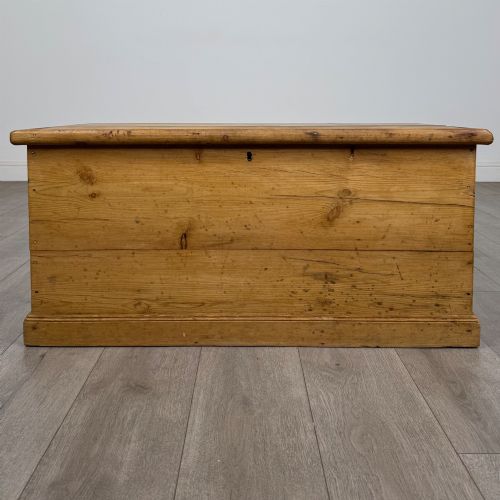
A country pine storage chest brings honest utility to a room, offering robust storage shaped by practical hands during the Georgian and Victorian eras.
Country Pine Storage Chest
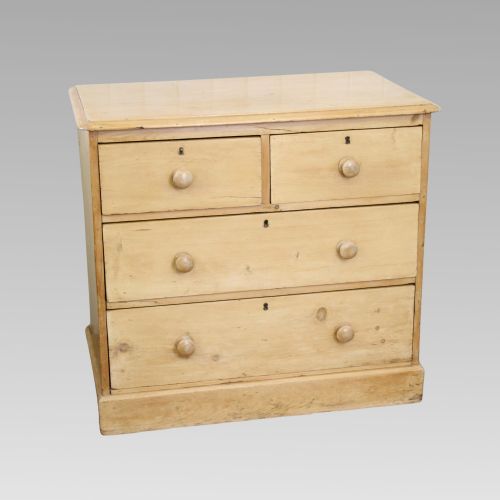
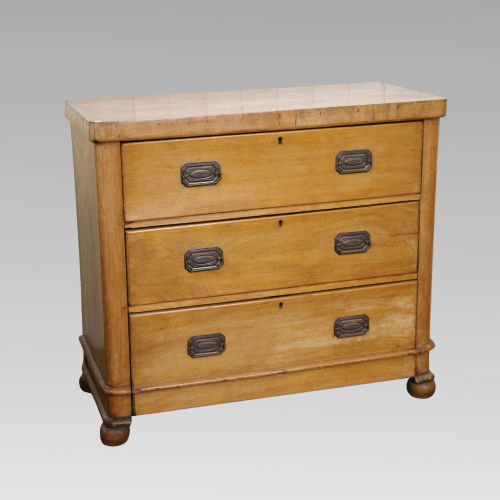
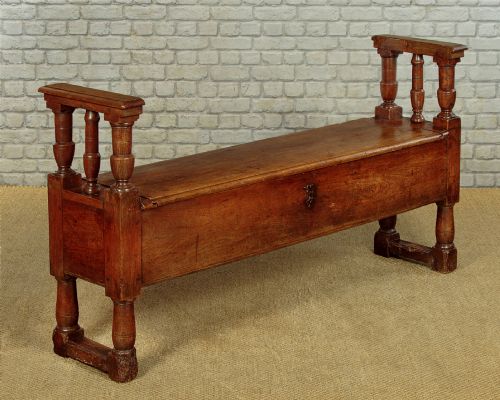
A country pine storage chest encompasses various functional forms designed to hold household goods, most frequently appearing on this page as blanket boxes, trunks, coffers, and chests of drawers from the eighteenth and nineteenth centuries. These pieces originate from regional traditions across England, Wales, Ireland, France, and Sweden, reflecting local domestic needs rather than metropolitan luxury.
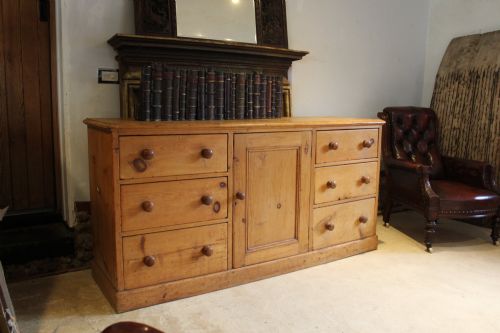
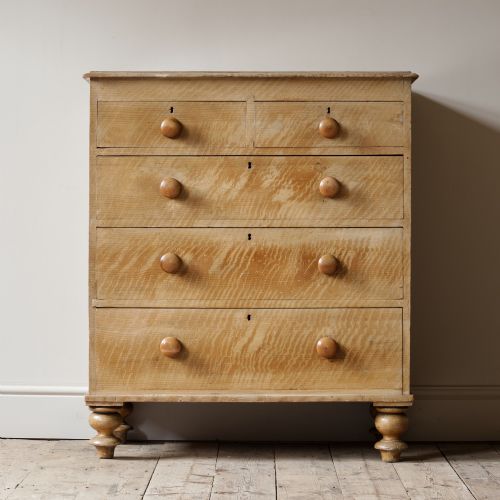
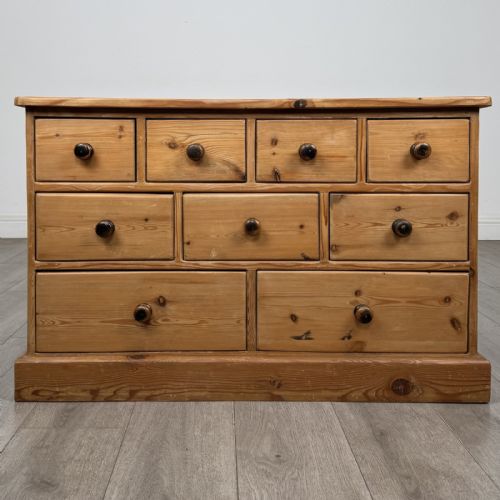
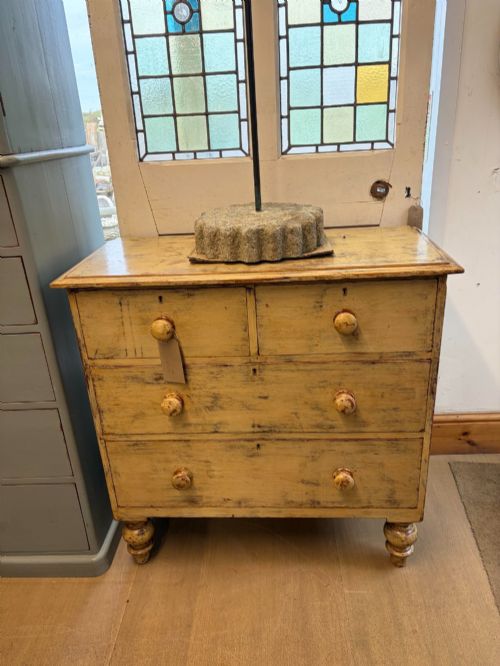
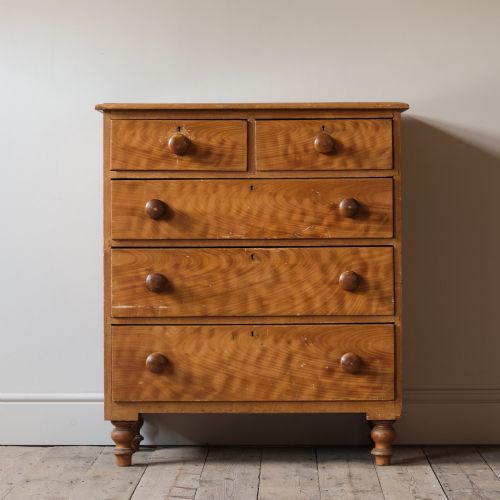
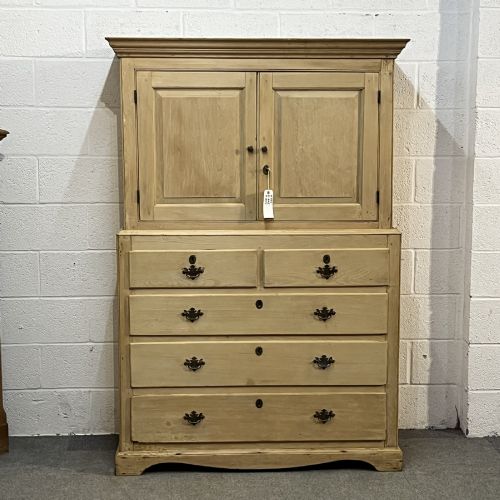
The version most commonly encountered is the Victorian or nineteenth-century chest of drawers or blanket box, built from solid softwood and finished with simple wax, scrubbed surfaces, or surviving original paint. Object types range from low, wide drawer configurations to lidded mule chests and fitted coffers incorporating internal compartments.
Regional styles such as Welsh country, English country, and French provincial dictate the proportions and joinery methods of each piece. Buyers encounter straightforward utilitarian construction intended for daily service in farmhouses, kitchens, and domestic chambers.
Materials and construction methods
Makers relied primarily on pine and pitch pine for body construction, utilising the accessible softwood for structural panels, lids, and drawer carcasses. Secondary woods and iron, brass, or metal hardware such as bun handles, hinges, and escutcheons provided necessary mechanical reinforcement.
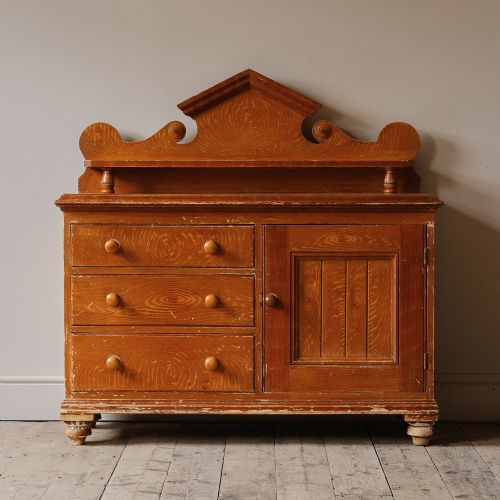
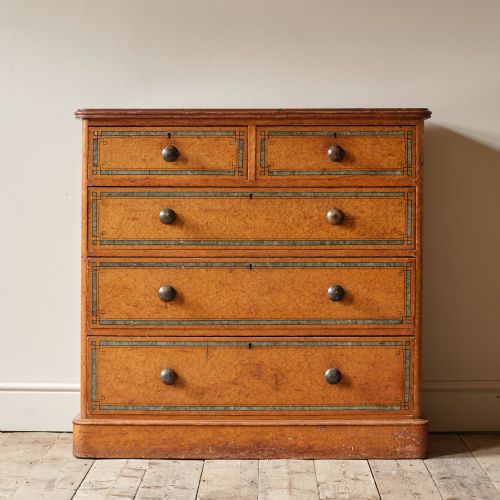
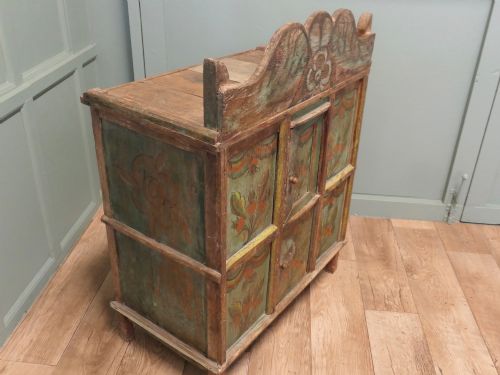
Surfaces were finished according to regional preference and domestic custom, utilising clear wax to preserve the natural grain, scrubbing to expose pale timber, or applying decorative coatings. Surviving original paint, scumble finishes, and painted wood treatments remain integral to the historical fabric of many provincial examples.
Country Pine Storage Chest Retail Price Guide 2026
Typical asking prices for country pine storage chest among the pieces listed under this phrase on Sellingantiques today, from the lower quarter to the upper quarter. They describe what is for sale here now, not the wider market.
Swedish marriage chests carried painted dates and initials to mark a union, doubling as dowry transport and lifelong blanket storage.
Distinctions in construction and surface preservation
Quality rests heavily on the integrity of the original surfaces and the proportion of timber retained through time. Pieces retaining untouched original paint or early scumble finishes hold greater historical coherence than those subjected to repeated stripping or modern alterations.
Structural honesty and the retention of original hardware, including hinges, locks, and turned wooden bun handles, distinguish finer examples. The skill of the original provincial joiner is visible in the dovetailing of drawers and the precise fitting of lids on blanket boxes and coffers.
The Country Pine Storage Chest Glossary
- Scumble
- A decorative paint technique involving a translucent top layer dragged or combed over a lighter base colour to imitate grain. This finish was common on nineteenth-century utilitarian furniture.
- Mule chest
- A storage chest fitted with one or two drawers beneath the main lidded compartment. It bridges the evolution between the traditional coffer and the chest of drawers.
- Pitch pine
- A dense, resinous softwood sourced mainly from North America and utilised for heavy-duty domestic furniture. It yields a pronounced grain pattern compared to standard white pine.
- Coffer
- A heavy wooden chest with a hinged lid, traditionally used for storing valuables or linens. Early provincial examples often feature robust board construction.
- Commode
- A low piece of furniture containing drawers or doors, originating in France. Provincial French examples frequently display distinct regional decorative carving or paint.
Country Pine Storage Chest: Frequently Asked Questions
How do I date a pine chest?
Dating relies on examining construction techniques, such as hand-cut dovetails, timber types like pitch pine versus standard softwood, and types of hardware or nails utilised in the carcass.
Secondary clues include the presence of original paint finishes, scumble work, or wax patination accumulated through extended domestic use.
What is the difference between a coffer and a blanket box?
A coffer is typically an older, heavy box with a hinged lid constructed from thick boards, often lacking internal divisions.
A blanket box generally refers to later nineteenth-century variations designed specifically for domestic linen storage, sometimes incorporating simpler panel construction.
Are painted pine chests authentic?
Many provincial chests were painted originally to protect the softwood or to provide an affordable decorative finish in country homes. Original paint surfaces show natural wear and craquelure consistent with age.
Later decorative overpainting is also common, requiring careful inspection of the underlying layers to determine period application.
How should I care for waxed pine furniture?
Maintain waxed surfaces by applying a traditional beeswax polish sparingly and buffing with a soft cloth to nourish the dry softwood. Avoid placing these pieces in direct sunlight or near heat sources to prevent timber shrinkage and cracking.