
Victorian Painted Drawers
When searching for victorian painted drawers, buyers find nineteenth-century storage furniture coated in period pigments, offering both utility and decorative character.
Victorian Painted Drawers
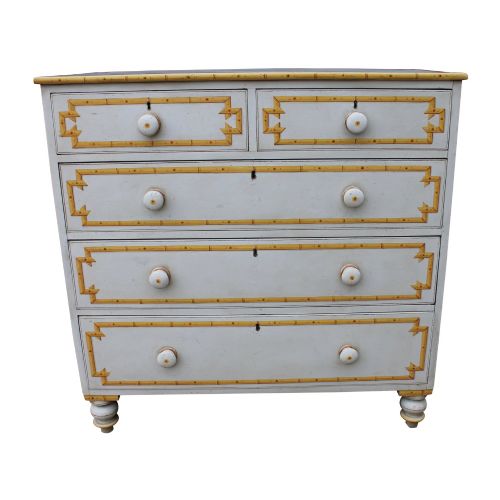
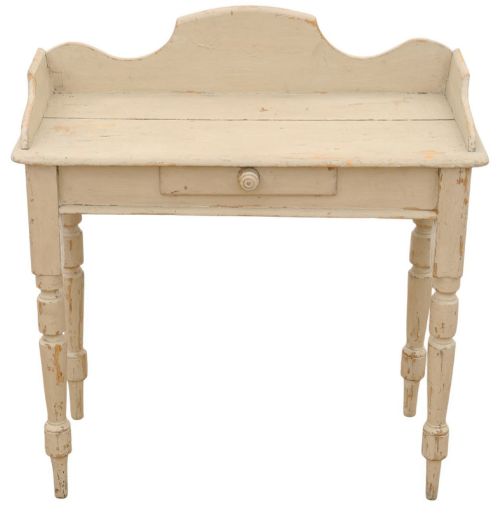
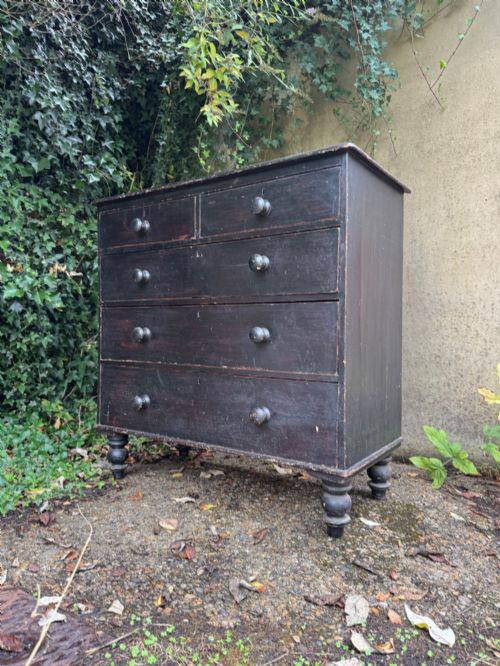
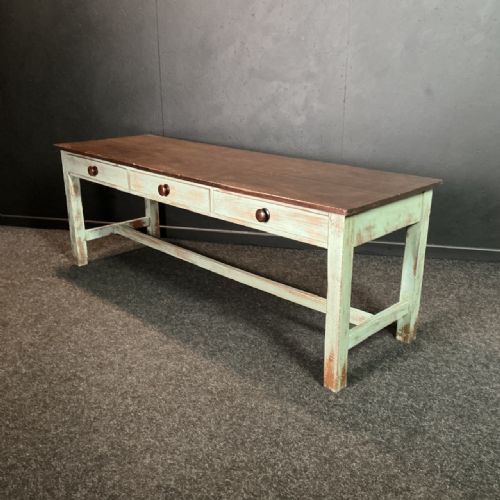
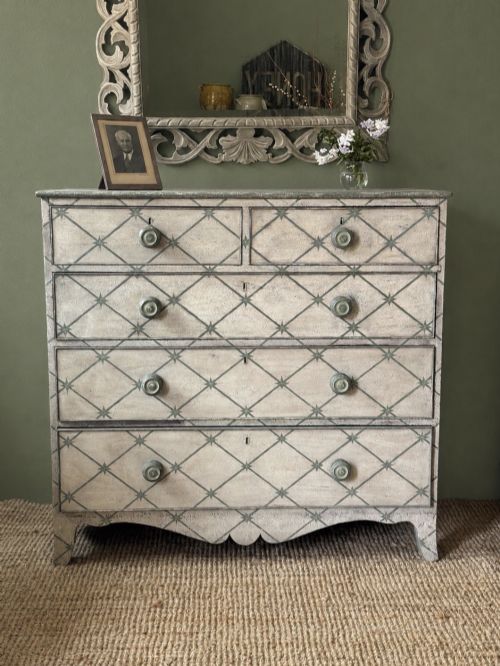
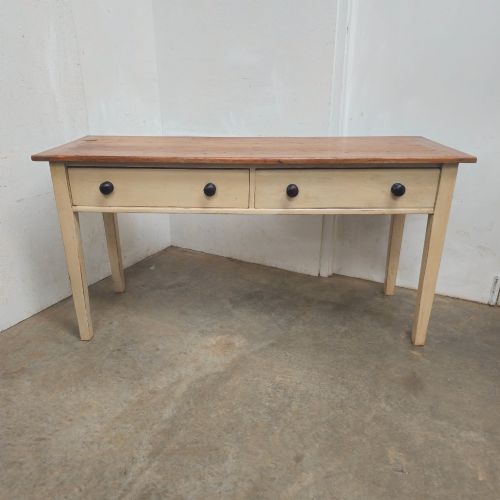
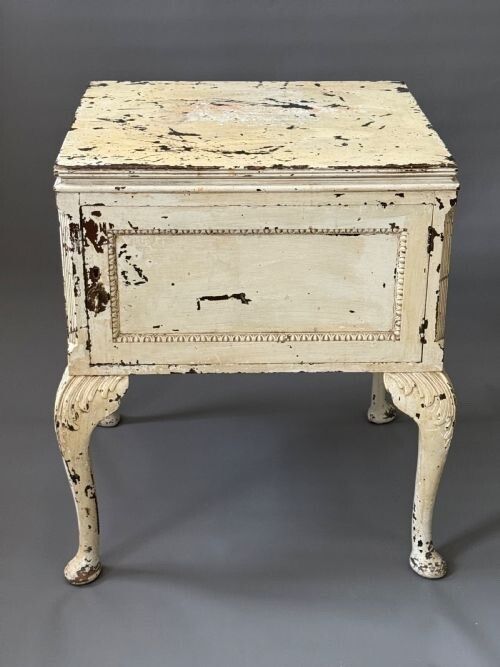
Victorian painted drawers encompass nineteenth-century chests, banks of drawers, and washstands finished with historic paint, scumble, or stencilling. These pieces range from simple country house storage to decorative items featuring faux bamboo or Chinoiserie details.
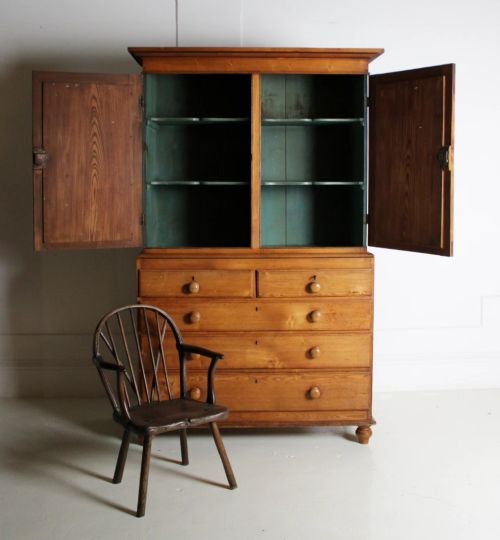
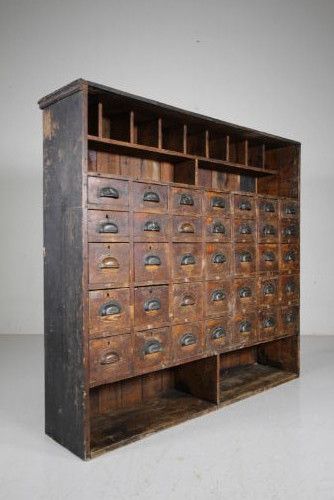
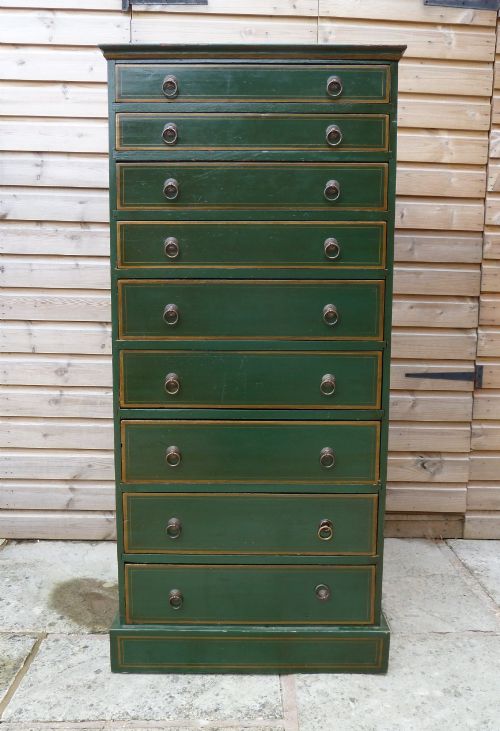
Buyers seeking victorian painted drawers will frequently encounter pine chests of drawers displaying original or later painted surfaces. The selection includes standard two-over-three drawer configurations, petite apprentice pieces, and larger chemist shop fittings.
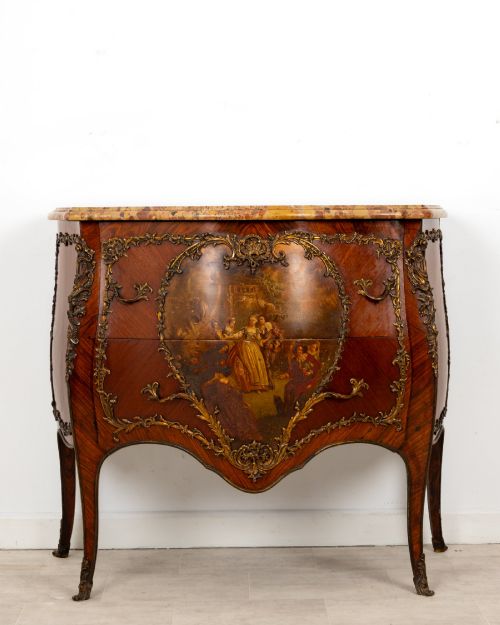
Originating largely from English, Welsh, and continental workshops, these items reflect both utilitarian domestic needs and decorative rustic tastes. The forms span from modest farmhouse storage to sophisticated Louis XV revival commodes.
How They Were Made
Makers constructed the carcases primarily using solid pine, alongside occasional mahogany, birch, and ash, joined with traditional dovetails and fitted with brass, iron, or wooden handles.
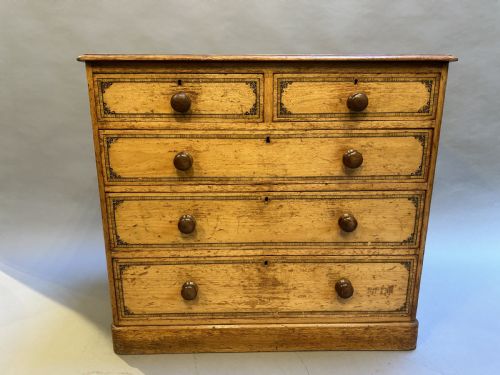
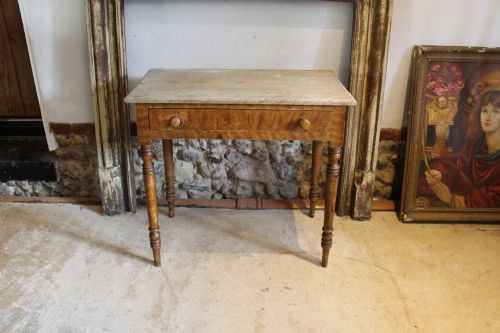
Surfaces received layers of lead-based paint, distemper, or scumble glaze, sometimes applied with stencils or graining tools to imitate more expensive exotic timbers.
Structural hardware frequently included turned wooden onion feet, ceramic knobs, and brass drawer pulls, supporting the functional daily use of these storage items.
Chemist shop fittings survive with handwritten paper labels still stuck inside the tiny drawers for sorting leeches and rhubarb.
What Varies in Quality
Quality rests significantly on the survival and integrity of the original surface finish, distinguishing pieces retaining untouched historic paint from those stripped or repeatedly repainted.
Construction methods determine the enduring strength of the piece, separating standard utilitarian workshop output from finely detailed examples with precise dovetailing and well-balanced proportions.
Heal & Sons
The Victorian Painted Drawers Glossary
- Scumble
- A translucent dark glaze dragged or combed over a lighter base coat to simulate wood grain. This decorative technique was widely applied to nineteenth-century pine furniture.
- Commode
- A low cabinet or chest of drawers designed for bedroom storage. The term often describes French revival pieces with decorative mounts.
- Bank of drawers
- A multi-drawer unit typically utilised in commercial or institutional settings such as chemist shops and offices. These utilitarian pieces feature numerous small drawers.
- Knockdown
- Furniture designed to be easily dismantled for transport using wedged joints or bolts. This construction method was common in large nineteenth-century wardrobes.
Victorian Painted Drawers: Frequently Asked Questions
How were they used historically?
Households utilised these pieces in bedrooms and kitchens for storing linen, clothing, and domestic goods. Commercial establishments employed larger banks for organising dry goods and medicines.
Their robust construction suited heavy daily tasks in both rural farmhouses and town shops.
How do I identify original paint?
Original finishes show natural craquelure, authentic wear patterns, and multiple microscopic layers consistent with age. Under-surfaces often retain traces of the initial preparation.
Later overpainting typically lacks the subtle patination and integration into the timber grain found on untouched nineteenth-century examples.
Where do these pieces fit at home?
These chests function effectively as bedroom storage, hallway console units, or living room statement pieces. Their painted surfaces add colour and texture to contemporary and traditional interiors.
Placing them away from direct heat sources helps preserve the stability of the timber and the historic paint layer.