


Distressed Blue Chest Drawers
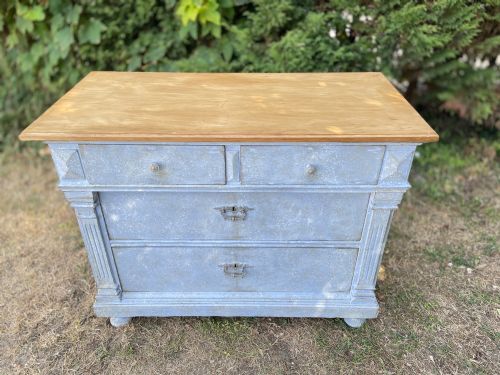
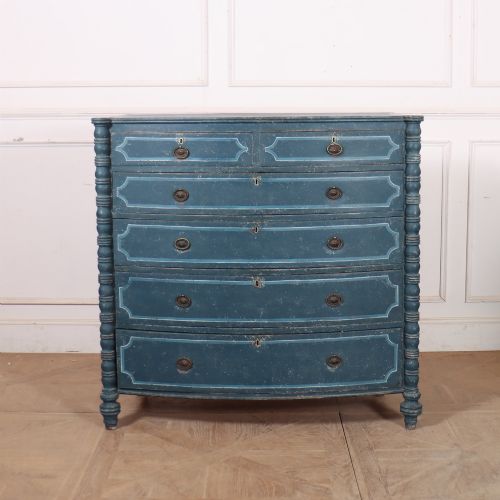
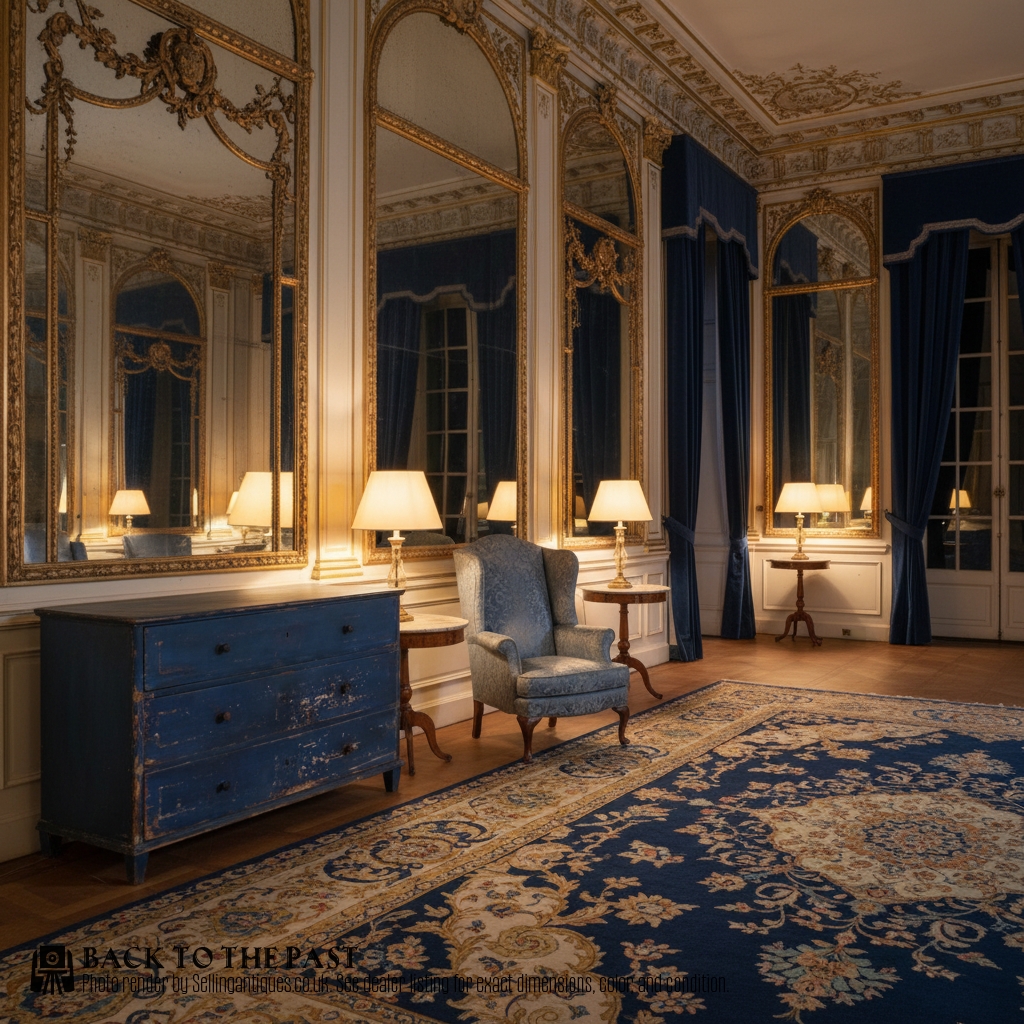
These distressed blue chest drawers bring weathered provincial character into a room through aged paint and timber.
Distressed Blue Chest Drawers
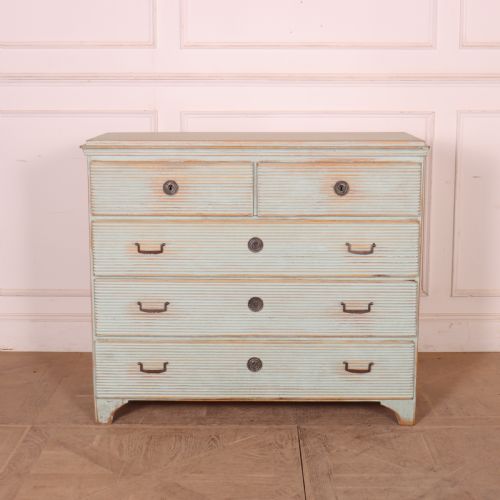
Distressed blue chest drawers combine practical storage with aged painted finishes spanning the eighteenth and nineteenth centuries. You encounter diverse regional interpretations here, including English country pieces, Gustavian commodes, and Scandinavian Baroque designs.
The selection ranges from compact bedside cabinets and two-drawer commodes to large Georgian chests on stands and serpentine chests. Many pieces display original or later blue painted surfaces that show varying degrees of surface wear and weathering.
How they were made
Cabinet makers constructed the carcases predominantly from pine, oak, and other native timbers, using traditional dovetail joints for the drawers. Iron and brass handles, escutcheons, and hinges secure the moving parts.
Surfaces received layers of lead or oil-based paint, which over decades developed natural crackling, chipping, and fading. Some examples feature decorative detailing such as faux marble tops, diamond-point carving, and fluted drawer fronts.
Several pieces arrive with faux marble tops designed to trick the eye before you touch the cold painted wood.
What varies in quality
Quality rests in the integrity of the underlying timber construction and the authenticity of the surface patina. Pieces with original regional paint surfaces command greater interest than later decorative repainting.
Proportion and execution define the better examples, from the crispness of carved mouldings like diamond points and fluting to the balance of serpentine drawer fronts. Structural soundness in the drawer runners and carcase joints ensures lasting daily utility.
The Distressed Blue Chest Drawers Glossary
- Commode
- A European drawer unit or chest, often standing on relatively tall legs and associated with eighteenth and nineteenth-century provincial workshops. They provide low storage with decorative fronts.
- Serpentine
- A furniture front curving outward in the centre and inward at the sides, or vice versa, requiring skilled carpentry to shape the timber drawers accurately. This profile appears frequently on continental commodes.
- Gustavian
- The Swedish neoclassical style spanning the late eighteenth and early nineteenth centuries, characterised by restrained carving, fluting, and pale painted finishes. These pieces often feature muted blue or grey tones.
- Baroque Revival
- A nineteenth-century revival style copying the dramatic scrolls, heavy moulding, and robust proportions of the seventeenth-century Baroque period. It is often seen on Scandinavian painted chests.
Distressed Blue Chest Drawers: Frequently Asked Questions
Are these blue finishes original?
The evidence shows a mix of original historic paint surfaces from the eighteenth and nineteenth centuries alongside pieces that received later decorative paint treatments.
Closer inspection of the paint layers and underlying timber wear helps distinguish period finishes from modern decorative applications.
How do I care for antique painted wood?
Protect the aged painted surfaces by keeping pieces away from direct sunlight and fluctuating heat sources that cause wood movement.
Dust gently with a dry cloth and avoid harsh chemical cleaners that might strip the delicate distressed patina.
What rooms suit a painted commode?
These chests offer practical surface space and drawer storage suitable for bedrooms, hallways, or living areas.
Their distinct provincial character allows them to function as focal storage units against neutral walls.
How do regional styles differ?
English country pieces often favour simple proportions and functional pine or oak construction, while Swedish Gustavian items display neoclassical fluting and lighter painted palettes.
Continental European examples frequently incorporate serpentine shaping and more elaborate decorative mouldings.