
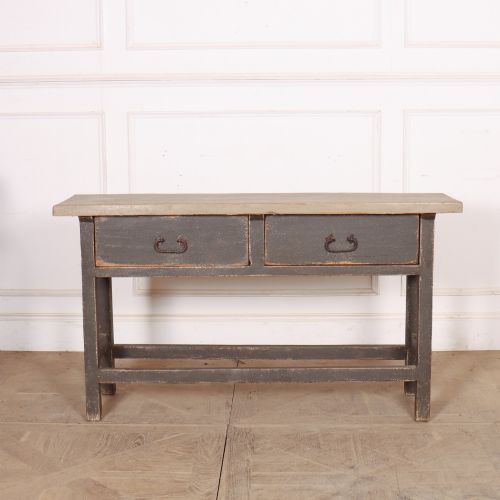
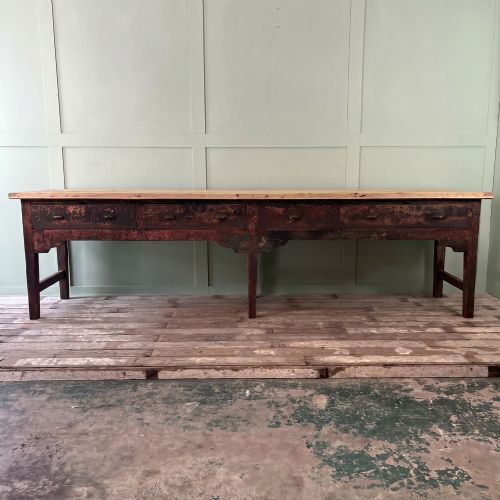
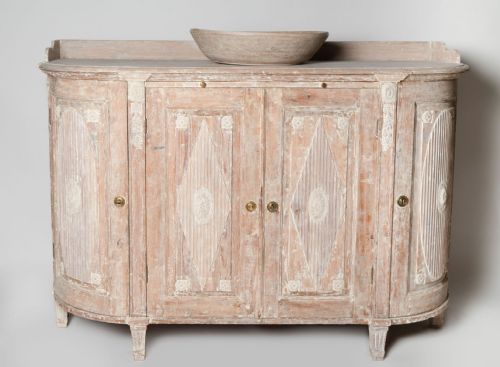
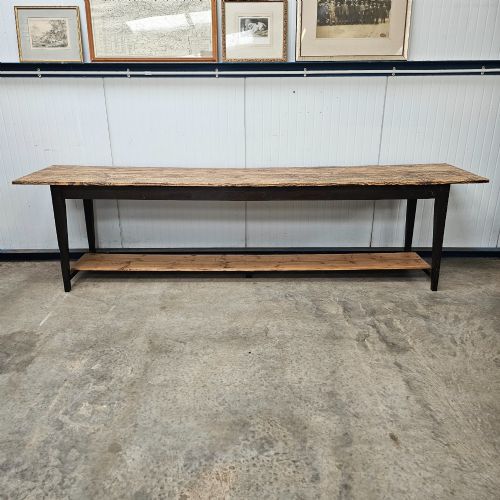
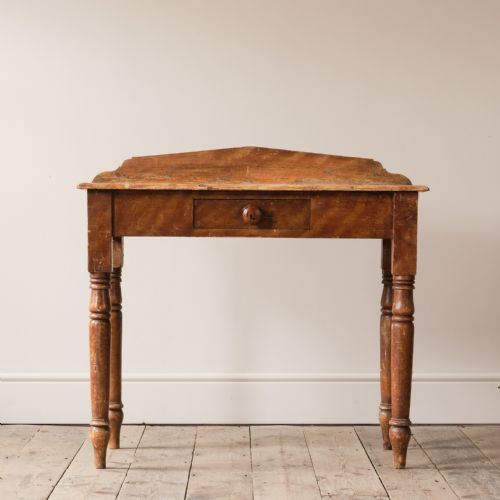
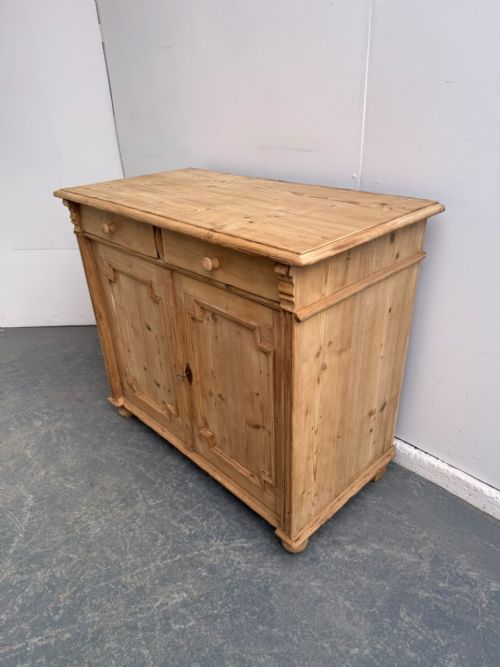
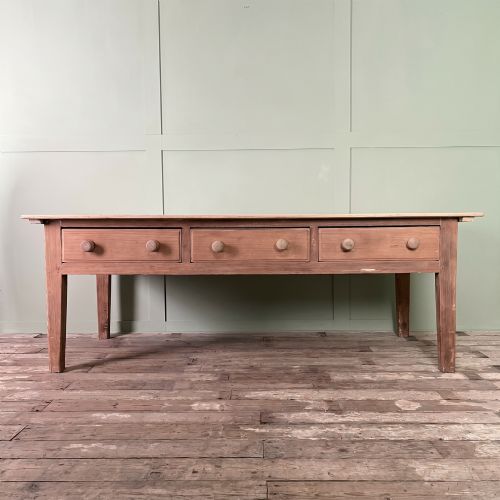
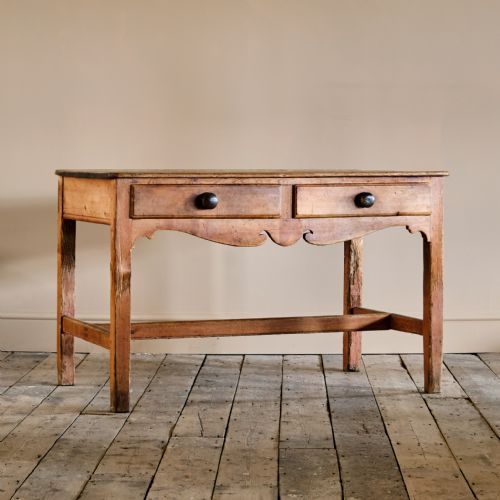
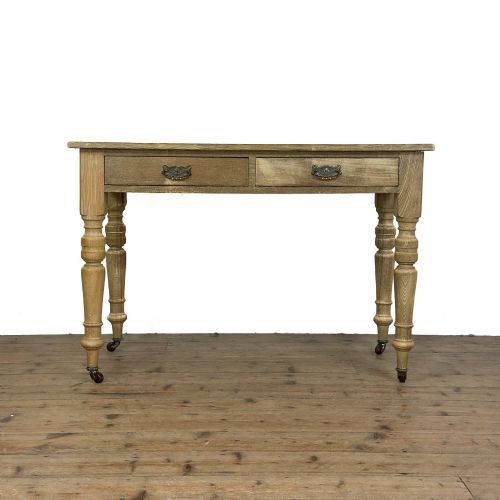
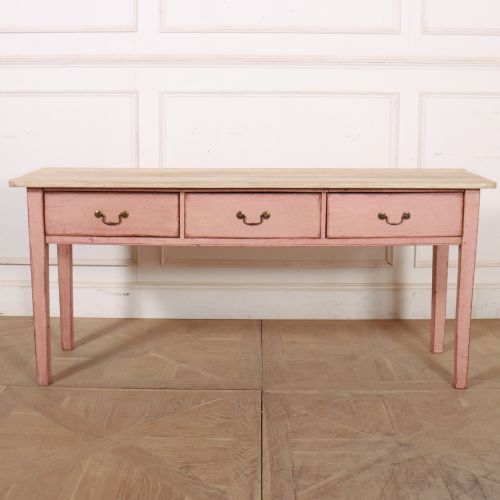
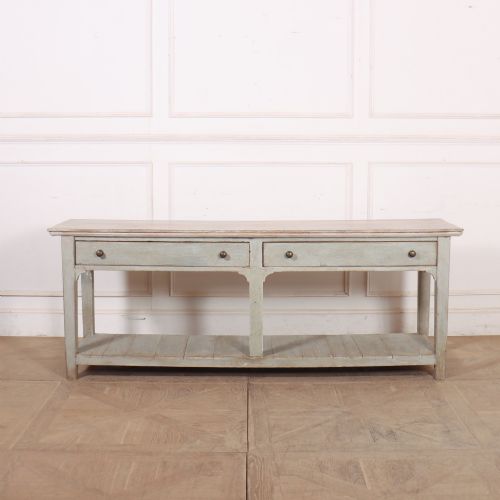

Country Pine Server Table
A country pine server table provides honest utility and timeless proportion, bringing practical storage and warm timber character to a kitchen or dining room.
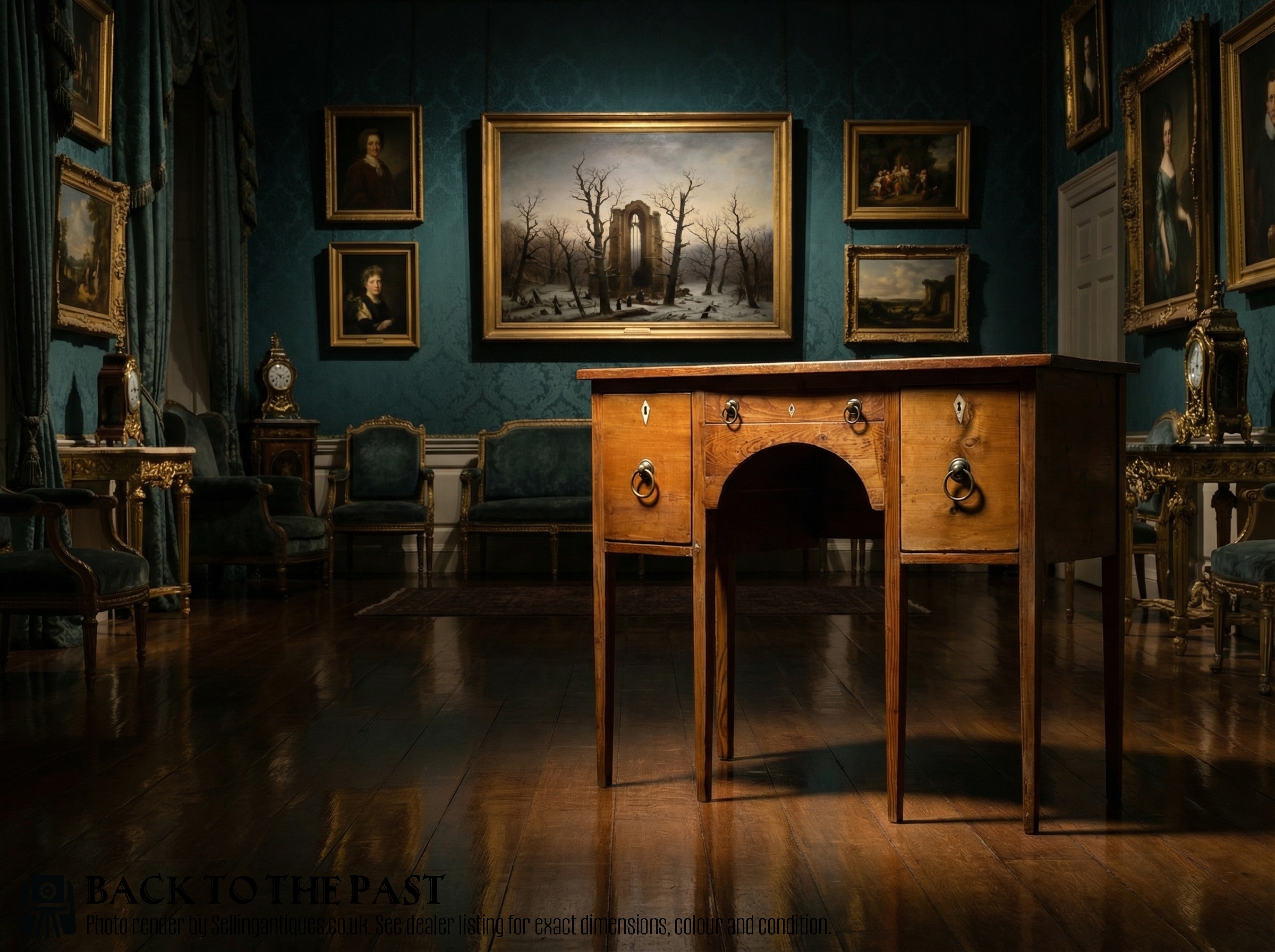
Country Pine Server Table
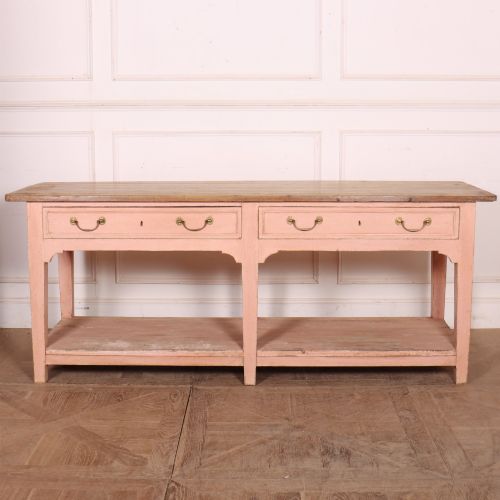
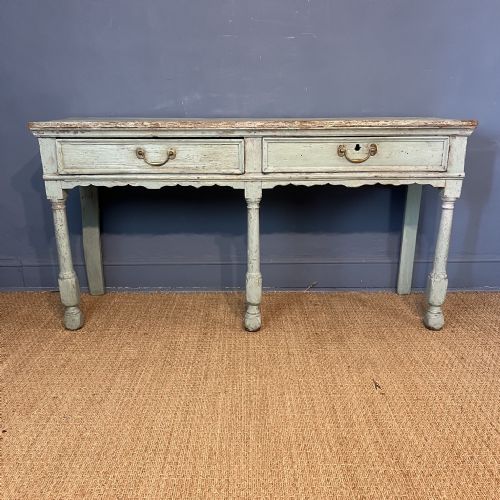
A country pine server table is a utilitarian surface designed for food preparation and storage, frequently taking the form of a dresser base, console, or serving table. These pieces emerge primarily from 18th century, 19th century, and Victorian periods, reflecting the functional needs of domestic spaces in England, Scotland, Wales, France, and Sweden.
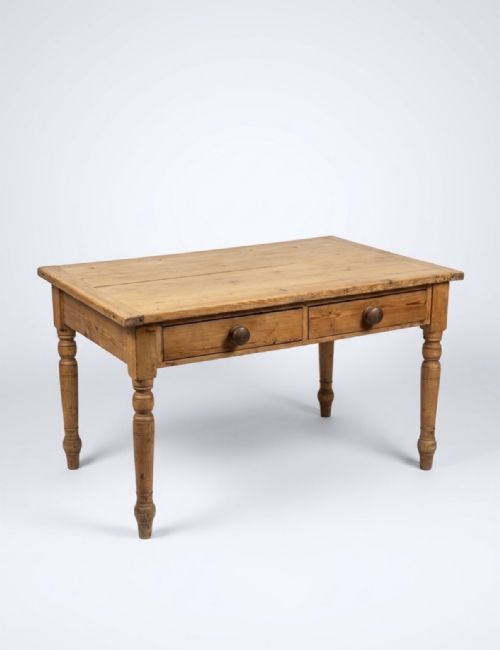
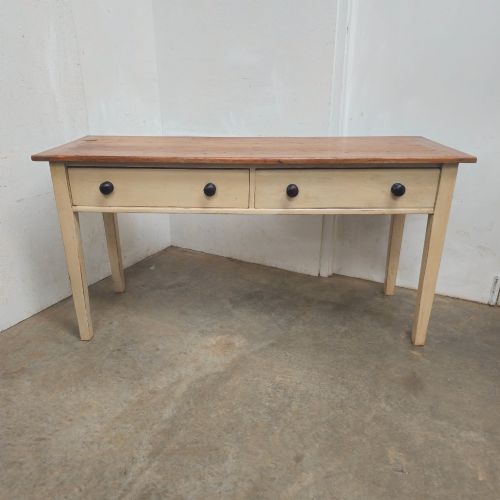
The selection here encompasses English country, rustic farmhouse, and provincial styles, with potboard dresser bases, multi-drawer servers, and dairy prep tables appearing regularly. Buyers searching for a country pine server table will encounter long harvest tables, console tables, and two-door cupboards built for daily domestic labour.
Such tables balance robust construction with accessible proportions, serving equally well as sideboards in a dining room or prep surfaces in a working kitchen. Their enduring appeal lies in this straightforward utility, combined with the tactile warmth of aged softwood.
How they were made
Construction relies heavily on solid pine timbers, occasionally paired with oak or sycamore for heavy-use tops, and augmented with iron or brass hardware where functional. Makers utilised durable joinery methods suitable for hardworking furniture, ensuring the frames could withstand daily kitchen tasks.
Surface treatments vary significantly between bare stripped wood, traditional wax finishes, and layered coats of original paint. Many surviving examples retain traces of their working history through historic painted finishes in muted tones or clear waxed patinas that highlight the grain of the pine.
The inventory records pieces spanning the 18th and 19th centuries, alongside Victorian, Georgian, and Edwardian periods.
What varies in quality
Quality in these utility tables is defined by the integrity of the original construction and the preservation of authentic surfaces. Pieces retaining their initial painted finish or deep, undisturbed wax patinas command greater interest than those subjected to modern stripping or aggressive sanding.
Proportion and structural honesty also distinguish finer examples, such as those featuring integrated potboards, original brass or iron pulls, and undisturbed timber movement. The relationship between the top board width and the base framing reveals the care taken by regional makers.
The Country Pine Server Table Glossary
- Potboard dresser base
- A low sideboard featuring an open lower shelf, known as a potboard, traditionally used for storing earthenware and heavy kitchen utensils.
- Dairy prep table
- A specialised work table, sometimes constructed with sycamore or pine, designed for cheese making and dairy management in large country houses.
- Bread slide
- A pull-out wooden shelf integrated into a dresser base or server, originally utilised for cooling freshly baked loaves of bread.
- Harvest table
- An elongated dining or work table, often built in long proportions to accommodate farm labourers during seasonal meals.
- Console table
- A wall-mounted or freestanding side table designed for narrow spaces, frequently featuring drawers for linen and cutlery storage.
Country Pine Server Table: Frequently Asked Questions
What is a country pine server table used for?
These tables function as practical preparation surfaces and storage units in kitchens, dining rooms, and hallways.
They provide deep drawers and lower shelves for tableware, linens, and dry goods while offering a sturdy top for daily tasks.
How do I care for a painted pine surface?
Maintain original or historic paint finishes by dusting gently with a dry, soft cloth and avoiding chemical cleaning products.
Waxed pine surfaces benefit from occasional application of traditional beeswax to nourish the timber and protect against moisture.
Are these tables suitable for modern kitchens?
Their modest depth and robust construction make them ideal as freestanding islands, breakfast bars, or sideboards.
They introduce historic character and useful surface area without overwhelming contemporary kitchen layouts.
How can I tell an older table from a later reproduction?
Examine the timber for tool marks, hand-cut joinery, and natural wear patterns accumulated through decades of domestic service.
Authentic period pieces display genuine timber shrinkage, oxidised fixings, and patination that modern manufacturing cannot replicate.