

Country Oak Chest
A country oak chest provides robust domestic storage, spanning plain blanket boxes to fitted drawers crafted across three centuries.
Country Oak Chest
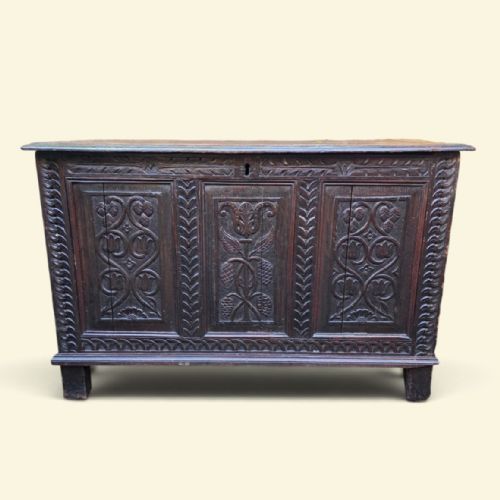
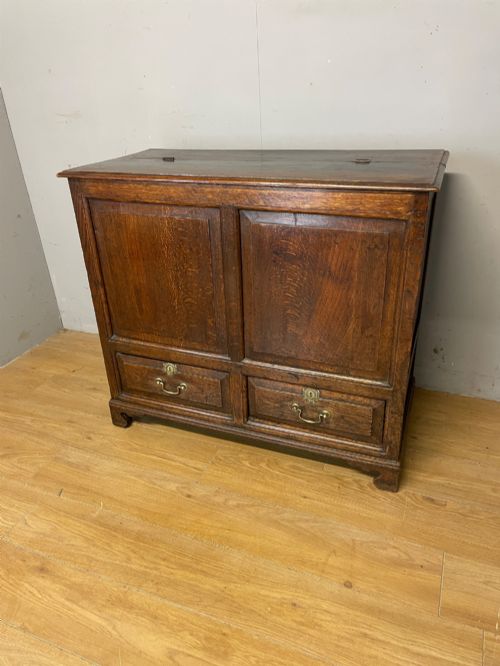
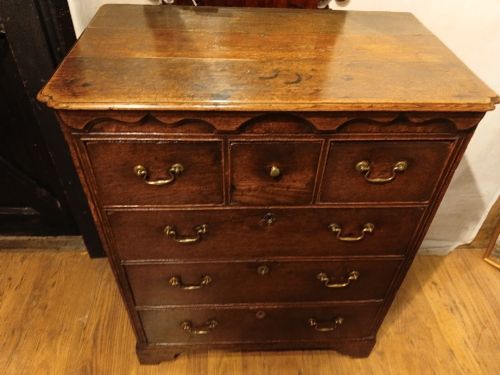
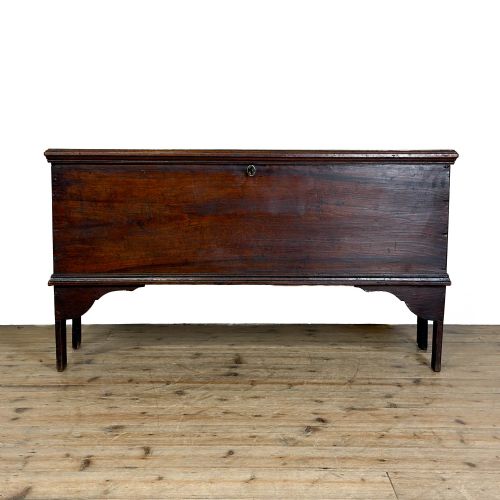
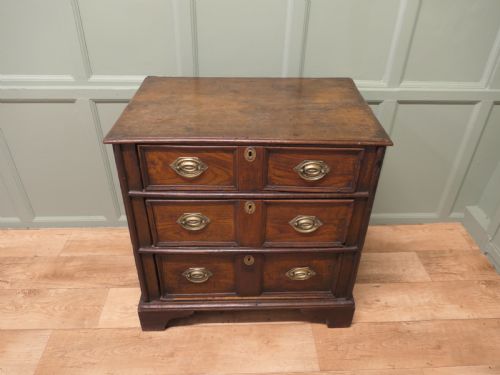
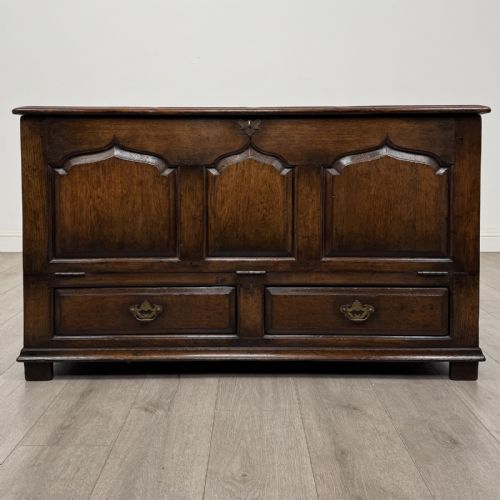
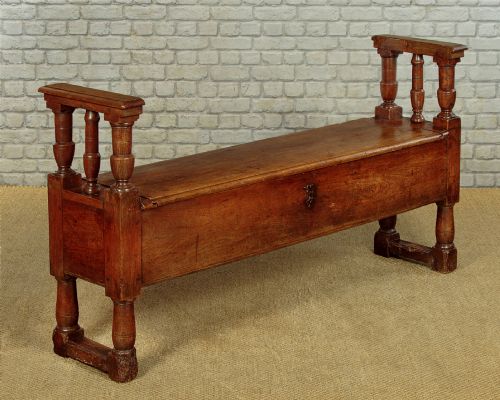
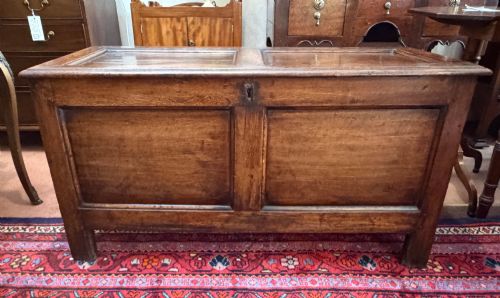
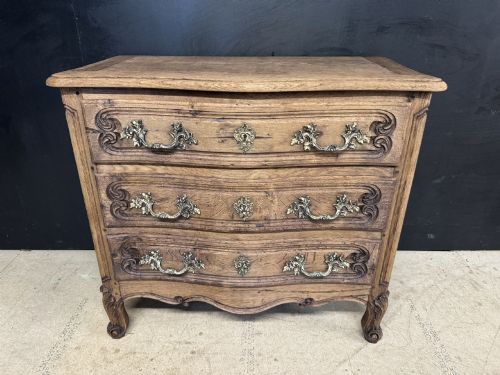
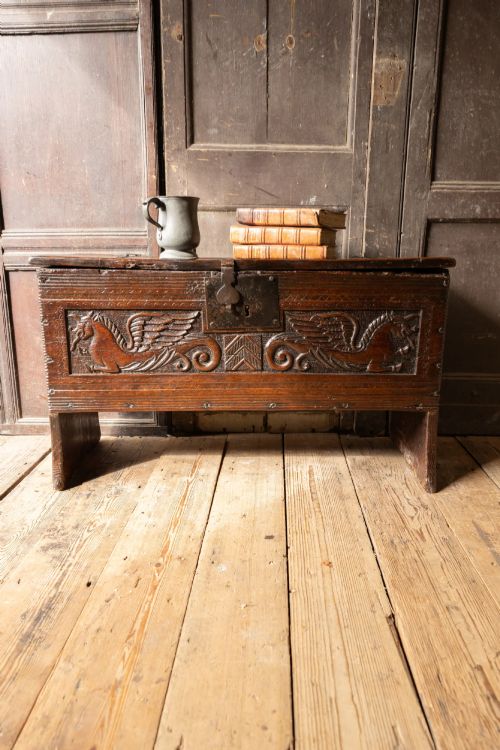
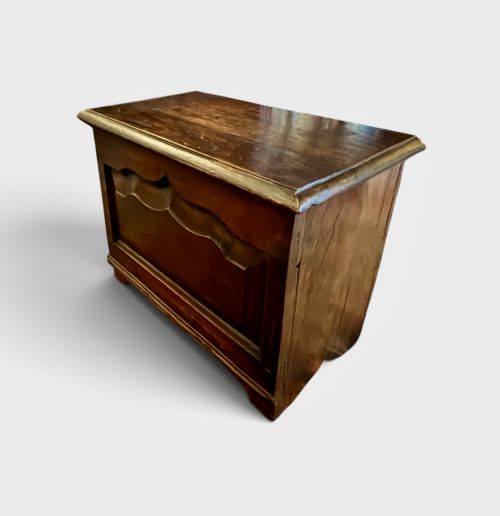
A country oak chest appears in several distinct forms, including simple blanket boxes, lift-lid coffers, mule chests, and multiple drawer arrangements. The pieces span periods from the seventeenth century through the nineteenth century, reflecting regional vernacular joinery rather than urban sophistication.
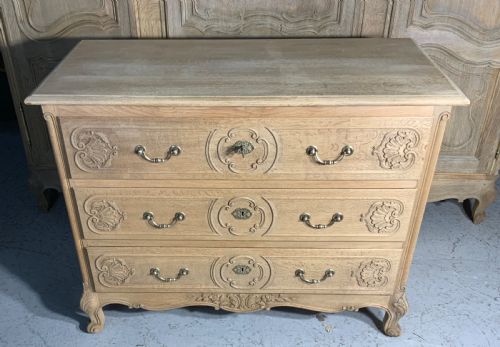
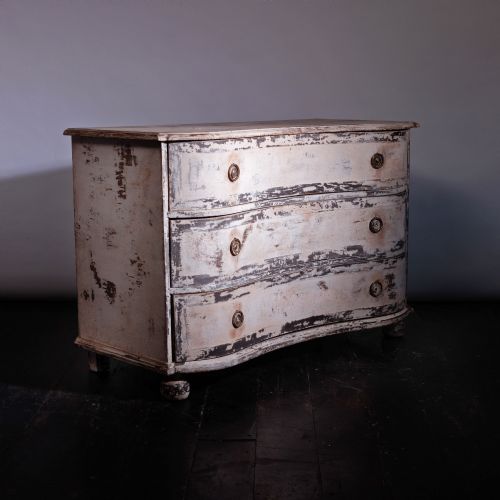
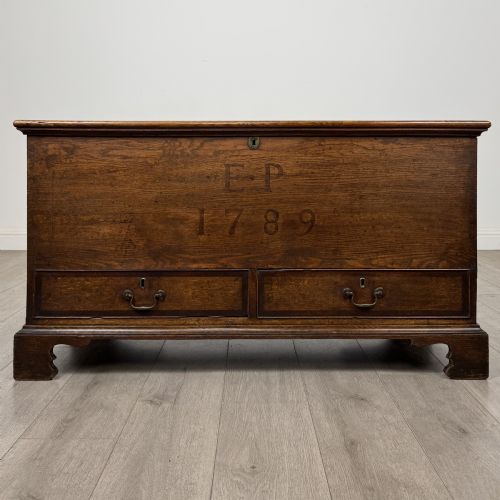
The version most commonly met on this page is the chest of drawers or lift-lid coffer originating from the eighteenth and nineteenth centuries. These items served functional roles in country houses and rural bedchambers, constructed to hold linens, garments, and personal possessions.
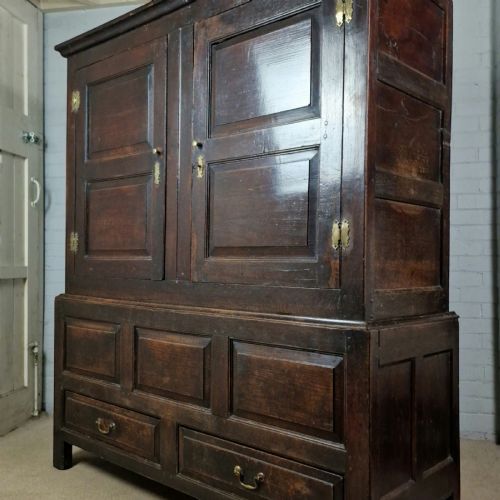
Mull-style mule chests and chest on chest variations also surface, combining deep lower drawer storage with upper compartment access. Each object demonstrates the straightforward utility demanded by rural households across Georgian and Victorian eras.
Materials and Technique
Solid oak forms the primary material for every piece, chosen for its strength and local availability. Makers utilised heavy planks, sometimes incorporating raised panel construction to accommodate the natural expansion and contraction of timber over time.
Metal components in iron and brass appear selectively on hinges, escutcheons, and drawer pulls. Many early examples rely on forged iron strapwork, while later Georgian and nineteenth-century pieces introduce cast brass handles and keyplates.
Country Oak Chest Retail Price Guide 2026
Typical asking prices for country oak chest among the pieces listed under this phrase on Sellingantiques today, from the lower quarter to the upper quarter. They describe what is for sale here now, not the wider market.
Listings feature items spanning the 17th century through the 19th century, utilising solid oak, brass, and iron.
Standards of Construction
The distinction between standard utility items and finer pieces lies in the precision of the joinery and the selection of timber figures. Superior examples display carefully matched grain, tight panel fits, and uncompromised structural integrity throughout the carcass.
Alterations and replacement hardware influence the standing of an item within the range. Pieces retaining their original brasses, undisturbed panelwork, and authentic surface patination command greater appreciation among collectors than those with extensive modern repairs.
The Country Oak Chest Glossary
- Mule chest
- A storage chest featuring one or more drawers built into the base beneath a lift-lid compartment. This form bridges the evolution between the traditional coffer and the modern chest of drawers.
- Raised panel
- A wooden panel with edges thinned down to fit into a grooved frame, allowing the central board to float securely. This technique prevents splitting as humidity changes.
- Coffer
- A heavy wooden box with a lid, used primarily for safekeeping valuables and textiles before dedicated wardrobe furniture became common.
- Crossbanded
- A decorative technique where border strips of veneer are laid with the grain running perpendicular to the surrounding wood. It appears on more refined Georgian drawer fronts.
- Livery cupboard
- A tall storage piece, related to chests, traditionally used for storing food provisions or household garments in country houses.
Country Oak Chest: Frequently Asked Questions
How do I date an old oak chest?
Dating relies on observing construction methods, handle styles, and timber preparation. Earlier pieces from the seventeenth and early eighteenth centuries utilise hand-split boards and pegged mortise and tenon joints.
Later nineteenth-century examples often reveal machine-sawn timber and standardised hardware fixings. Comparing the drawer linings and backboards helps confirm the period of manufacture.
What is the difference between a coffer and a mule chest?
A standard coffer consists of a simple box with a top-opening lid for storing bulky items. A mule chest incorporates one or more functional drawers beneath the main lift-up compartment.
This addition allowed access to frequently used garments without needing to move items piled on top of the lid.
How should I care for solid oak furniture?
Solid oak responds best to stable indoor humidity and protection from direct heat sources. Applying traditional beeswax periodically nourishes the wood and maintains the natural surface sheen.
Avoid modern silicone polishes, which build up on the grain and dull the historical patination accumulated over centuries.
Are replacement handles common on these chests?
Replacement brasses or iron pulls occur frequently due to centuries of daily use and shifting hardware fashions. Many eighteenth-century chests received updated handles during the Victorian period.
Examining the interior of the drawer front often reveals filled screw holes indicating earlier handle configurations.