



Country French Bedroom Storage
Country french bedroom storage offers practical utility through commodes, armoires and cabinets shaped by regional workshops across the eighteenth and nineteenth centuries.
Country French Bedroom Storage
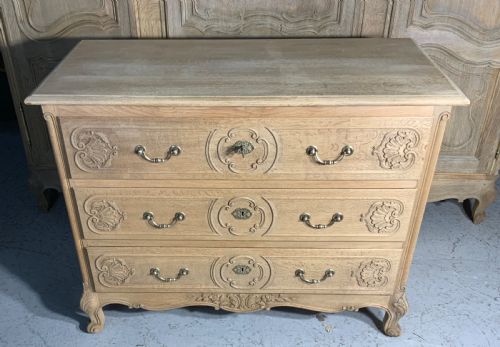
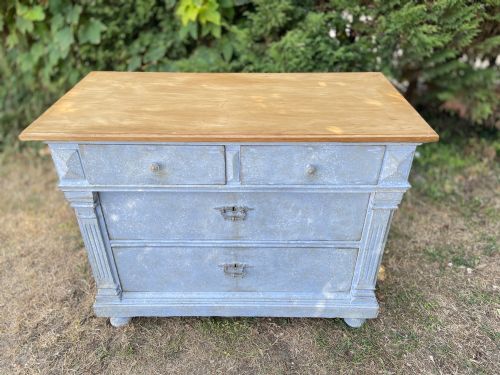
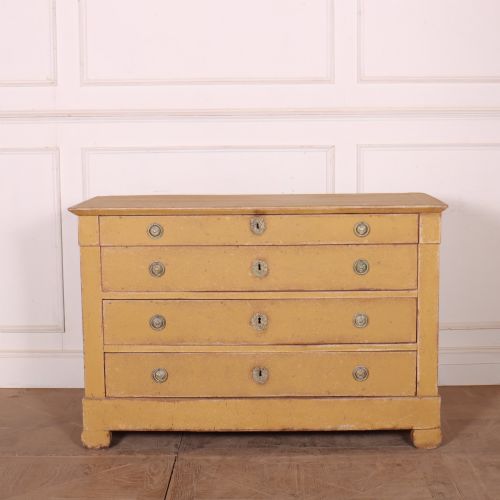
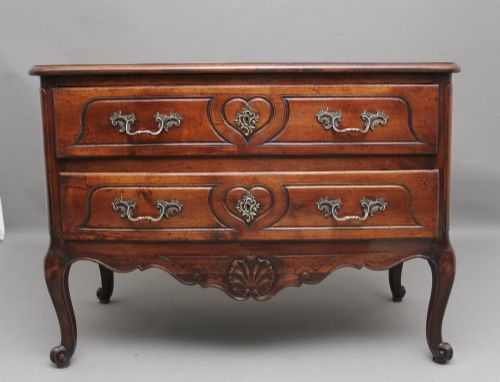
Country french bedroom storage centres on commodes, chests of drawers and bedside cabinets that bring regional character to domestic spaces. These pieces emerge primarily from nineteenth and eighteenth century traditions, spanning provincial workshops and urban centres alike.
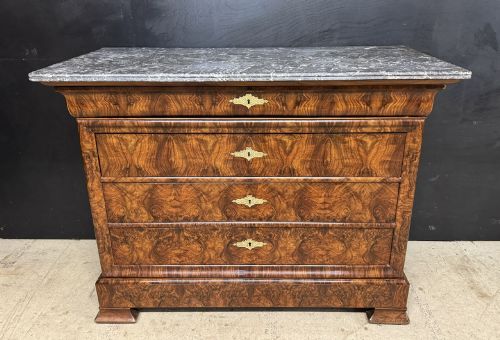
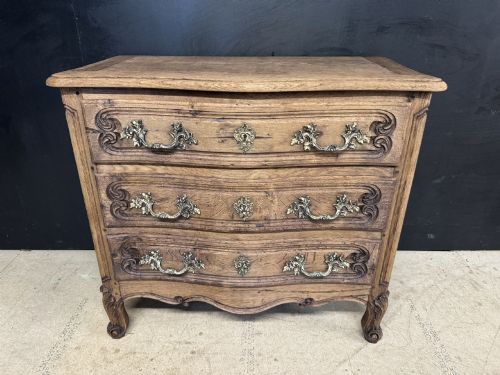
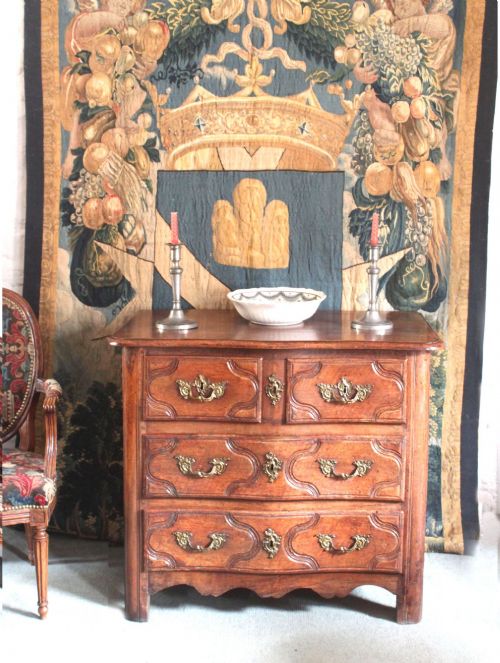
Commodes dominate the selection, often featuring serpentine fronts or simple geometric lines associated with the Louis Philippe era. Buyers frequently encounter walnut, oak and cherrywood constructions alongside painted finishes and marble tops.
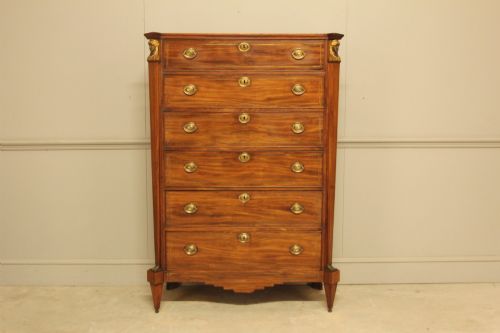
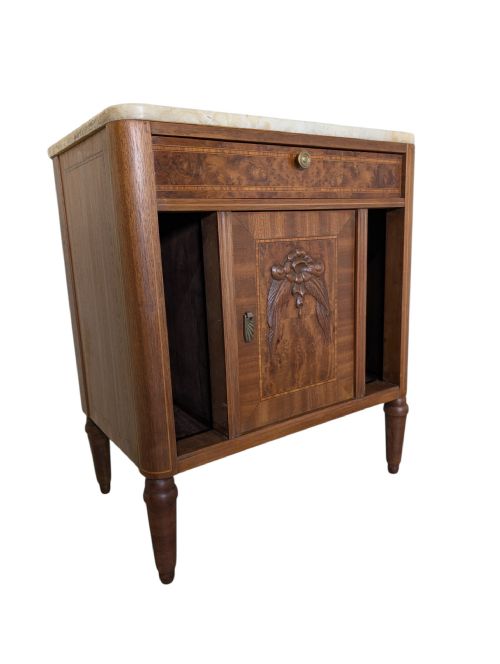
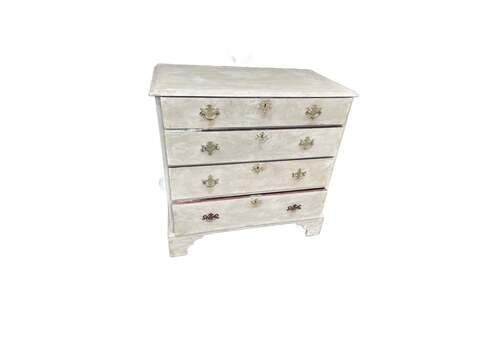
Alongside traditional commodes, listings include tallboy chests of drawers, storage cupboards and bedside cabinets. Each form reflects the specific domestic needs of french provincial households, balancing decorative presence with everyday utility.
Materials and Construction Methods
Cabinetmakers utilised dense hardwoods including walnut, oak and cherrywood to build robust carcases designed for longevity. Burr walnut veneers and bleached or scrubbed oak surfaces provide distinct tactile and visual qualities across different periods.
Decorative detailing relies on hand carving directly into the timber, alongside specialised elements such as diamond-point moulding and painted treatments. Brass hardware and inset marble tops complete the construction of finer commodes.
Country French Bedroom Storage Retail Price Guide 2026
Typical asking prices for country french bedroom storage among the pieces listed under this phrase on Sellingantiques today, from the lower quarter to the upper quarter. They describe what is for sale here now, not the wider market.
Some nineteenth century drawers retain faint traces of old lavender water splashed inside by forgotten owners.
Factors Defining Quality
Quality rests upon the selection of timber and the precision of the joinery rather than mere age. Finely figured burr walnut veneers and well-executed serpentine drawer fronts distinguish superior examples from simpler utilitarian pieces.
The integrity of secondary woods, drawer linings and original brass mounts further separates standard provincial furniture from workshop pieces bearing refined decorative carving.
Edwards and Roberts
The Country French Bedroom Storage Glossary
- Commode
- A low chest of drawers or cabinet originating in France, typically featuring multiple drawers and standing on short legs. These pieces served as primary bedroom storage before fitted wardrobes became standard.
- Serpentine
- A furniture front curving outward in the centre and inward at the sides in a gentle wave. This shape demands considerable skill from the woodworker.
- Burr Walnut
- Timber taken from the abnormal growth of a walnut tree, yielding complex, swirling grain patterns. Cabinetmakers sliced this wood into thin veneers for decorative surfaces.
- Tallboy
- A tall chest of drawers consisting of one chest stacked upon another, maximising vertical storage space. They appeared in various heights throughout the nineteenth century.
- Diamond-Point
- A geometric decorative motif carved into drawer fronts or panels to resemble faceted stones. It creates strong shadow play across the timber.
Country French Bedroom Storage: Frequently Asked Questions
What is a french commode?
A french commode is a low chest of drawers designed primarily for bedroom storage, featuring decorative hardware and occasionally a marble top. These pieces evolved from simple utilitarian boxes into sophisticated items of furniture.
Craftsmen built them in regional timbers such as walnut, oak and cherrywood, applying carved details or painted finishes to suit domestic interiors.
How do I date a wooden chest?
Dating a wooden chest involves examining the timber species, construction methods of the drawer linings, and overall stylistic markers. Eighteenth century pieces often display hand-cut dovetails and native provincial hardwoods.
Later nineteenth century examples incorporate machine-sawn elements, standardised brass fittings and distinct revival styles like Louis Philippe or Empire.
Are marble tops original?
Marble tops on nineteenth century commodes and bedside cabinets are frequently original, providing a durable and cool surface for washing utensils or displaying objects. These slabs rest directly on the timber carcase.
Inspect the edges and underside of the marble to check for matching wear patterns against the wooden frame supporting it.