


Natural Oak Dresser
A natural oak dresser brings warmth and practical storage to a room, crafted from robust timber that handles everyday use.
Natural Oak Dresser
When you search for a natural oak dresser, you find sturdy storage furniture shaped from pale or rich timbers across several decades and regions. The selection here spans Victorian examples alongside pieces from the 1910s, 1920s, and 1930s.
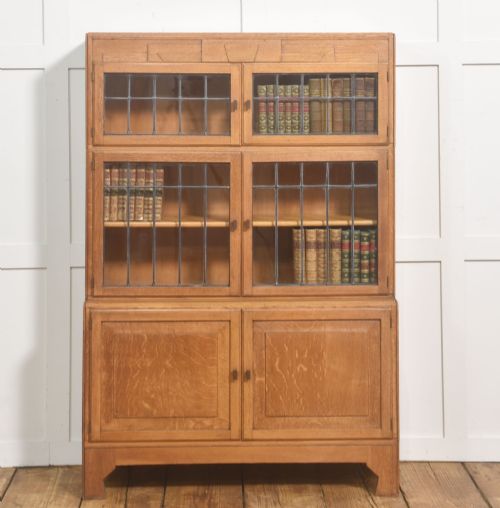
You will encounter regional variations including French provincial cupboards and English Cotswold School pieces. Forms range from sideboards and chests of drawers to glazed bookcases and kitchen cabinets.
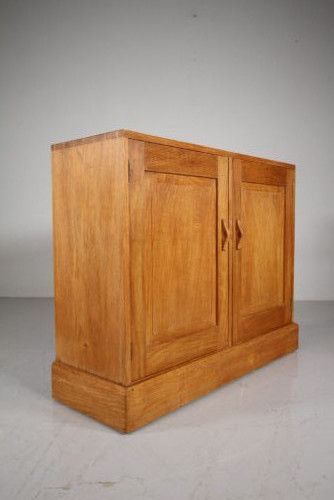
The aesthetic leans towards functional utility with understated decoration. Solid construction and visible grain define the visual appeal of these items.
What varies in quality
The standard of execution lies in the selection of the timber and the precision of the joinery. Pieces associated with specific design movements display a higher degree of hand-finishing in the carved details and hardware.
Proportion and the integrity of the original hardware distinguish finer examples from standard utility pieces. Timber movement and uniform colouration across larger surfaces indicate careful initial wood selection.
Several pieces arrive with original leaded glass windows that still rattle gently when you shut the cupboard doors.
Peter Waals
The Natural Oak Dresser Glossary
- Cotswold School
- A design movement rooted in the Arts and Crafts tradition, emphasising honest construction and local materials. Pieces from this circle often show simplified forms and careful attention to grain.
- Lead came
- The grooved metal strips used to hold small panes of glass together in leaded cabinet doors. This technique provides structural support while creating geometric patterns.
- Scrubs finish
- A treatment where the wooden surface is thoroughly washed and scrubbed to leave a clean, pale, matt texture. It is frequently found on kitchen furniture and utilitarian chests.
- Gothic Revival
- A style drawing on medieval architectural motifs, featuring pointed arches, heavy mouldings, and robust hardware. In cabinetry, this translates to pointed panel shapes and dramatic hinges.
Natural Oak Dresser: Frequently Asked Questions
How do I clean natural oak?
Dust surfaces regularly with a dry cloth to prevent grime accumulation.
Avoid harsh chemical sprays that can strip the natural finish of the timber.
Are these pieces suitable for kitchens?
Many examples originate from domestic kitchen and pantry contexts, making them practical for modern culinary spaces.
The durable timber handles daily use well when kept clear of excessive moisture.
How do I identify Cotswold School work?
Look for unpretentious forms that highlight the natural qualities of the oak.
Construction details often show traditional hand-craftsmanship rather than mass-produced uniformity.
What is leaded glass?
Leaded glass consists of smaller glass panes held together by strips of lead.
This method was common in bookcases and cupboards from the early twentieth century.