





Corner Display Unit
A corner display unit turns dead angles into striking focal points, offering display space and period character without crowding the room.
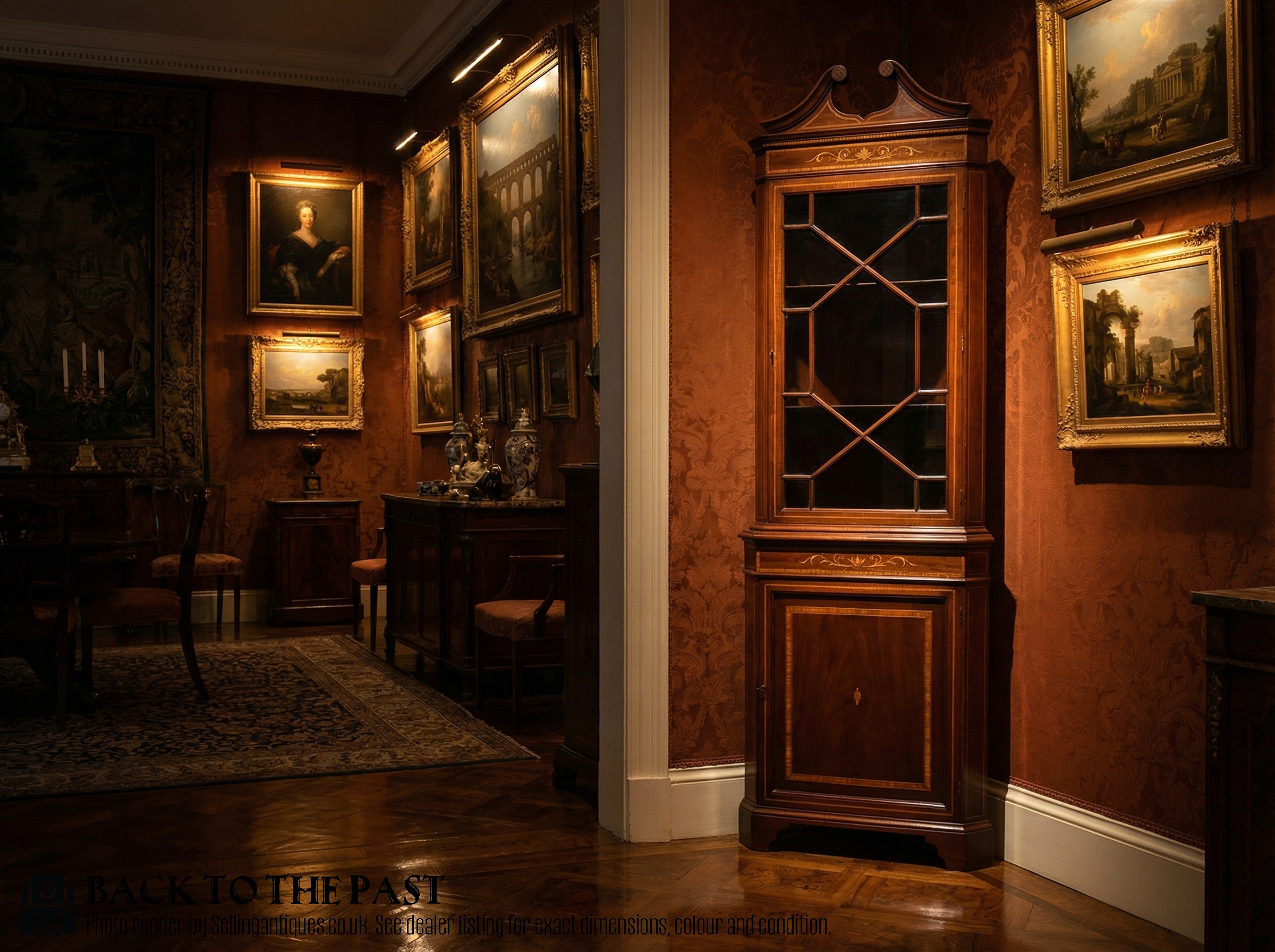
Corner Display Unit
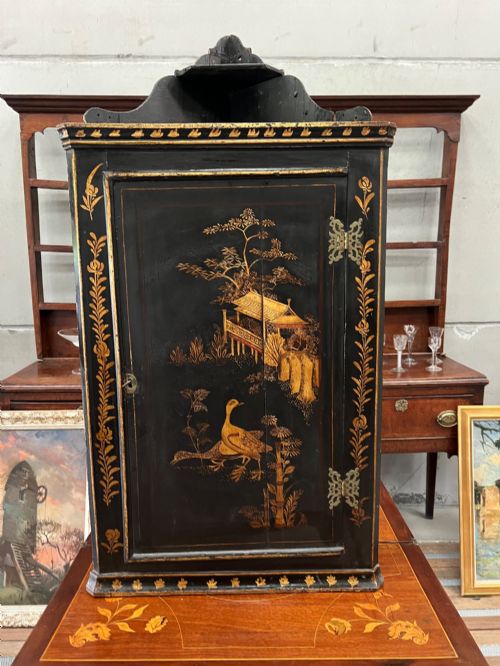
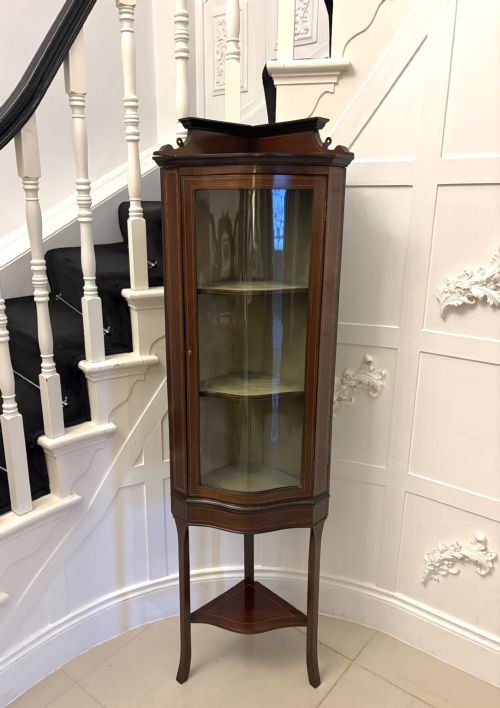
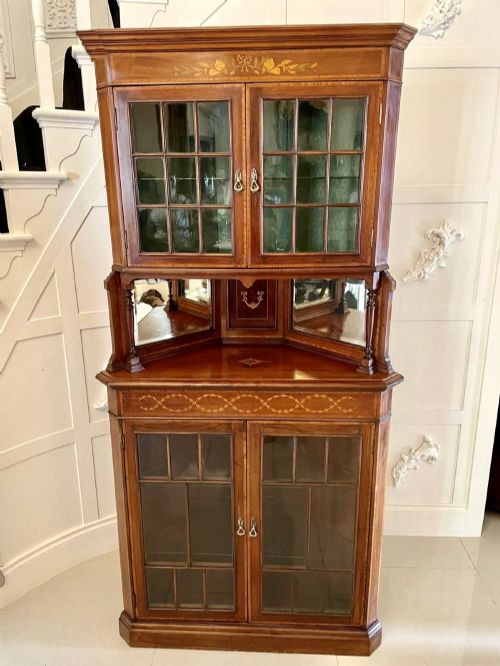
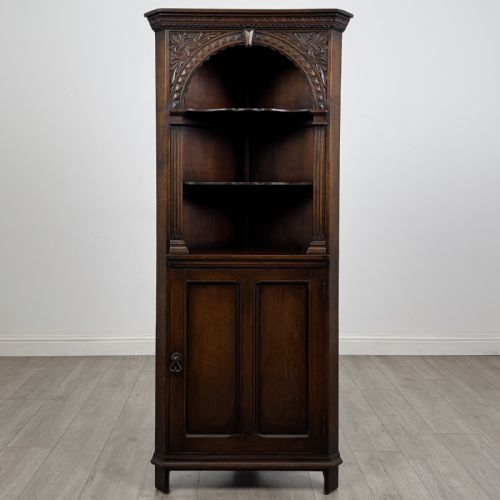
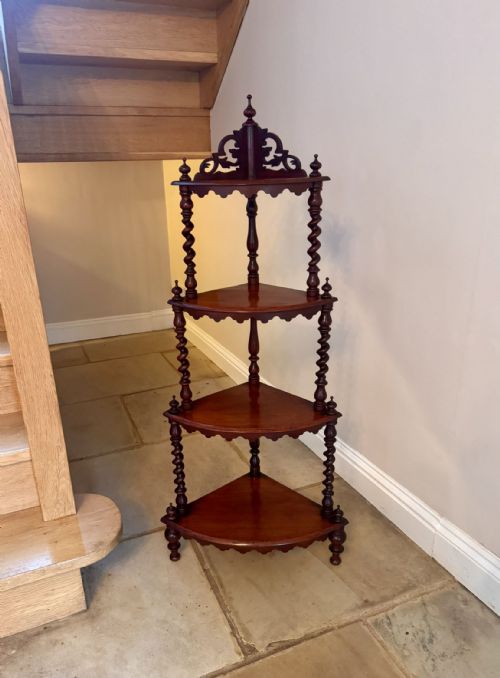
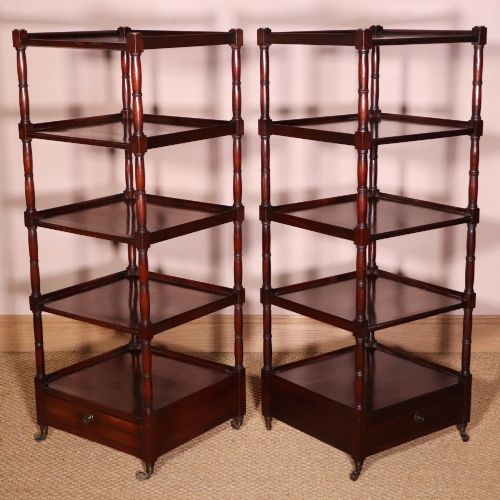
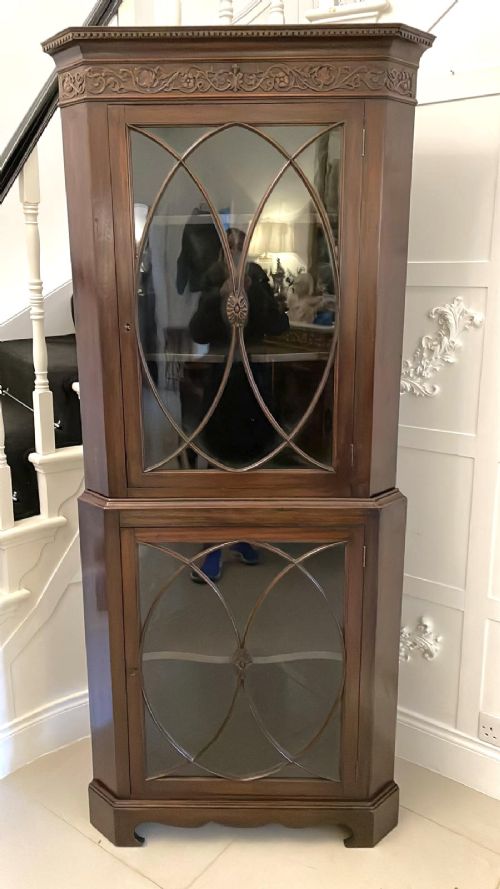
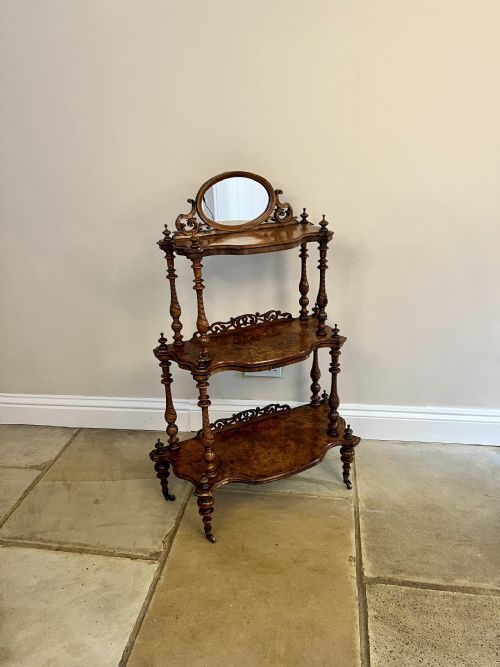
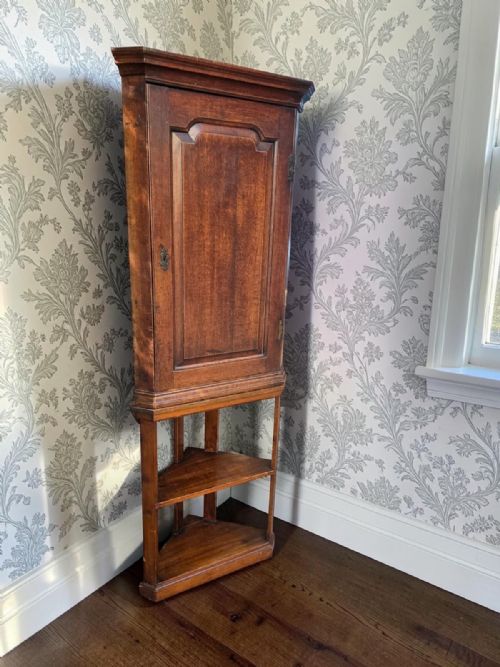
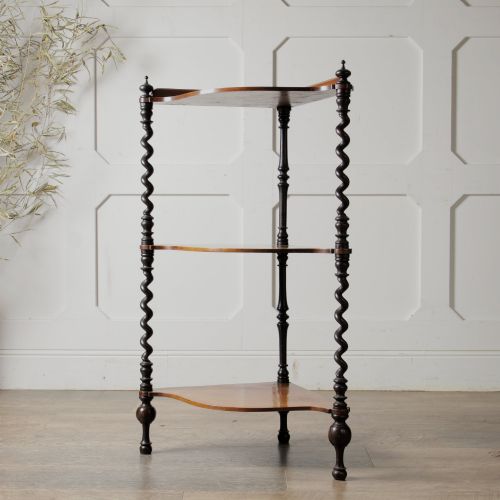
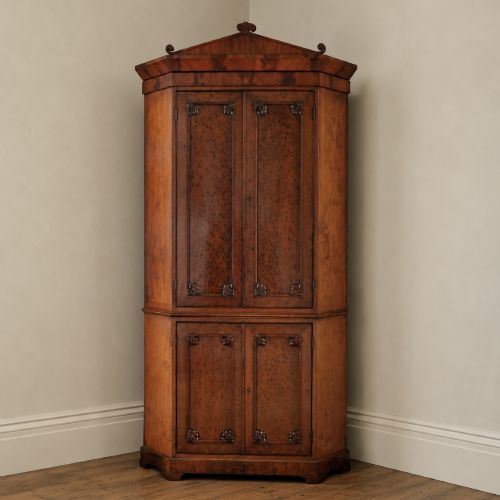
Most examples found here date from the Victorian and Edwardian eras, constructed in mahogany, pine, or satinwood. Buyers frequently encounter enclosed two-part cupboards alongside open whatnots and serpentine-fronted stands.
Originating largely from English workshops, these pieces range from simple country pine cupboards to finely inlaid Edwardian mahogany cabinets. Each form maximises neglected floor or wall space while reflecting the domestic tastes of the nineteenth and early twentieth centuries.
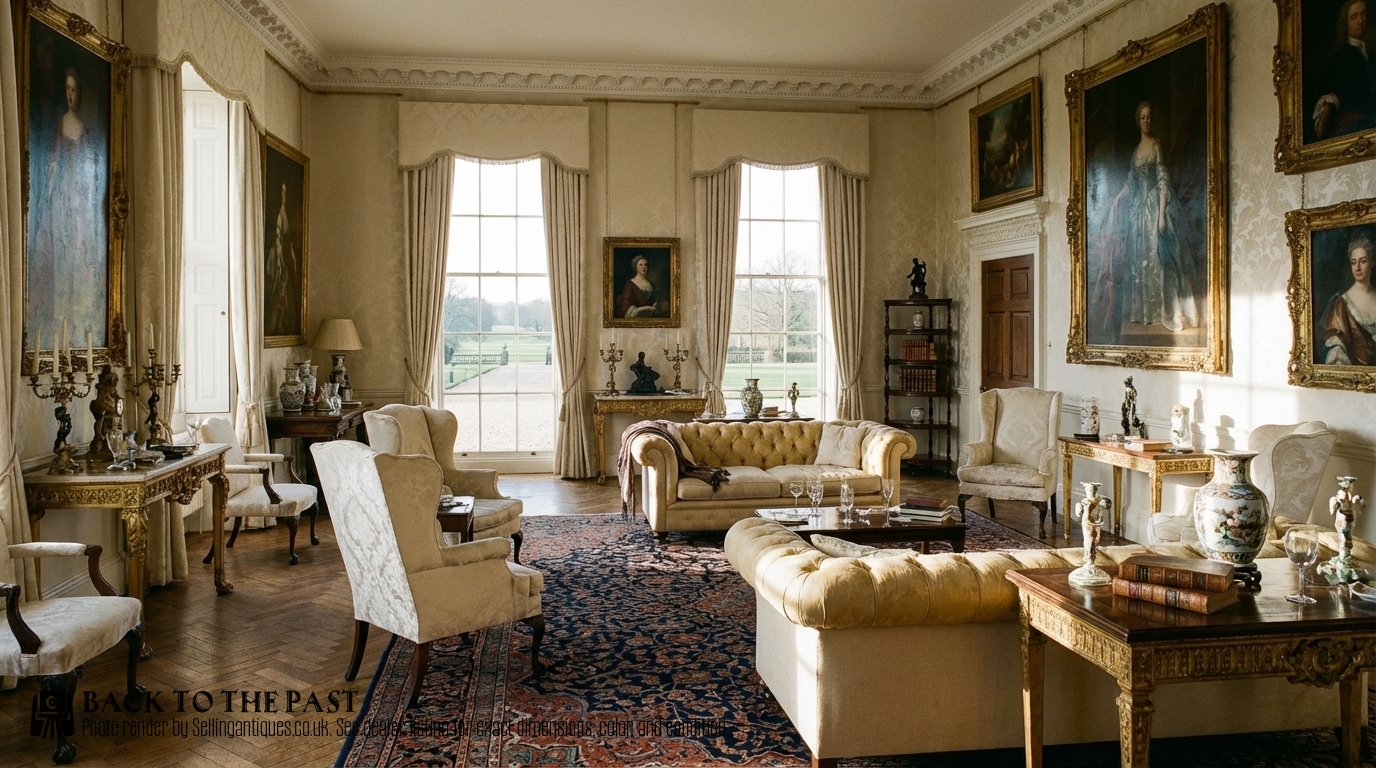
How they were made
Cabinet makers relied heavily on solid mahogany and pine for structural integrity, often applying veneers of satinwood or ebonised wood for contrast. Inlays in boxwood added delicate linear detail to Edwardian and Victorian surfaces.
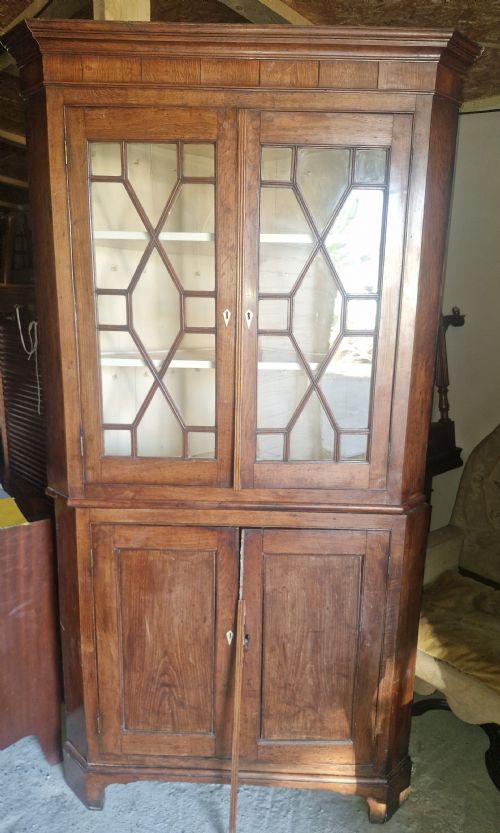
Glazing bars held individual panes of glass securely within door frames, while brass hinges and catches provided functional hardware. Carved ornamentation appeared on select Victorian pieces, alongside mirrored backs designed to reflect light through displayed objects.
Corner Display Unit Retail Price Guide 2026
Typical asking prices for corner display unit among the pieces listed under this phrase on Sellingantiques today, from the lower quarter to the upper quarter. They describe what is for sale here now, not the wider market.
Listings feature mahogany, pine, satinwood, and ebonised wood across Victorian and Edwardian periods.
What varies in quality
Quality rests in the precision of the timber selection and the refinement of decorative elements like boxwood inlay and carved mouldings. Superior pieces display thoughtful grain matching and robust internal shelving rather than hasty construction.
The sophistication of the hardware and the clarity of the original glass panels distinguish standard utility cupboards from finer drawing-room display cabinets. Proportion and timber choice ultimately dictate the presence and balance of each piece.
The Corner Display Unit Glossary
- Whatnot
- A set of open shelves used for displaying ornaments and small objects, developed in the nineteenth century. These multi-tiered units often feature turned supports.
- Serpentine front
- A furniture front curved with a convex centre flanked by concave wings. This sophisticated shaping requires precise carpentry.
- Inlay
- A technique where contrasting woods like boxwood or satinwood are inserted into recesses in the primary surface to create decorative patterns. It defines much Edwardian cabinet work.
- Ebonised wood
- Timber treated with a dark finish to imitate expensive ebony. Victorian cabinet makers frequently utilised this technique for dramatic contrast.
Corner Display Unit: Frequently Asked Questions
Where should I place a corner display unit?
These units suit awkward room angles and unused corners in reception rooms, dining areas, or hallways where standard rectangular furniture will not fit.
Because they draw the eye upward and outward, they make effective use of peripheral space without blocking natural light or traffic flow.
How do I distinguish Edwardian from Victorian pieces?
Victorian examples tend to use heavy timbers, rich mahogany, and occasional deep carving or ebonised details. They often have a more substantial and grounded presence.
Edwardian pieces generally lean towards lighter satinwood veneers, delicate boxwood inlay, and airier proportions that reflect changing domestic tastes around nineteen hundred.
Are glazed or open corner units better for display?
Glazed cupboards protect delicate ceramics, glassware, and books from dust while keeping them fully visible behind glass doors. They suit formal drawing rooms and dining spaces.
Open whatnots and tiered shelving units offer immediate access and an informal appearance, making them ideal for everyday ornaments and plants.
Can these cabinets support heavy books?
Pine country cupboards and sturdy mahogany cabinets generally provide robust internal fixed shelving suitable for heavier volumes. Lighter Edwardian inlaid cabinets and tiered whatnots are better suited to lighter display items and ceramics.