


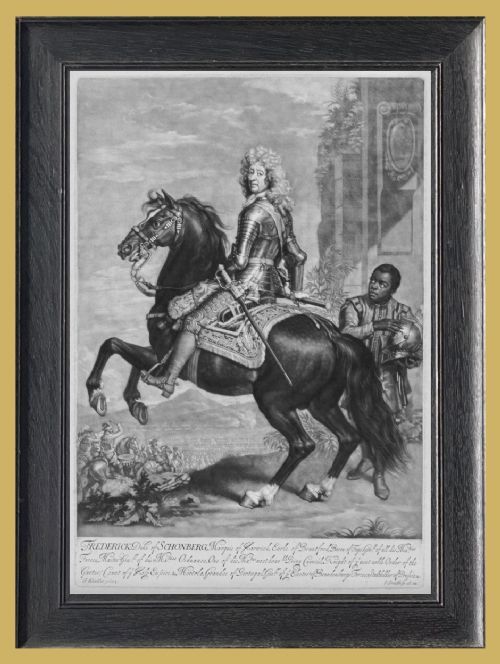
Copperplate Print Art
When you search for copperplate print art, you find works driven into metal plates and pulled onto paper during the seventeenth, eighteenth, and nineteenth centuries.
Copperplate Print Art
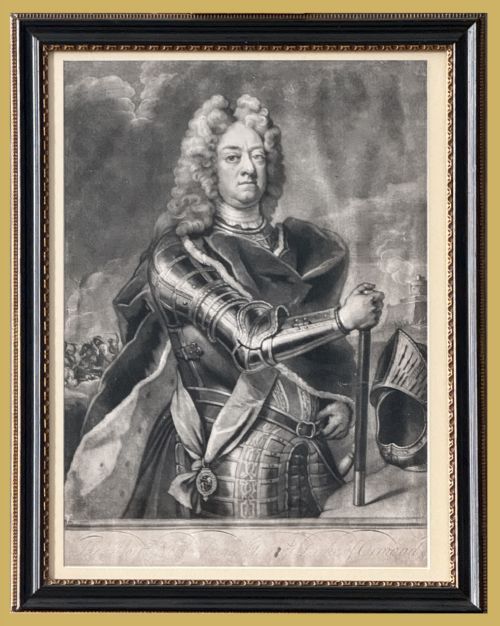
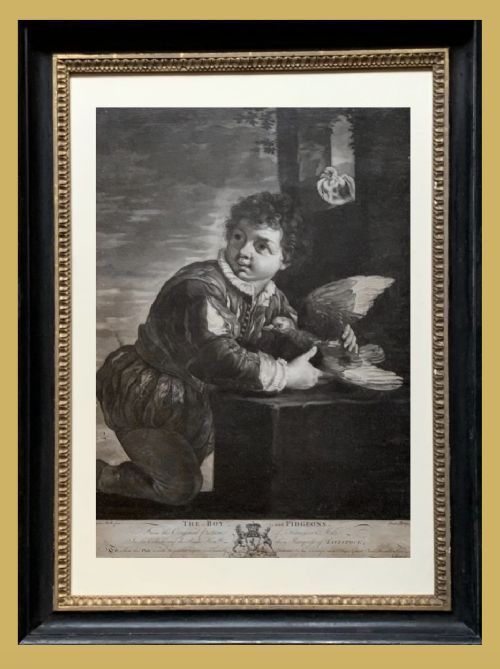
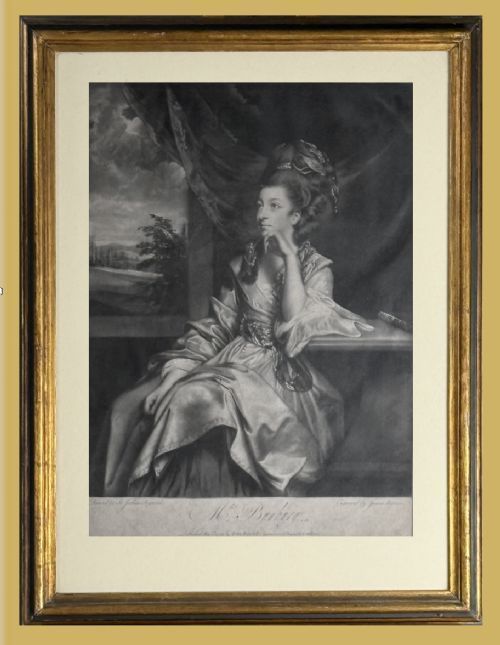
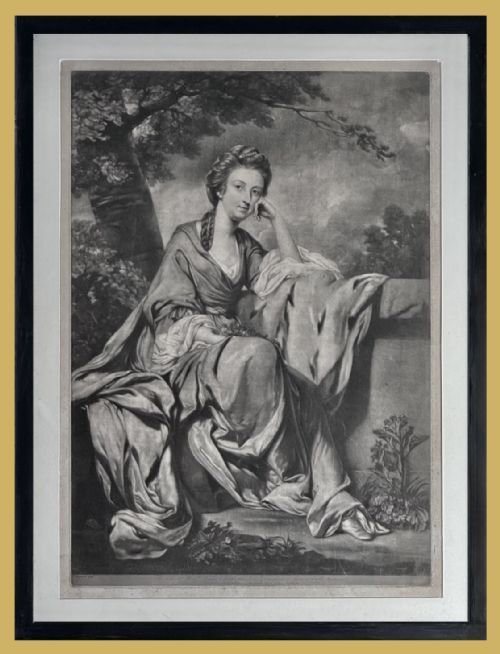
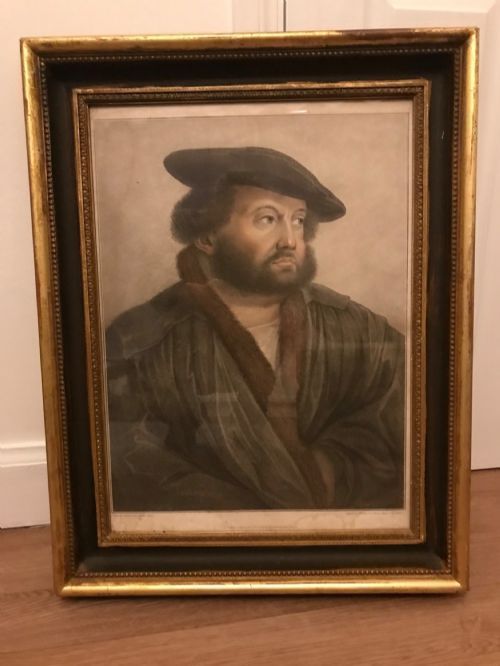
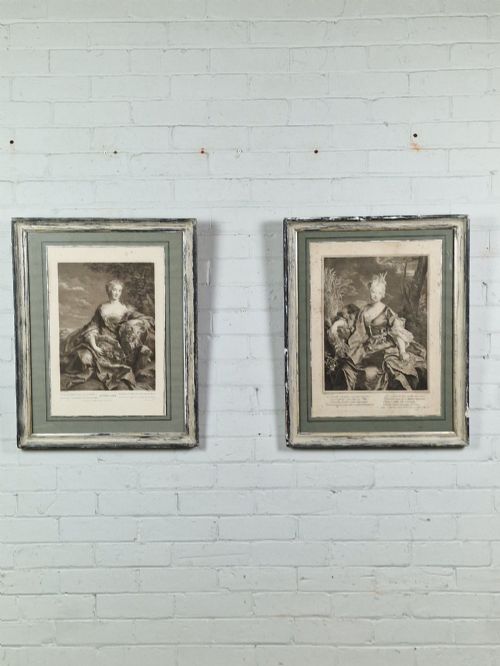
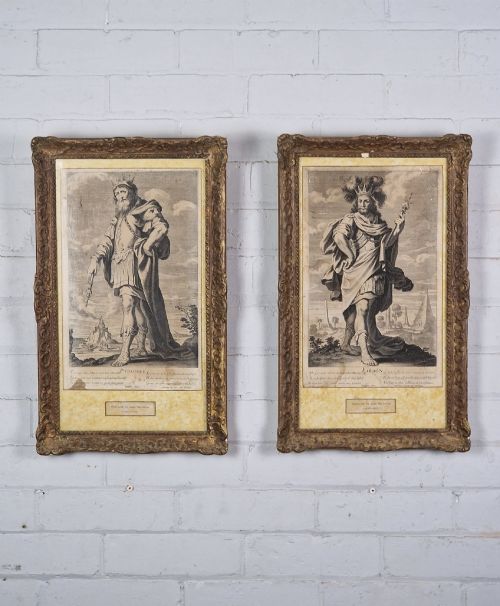
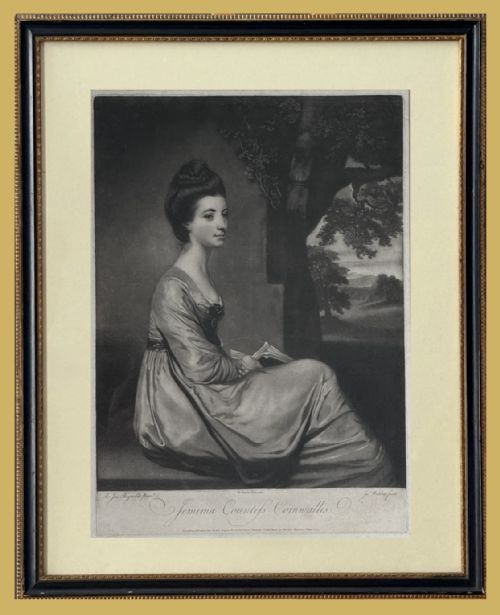
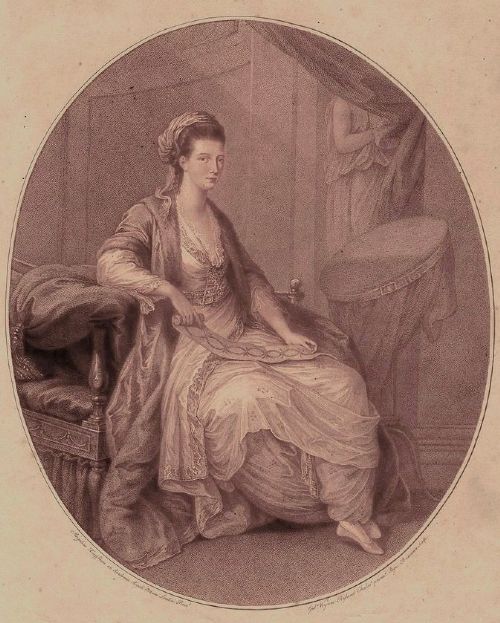
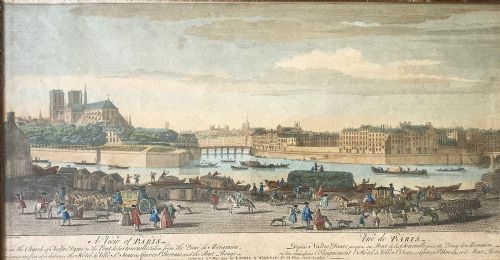
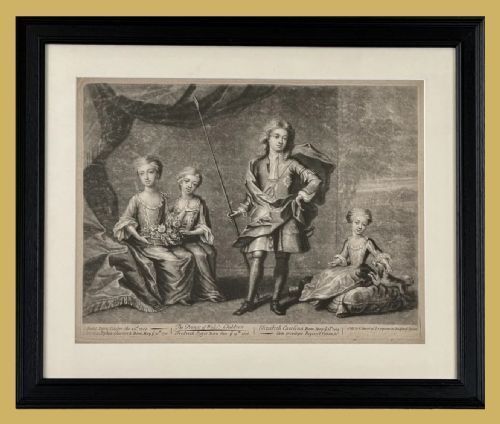
When buyers search for copperplate print art, they encounter historic works on paper produced through intaglio methods, predominantly featuring portraiture, topography, and classical subjects. The pieces on this page span the seventeenth, eighteenth, and nineteenth centuries, with eighteenth-century mezzotints and engravings forming the most frequent encounters.
Subjects range from grandees and nobility recorded by contemporary painters to anatomical studies, cartography, and architectural views. These works survive housed within original frames of gilt wood or glass protection, preserving the delicate inked lines.
Originating largely from British and European workshops, these framed prints and engravings capture historical likenesses and classical antiquity through the vision of master printmakers interpreting famous canvases.
How They Were Made
Makers prepared plates of copper, working the surface with burins, etching grounds, or rocker tools to sink lines and create areas that held ink under pressure. Paper received the pigment through the heavy roll of a printing press, binding ink into the fibres.
Selected examples received additional hand colouring using watercolour washes applied directly to the printed surface, while others relied entirely on the tonal depth of black ink and grey gradation.
Listings feature works spanning the seventeenth, eighteenth, and nineteenth centuries, executed in ink, watercolour, and gold leaf on paper.
What Varies in Quality
Quality rests upon the crispness of the impression pulled from the metal plate, where early strikes reveal sharp contours and rich tonal depth before wear softens the incisions. The prestige of the original painter and the skill of the engraver dictate the artistic importance of the sheet.
The survival of the original margins around the image, the condition of the paper surface free from heavy foxing, and the presence of period framing contribute significantly to the standing of the work.
John Simon·John Boydell·James Watson·Edward Fisher·Francesco Bartolozzi·John Smith·François-Nicolas Martinet·Valentine Green·W Dickinson·Andrew Bell·John Faber Snr·James Heath·Thomas Watson·Blaeu·François Perrier·Robert Williams·James MacArdell·Jacobus Howbraken·James Ward·Herbert Dicksee
The Copperplate Print Art Glossary
- Mezzotint
- A printmaking method where the copper plate is roughened uniformly to produce rich dark tones, and scraped back to create highlights. This tonal technique yields soft gradations well suited to reproducing painted portraits.
- Engraving
- A process of cutting lines directly into a metal plate using a hardened steel tool called a burin. The resulting prints exhibit clean, precise lines and sharp definition.
- Etching
- A method where acid bites into metal exposed through a protective ground to form the design. It allows fluid, painterly lines that mirror freehand drawing.
- Stipple
- A technique using dots and small dashes punched into the plate to build form and tone. It creates gentle transitions, frequently seen in eighteenth-century portraiture.
- Plate mark
- The indentation left in the paper by the outer edge of the metal plate under the pressure of the printing press. Its presence confirms an authentic historic impression.
Copperplate Print Art: Frequently Asked Questions
What is a mezzotint portrait?
A mezzotint portrait is an intaglio print created by working a copper plate to achieve deep, velvety tones and subtle shifts in shadow. Master printmakers used this method to translate oil paintings into highly textured works on paper.
The technique allows for rich dark backgrounds that make the subject's face stand out with dramatic presence. These portraits formed a staple of eighteenth-century print publishing.
How are these prints framed?
Historic prints are typically housed behind glass within wooden or gilt wood frames that protect the fragile paper from atmospheric damage. Many retain period mouldings such as Hogarth frames that complement the age of the artwork.
Original framing adds historical context, though some sheets are reframed later to ensure proper conservation using acid-free mounts.
Are these works hand coloured?
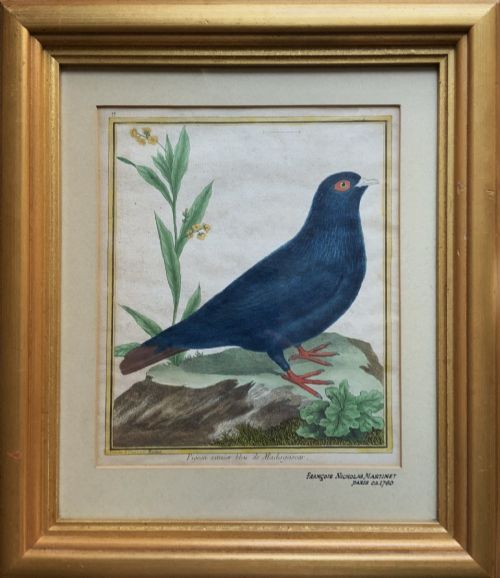
Certain examples feature original hand colouring applied with watercolour directly onto the printed ink lines. This practice was common in cartography, natural history plates, and topographical views.
Monochrome prints rely entirely on the tonal capabilities of black ink, while coloured editions introduce deliberate hues to enhance specific details like plumage or geography.
How do I identify the period?
Dating relies on stylistic clues within the imagery, sitter dates, lettering styles in the margins, and the physical characteristics of the paper. Reference to the original painter and engraver often provides a precise window of production.
Catalogues raisonnés and contemporary publication lines inscribed beneath the image further clarify when the plate was worked and published.