

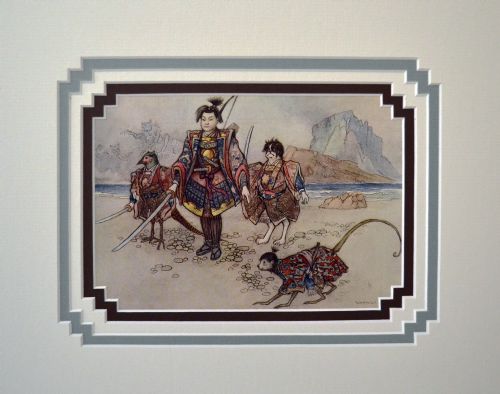


Antique Mythology Illustration
These antique mythology illustration pieces bring classical literature, divine figures and legendary narratives straight onto the wall.
Antique Mythology Illustration
An antique mythology illustration captures classical narratives, divine figures and legendary scenes through historic prints and drawings. When searching for antique mythology illustration, a buyer encounters works spanning the eighteenth century through the early twentieth century.
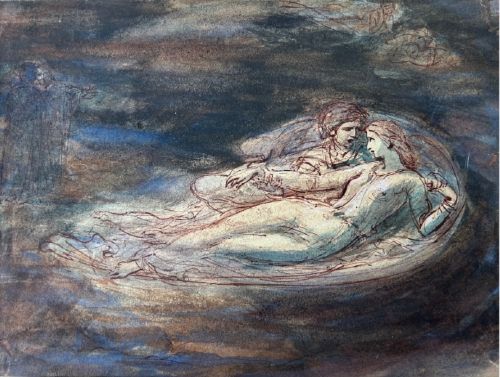
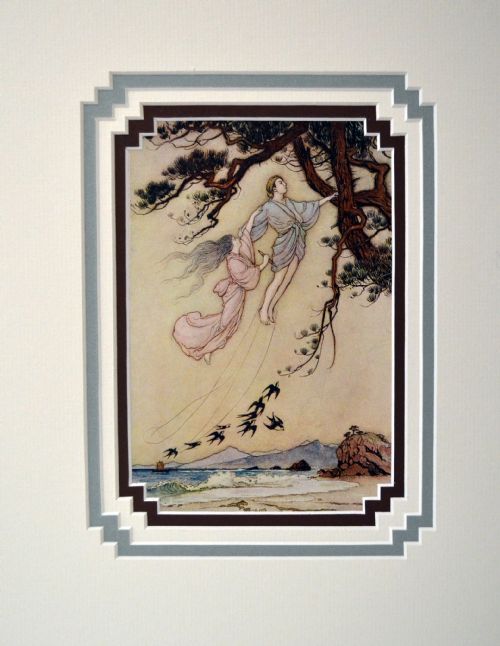
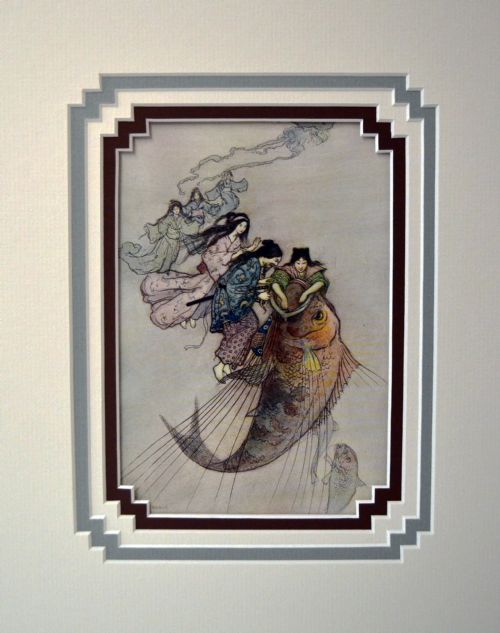
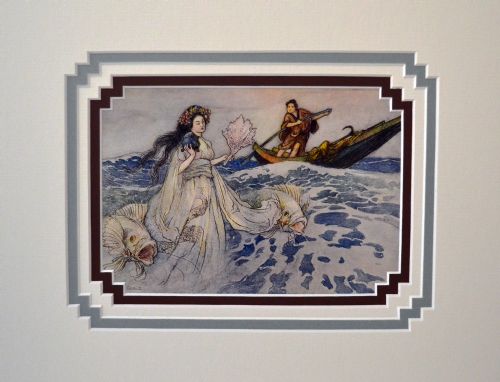
The selection here encompasses several distinct visual traditions, ranging from neoclassical Homeric scenes to pre-raphaelite watercolours and architectural engravings of ancient Athens. These works frequently arrive framed under glass, utilising mountboard and card to preserve delicate paper surfaces.
Materials and construction methods
These works rely primarily on paper, card and mountboard as the foundational base for ink, watercolour and engraved lines. Artisans utilised traditional printmaking and painting techniques, incorporating wood framing and glass protection to secure the fragile mediums.
Engravings from the eighteenth century demonstrate meticulous plate work capturing architectural and mythological subjects, while nineteenth and twentieth-century examples employ ink, wash and watercolour on paper.
Antique Mythology Illustration Retail Price Guide 2026
Typical asking prices for mythology illustration among the pieces listed under this phrase on Sellingantiques today, from the lower quarter to the upper quarter. They describe what is for sale here now, not the wider market.
Listings feature paper, ink, card, wood, glass and watercolour across the eighteenth, nineteenth and twentieth centuries.
Assessing quality in historical illustrations
Quality rests upon the crispness of the engraved line or the depth of the watercolour wash, alongside the preservation of the original paper or card support. Finer examples display superior draughtsmanship and sharper detail in complex figural or architectural compositions.
The integration of period framing, correct mounting materials and overall sheet integrity distinguishes the more compelling specimens from simpler or more heavily worn examples.
Warwick Goble·John Flaxman·James Basire·Edward Rooker
The Antique Mythology Illustration Glossary
- Neoclassical
- A style drawing inspiration from the classical art and culture of ancient Greece and Rome. It often appears in linear clarity and sober subject matter.
- Pre-Raphaelite
- A movement associated with detailed observation, intense colours and complex literary or mythological themes. Works in this style emphasise rich narrative detail.
- Engraving
- A printmaking process where an artist cuts an image into a metal plate with a burin. The inked plate then transfers the design onto paper under pressure.
- Watercolour
- A painting method where the pigments are suspended in a water-soluble vehicle. It yields translucent washes on paper or card.
- Mountboard
- Heavy paperboard used to frame and separate a work of art from the glass. It prevents the delicate surface from touching the glazing directly.
Antique Mythology Illustration: Frequently Asked Questions
How should I hang antique prints?
Keep these works away from direct sunlight to protect the ink, watercolour and paper from fading over time.
Ensure the room maintains a stable humidity level to safeguard the underlying card, mountboard and wooden frames.
What periods do these illustrations cover?
The available selection spans from the eighteenth century through to the early twentieth century, including Edwardian examples.
Each period utilises distinct printmaking or painting techniques characteristic of its respective era.
Are these works original period pieces?
The inventory consists of historical items originating from the periods stated in the individual listings, such as eighteenth-century engravings and early twentieth-century first editions.
Materials like paper, ink and card align with the production methods of those historical dates.
How do I identify neoclassical illustrations?
Neoclassical pieces typically feature restrained compositions, classical architectural elements and subjects drawn from ancient Greek and Roman literature.
They rely on clean lines and formal balance rather than ornate decoration.