


Copperplate Portrait Engraving
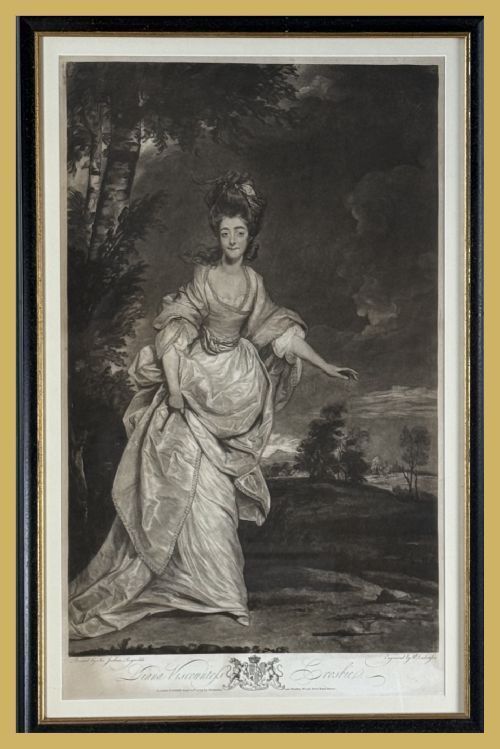
When you examine a copperplate portrait engraving, you hold a meticulously inked historical likeness pressed directly from metal onto fine paper.
Copperplate Portrait Engraving
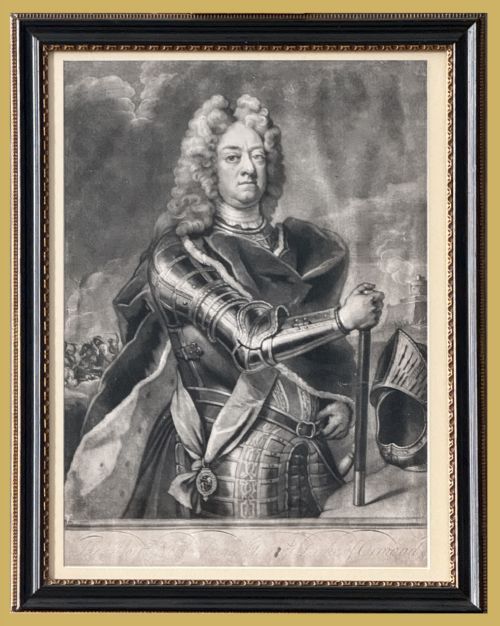
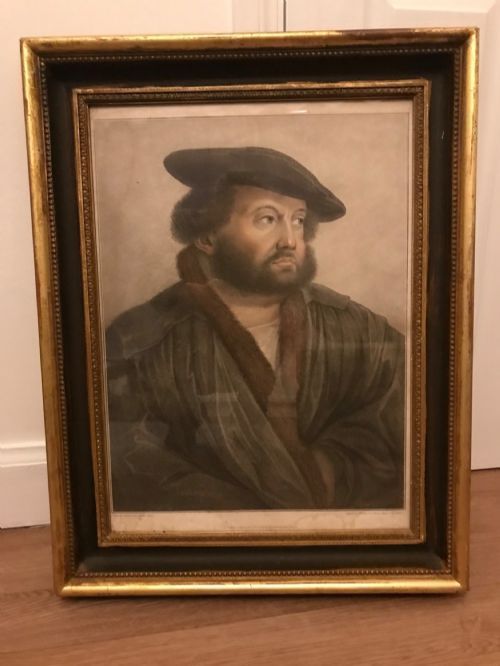
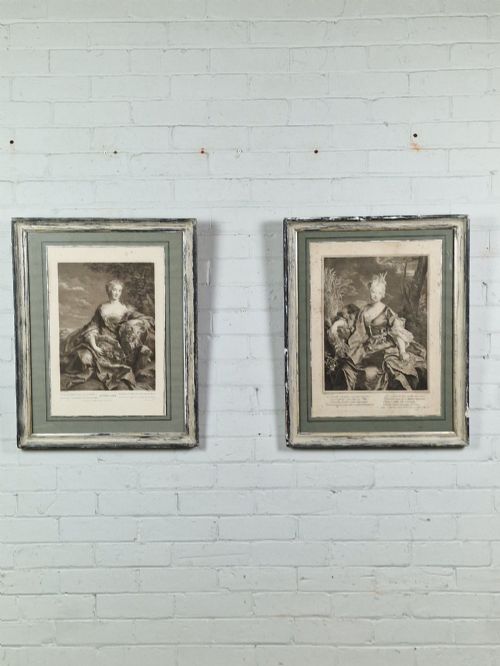
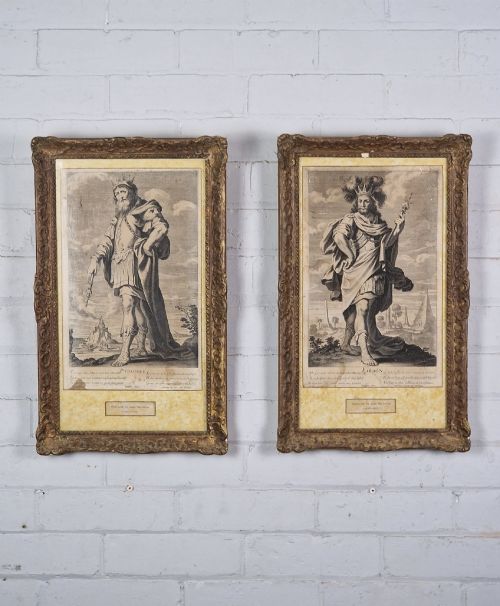
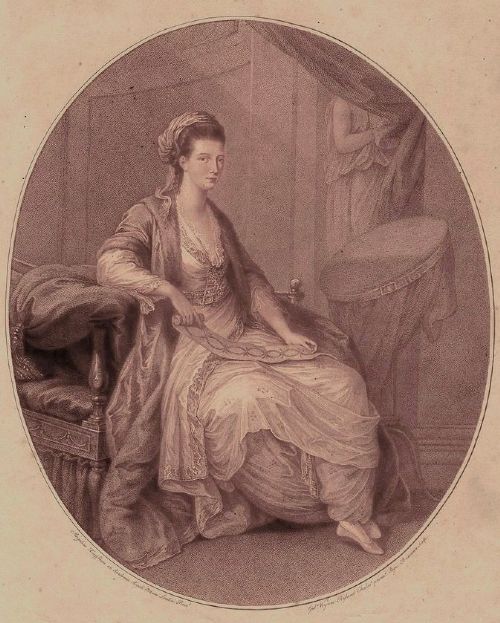
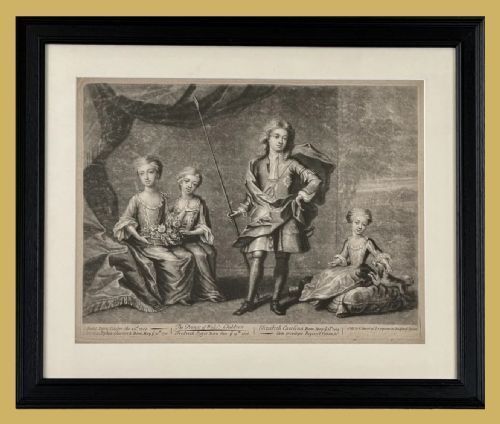
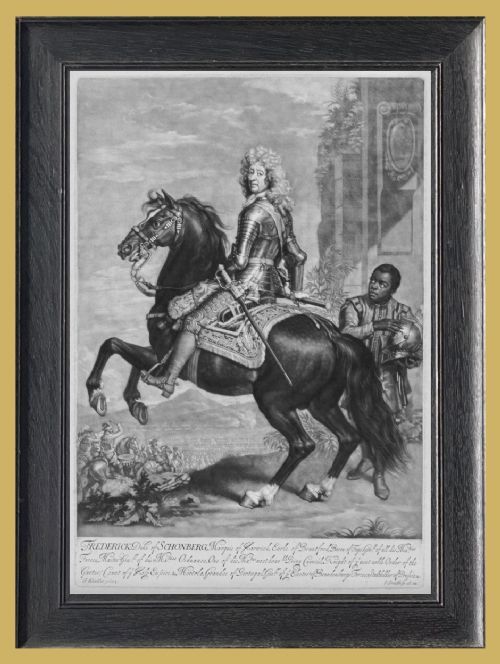
A copperplate portrait engraving represents a meticulous printed likeness derived from metal plates, capturing notable figures, royalty, and historical personages across the seventeenth, eighteenth, and nineteenth centuries. These works span various British and European stylistic movements, including Georgian, Victorian, Baroque, and French Rococo periods.
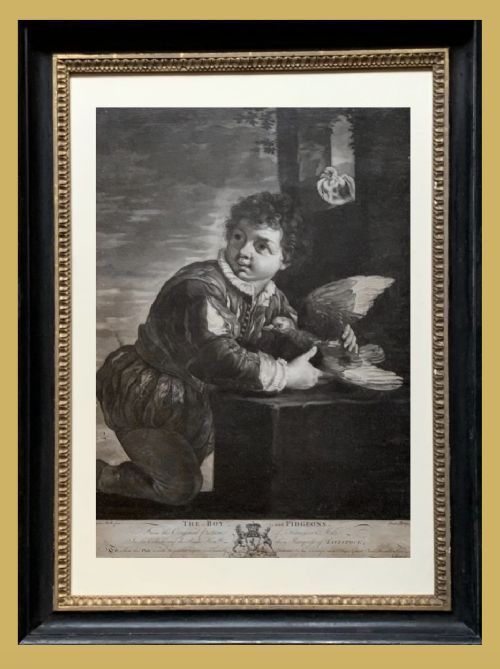
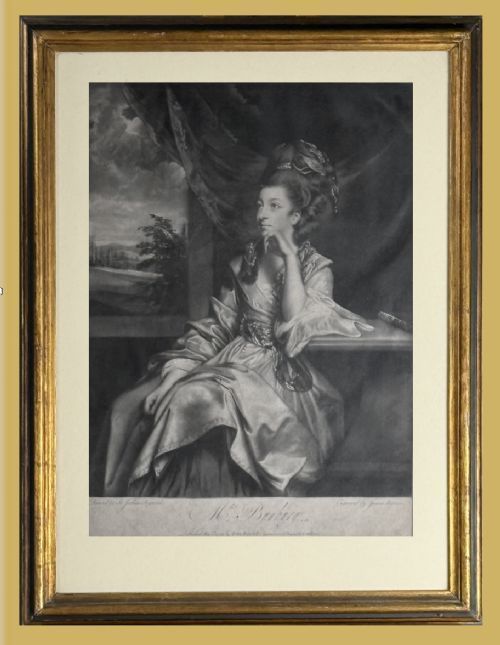
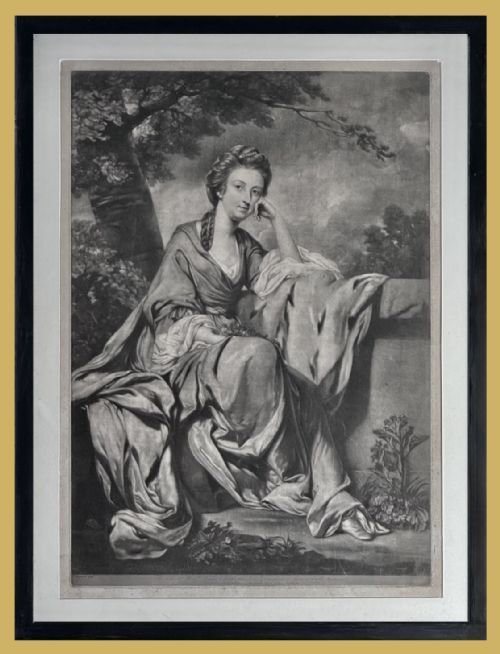
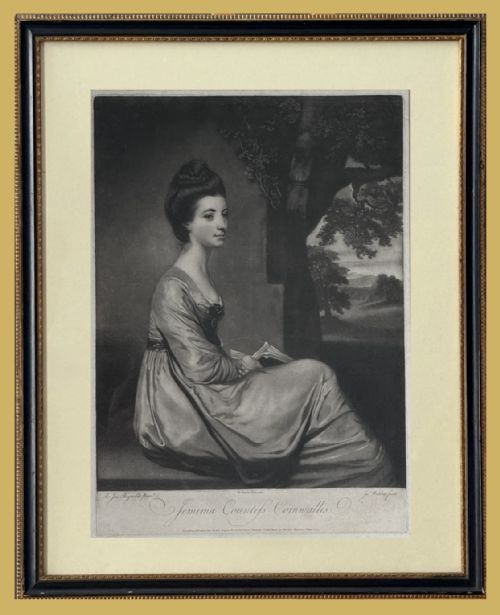
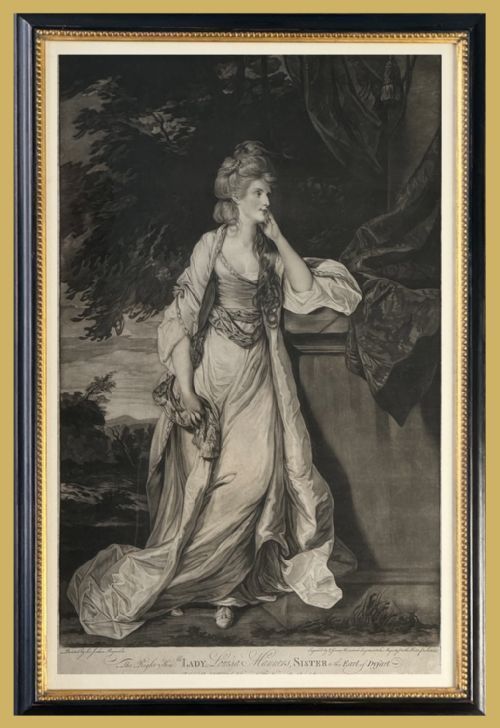
Buyers will most frequently encounter eighteenth-century prints and mezzotints framed in wood or gilt surrounds, reflecting the prevailing interior aesthetics of their original era. The subjects range from statesmen and nobility to artists and literary figures, recorded through fine line work or tonal mezzotint scraping.
The material forms on this page include individual prints, pairs, and grouped sets housed behind glass within timber frames. These historical artworks function primarily as wall art, offering a direct link to early graphic reproduction techniques utilised before the advent of modern photography.
Materials and technique
Makers produced these works by incising lines directly into a copper plate with a sharp burin or by roughening the metal surface with a rocker to create rich tonal mezzotints. Artisans then applied dark ink to the prepared plate, wiping the smooth surface clean so that ink remained only within the recesses or textured pits.
The dampened paper was pressed firmly against the inked copper plate using a heavy rolling press, transferring the reversed image under immense pressure. Craftsmen frequently utilised high-grade laid or wove paper, occasionally applying hand colouring or mounting the final sheet inside timber or gilt wood frames under glass.
Artisans of the Georgian and Victorian eras employed both line engraving and mezzotint techniques to document royalty, politicians, and nobility.
Assessing quality and impression
The crispness and depth of the printed impression dictate the upper tier of the range, as copper plates wore down gradually over repeated printings. Early impressions exhibit sharp, distinct lines and velvety dark tones in mezzotints, whereas later strikes lose fine details and appear grey or muddy.
The prestige of the original painter, the skill of the engraver, and the condition of the paper surface significantly influence the standing of an individual piece. Margins left intact around the image, minimal foxing, and original period framing further distinguish superior examples from heavily trimmed or later restrikes.
John Simon·John Boydell·James Watson·Edward Fisher·Francesco Bartolozzi·Jean Mariette·John Smith·Thomas Murray·James Heath·Biaggio Rebecca·Thomas Watson·John Faber Jr·Robert Williams·Peter Lely·Valentine Green·Maria Hadfield Cosway·James Macardell·Jacobus Howbraken·James Ward·John Hoppner·Robert Sayer·Edward Stodart·W Roffe
The Copperplate Portrait Engraving Glossary
- Mezzotint
- A printmaking process where the copper plate is roughened uniformly to hold ink for deep tonal shadows, then scraped to create highlights. This method produces soft gradations of light and shade rather than sharp lines.
- Burin
- A hardened steel cutting tool with a V-shaped point used by engravers to carve lines directly into a copper plate. The size and angle of the tool determine the width of the furrow.
- Foxing
- Brown or yellowish spots caused by chemical reactions in ageing paper, often accelerated by damp storage conditions. These blemishes appear frequently on antique paper items.
- Impression
- A single copy of a print pulled from the inked plate onto paper. Early impressions show the greatest clarity before the metal plate degrades.
- Laid paper
- Handmade paper featuring a grid of fine parallel lines and wider spaced vertical lines formed by the wire mesh of the papermaker's mould. This substrate appears commonly in early modern prints.
Copperplate Portrait Engraving: Frequently Asked Questions
What is a copperplate portrait engraving?
A copperplate portrait engraving is a historical printed image created by pressing paper against an incised metal plate covered in ink. These works captured the likenesses of notable historical figures before photographic reproduction existed.
Printers produced them in varying sizes and styles, ranging from delicate line portraits to rich tonal mezzotints published as standalone wall art or book illustrations.
How can I tell an original from a copy?
Original period engravings show a distinct plate mark where the edge of the metal plate compressed the paper during the printing process. Examining the surface under magnification reveals the slight ink elevation and indentation characteristic of genuine press work rather than modern dot-matrix printing.
Paper characteristics, such as chain lines in laid paper and overall ageing consistent with the stated century, further confirm authenticity.
What is the difference between an engraving and a mezzotint?
An engraving relies on precise lines cut into the copper plate with a sharp tool, creating a crisp, highly detailed linear image. A mezzotint works in reverse by starting with a roughened dark plate and scraping away areas to produce smooth, velvety tonal gradients.
Both techniques utilised copper plates but resulted in very different visual textures, with mezzotints offering atmospheric shadows and engravings offering sharp definition.