
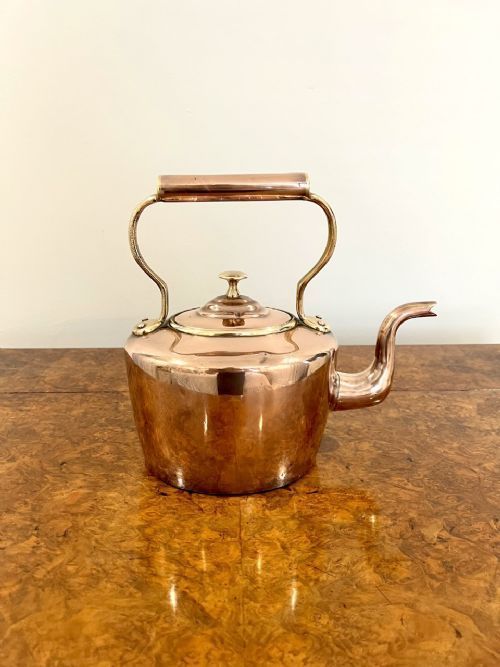


Copper Hearth Vessel
A copper hearth vessel brings warmth and honest metalwork to a fireside, spanning Georgian utility through Victorian country styles.
Copper Hearth Vessel
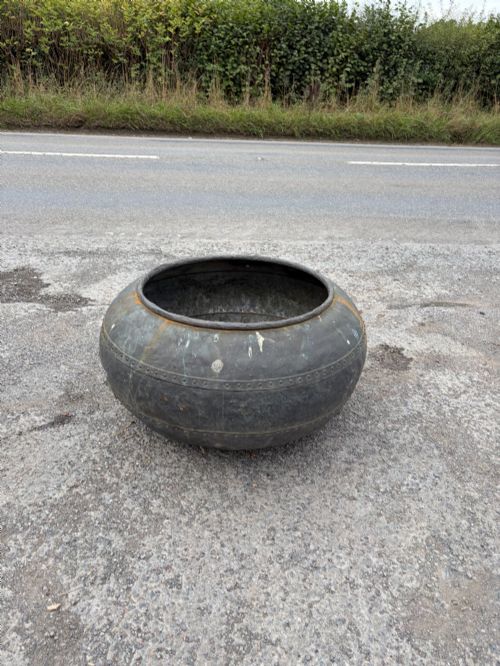
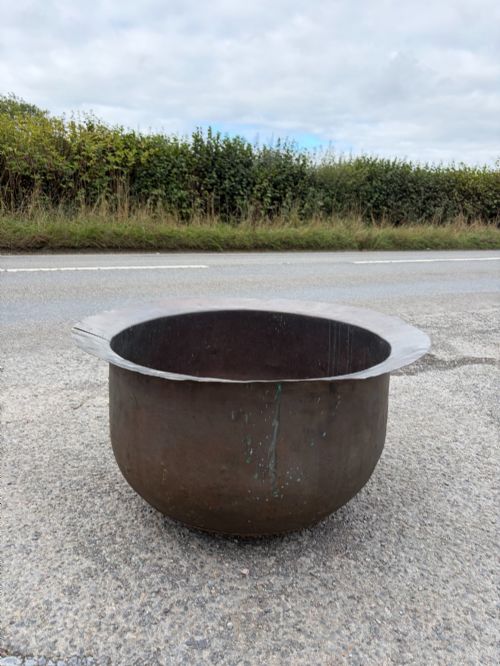
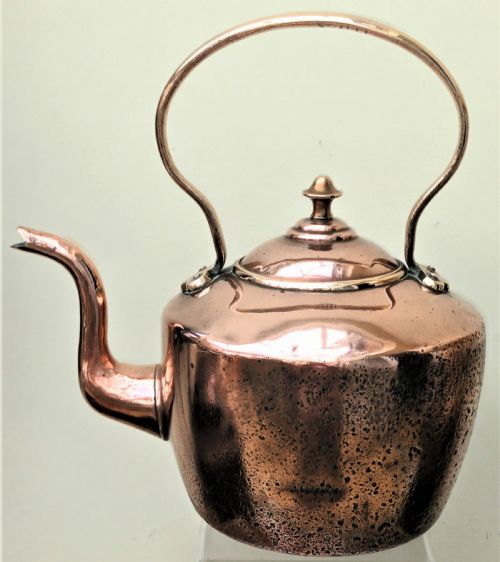
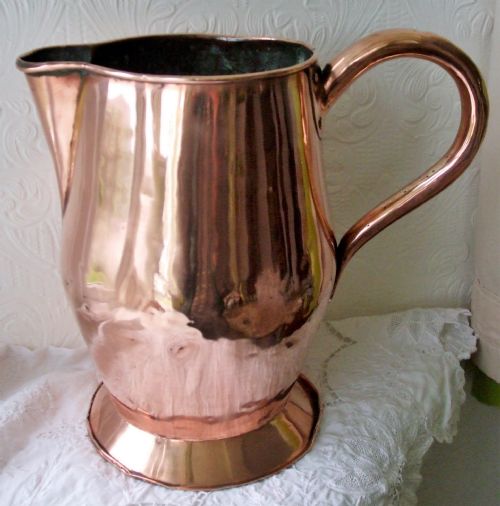
A copper hearth vessel serves as a functional fireside accessory, encompassing log bins, coal buckets, cauldrons, and kettles. These pieces originate primarily from the Georgian and Victorian eras, reflecting domestic utility and rustic farmhouse traditions.
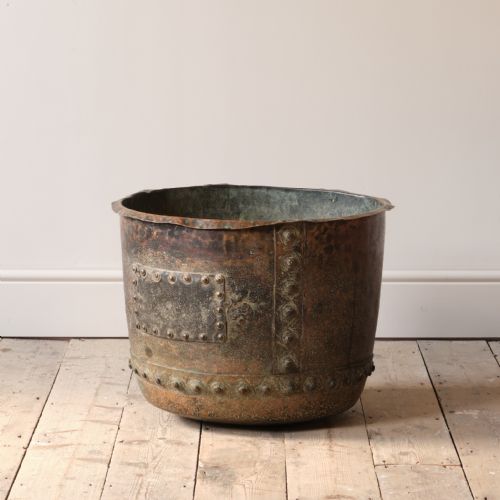
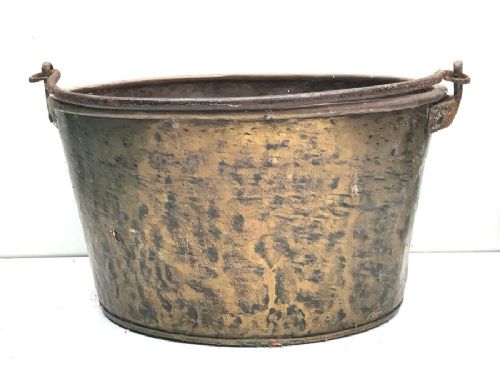
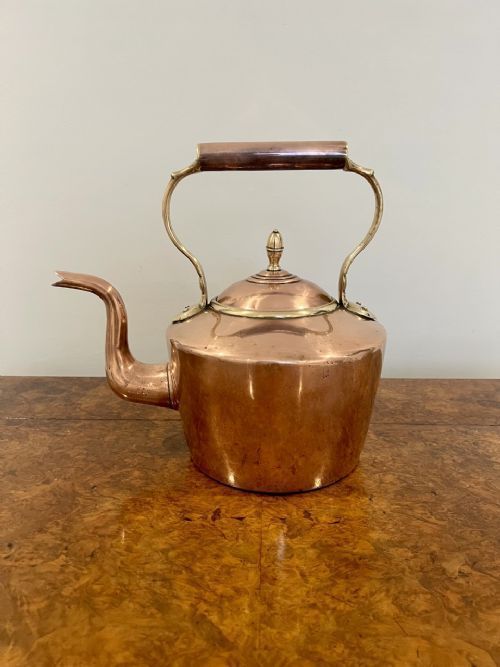
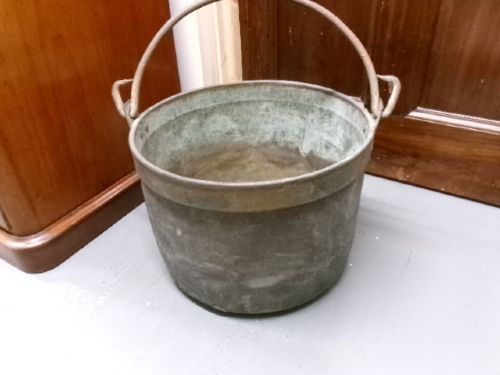
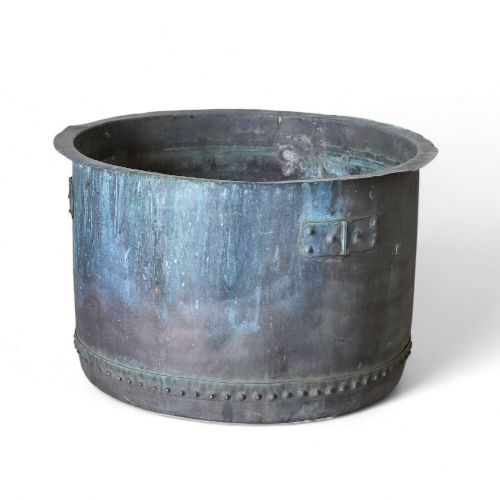
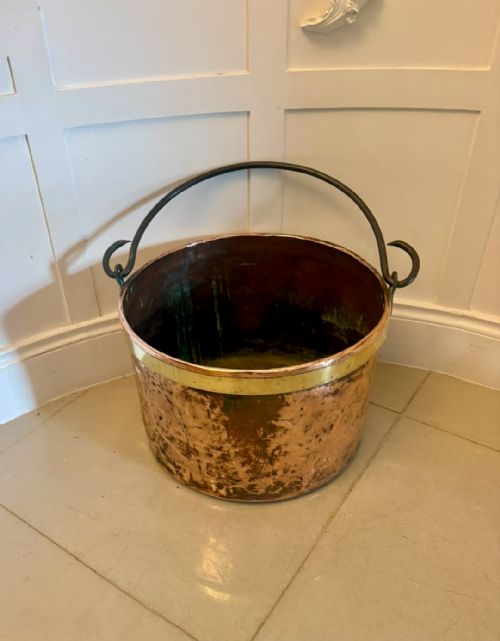
Buyers will most frequently encounter large riveted pots, cauldrons with swing handles, and kettles fashioned for daily use by the hearth. Many items bridge the gap between indoor fuel storage and garden planters.
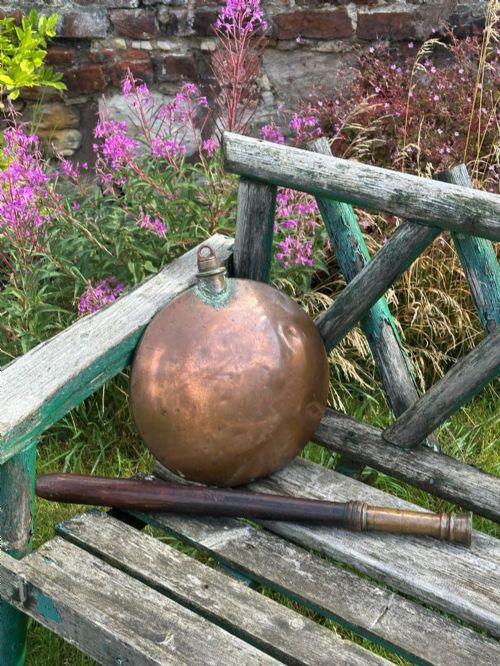
The selection ranges from early George III pots and moon-shaped warming flasks to later Victorian coal scuttles fitted with brass and iron. Each object carries the utilitarian history of 18th and 19th century British homes.
How They Were Made
Makers beat and hammered sheet copper into shape, joining overlapping seams with hand-riveted pins for structural strength. Wrought iron and brass supplied the swing handles, rims, and frames necessary to lift heavy loads of coal and logs.
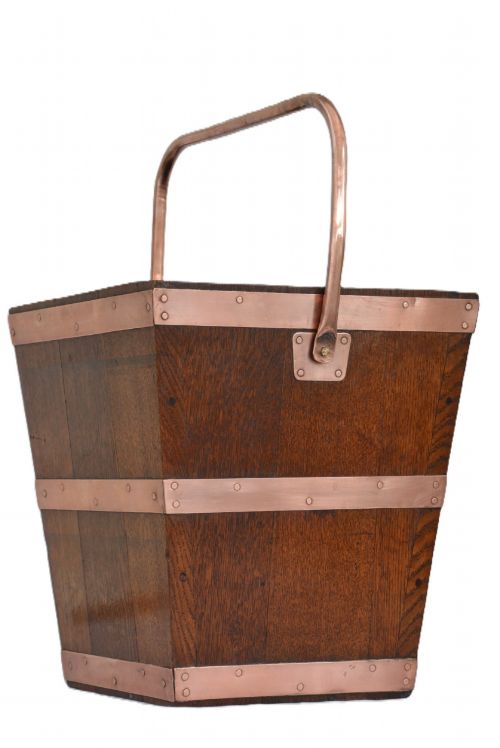
Wood appears in supportive roles, such as oak handles on warming flasks or oak bodies on peat buckets, adding contrasting texture to the metal. Tin linings often protected the interior of cooking vessels and kettles from direct contact with food or water.
Watch for moon-shaped warming flasks designed to slip between sheets on a freezing Georgian night.
What Varies in Quality
Substance separates the heavier gauge metalwork from lighter domestic wares, dictating how well a vessel has survived centuries of hearth use. Hand-riveting patterns show individual craftsmanship, where tight, regular hammering indicates superior workshop standards.
Patina and original hardware preserve the integrity of a piece, distinguishing untouched survivors from those with replaced handles or ground surfaces. The presence of sturdy iron frames and authentic brass mounts elevates the decorative presence of a log bin or cauldron.
The Copper Hearth Vessel Glossary
- Cauldron
- A large rounded metal pot with a swing handle, traditionally used over an open fire for boiling or heating. These heavy vessels often feature hand-riveted construction.
- Coal bucket
- A deep receptacle designed to hold fuel near the fireplace, frequently constructed from riveted copper with iron or brass swing handles. They double as log bins or planters.
- Warming flask
- A flat, unusual metal container filled with hot water to warm beds or spaces, often fitted with a detachable wooden handle. Georgian examples demonstrate clever domestic engineering.
- Patina
- The natural surface oxidation and darkening built up on copper over centuries of exposure to air and handling. Collectors value a rich, undisturbed skin.
- Swing handle
- An articulated metal handle fixed to opposite sides of a pot or cauldron, allowing the vessel to tilt and carry heavy contents safely. They are commonly forged from wrought iron or brass.
Copper Hearth Vessel: Frequently Asked Questions
What is a copper hearth vessel used for?
These vessels historically served practical domestic duties around the fireplace, including boiling water in kettles and storing coal or logs. Today, many people repurpose the larger pots and buckets as indoor plant containers.
Their robust construction and warm metal tones also make them popular standalone decorative items in both traditional and modern living spaces.
How do I date a Georgian copper piece?
Georgian pieces from the 18th and early 19th centuries generally display hand-beaten surfaces and hand-riveted seams rather than machine manufacturing marks. Form and weight offer further clues, as earlier items prioritize thick metal gauges for hearth durability.
Associated fittings like wrought iron swing handles and oak attachments also align with the joinery techniques of the period.
Can I use an antique copper pot outdoors?
Many large copper pots and cauldrons transition naturally into garden planters and log bins. Copper withstands the elements well, developing a deeper green verdigris over time when exposed to moisture.
Ensuring proper drainage or using an inner pot helps protect the historic metal structure from standing water damage.
How do I clean antique copper?
Most collectors prefer to leave the accumulated patina undisturbed, as it proves the age and authenticity of the metal. If cleaning is necessary, mild soap and warm water remove surface dust without stripping the historic character.
Harsh chemical polishes should be avoided because they strip away the gradual oxidation that defines antique copper.