


Copper Fireplace Bin
A copper fireplace bin brings warmth and functional metalwork to a fireside, holding fuel or logs within easy reach.
Copper Fireplace Bin
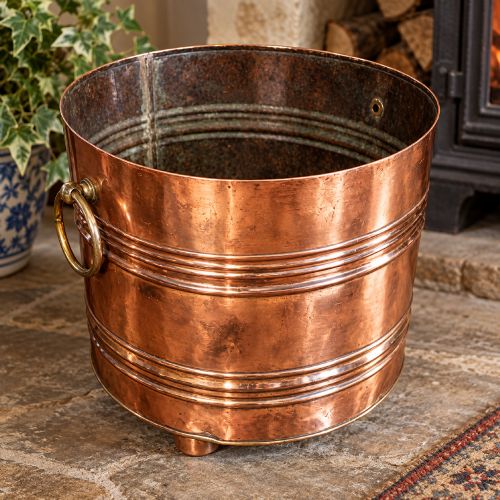
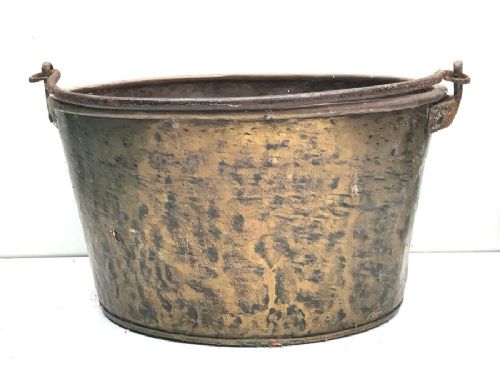
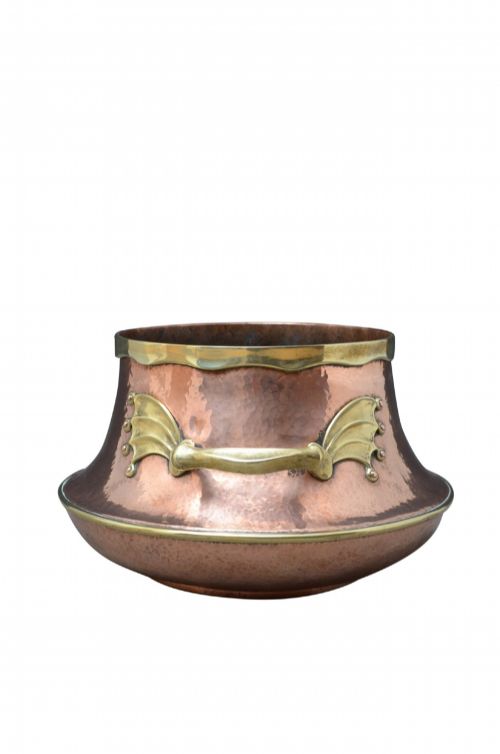
A copper fireplace bin serves as a practical container for coal, logs, and kindling beside the hearth, combining utility with decorative metalwork. You will frequently encounter Victorian and Arts and Crafts examples on this page, reflecting heavy use in nineteenth and early twentieth century homes.
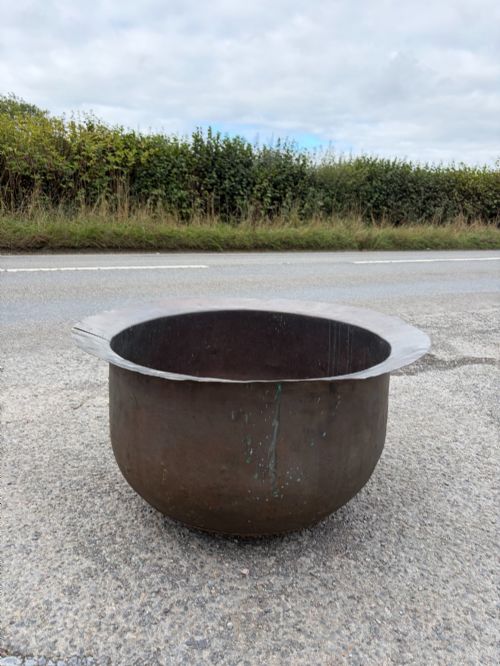
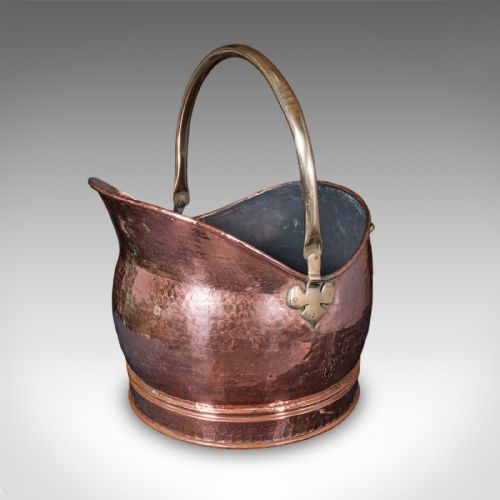
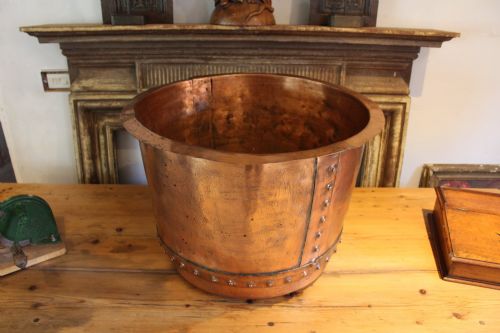
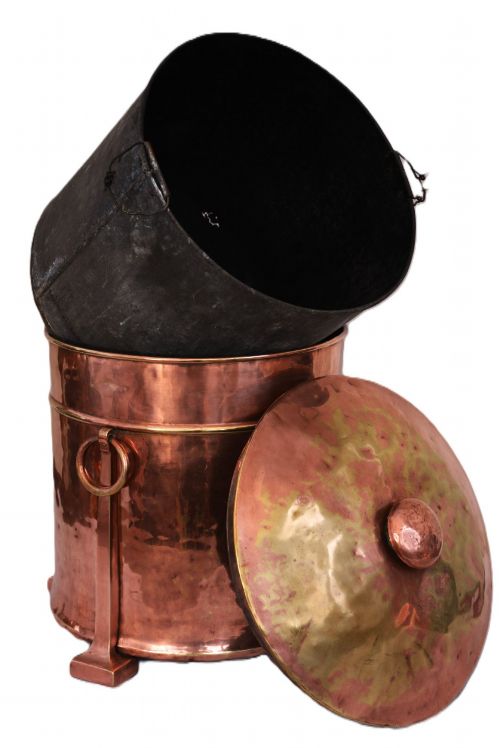
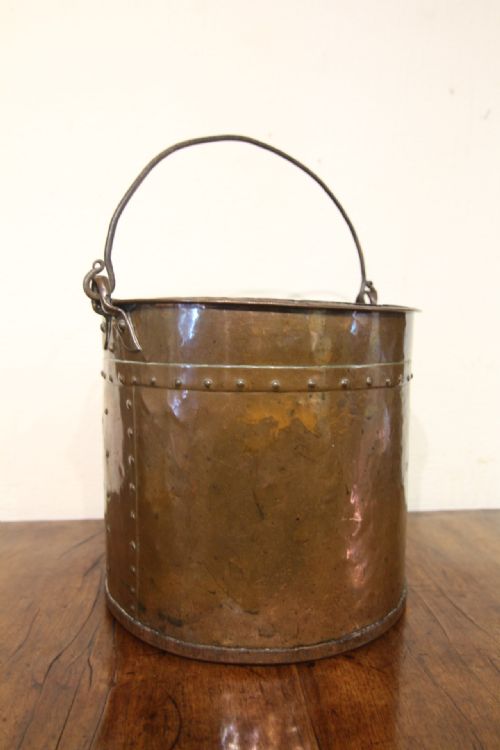
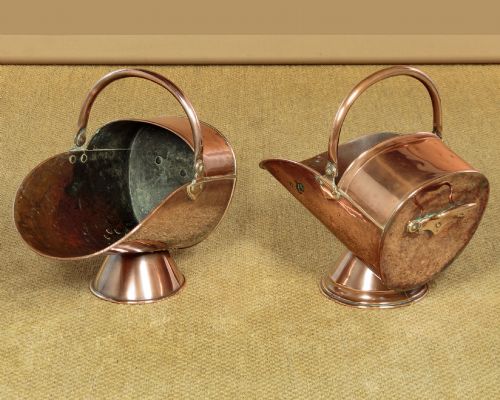
Forms vary from helmet shaped coal scuttles to large cylindrical log bins and open buckets. Many pieces cross over in function, serving equally well as garden planters or jardinières when retired from active hearth service.
How They Were Made
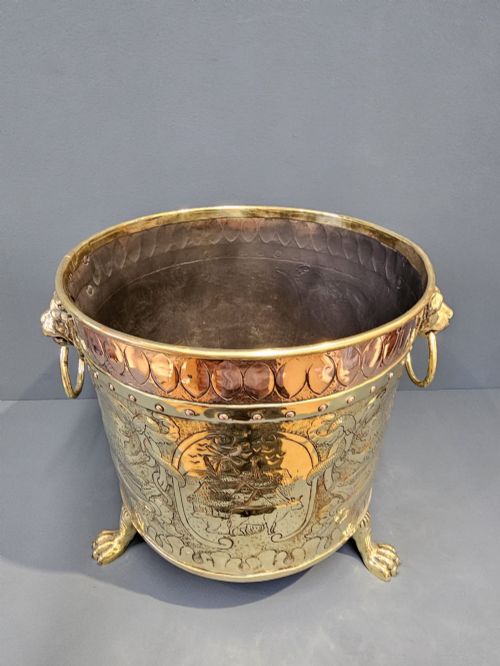
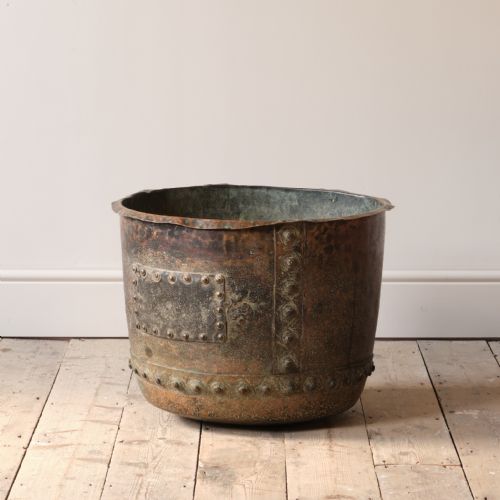
Construction relies primarily on sheet copper joined with visible rivets, often enhanced by hand hammering and beating techniques. Brass handles, feet, and bands provide contrast, while iron and wrought iron components offer structural strength for lifting heavy loads of fuel.
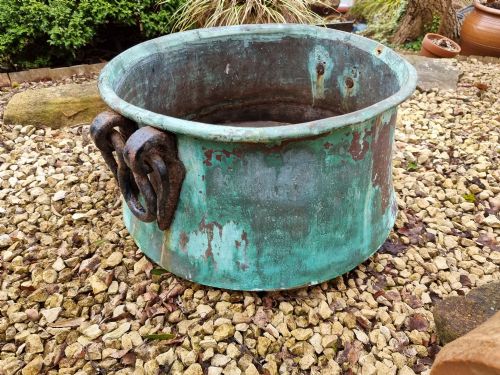
Surfaces display natural patination, verdigris, or hand finished polishes developed through age and use. Interiors may incorporate iron linings or timber elements, particularly in lidded coal boxes and bins designed to contain dry fuel.
Copper Fireplace Bin Retail Price Guide 2026
Typical asking prices for copper fireplace bin among the pieces listed under this phrase on Sellingantiques today, from the lower quarter to the upper quarter. They describe what is for sale here now, not the wider market.
What Varies in Quality
Quality rests upon the weight of the metal gauge and the integrity of the construction. Heavier copper sheets and solid hand beaten bodies indicate superior craftsmanship, resisting dents from heavy logs and coal better than thin pressed metal.
Artisanal detail distinguishes finer pieces, such as cleanly turned brass mountings, robust riveted seams, and well proportioned swing handles. Later mass produced items lack the individual character and substantial heft found in earlier handmade examples.
William Soutter And Sons
The Copper Fireplace Bin Glossary
- Verdigris
- A green patina or crust that forms naturally on copper and brass through atmospheric exposure over many decades. This oxidation layer is prized by collectors for authenticating age.
- Dinanderie
- An old term for objects made of brass, copper, and bronze, often associated with decorative vessels produced during the Arts and Crafts and Art Nouveau periods.
- Helmet Scuttle
- A coal bucket featuring a flared rim and a pointed lip resembling a classical helmet, designed to pour small fuel cleanly into a grate.
- Jardiniere
- An ornamental pot or receptacle, typically ceramic or metal, used for holding flowering plants or ferns indoors.
Copper Fireplace Bin: Frequently Asked Questions
What is a copper fireplace bin used for?
These bins store coal, logs, and kindling beside an open fire or woodburning stove, keeping fuel tidy and accessible. They also function as decorative vessels or large indoor plant containers.
Their sturdy construction allows them to handle heavy loads of timber while adding a warm metallic accent to a room.
How do I clean a copper fireplace bin?
Maintenance depends on whether you prefer a bright polished finish or an aged dark patina. Warm soapy water removes household dust and soot without harming the historic surface.
Avoid harsh chemical metal cleaners unless you want to strip away the natural patination built up over generations.
Are these bins waterproof for plants?
Many vintage metal bins serve double duty as garden planters or indoor plant holders. You should check the interior for old rivet holes or rust through before planting directly inside.
Using a separate nursery pot or plastic liner protects the historic metal from damp soil and prolonged moisture contact.
How do I date an old copper bin?
Dating relies on manufacturing techniques, material combinations, and stylistic clues from periods like the Victorian era or the Arts and Crafts movement. Hand beaten surfaces, heavy iron handles, and dovetail joints often point to nineteenth century origins.
Machine stamping, lighter metal gauges, and specific maker marks generally indicate later production towards the early twentieth century.