


Copper Coal Bin
When you search for a copper coal bin, you are looking at utilitarian hearth vessels turned into decorative metalwork from the Victorian, Georgian, and Arts and Crafts eras.
Copper Coal Bin
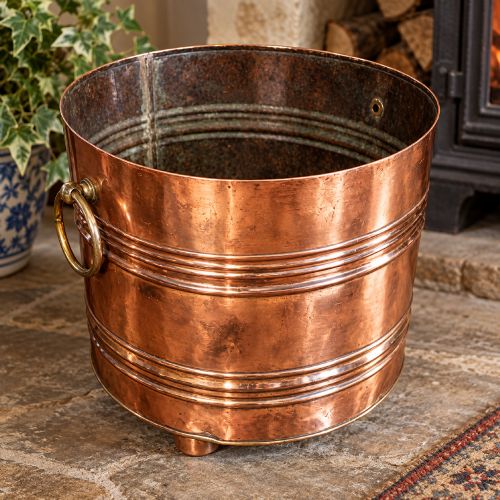
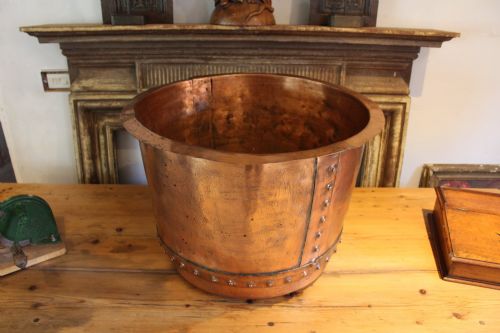
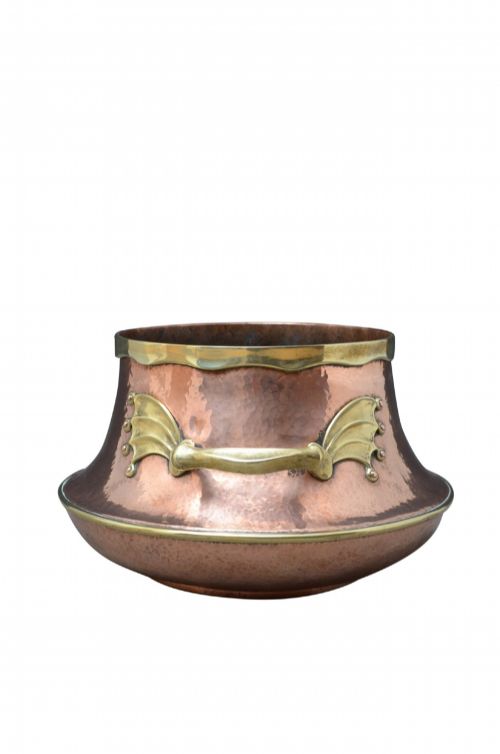
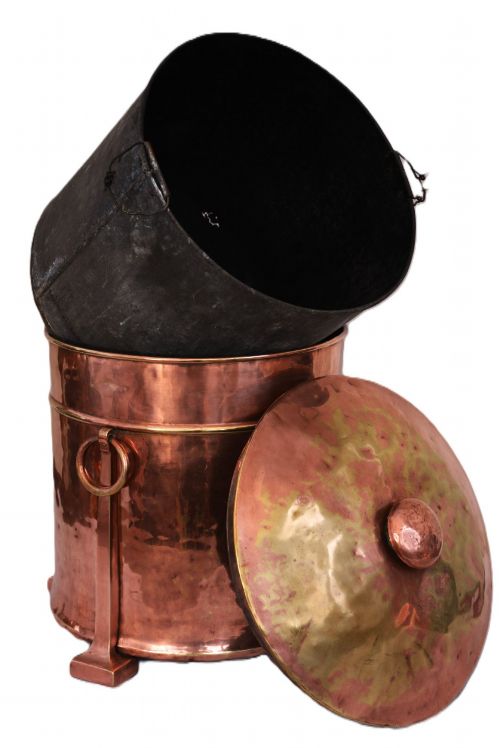
A copper coal bin serves as a sturdy domestic container designed originally for fuel storage beside the fireplace, frequently doubling as a log bucket or planter today. The pieces you encounter most often on this page belong to the Victorian era, alongside substantial Georgian examples and later Arts and Crafts interpretations.
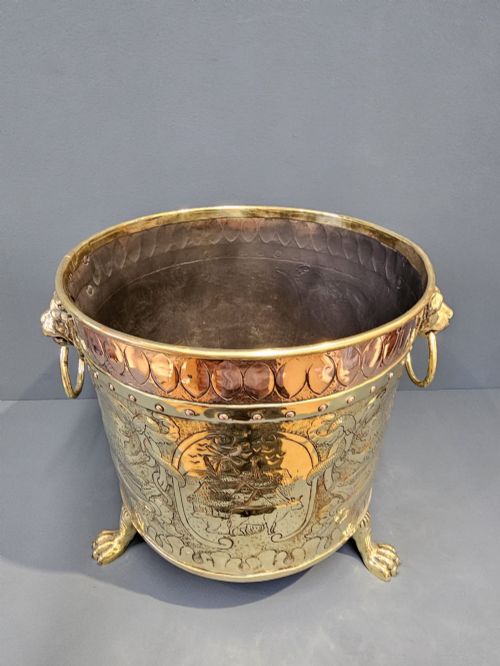
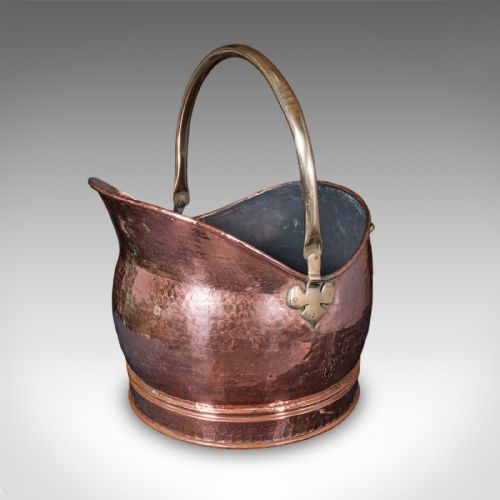
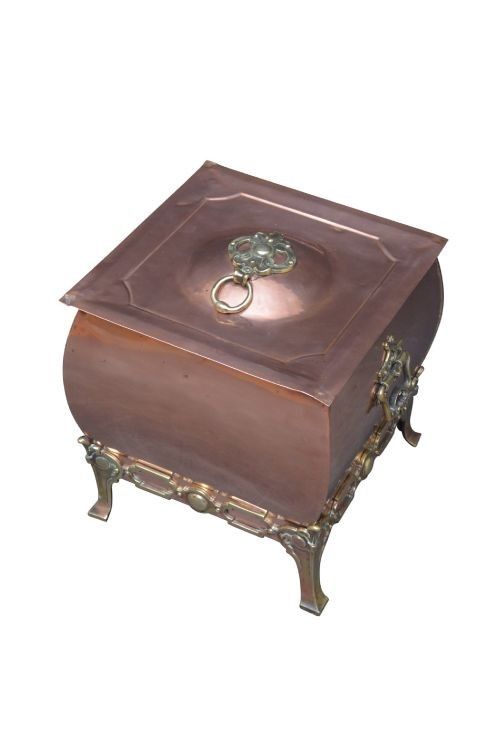
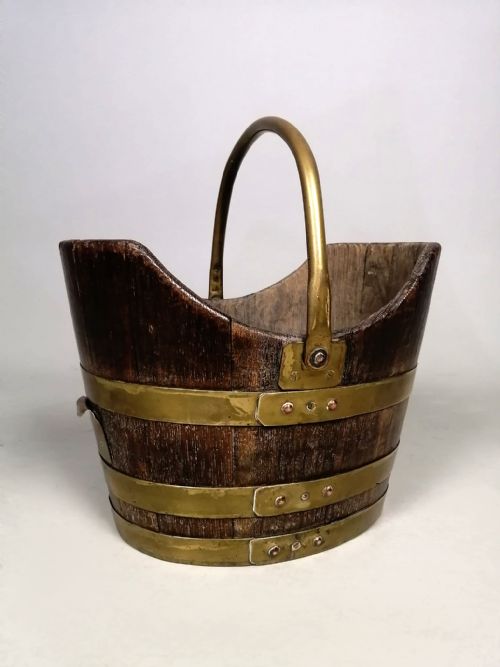
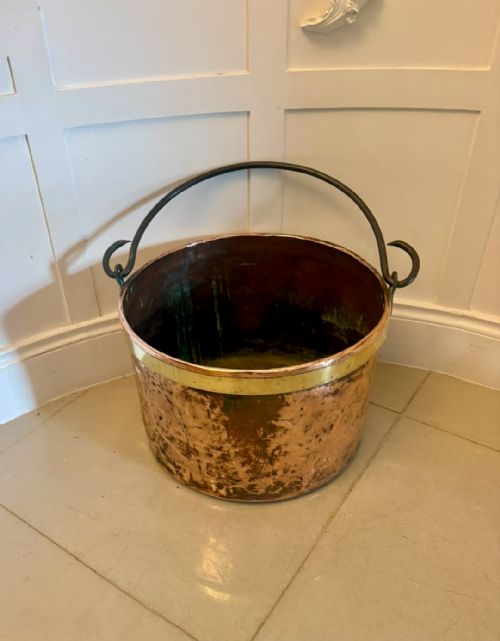
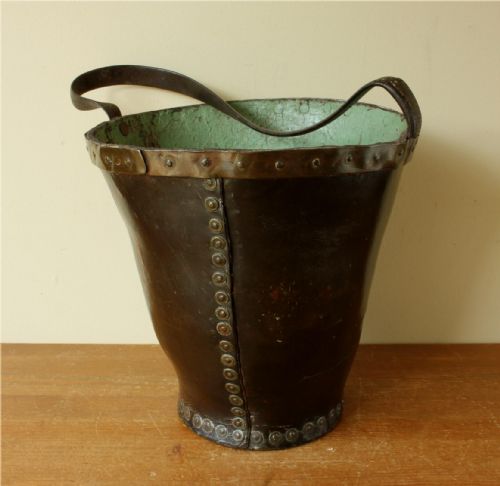
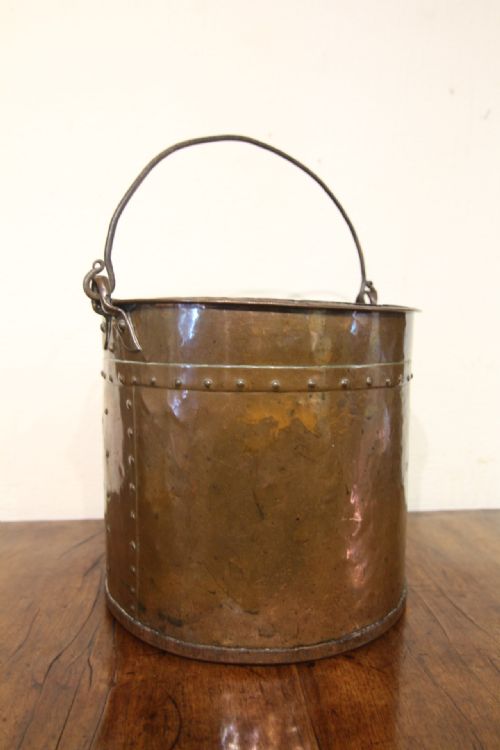
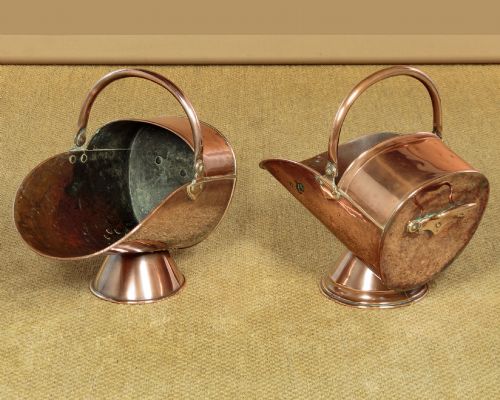
Forms vary from classic helmet scuttles and cylindrical buckets to handled boxes and lidded cauldrons. Makers often combined copper bodies with brass banding, iron handles, or wooden accents to create robust hearth furniture.
How They Were Made
Makers utilised sheet copper, shaping the metal by hand-beating, hammering, or riveting seams together. Wrought iron and brass formed structural frames, handles, feet, and decorative bands that reinforced the soft copper body.
Surface finishes range from smooth polished copper to hand-beaten textures and embossed relief work, particularly during the Arts and Crafts period. Riveting and dovetailing secured the joints before brass swing handles and feet were attached.
Several heavy copper buckets double nicely as indoor homes for overly ambitious potted ferns.
What Varies In Quality
Quality rests in the weight of the metal, the integrity of the construction, and the crispness of any hand-beaten or embossed decoration. Thicker gauge copper maintains its structural form without buckling under heavy loads of coal or logs.
The finesse of the joints, such as tight hand-riveting and securely fitted brass mounts, distinguishes standard utilitarian vessels from finer workshop pieces. Original iron frames, matching shovels, and untouched patination further elevate individual examples.
William Soutter & Sons·Henry Loveridge & Co·Percy Metal Works London
The Copper Coal Bin Glossary
- Helmet scuttle
- A coal container featuring a flared mouth and a raised back resembling a classical helmet, designed for pouring fuel cleanly. It usually rests on a small foot or three brass ball feet.
- Dinanderie
- A term for various objects made of hammered brass, copper, or bronze, often associated with continental European metalwork. It frequently describes decorative cauldrons and vessels.
- Purdonium
- A specialised box or cabinet designed specifically to hold coal beside the hearth, often incorporating an internal metal liner and a matching shovel. These units conceal the fuel behind a drop-down front lid.
- Planter
- A secondary use for retired coal bins and buckets, where the waterproof metal vessel accommodates soil and house plants. Gardeners prize them for their deep patinated copper surfaces.
- Arts and Crafts
- A design movement emphasising handcraftsmanship, simple forms, and visible construction methods like hand-beaten hammering. Pieces from this style often feature stylized floral motifs and honest joins.
Copper Coal Bin: Frequently Asked Questions
What is a copper coal bin?
A copper coal bin is a traditional fireside container made to store solid fuel near an open hearth. These vessels combine functional metalwork with decorative appeal.
Over time, many of these bins transition from active hearth duty to serve as decorative log holders, planters, or waste paper baskets in modern interiors.
How do I clean my copper bin?
Maintenance depends entirely on whether you prefer a bright polished finish or an aged dark patination. Gentle washing with warm soapy water removes accumulated dust and grime.
Avoid harsh abrasive cleaners that strip the historic surface character. Many collectors choose to leave the natural oxidation untouched to preserve the age of the metal.
Can I use an antique bin outside?
Using these vessels outdoors as garden planters is common, provided the copper and internal iron frames remain structurally sound. Exposure to moisture will accelerate the natural weathering process.
Protecting the interior lining helps prevent prolonged dampness from degrading historic riveted seams.
How do I date a copper bin?
Dating relies on observing manufacturing techniques, material combinations, and stylistic markers such as Arts and Crafts hand-beating or Georgian brass banding. Riveting styles and handle attachments offer strong clues regarding the period of production.
Earlier Georgian and Regency examples often feature heavy brass banding, while Victorian pieces frequently showcase embossed details and helmet shapes.