

Metal Fireside Scuttle
A metal fireside scuttle brings gleaming warmth to a hearth, combining practical fuel storage with striking nineteenth and twentieth century design.
Metal Fireside Scuttle
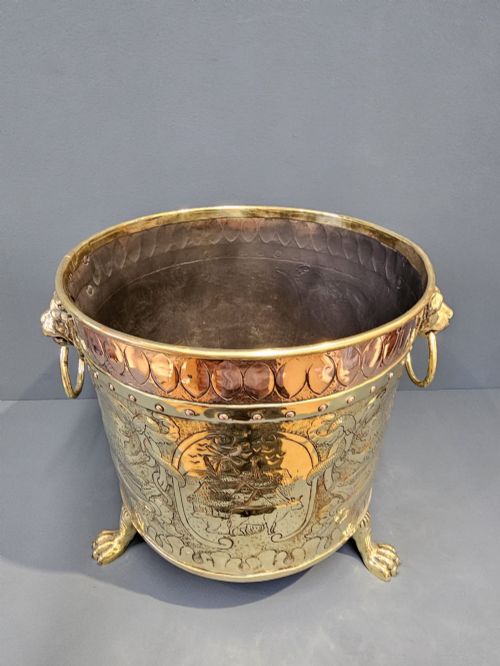
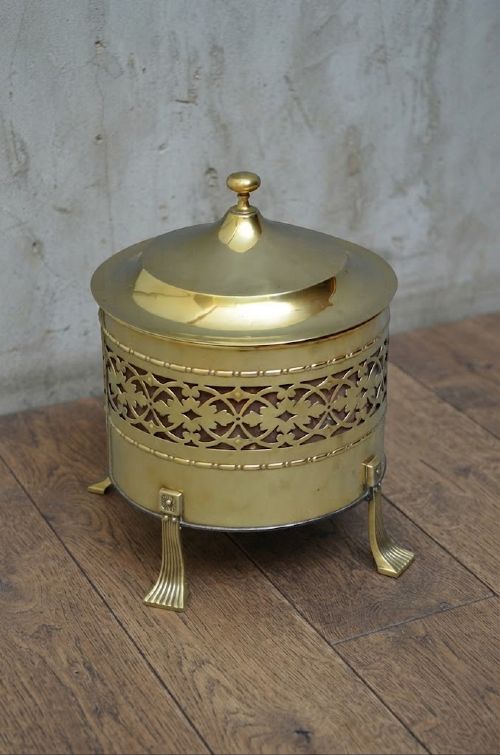
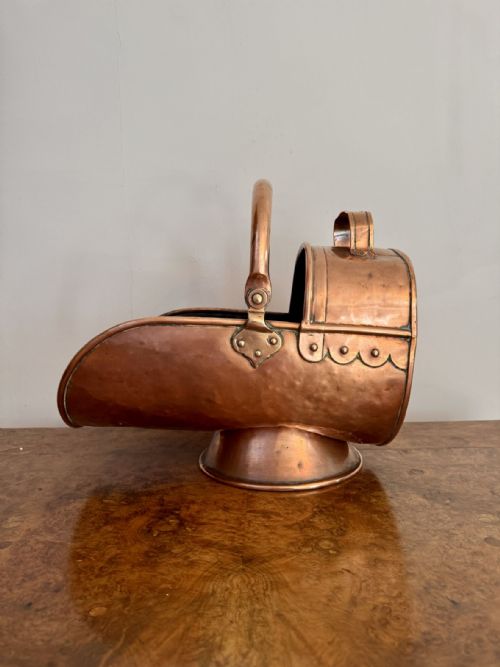
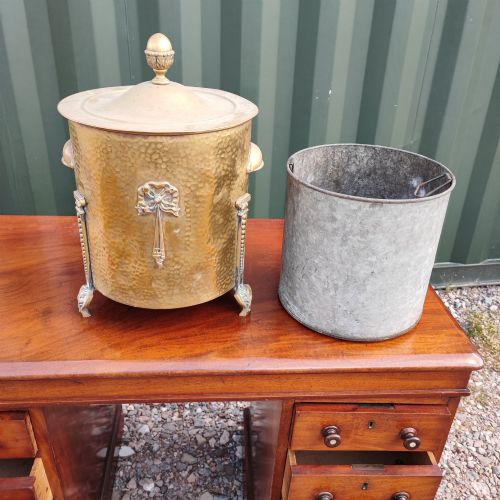
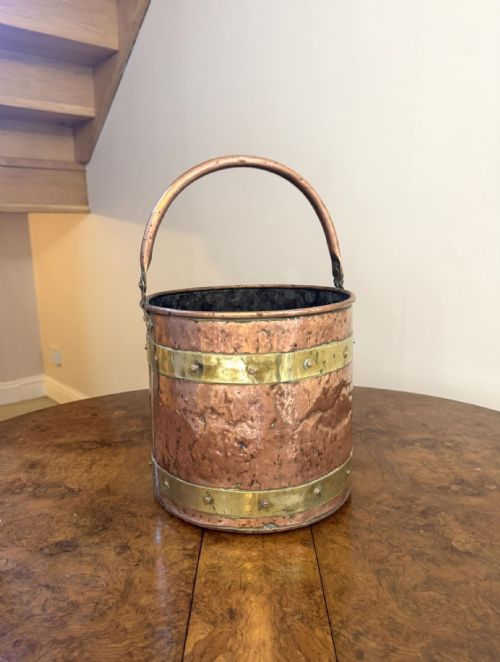
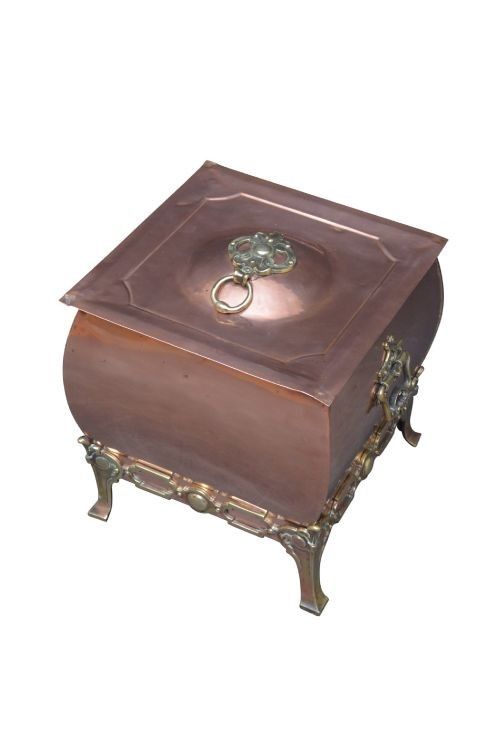
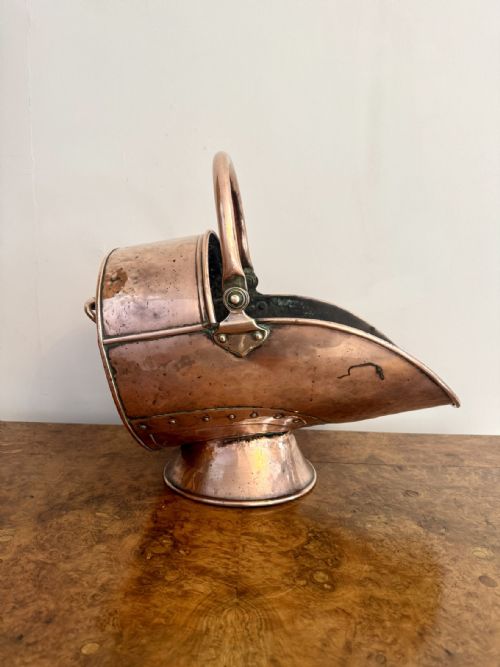
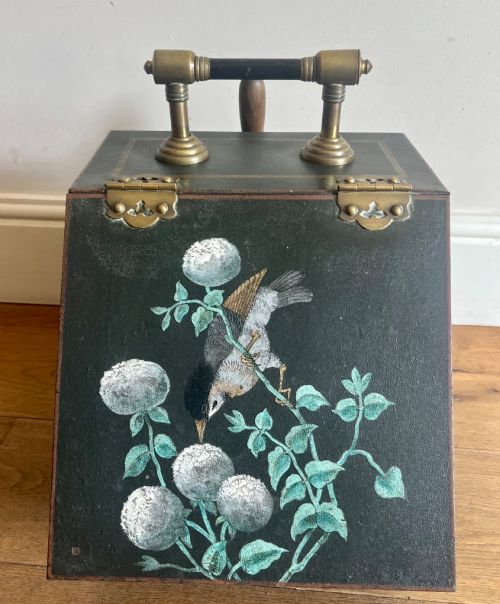
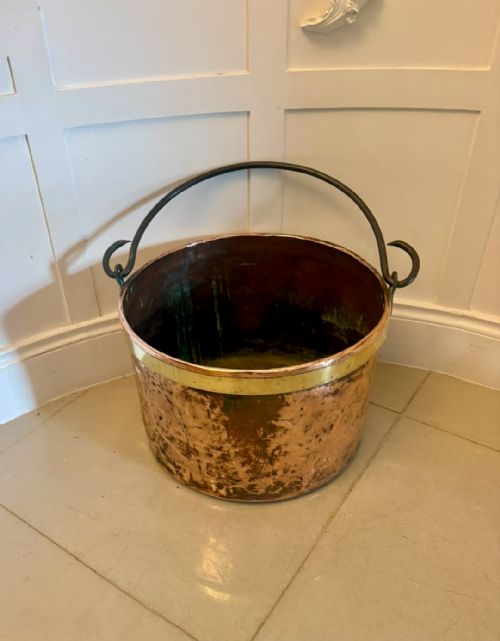
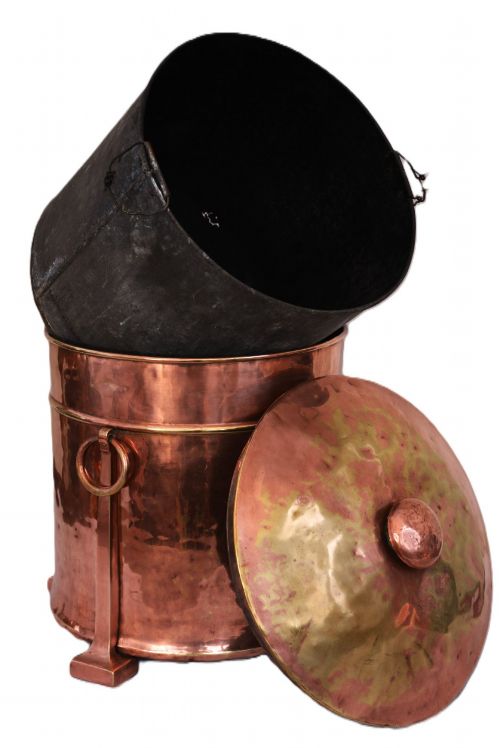
A metal fireside scuttle serves the hearth as a container for coal, logs, or kindling, taking forms such as helmets, buckets, bins, and boxes. These items appear frequently in nineteenth century styles, ranging from plain utility pieces to highly decorative vessels.
The selection on this page draws heavily from Victorian and Edwardian periods, alongside Georgian and Arts and Crafts examples. Brass and copper dominate the selection, often complemented by wrought iron handles and liners.
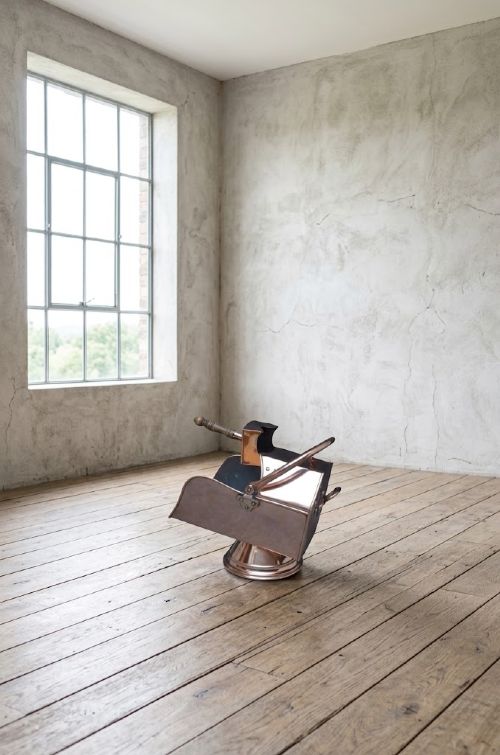
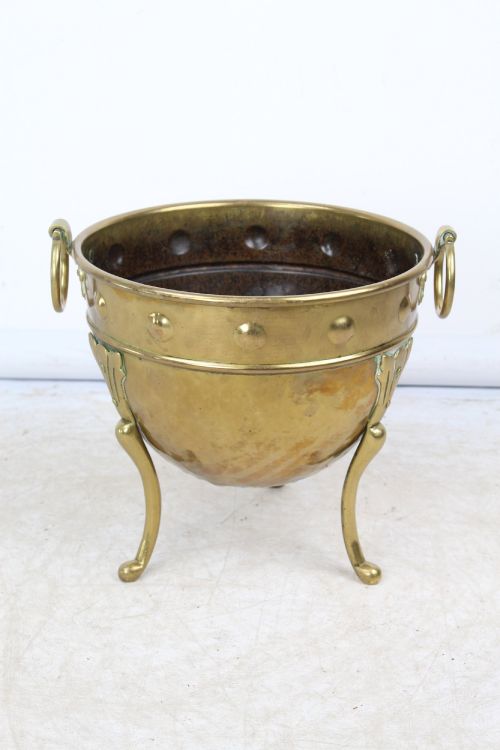
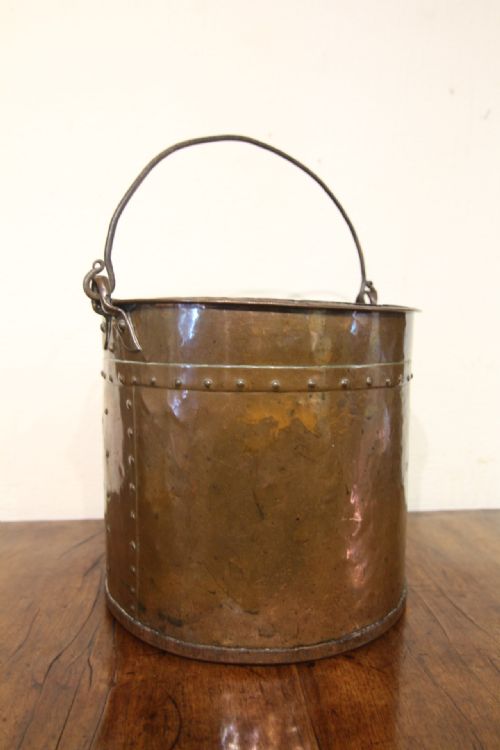
Buyers encounter variations spanning simple cylindrical log bins to riveted helmets equipped with matching shovels. Many of these vessels double as planters when retired from active hearth service.
Materials and construction methods
Smiths and manufacturers utilised sheet copper and brass, shaping the metal through hammering, spinning, and riveting. Wrought iron provided structural strength for handles, frames, and bands.
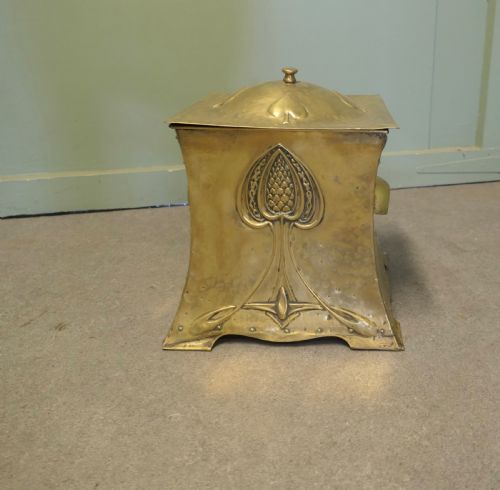
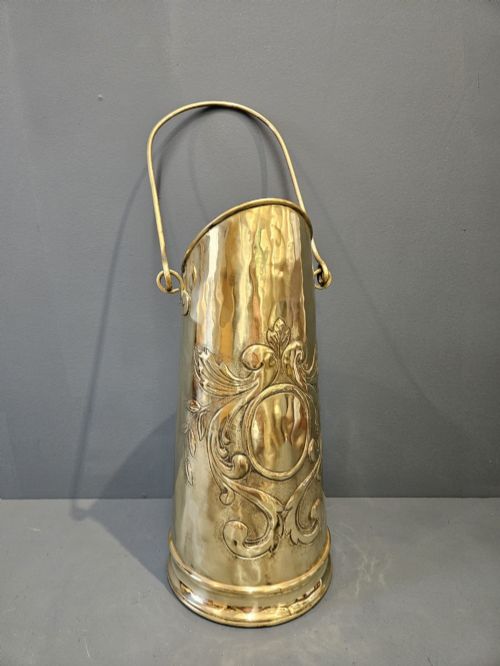
Decoration relied on surface work rather than added elements, including embossed patterns, fretwork designs, and repoussé tavern scenes associated with the Arts and Crafts and Art Nouveau movements.
Several copper coal bins double as vintage indoor planters, proving that even Victorian coal storage appreciates a quiet retirement among houseplants.
Assessing build and design standards
Construction weight separates standard utility buckets from finer display pieces, with heavier gauge metals and solid riveting indicating superior production standards. The presence of original components, such as matching shovels and liners, elevates a piece significantly.
Artistic execution dictates upper tier examples, where hand-beaten surfaces, detailed brass bands, and distinct Art Nouveau or Arts and Crafts motifs reflect deliberate design rather than mass production.
Henry Loveridge·Petrus Ramus·Percy Metal Works London
The Metal Fireside Scuttle Glossary
- Coal Helmet
- A scuttle shaped with a high back and a flared, sloping front reminiscent of a classical helmet. This profile allowed easier pouring of fuel into the grate.
- Repoussé
- A metalworking technique where the artisan hammers the design from the reverse side to form a raised pattern on the front. This method appears widely on Arts and Crafts brass and copper bins.
- Tole Ware
- Lacquered or enamelled sheet metal items produced to imitate Asian lacquerware. Unusual examples finished in this style bring colour variation to the hearth.
- Log Bin
- A straight-sided cylindrical or rectangular vessel designed to hold larger firewood logs rather than loose coal. These often feature iron frames or sturdy drop handles.
Metal Fireside Scuttle: Frequently Asked Questions
How do I clean a copper scuttle?
Maintenance depends on the desired finish, though most owners prefer gentle washing with warm soapy water to preserve patination. Avoid harsh chemical abrasives that strip away historical surface character.
Light polishing with a dedicated metal cream suits bright brass and copper surfaces. Ensure the metal dries completely to prevent spotting.
Can I still use these for real fires?
Many solid metal buckets remain structurally capable of holding logs or coal beside an active hearth. Checking for historical repairs or replacement liners helps determine practical daily suitability.
Lighter decorative items or those with delicate handles serve better as dry storage or fireplace decoration. Using an inner bucket protects the original antique base from moisture and ash corrosion.
How do I date an antique metal scuttle?
Dating relies on observing manufacturing techniques, material choices, and decorative styles like Arts and Crafts or Art Nouveau. Riveting patterns and handle attachments provide further chronological clues.
Victorian and Edwardian pieces frequently display machine-assisted rolling alongside hand-finished details. Georgian examples tend to show heavier hand-beaten construction and simpler functional lines.