
Antique Fireside Scuttle
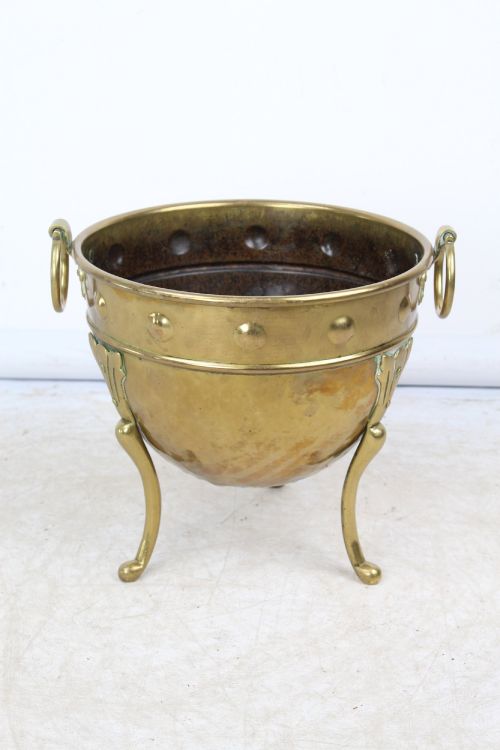
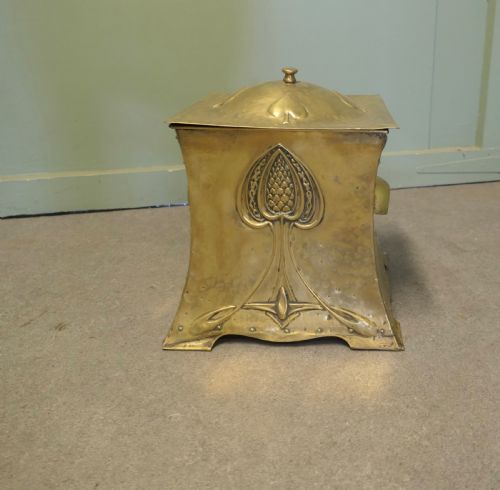
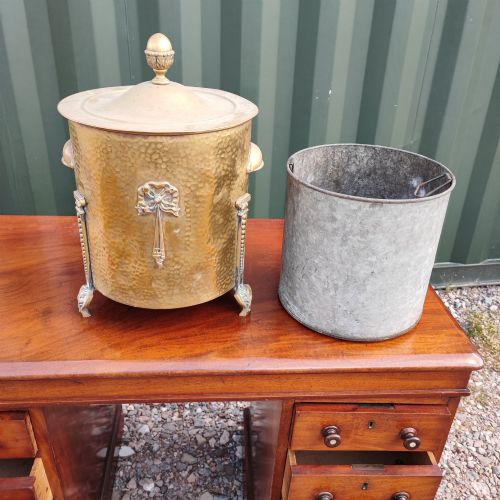
When searching for an antique fireside scuttle, collectors find heavy metal buckets and wooden boxes designed to hold coal or logs beside the hearth.
How They Were Made
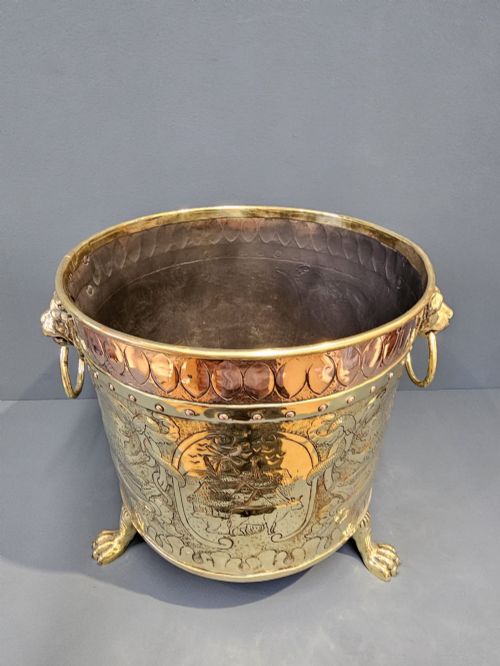
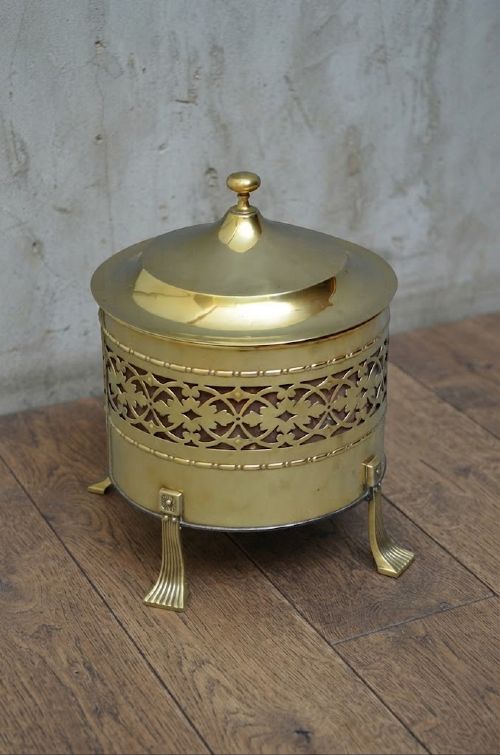
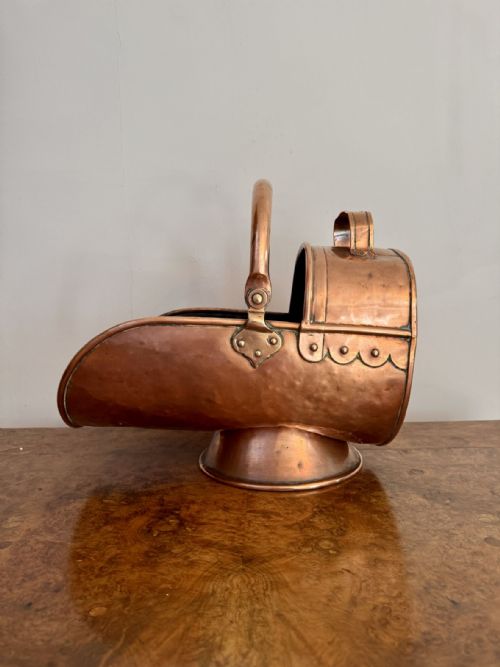
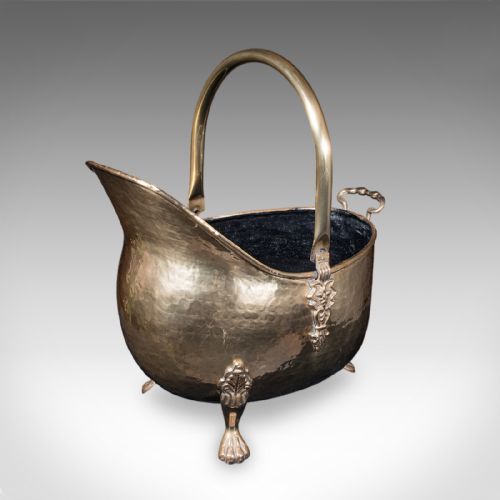
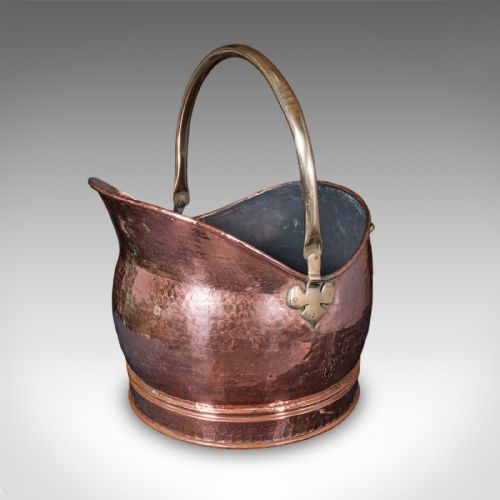
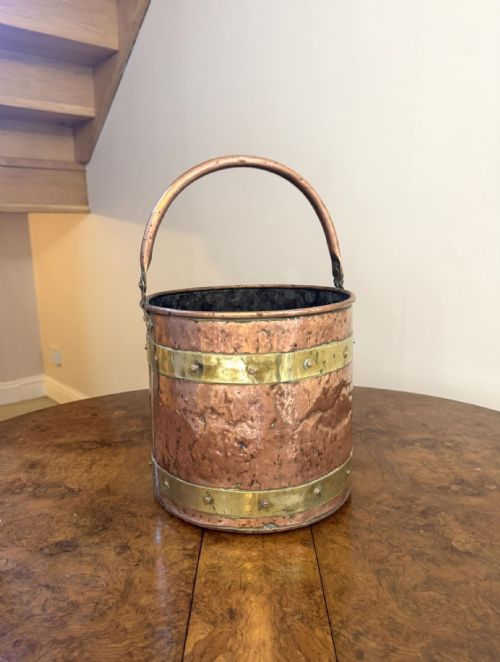
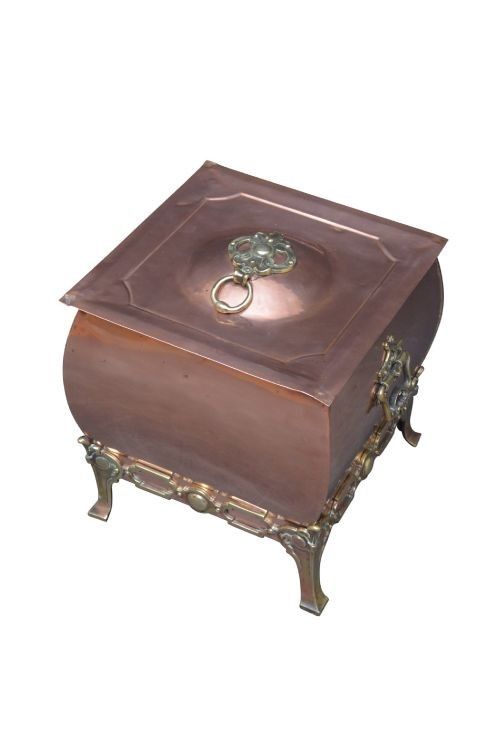
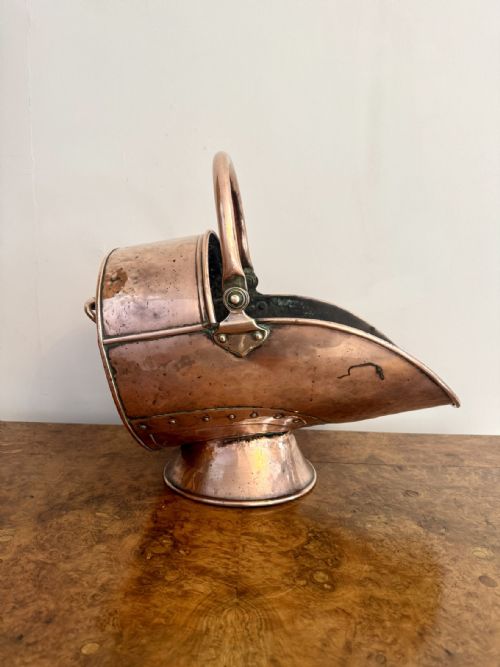
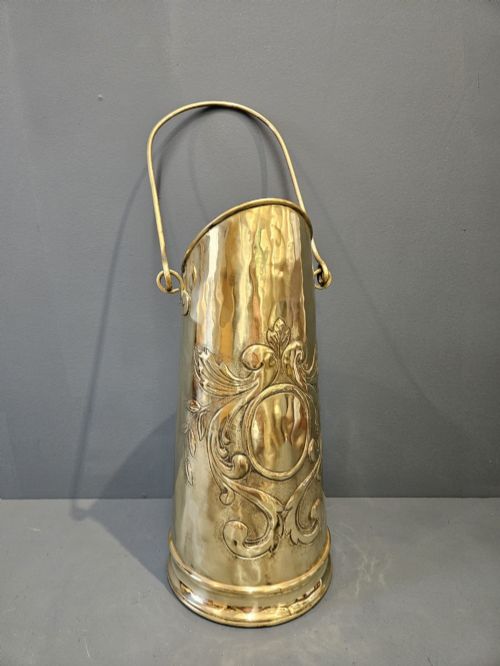
Metalsmiths constructed the metal versions using rolled brass and riveted copper sheets, often combining iron handles and brass banding for structural strength. Tole ware and applied copper bands frequently accent the main body of the vessel.
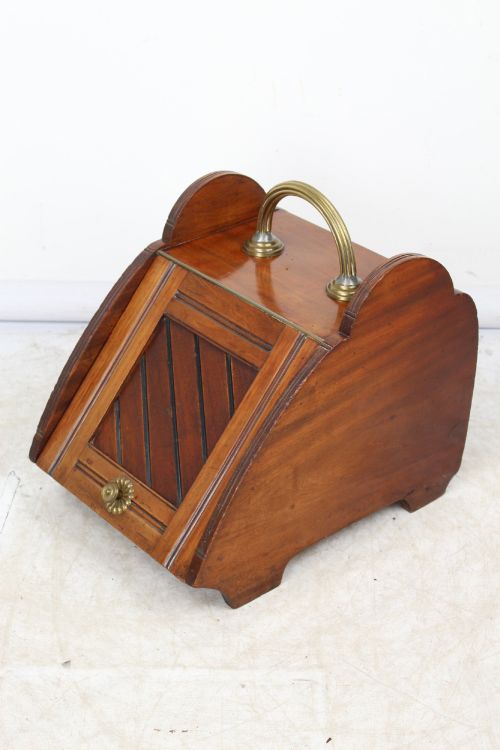
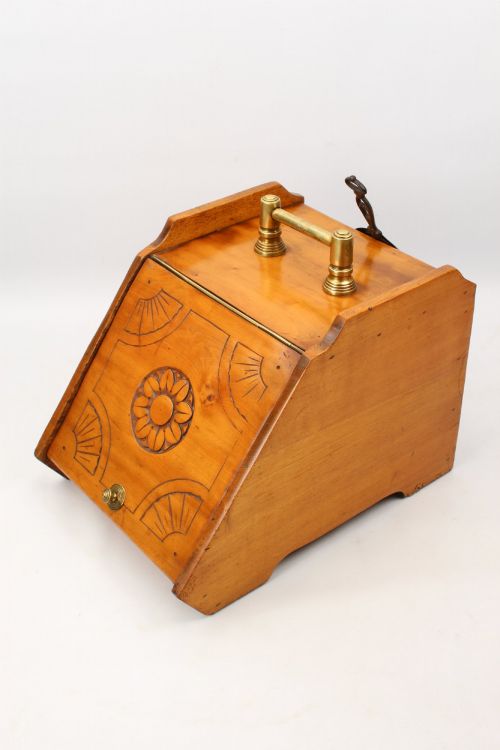
Cabinetmakers built the wooden examples using solid oak, mahogany, and walnut, frequently incorporating carved details, fretwork panels, and tilt-bin mechanisms into the purdonium design.
What Varies in Quality
The calibre of a piece depends on the weight of the metal gauge and the integrity of the riveted or dovetailed joints. Thicker copper and heavy cast brass resist dents and handle the daily weight of fuel better than lighter alternatives.
Design complexity also separates standard utility items from finer workshop pieces. Hand-embossed decoration, stamped maker motifs, and intact original furniture such as ceramic or metal liners elevate the standard of the object.
Listings feature vessels constructed from copper, brass, oak, mahogany, and wrought iron across Victorian, Edwardian, and Georgian periods.
Henry Loveridge·Benham and Froud·Percy Metal Works London
The Antique Fireside Scuttle Glossary
- Purdonium
- A specialised wooden coal box featuring a sloping front door and an interior metal liner. This term commonly applies to late Victorian and Edwardian household storage units.
- Coal Helmet
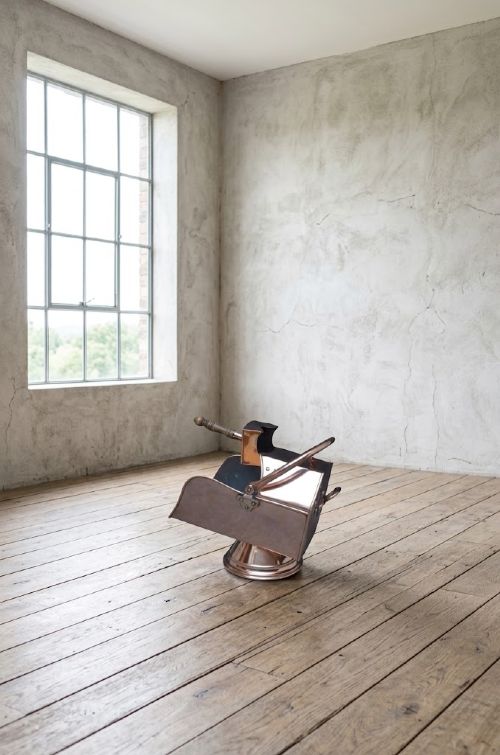
- A metal bucket shaped with an elevated, flared lip that resembles a traditional headpiece for pouring fuel cleanly. These pieces often feature a swing handle and a stepped base.
- Tole Ware
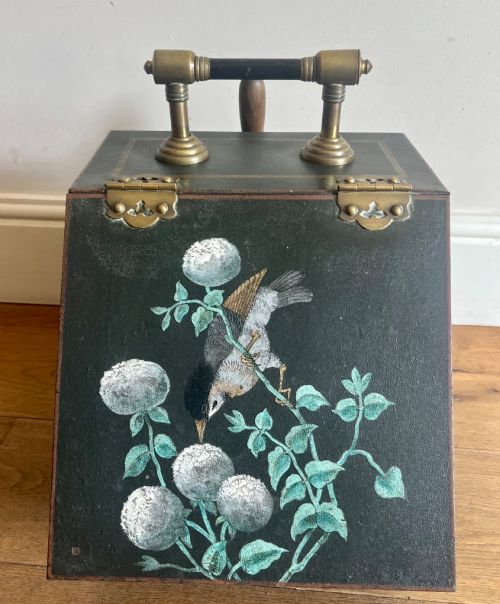
- Lacquered or painted metalware used for decorative household items. This technique provides a dark, protective surface finish on certain nineteenth-century receptacles.
- Log Bin
- A large freestanding container designed to store firewood rather than smaller pieces of coal. These vessels appear in coopered wood, heavy copper, and iron frames.
Antique Fireside Scuttle: Frequently Asked Questions
What is a purdonium?
A purdonium is a dedicated wooden coal box, typically Victorian or Edwardian, featuring an inclined front panel that drops open to reveal a metal scoop and liner.
These cabinets kept domestic fuel neatly contained within the living space while matching the surrounding wood furniture of the period.
How do I clean antique brass?
Historic brass retains its character through gentle dusting and minimal intervention, avoiding harsh modern chemical abrasives that strip aged surfaces.
Light cleaning preserves the natural tone and patina developed over centuries of household use.
Were these used for coal?
These vessels held solid domestic fuel like coal, anthracite, peat, or logs for open hearths in nineteenth-century homes.
Different shapes corresponded to specific fuels, with wide buckets for logs and deep helmet scuttles for pouring small coal.
What is tole ware?
Tole ware consists of japanned or painted sheet metal shaped into utilitarian and decorative household containers.
The lacquered surface provided durability and a dark, glossy finish popular in the Victorian era.