
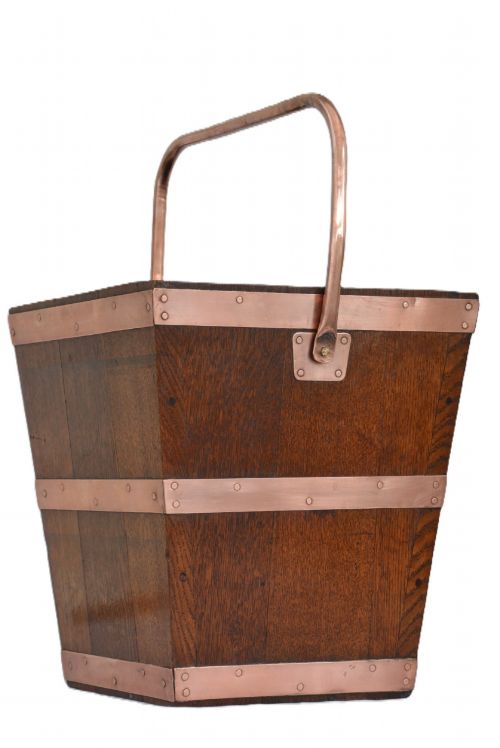


Copper Hearth Container
A copper hearth container brings warmth and a warm metallic sheen to a fireside, holding fuel close to the grate.
Copper Hearth Container
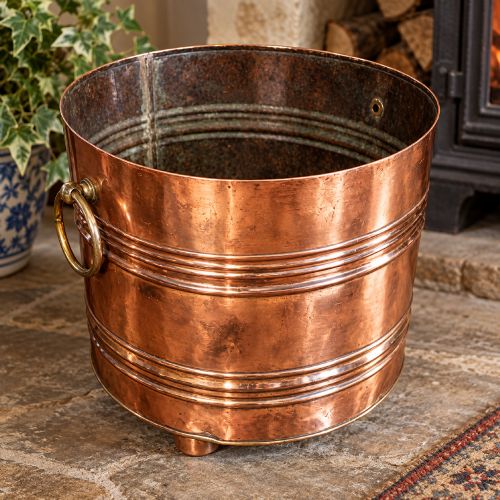
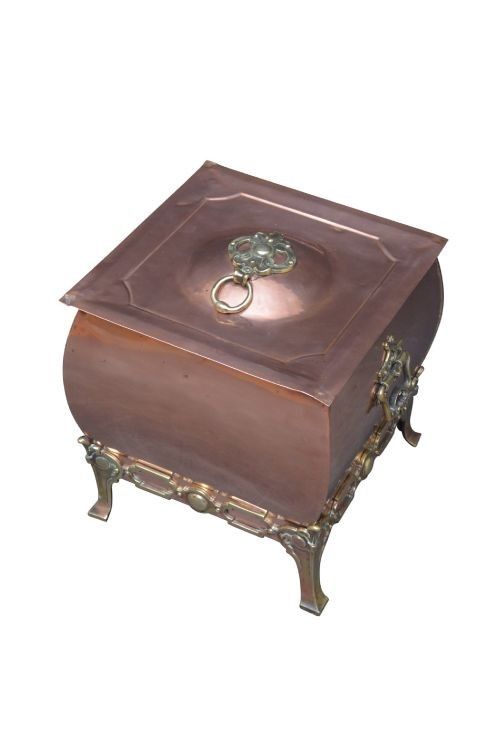
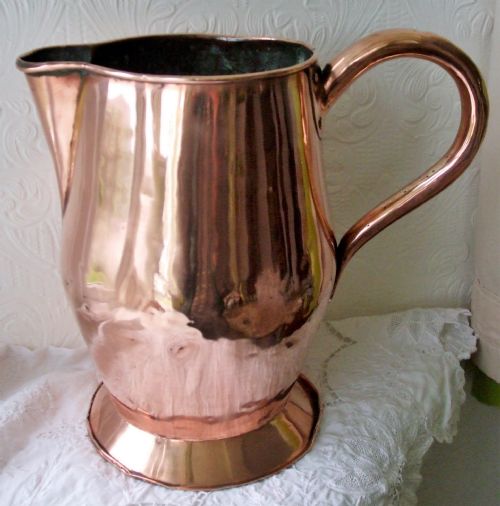
When you search for a copper hearth container, you encounter heavy utilitarian vessels designed to hold coal, logs or peat beside the fireplace. The pieces visible here span the Georgian, Victorian and Edwardian eras, reaching into the Arts and Crafts and Art Nouveau movements.
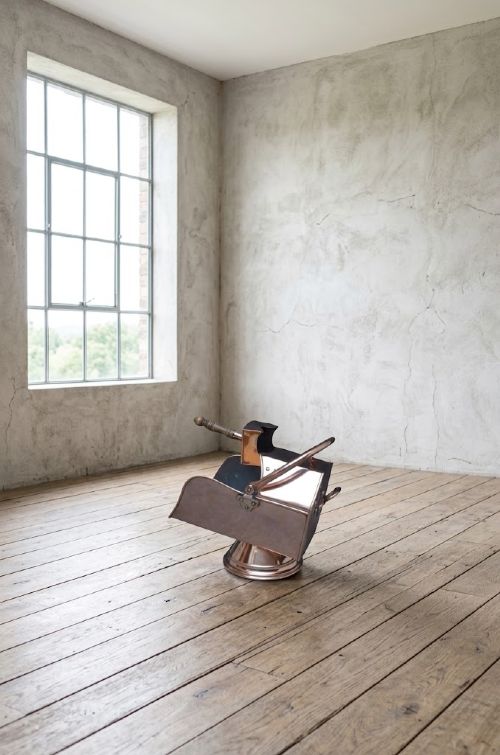
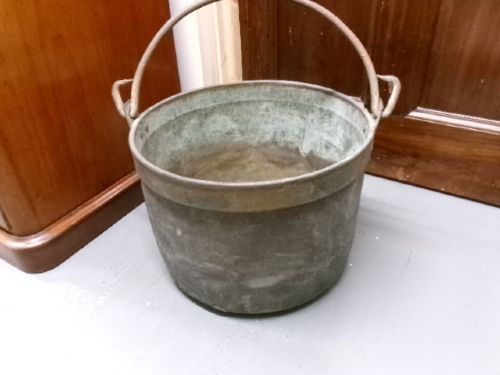
You meet coal buckets, scuttles, helmets and large log bins, alongside cooking pots and cauldrons adapted for fireside use. Victorian examples dominate, often combining hammered or riveted copper bodies with brass handles, swing bails or iron frames.
Many items double as planters, reflecting how domestic objects shift in function over time. The forms range from simple cylindrical buckets to shaped log boxes and handled helmets designed for pouring fuel cleanly.
Metals and Construction Methods
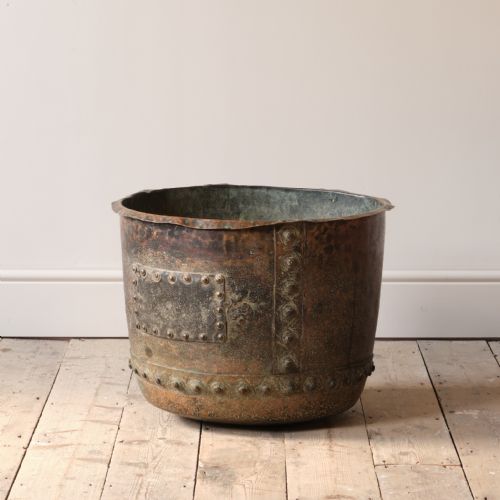
The primary material is sheet copper, worked by hand or machine into vessels and joined with visible metal rivets. Blacksmiths and metalworkers incorporated iron frames, wrought iron swing handles and cast brass mountings to reinforce the heavy bodies.
Makers utilised techniques such as hand-riveting, seaming and surface polishing to finish the copper plate. Arts and Crafts examples often display deliberate hammer marks, celebrating the physical labour of shaping the metal.
Periods range from the eighteenth century through the Victorian and Edwardian eras.
Distinctions in Build and Finish
Quality rests on the thickness of the copper sheet and the robustness of the structural joints. Heavy-gauge metal with tight, neat riveting survives decades of heavy fuel storage without distortion or splitting.
The integration of contrasting metals signals finer manufacture, such as carefully cast brass handles securely pinned to the main body rather than flimsy replacements. Original iron frames and matching lids elevate a piece above standard utilitarian gear.
Proportion and surface finish separate basic containers from ambitious decorative items. Well-balanced helmet shapes or clean circular buckets with undisturbed patinas show greater aesthetic consideration than plain or heavily dented vessels.
The Copper Hearth Container Glossary
- Coal scuttle
- A container designed to hold and transport coal to a fireplace, often featuring a wide mouth or a hinged scoop. Many take a helmet shape with a raised back and a slanted front.
- Log bin
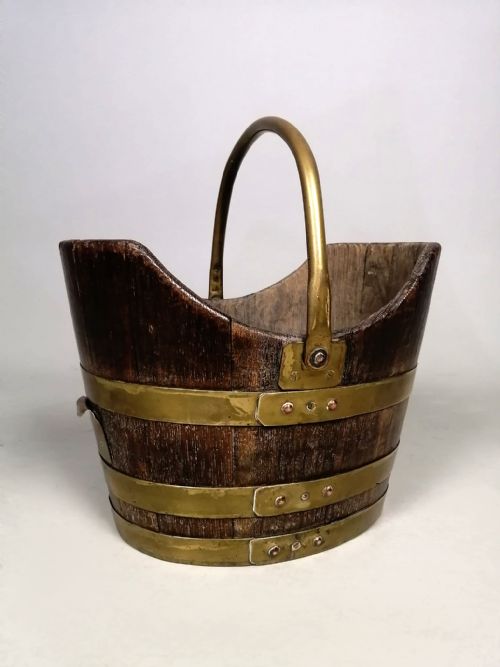
- A large freestanding receptacle built to store firewood beside a hearth. These often incorporate iron frames or wooden staves.
- Cauldron
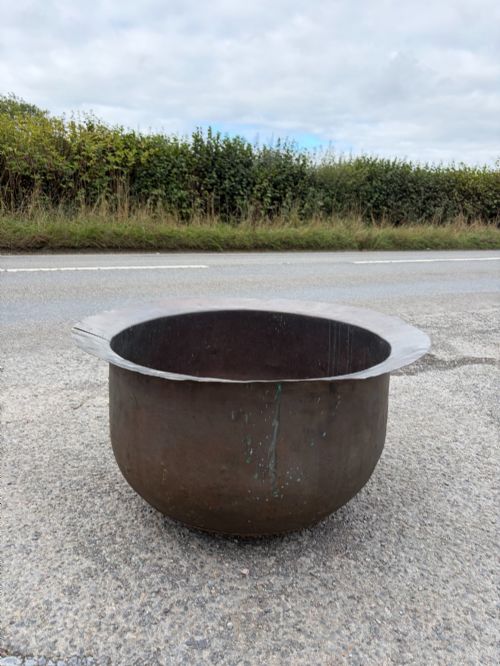
- A large round cooking vessel with a rounded base and a swing handle, frequently repurposed as a fireside container. They are typically cast or riveted from heavy copper.
- Swing handle
- A movable arched metal handle attached to the sides of a bucket or pot by loops. This allows the vessel to be lifted and tilted with ease.
- Patina
- The surface texture and coloration developed on metal through age and handling. A natural copper patina shows varied tones from dark brown to bright verdigris.
Copper Hearth Container: Frequently Asked Questions
How do I clean a copper container?
Maintenance depends on whether you prefer a bright polished shine or an aged dark patina. Most owners gently dust the surface and apply mild metal cleaner only when necessary.
Avoid harsh abrasives that strip away the historical surface character built up over decades of use.
Can these containers hold logs?
Many larger vessels and dedicated log bins are constructed with thick riveted copper and iron frames specifically for firewood. Smaller buckets and coal helmets suit lighter fuel like coal or peat.
Checking the internal volume and structural framing ensures the piece handles heavy timber safely.
How do I date a copper container?
Dating relies on stylistic clues, manufacturing techniques and material combinations across different periods. Georgian and early nineteenth-century pieces often feature heavy hand-riveted construction and distinctive brass banding.
Victorian and Edwardian items introduce Arts and Crafts surface hammering, distinct handle mounts and varied wood or iron supports.