
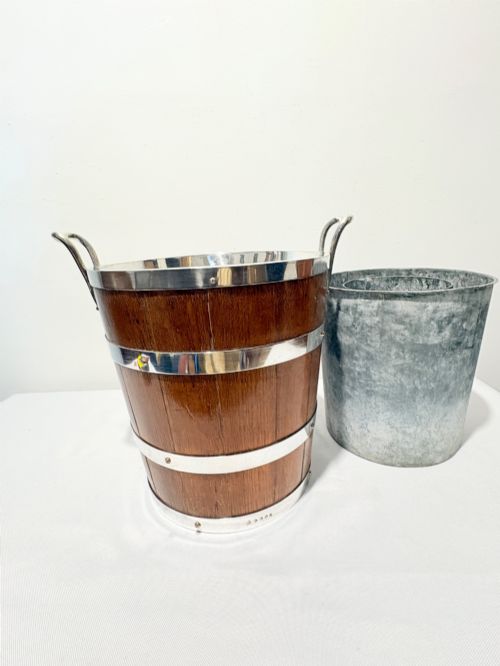
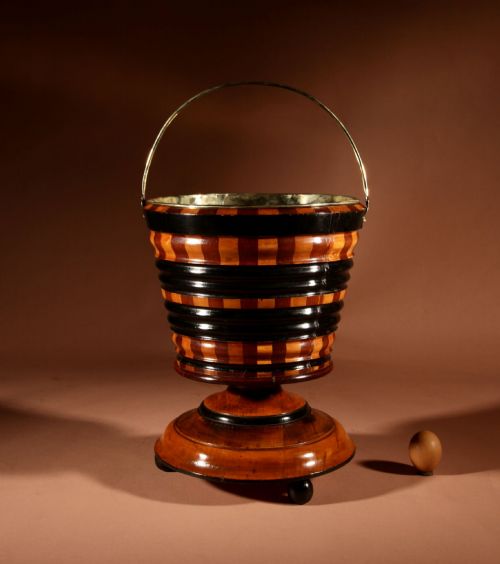
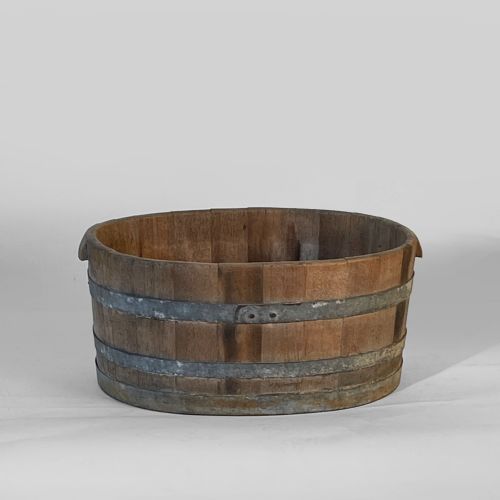


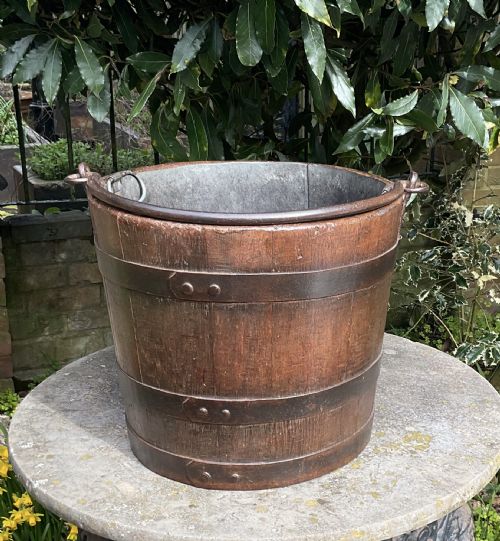


Coopered Wooden Wine Cooler
A coopered wooden wine cooler brings stave construction and metal banding together to hold bottles with historical charm.
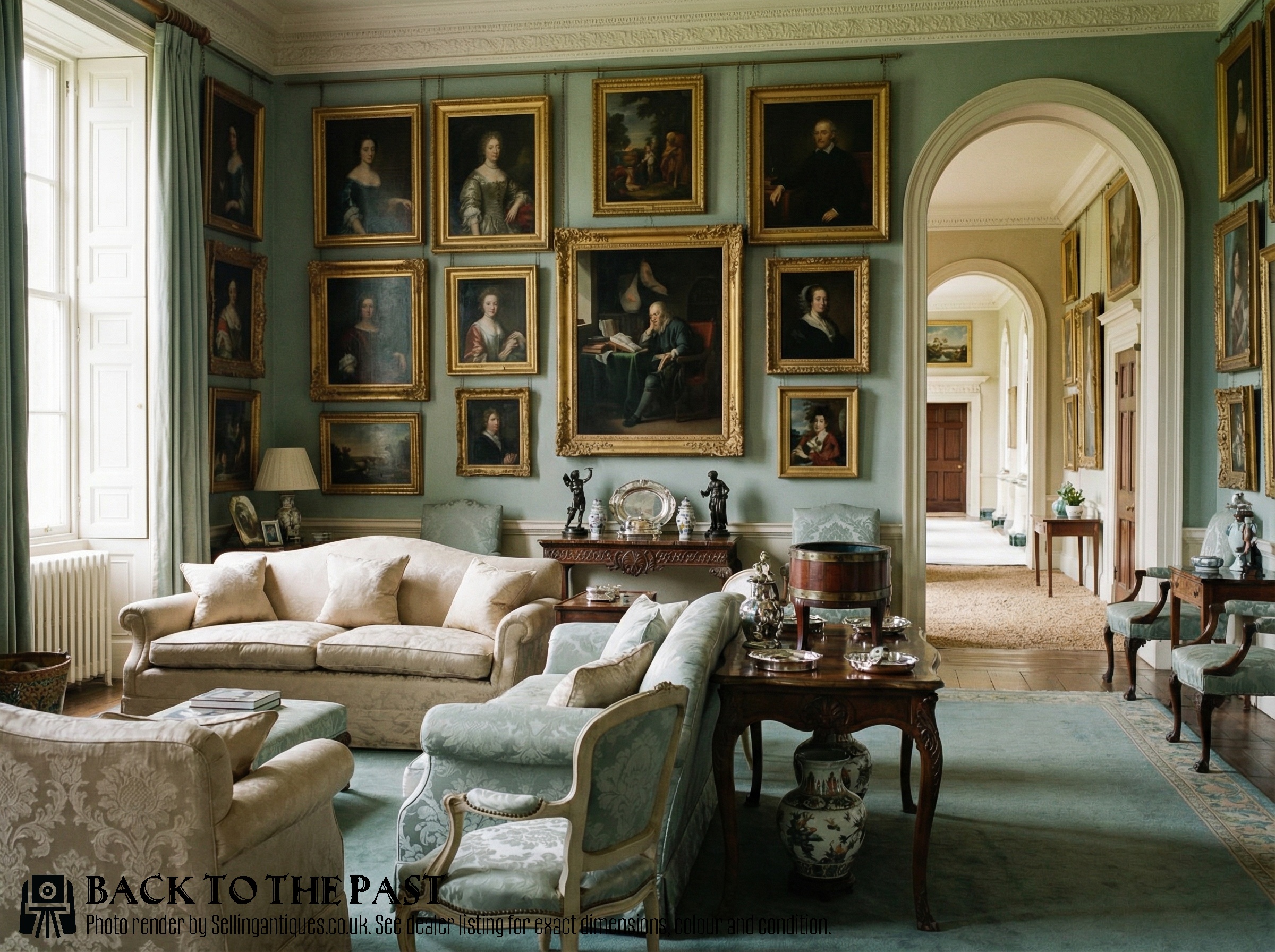
Coopered Wooden Wine Cooler
A coopered wooden wine cooler is a vessel formed from tight vertical wooden staves held securely by metal bands, following the traditional method of barrel-making. These items appear across various historical eras, including Georgian, Edwardian, and nineteenth century periods.
Buyers seeking a coopered wooden wine cooler will encounter forms ranging from traditional table wine buckets to larger planters, tea stove buckets, and standalone jardiniere stands. The majority originate from English and Dutch traditions, utilising domestic and exotic timbers alike.
The practical vessels frequently feature internal liners made from metal, silver plate, or ceramic creamware designed to hold ice and water securely. Surviving examples demonstrate both utilitarian service and decorative display purposes within period interiors.
What varies in quality
The refinement of the timber selection and the precision of the stave joints dictate the structural integrity of each piece. Superior examples exhibit tight, seamless joins between the wooden staves and retain their original metal banding without excessive distortion.
The presence of original internal liners, whether ceramic creamware, silver plate, or brass, elevates the completeness of the object. Finer specimens display harmonious proportions, quality mounts, and secondary decorative details such as turned bases or brass lion-mask handles.
Some sturdy vessels started life warming feet as Dutch peat buckets before finding a second career chilling champagne at the dining table.
Lister and Co
The Coopered Wooden Wine Cooler Glossary
- Coopered
- Constructed from curved wooden staves joined vertically and secured by hoops or bands, mirroring traditional barrel-making techniques. This method provides the foundational structure for wine coolers and peat buckets.
- Stave
- A narrow strip of wood with bevelled edges designed to fit tightly against adjacent pieces to form a rounded vessel. Master coopers shaped each stave meticulously to ensure structural strength.
- Teestoof
- A traditional Dutch footstove or container adapted historically for holding fuel or warming tea equipment. These pieces often share the stave-built construction seen in wine coolers.
- Creamware
- A fine earthenware developed in the eighteenth century with a pale yellowish-cream glaze, frequently used for internal bucket liners. This material offered a clean surface for holding ice and bottles.
- Jardiniere
- An ornamental pot or stand designed to hold plants or floral arrangements within a room. Many stave-built vessels served interchangeably as wine coolers and jardinieres.
Coopered Wooden Wine Cooler: Frequently Asked Questions
What is a coopered wooden wine cooler?
A coopered wooden wine cooler is a vessel constructed from vertical wooden staves bound together with metal hoops, designed to hold bottles and ice.
These pieces reflect traditional barrel-making techniques and appear in various period styles ranging from Georgian to Edwardian.
Were these coolers used for wine?
Historical examples served multiple domestic purposes including chilling wine, holding champagne, and acting as tea stove buckets or planters.
Many retain original metal, silver-plated, or ceramic liners intended to contain moisture and protect the surrounding timber.
How do I care for wooden wine coolers?
Protect the timber by using the internal liner for ice and water rather than placing liquids directly against the bare wood.
Maintain the finish with occasional wax applications and keep the pieces away from direct heat sources to prevent wood shrinkage.
How do I identify period pieces?
Examine the timber species, the hand-forged nature of the metal bands, and the construction methods used for the staves.
Georgian and nineteenth-century examples often display specific wood patination and handle styles characteristic of their era of production.