

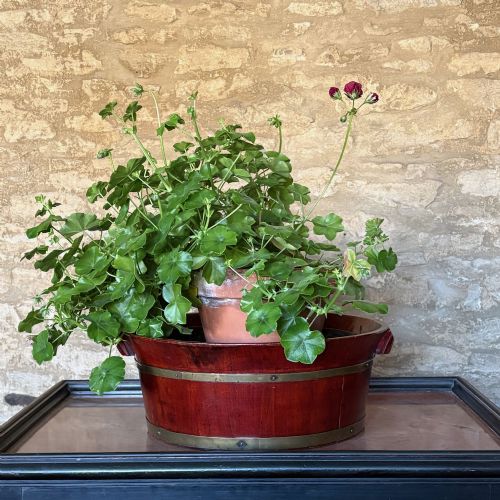
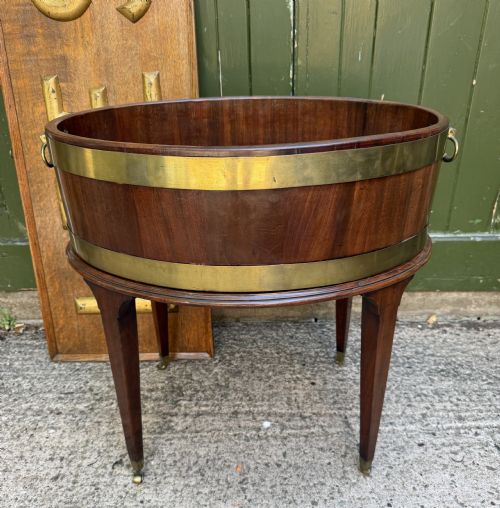
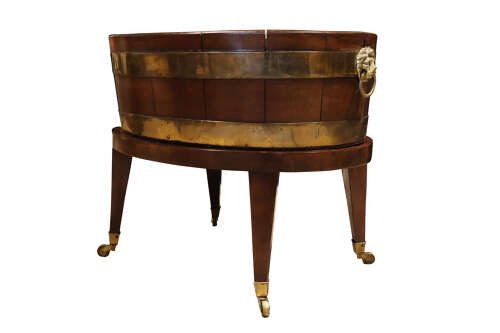


Coopered Mahogany Bucket
A coopered mahogany bucket combines stave construction with rich timber grain, serving as a wine cooler, jardiniere or peat bucket.
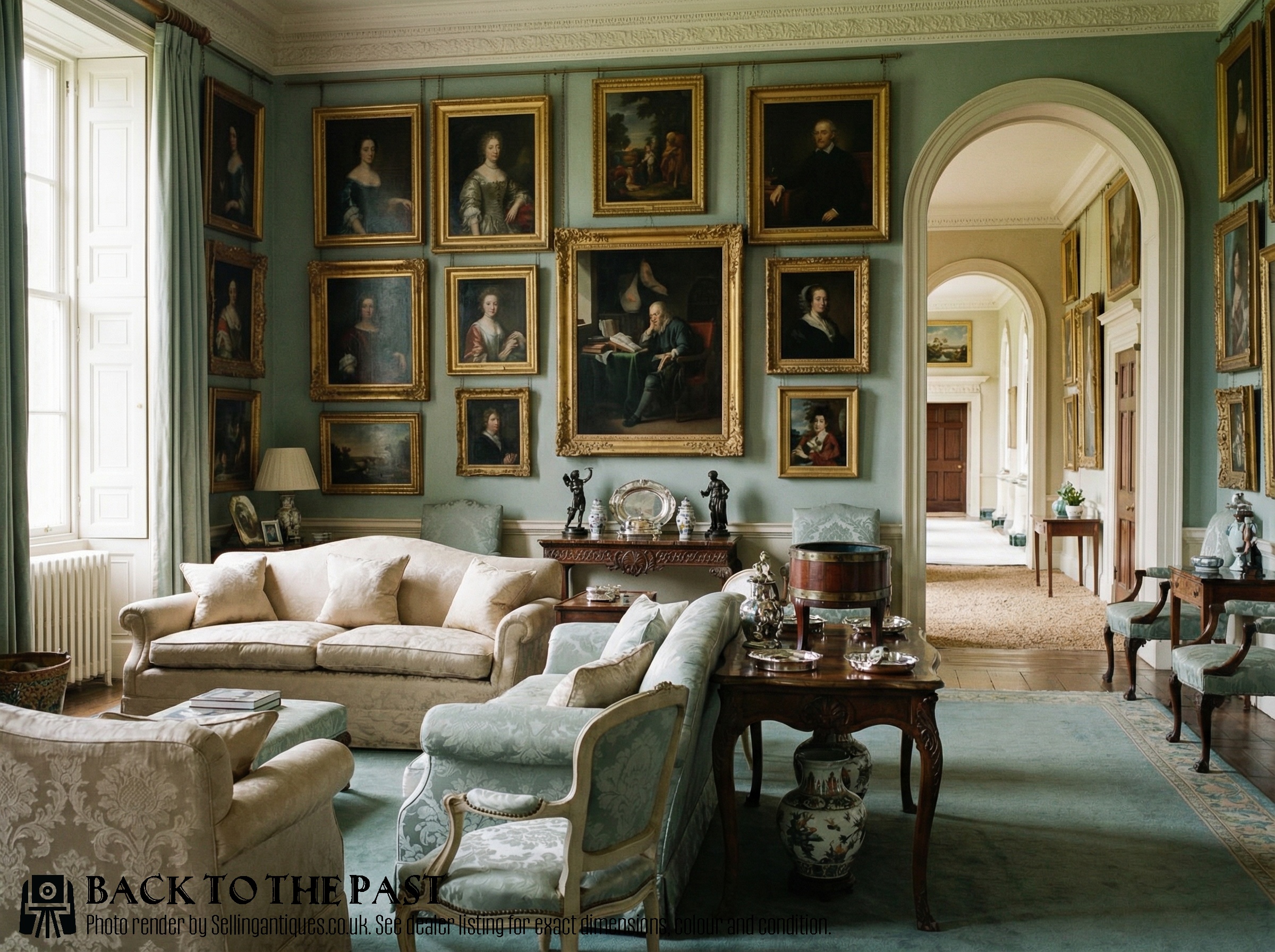
Coopered Mahogany Bucket
A coopered mahogany bucket is a vessel built from narrow vertical staves of timber held tightly together by metal bands, functioning across centuries as a wine cooler, jardiniere, peat bucket or tea stove. When you search for a coopered mahogany bucket, you encounter forms ranging from Georgian oval wine coolers on stands to Dutch traditional peat buckets and nineteenth century planters.
The pieces appearing on this page span the Georgian, Regency and Victorian eras, alongside Dutch traditional styles. You meet oval wine coolers, butter barrels and open cellarettes that reflect domestic habits of storing ice, cooling bottles or holding fuel beside the hearth.
How they were made
Makers constructed each coopered mahogany bucket by joining shaped wooden staves edge-to-edge to form a tapered cylinder or oval profile. Brass bands or metal hoops were heated and fitted tightly around the timber staves, contracting as they cooled to hold the structure secure without adhesives.
Mahogany, walnut, oak and ebonised wood provide the primary timber bodies, frequently paired with brass mounts, handles and liners. Selected pieces incorporate stands or drop handles that demand precise woodworking joinery.
Coopered Mahogany Bucket Retail Price Guide 2026
Typical asking prices for coopered mahogany bucket among the pieces listed under this phrase on Sellingantiques today, from the lower quarter to the upper quarter. They describe what is for sale here now, not the wider market.
Listings feature mahogany, walnut, oak, and ebonised wood combined with brass mounts across Georgian, Victorian, and Dutch traditional styles.
What varies in quality
Quality rests upon the precision of the stave joints and the thickness of the timber selection. Finer examples display tight, seamless vertical stave alignment and carefully hammered brass bands that follow the exact curve of the wood.
Proportion and period hardware distinguish superior items from later revivals. Original brass swing handles, liners and period stands elevate the integrity of a piece compared to replacements or married components.
Samual Norman
The Coopered Mahogany Bucket Glossary
- Coopered
- Constructed from curved wooden staves bound together with metal hoops, following traditional barrel-making techniques. This method provides structural strength for holding liquids or heavy contents.
- Stave
- A narrow, shaped strip of mahogany, walnut or oak forming the vertical sides of the bucket. Each edge is bevelled so adjacent pieces fit flush.
- Cellarette
- A lockable or open container used for storing wine bottles near the dining table. They frequently take coopered bucket or chest forms.
- Jardiniere
- An ornamental pot or receptacle designed to hold plants or floral arrangements. Many historic coopered buckets found later use in this role.
- Teestoof
- A Dutch foot stove or peat bucket used to hold glowing embers for warmth. These items often feature distinctive brass carrying bails and compact proportions.
Coopered Mahogany Bucket: Frequently Asked Questions
What was a coopered mahogany bucket used for?
These vessels served practical household roles including chilling wine bottles with ice, holding peat or charcoal for hearth warmth, and containing butter or domestic supplies.
Over time, many of these containers transitioned into decorative planters and jardinieres for domestic interiors.
How do I distinguish Georgian from later Victorian examples?
Georgian pieces generally exhibit lighter timber framing, hand-beveled staves, and period-specific brass fittings dating from the eighteenth century. Later nineteenth-century revivals often display heavier construction methods and standardised hardware.
Examining the interior surfaces and metal patination helps clarify the age of the vessel.
Can I use a coopered mahogany bucket for plants?
Many of these buckets function successfully as planters or jardinieres within modern rooms. Protecting the interior timber from direct moisture contact preserves the historical staves.
Removable liners help manage soil and water safely inside the wooden structure.
What maintenance do these wooden buckets require?
Keep mahogany and walnut surfaces clean with dry dusting and occasional treatment with appropriate wood waxes. Avoid placing containers near direct heat sources or damp environments that affect the stave joints.
Checking brass bands periodically ensures the metal remains properly seated against the timber.