

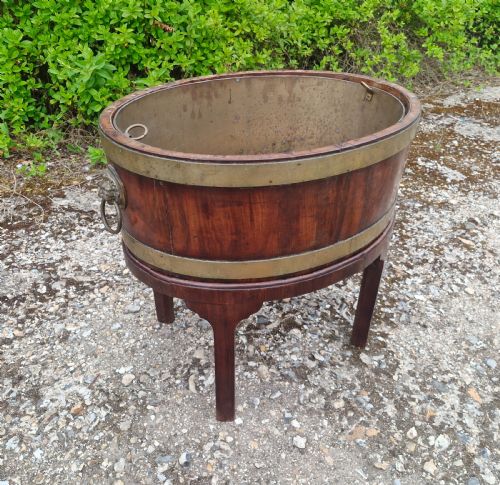
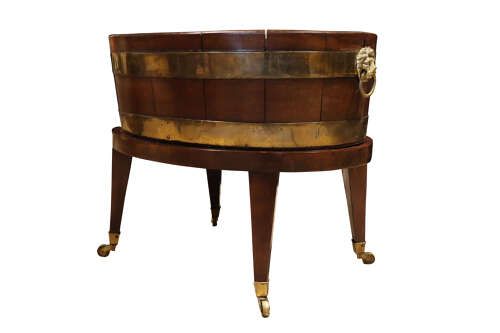


Georgian Mahogany Jardiniere
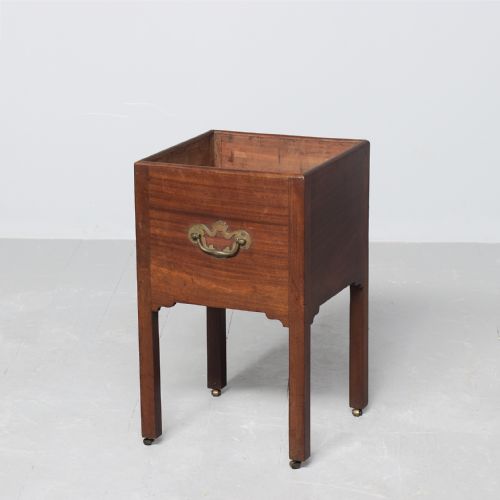
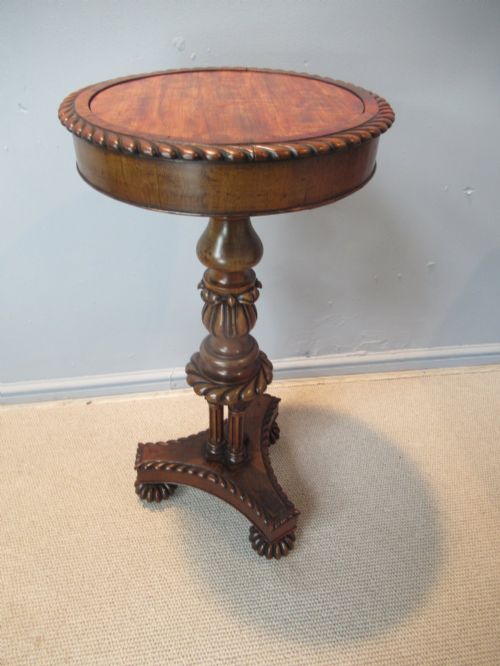
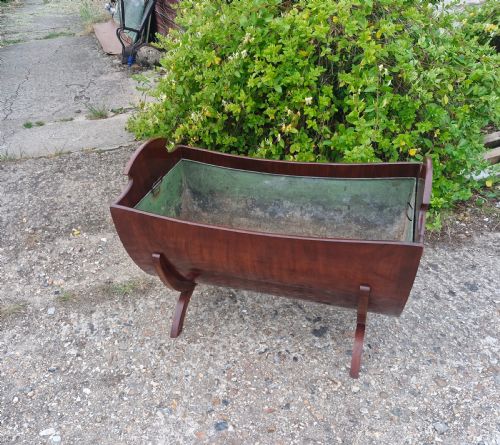
A georgian mahogany jardiniere brings natural warmth and classical form into a room, serving as a handsome vessel for plants or floral displays.
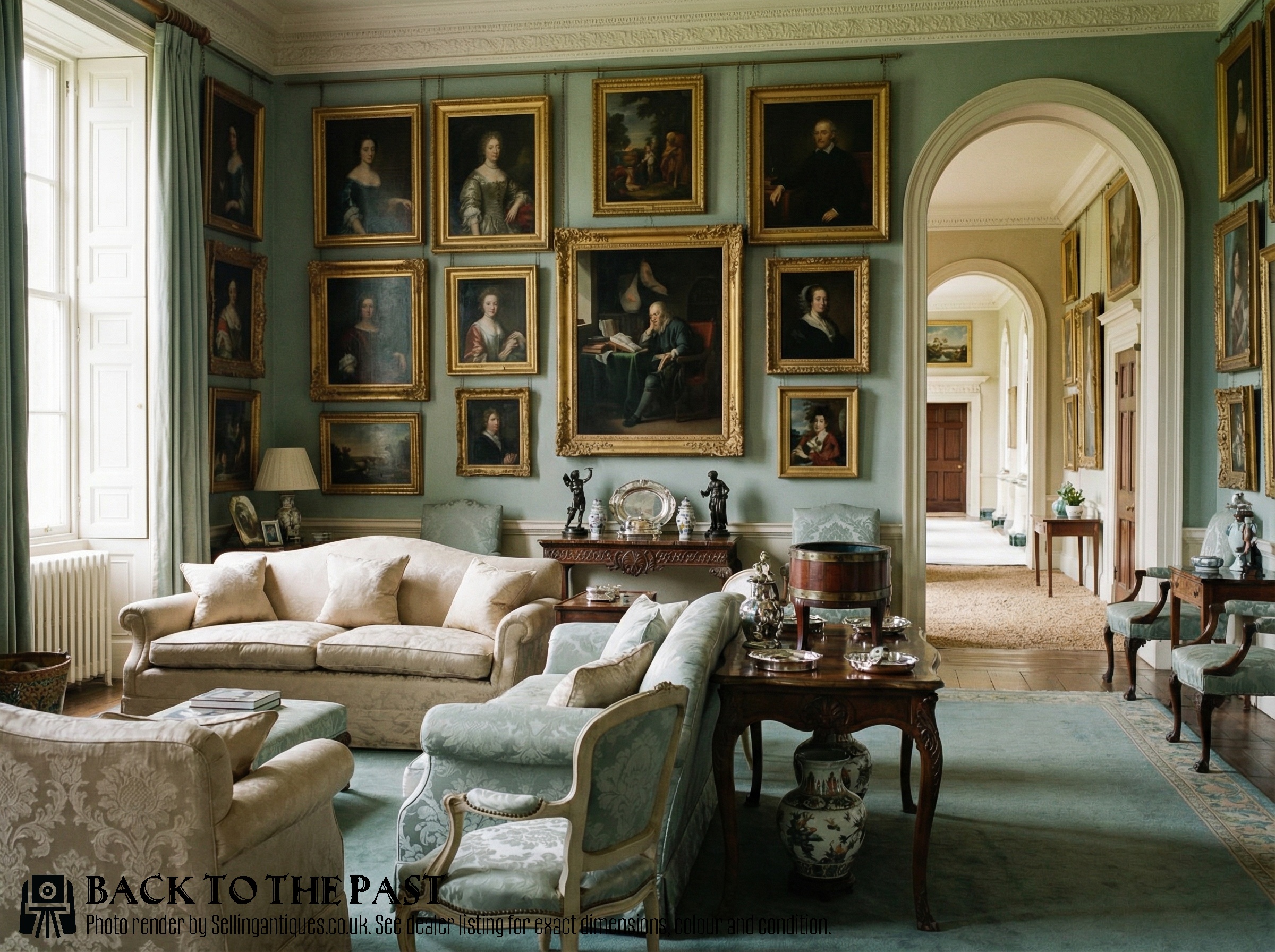
Georgian Mahogany Jardiniere
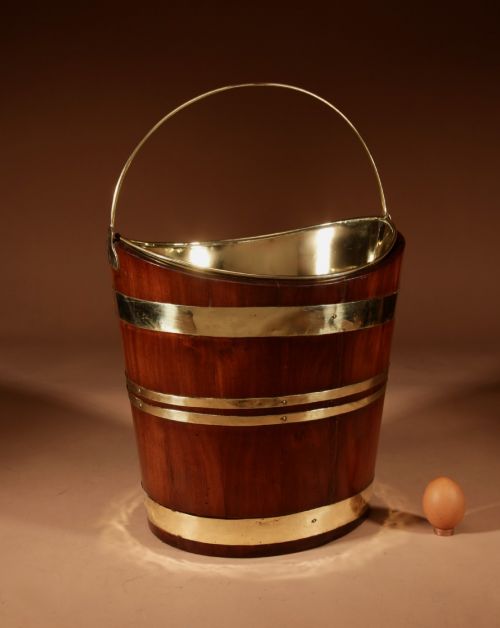
Makers adapted these timber containers for multiple domestic uses, meaning many pieces share forms with wine coolers, cellarettes, and tea stoves. Buyers most frequently encounter mahogany bodies enhanced by contrasting metal banding and fitted interiors.
What varies in quality
The degree of craftsmanship shows in the precision of the cooperage, the weight and tightness of the brass hardware, and the richness of the timber grain. Finer examples display carefully matched staves and crisp decorative inlay rather than purely utilitarian assembly.
Original interior linings and matching stands elevate a piece significantly above items that have lost their secondary components over time.
Materials recorded across the selection include solid mahogany, walnut, satinwood inlay, brass, zinc, and glazed ceramic.
The Georgian Mahogany Jardiniere Glossary
- Coopered
- Built using curved wooden staves joined side by side, similar to barrel-making. This technique provides structural strength for rounded planters and wine coolers.
- Cellarette
- A lockable container designed to hold bottles of wine or spirits. Many share identical proportions and construction methods with interior planters.
- Tea stove
- A small portable hearth or container used historically to heat water or keep tea warm. These vessels often double in form as decorative jardiniere buckets.
- Schuitje
- A Dutch term describing a boat-shaped vessel. These items feature distinctive curved rims and tapered ends.
- Satinwood inlay
- A contrasting light-colored wood inserted into the mahogany surface in geometric or linear patterns. It adds visual refinement to the exterior.
Georgian Mahogany Jardiniere: Frequently Asked Questions
How were they originally used?
While intended for holding indoor plants and floral arrangements, many served alternative domestic purposes such as champagne coolers or peat storage by the hearth. Their watertight metal or ceramic linings accommodated damp contents safely.
Wealthy households utilised them in reception rooms and dining spaces to integrate natural greenery and luxury materials into the interior scheme.
Are original liners common?
Original zinc, metal, or ceramic liners do survive in some examples, protecting the internal wood from moisture and soil erosion. Many pieces, however, have lost these inner vessels over the centuries of use.
Replacements are frequently fitted today to allow the containers to function practically as plant holders without damaging the antique timber.
How do I distinguish revival pieces from older ones?
Distinguishing period items from later Edwardian or twentieth-century revivals involves examining timber shrinkage, tool marks, and the patina of the brass hardware. Older examples exhibit natural wear patterns and construction methods specific to eighteenth and early nineteenth-century workshops.
Revival pieces often display cleaner, more uniform machine-finished surfaces and standardised dimensions.
How do I care for mahogany and brass?
Maintaining these pieces requires keeping them away from direct heat sources and sudden humidity changes to prevent the timber from splitting. Regular dusting with a soft cloth preserves the natural finish without requiring heavy polishing.
Brass bands should be cleaned gently to retain their aged character while preventing verdigris accumulation.