



Mahogany Cellarette Planter
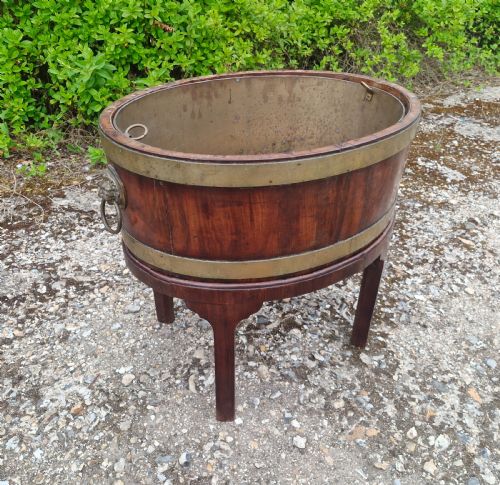
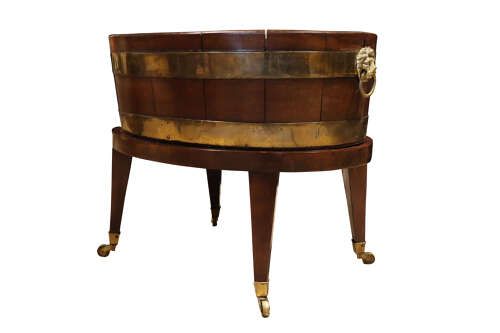
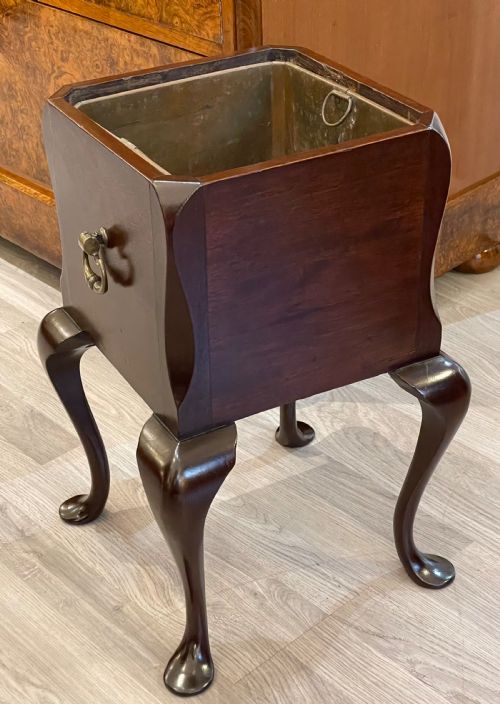
These mahogany cellarette planters combine deep timber and shining metal, serving as practical vessels for holding plants or cooling bottles in any room.
Mahogany Cellarette Planter
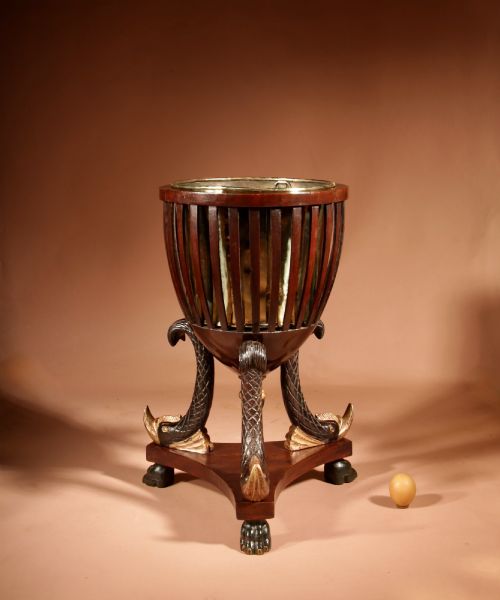
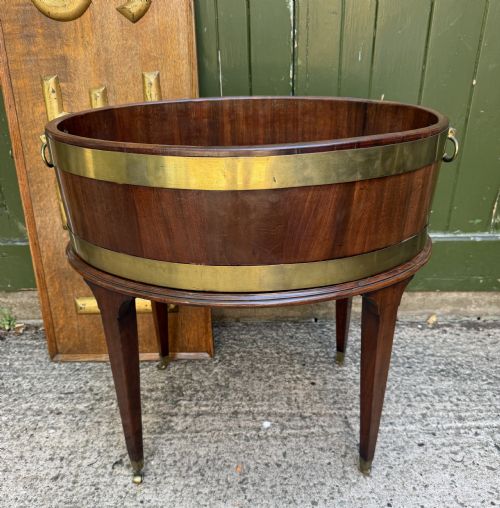
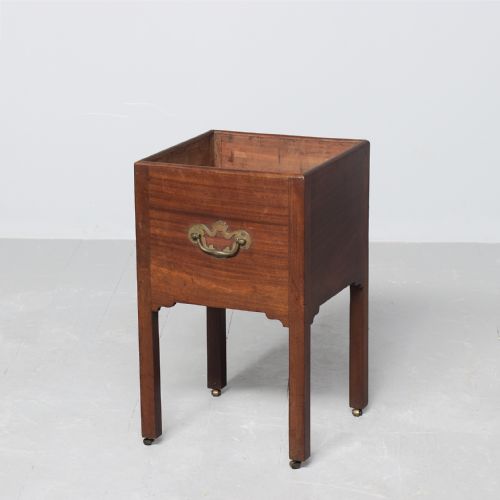
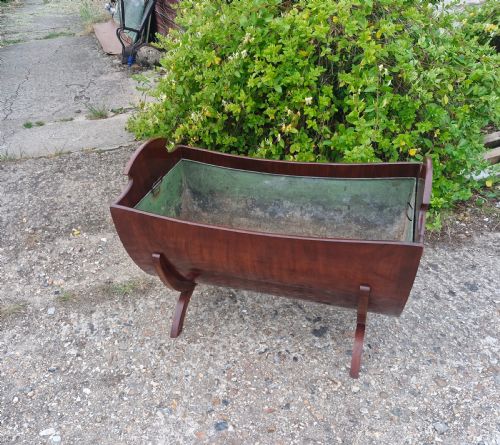
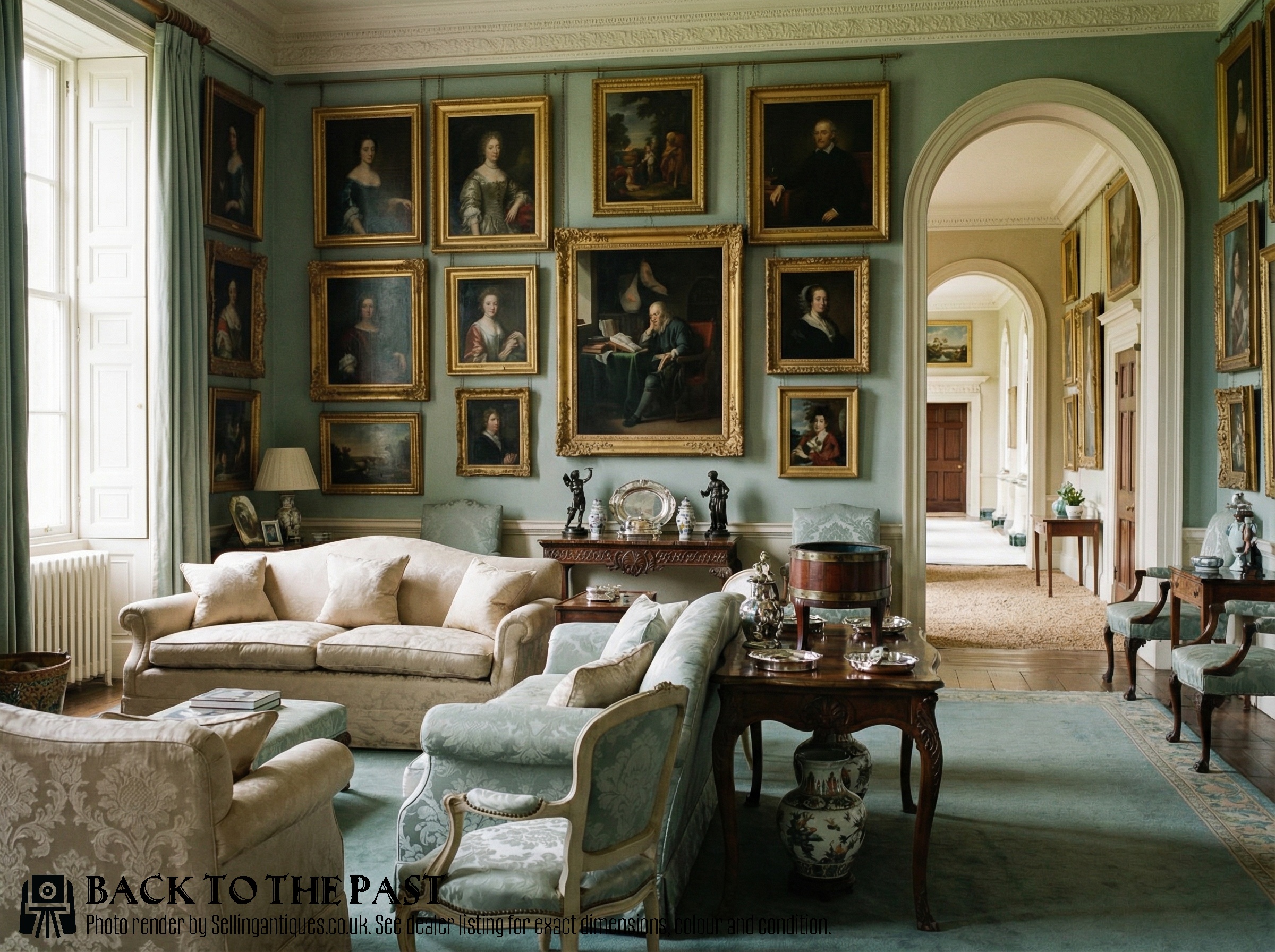
A mahogany cellarette planter is a substantial timber vessel originally designed for wine storage or serving as a jardiniere, appearing frequently in Georgian, Regency and later revival styles. You will encounter oval and round forms, often raised on stands with fitted liners for holding plants or water.
The pieces bridging wine coolers and planters reflect a long domestic history where dining room furnishings transitioned into decorative plant stands. Many items present cooperative stave construction or brass-bound bodies that suit both traditional and modern interiors.
Examples span the eighteenth century through to the twentieth century, including Edwardian and Georgian revival pieces alongside French Empire and Anglo-Indian variants. Walnut and padouk occasionally appear alongside the dominant mahogany timber.
Materials and construction
Cabinetmakers utilised solid mahogany, sometimes incorporating box tree or walnut, shaped through traditional joinery and coopered stave techniques. Metal components, particularly brass bands, straps and liners made of zinc or other metals, provide structural reinforcement and waterproof containment for plants.
Surface treatments range from polished timber finishes to ebonised wood details and gilt metal mounts. Stands are frequently integrated directly into the design, supporting the heavy timber bodies with tapering legs or bracket feet.
Materials include traditional mahogany, walnut and padouk, accented by metal liners and ebonised wood details.
Quality variations
The standard of a piece rests upon the figure of the mahogany grain and the precision of the coopering. Superior examples display tight, even stave work and high-grade timber selection that shows deep natural chatoyancy.
Hardware integration marks another distinction, where hand-joined brass banding and original metal liners indicate superior craftsmanship compared to later replacements. The proportion of the stand to the main body and the crispness of any carved mouldings separate standard production from exceptional execution.
The Mahogany Cellarette Planter Glossary
- Cellarette
- A lockable container or freestanding chest once used for storing bottles of wine in the dining room. They often sat beneath the sideboard before finding new life as planters.
- Jardiniere
- An ornamental pot or stand designed to hold growing plants or flowers indoors. These vessels frequently share forms with traditional wine coolers.
- Coopered
- Built using wooden staves joined edge-to-edge and bound with metal hoops, a technique borrowed from barrel-making. This method accommodated the expansion and contraction of wood containing damp contents.
- Brass-bound
- Featuring fitted bands of brass encircling the wooden body to add structural strength and decorative contrast. These bands often secure the coopered staves together.
- Padouk
- A dense tropical timber with a reddish hue, occasionally utilised in place of mahogany for cabinet work. It offers similar durability and takes a fine polished finish.
Mahogany Cellarette Planter: Frequently Asked Questions
What is a cellarette planter?
A cellarette planter is a timber vessel, typically made of mahogany, that adapts historical wine cooling furniture for botanical display. They bridge the gap between dining room service pieces and decorative plant holders.
Most feature coopered construction with metal liners designed to protect the wood from moisture. Their deep proportions make them well suited for floor-standing greenery.
Can these be used outdoors?
These pieces were designed as interior furnishings for country houses and formal rooms, lacking the weatherproofing required for exterior life. Exposure to rain and frost will damage the timber joints and corrode the metal elements.
Keep them inside as decorative focal points in halls, libraries or living spaces where climate conditions remain stable.
How do I date a piece?
Dating relies on observing construction methods, timber choice, and stylistic cues such as brass banding details and leg shapes. Georgian and Regency pieces show hand-cut joinery and particular attention to wood figuring.
Later revival items from the Edwardian period or the early twentieth century often display machine-tooled elements and different interior liner materials. Comparing the patination of the brass and the wear on the feet helps confirm the era.