
Edwardian Jardiniere Pedestal
An edwardian jardiniere pedestal lifts potted greenery and floral displays to eye level, combining practical interior botany with decorative woodwork.
Edwardian Jardiniere Pedestal
When you search for an edwardian jardiniere pedestal, you encounter tall stands designed specifically to support flower pots, ferns, and heavy planters in period drawing rooms and conservatories. The selections span the Edwardian era alongside pieces from the nineteenth century, nineteen-ten, and nineteen-twenty, reflecting domestic tastes for indoor plant displays.
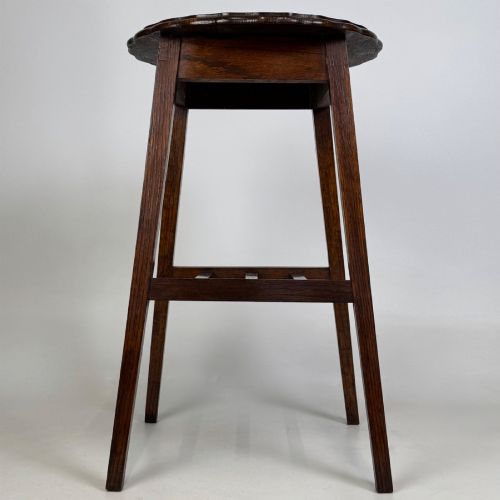
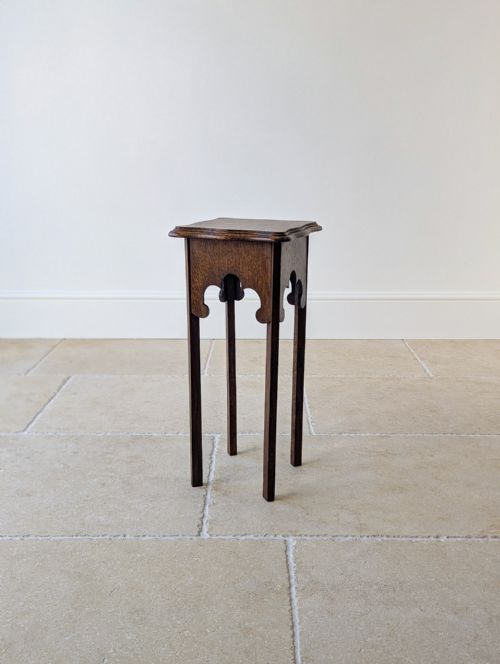
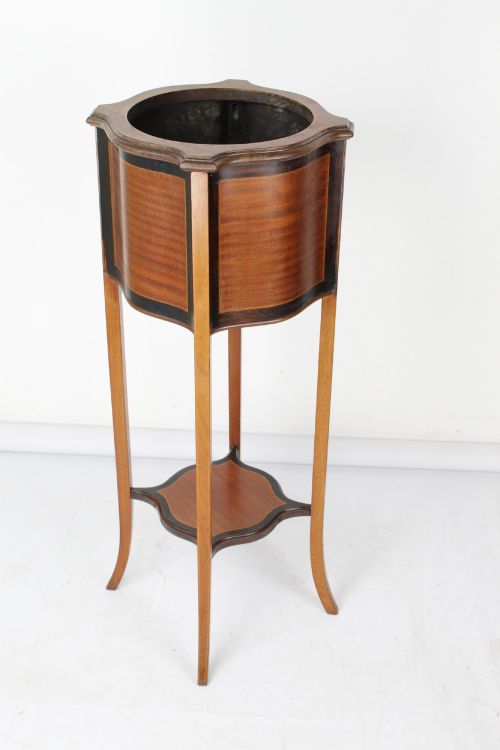
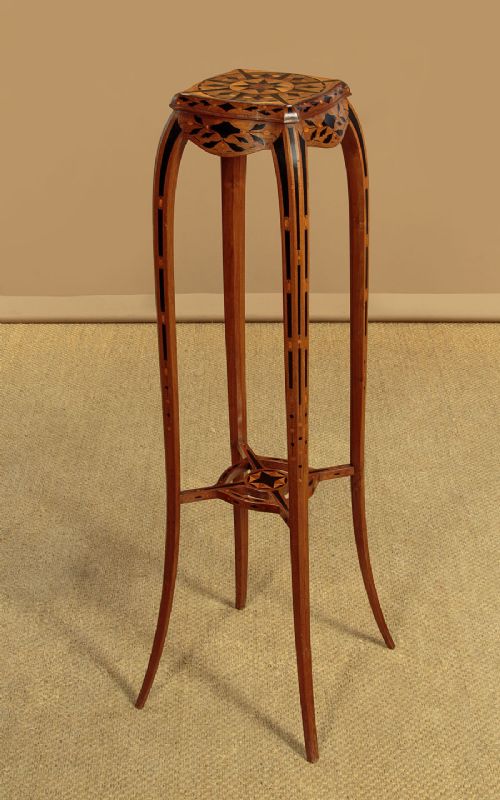
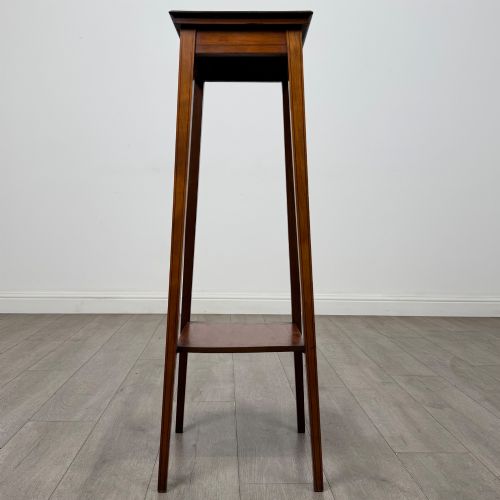
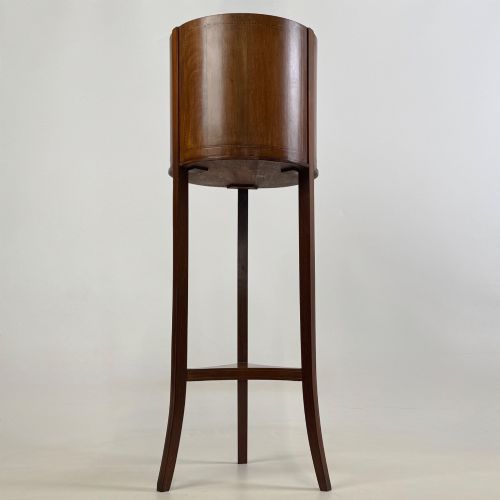
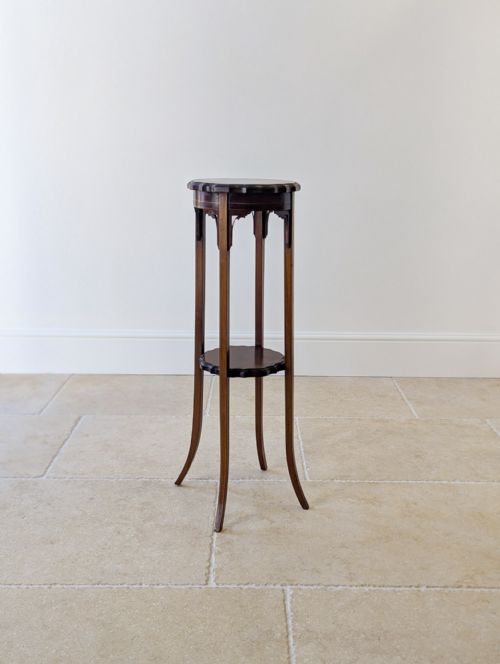
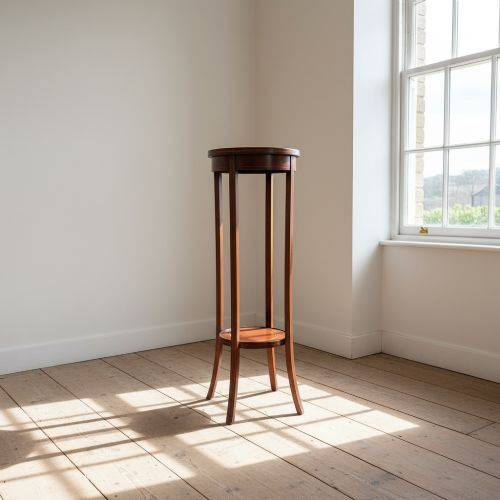
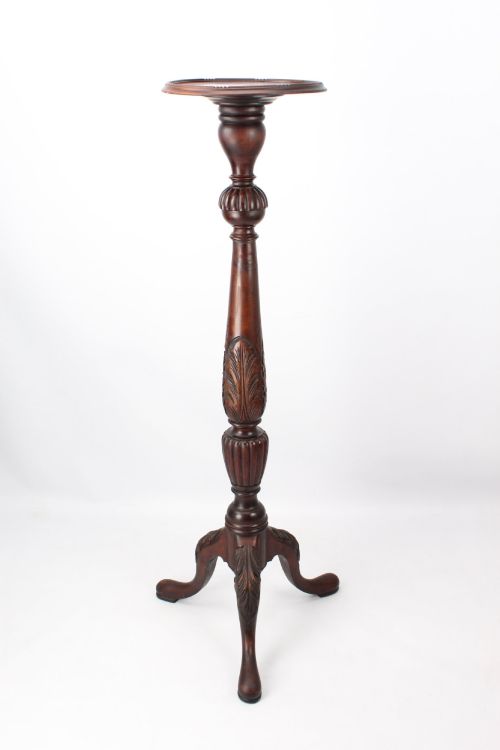
The predominant forms take the shape of plant stands, torcheres, side tables, and peat buckets paired with matching bases. Mahogany and oak dominate the configurations, frequently appearing with inlaid satinwood details, brass fittings, and barley twist legs that elevate the botanical display above floor level.
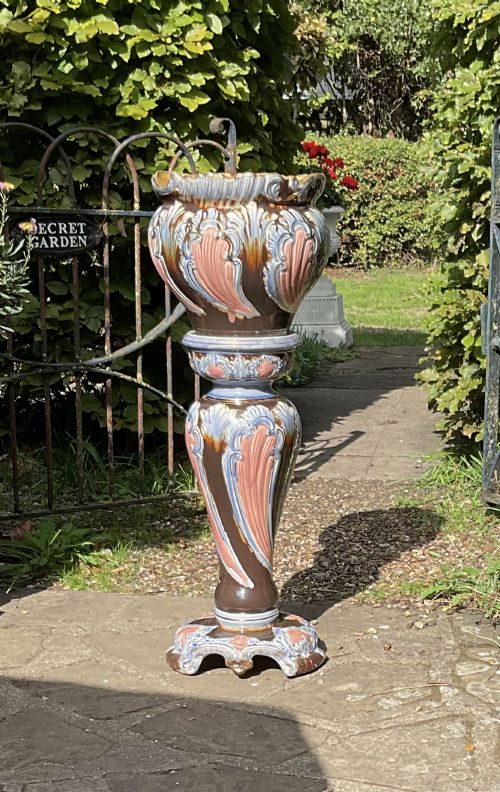
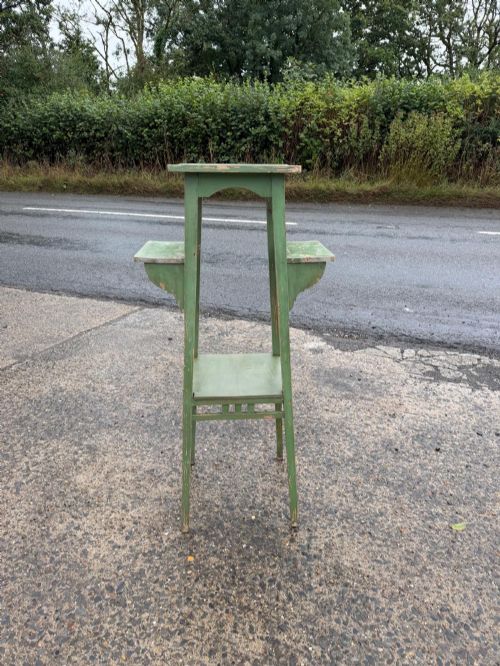
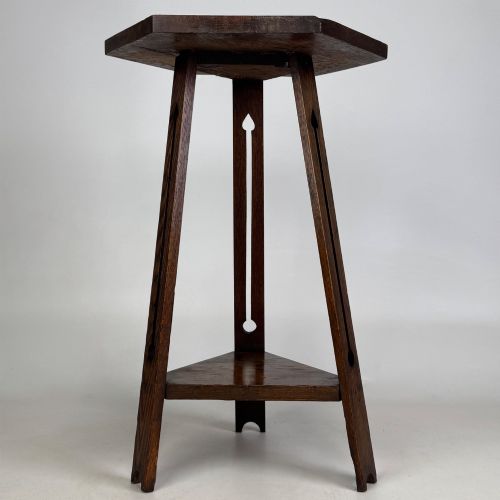
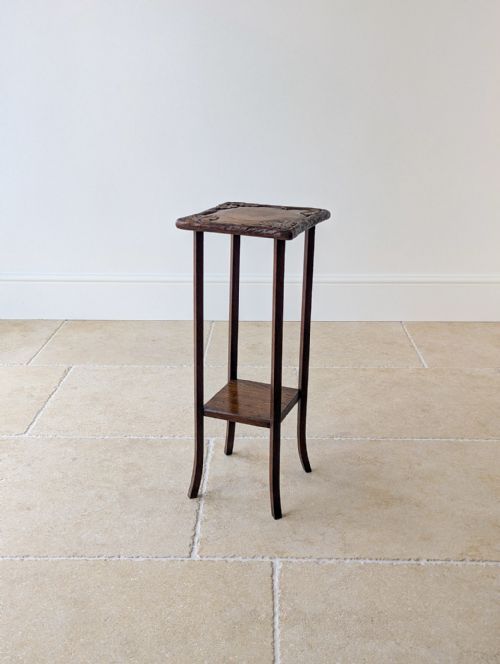
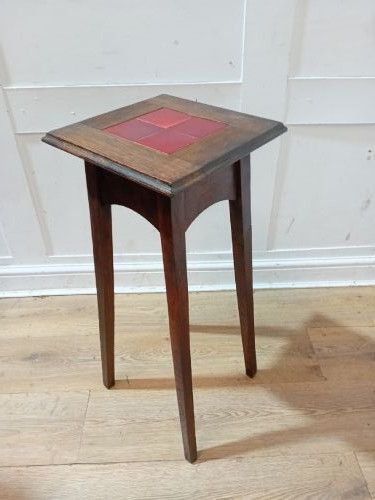
Makers and regional workshops produced diverse variations, from British arts and crafts oak designs to Japanese and Chinese carved supports alongside Minton secessionist ceramics. Buyers find everything from simple single-tier columns to two-tier stands intended to hold both a potted plant and trailing foliage.
Materials and Construction
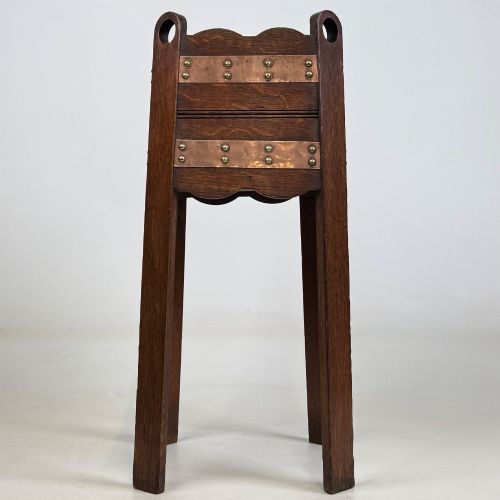
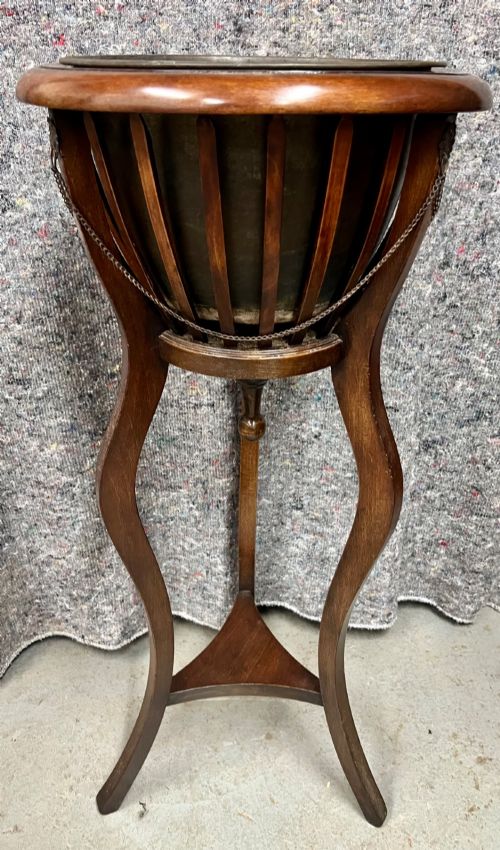
Cabinetmakers utilised dense hardwoods like mahogany, walnut, and oak to provide stable weight distribution for heavy ceramic planters and soil. Turning lathes shaped columns with barley twist profiles, while specialist joinery created coopered oak staves bound with brass bands for water-resistant plant holders.
Surface ornamentation relied on contrasting satinwood inlay, hand-carved botanical motifs, and original paint finishes to catch the light in a hallway or parlour. Metal components, including brass liners and decorative mounts, added functional durability against damp soil and frequent watering.
Some tall stands doubled as tea stoves or knitting baskets, proving that Edwardian ferns sometimes shared space with spare yarn.
Craftsmanship and Proportion
The distinction between ordinary and superior pieces rests on the weight of the timber and the precision of the turning and joinery. Finer examples display crisp hand-carved detailing, balanced proportions, and careful timber selection, such as figured mahogany or quarter-sawn oak.
The integration of materials also defines the tier of craftsmanship, where integrated brass banding, complex satinwood stringing, and combined ceramic elements demonstrate higher workshop ambition than plain utility stands.
Liberty of London·Minton
The Edwardian Jardiniere Pedestal Glossary
- Jardiniere
- An ornamental pot or stand for holding plants or flowers. It typically sits atop a matching pedestal to display indoor flora.
- Torchere
- A tall stand or candlestick holder adapted to function as a plant pedestal. These slender supports raise smaller floral arrangements.
- Coopered
- Constructed from curved wooden staves joined edge-to-edge and bound with metal hoops. This technique originates from barrel-making and prevents water leakage in planters.
- Barley twist
- A spiral turning technique resembling a twisted rope. Cabinetmakers utilised this lathe-turned decorative detail on furniture legs.
- Satinwood
- A durable, lustrous yellowish hardwood imported from the tropics. Craftsmen used it as a contrasting veneer for geometric inlays.
Edwardian Jardiniere Pedestal: Frequently Asked Questions
What is an edwardian jardiniere pedestal used for?
These tall stands support heavy ceramic planters, ferns, and floral displays inside domestic rooms. They raise greenery to eye level to improve interior light and visibility.
Historically, they populated conservatories, hallways, and drawing rooms where indoor botany formed a central part of domestic decoration.
How do I tell an edwardian piece from earlier styles?
Edwardian examples often feature lighter mahogany framing, satinwood inlay, and refined Arts and Crafts or Art Nouveau influences. Earlier nineteenth-century pieces tend to use heavier timber construction and darker finishes.
Looking at the turning style, timber selection, and decorative motifs helps determine whether a stand belongs to the Edwardian era or the Victorian period.
Can these stands hold heavy ceramic pots today?
Most solid hardwood pedestals possess sufficient structural stability to support standard indoor plant pots. Coopered oak and heavy mahogany versions were specifically built to bear the combined weight of damp soil and pottery.
Checking the base construction and leg joints ensures the stand remains level before placing heavy items on top.
What materials are typical for these stands?
Solid mahogany, oak, and walnut form the primary structural materials for the majority of these pieces. Brass is frequently used for decorative mounts, liners, and coopered barrel hoops.
Additional materials include satinwood for stringing and inlay work, alongside ceramic sections found on specific artistic pottery stands.