

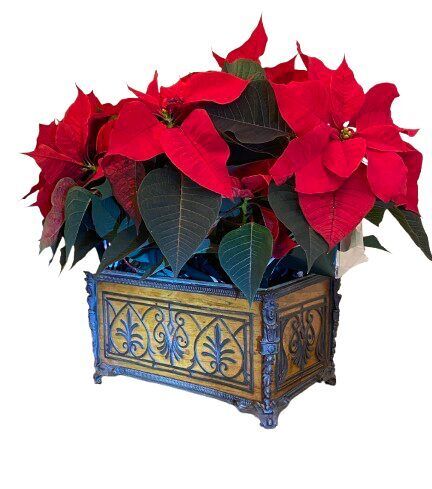


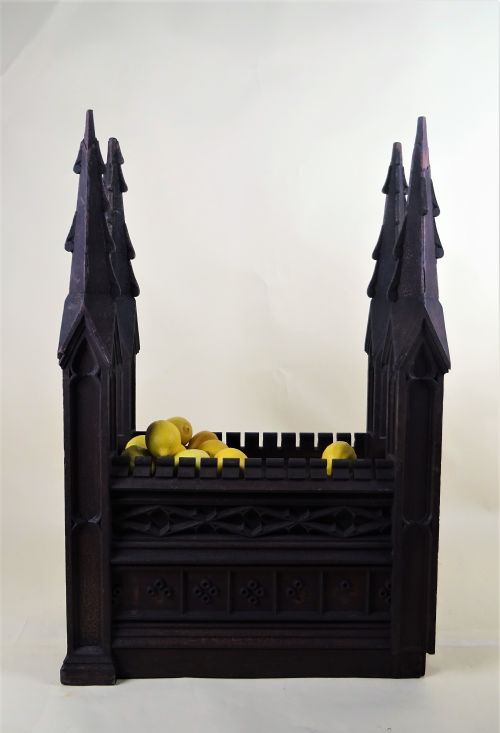


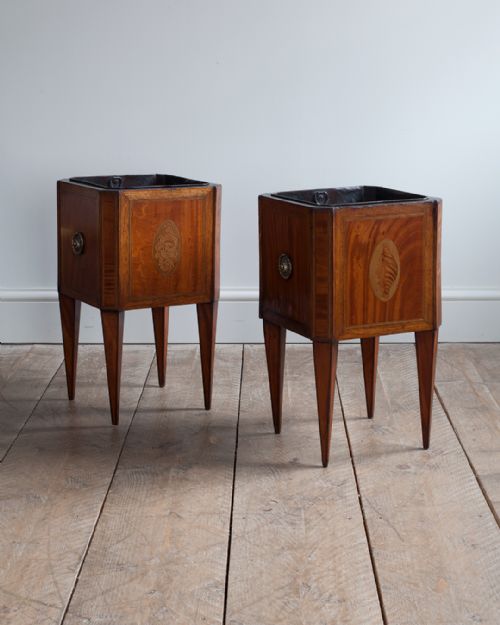
Wooden Planter Box
These wooden planter box examples bring natural texture and character to an interior, offering a practical home for greenery while displaying fine period craftsmanship.

Wooden Planter Box
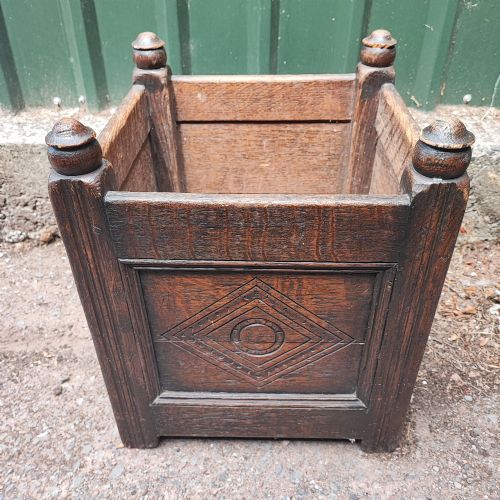
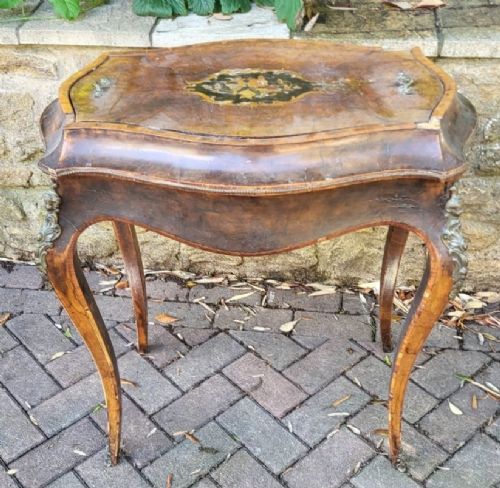
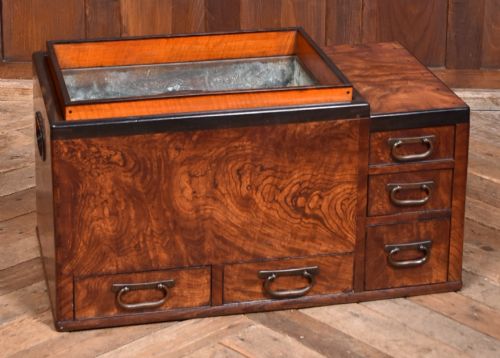
When you search for a wooden planter box, you encounter a varied selection of jardinières, log boxes, cellarettes, and dough bins spanning multiple centuries. These vessels range from rustic country containers to formal mahogany and satinwood pieces designed for gracious interiors.
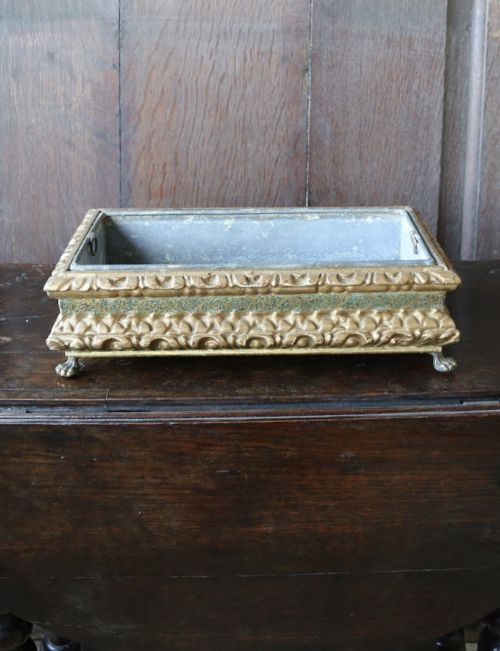
The pieces listed on this page originate from diverse traditions, including English, French, Italian, Scandinavian, and Japanese workshops. Forms shift from simple pine bins to ornate gilt wood boxes and bronze-mounted containers.
Victorian and Edwardian variations dominate the selection, frequently employing mahogany, walnut, or oak. Alongside traditional plant holders, the inventory includes specialised forms such as wine coolers and decorative boxes.
Materials and construction methods
Construction relies heavily on durable timbers like mahogany, oak, walnut, and pine, often enhanced with brass handles, metal liners, or zinc inserts. Cabinetmakers utilised techniques such as intricate inlay, carving, and bronze mounting to elevate the visual appeal.
Interior linings of metal or zinc protected the wooden structures from moisture and soil. Exterior surfaces display traditional finishes, ranging from the smooth sheen of polished satinwood to the rustic texture of carved gilt wood and country pine.
The materials in this selection span mahogany, oak, satinwood, pine, brass, metal, zinc, and carved gilt wood.
What separates the finest examples
Quality rests in the precision of the joinery, the selection of figured veneers like burr walnut or satinwood, and the integration of decorative metal mounts. Superior pieces display thoughtful proportions and harmonious wood grain across every visible surface.
The condition of original metal liners, handles, and internal components indicates how well a piece retained its utility over time. Master craftsmanship shows in crisp carving details and stable, well-seasoned timber that resists warping.
The Wooden Planter Box Glossary
- Jardiniere
- A decorative pot or stand designed to hold plants or flowers. These vessels often feature protective metal or zinc linings.
- Cellarette
- A lockable container originally used to store bottles of wine or spirits. Many examples double as robust wooden containers.
- Dough bin
- A deep wooden trough historically used for kneading bread dough. These rustic pieces now serve alternative storage functions.
- Satinwood
- A lustrous, yellow-toned timber prized for fine cabinetmaking. It frequently appears in polished Edwardian and Georgian pieces.
- Inlay
- A decorative technique where contrasting materials are inserted into wood surfaces. Burr walnut and mahogany often showcase this detail.
Wooden Planter Box: Frequently Asked Questions
How do I care for a wooden planter?
Protect the interior timber by placing potted plants inside secondary plastic liners rather than planting directly into the wood. Wipe away moisture promptly to prevent water marks on the polished surface.
Apply a suitable wax polish periodically to nourish the wood and maintain its natural lustre. Keep the container away from direct heat sources and strong sunlight.
What is the difference between a jardiniere and a wine cooler?
A jardiniere is specifically designed to display live plants and typically includes a waterproof metal or zinc insert. A wine cooler, such as a cellarette, was constructed to hold bottles and ice.
While their forms can appear similar, wine coolers often feature deeper wells and occasionally compartmented interiors. Both types utilise fine timbers like mahogany and oak.
How do I identify the period of a wooden planter?
Examine the wood species, construction methods, and decorative styles visible on the piece. Georgian and Regency pieces often display clean classical lines in mahogany, while Victorian and Edwardian examples lean towards richer inlay and revival styles.
Look at the fixings, screws, and metal liners for manufacturing clues. Stylistic markers such as bronze mounts or carved gilt wood point toward specific European design movements.