

Antique Jardiniere Planter
An antique jardiniere planter brings living greenery or cut flowers into rooms with traditional form and decorative weight.
Antique Jardiniere Planter
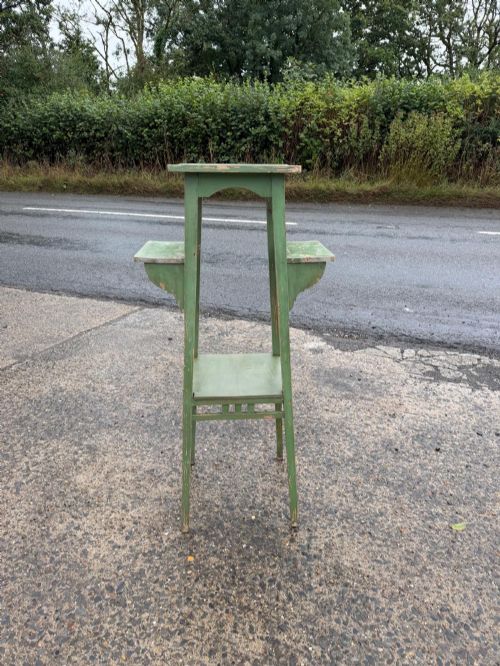
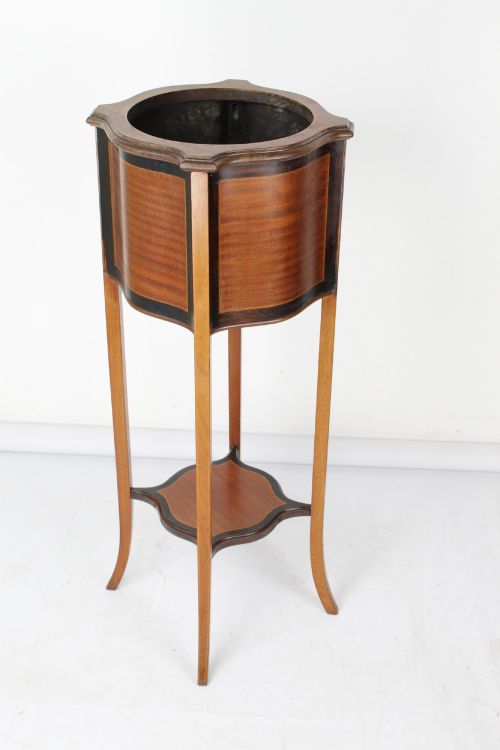
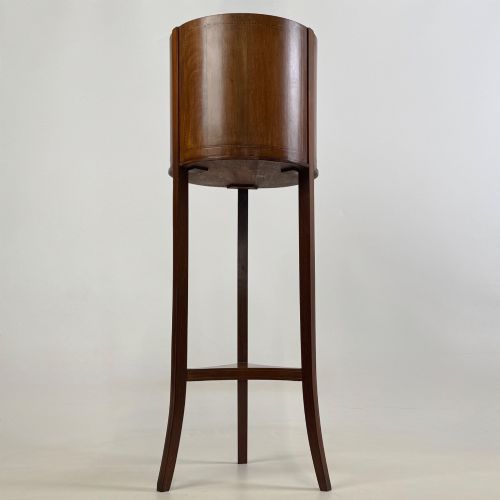
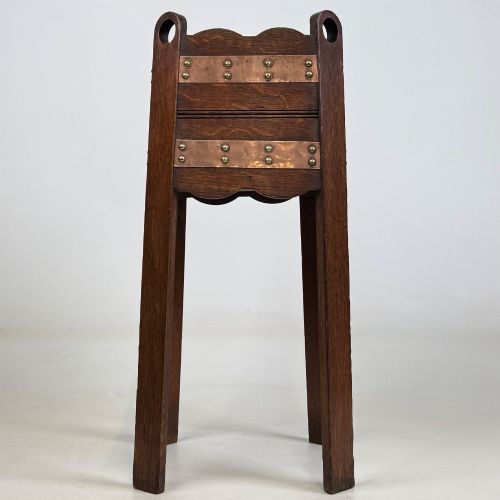
An antique jardiniere planter serves as an ornamental vessel designed to house potted plants or function as a wine cooler, drawing from forms established across the eighteenth and nineteenth centuries. The pieces collected under this phrase encompass both floor-standing plant stands and tabletop cachepots.
Victorian and Edwardian iterations dominate the selection, frequently constructed from brass, mahogany, or ceramic. Makers of these periods often combined utilitarian metal linings with decorative timber stands or porcelain bodies.
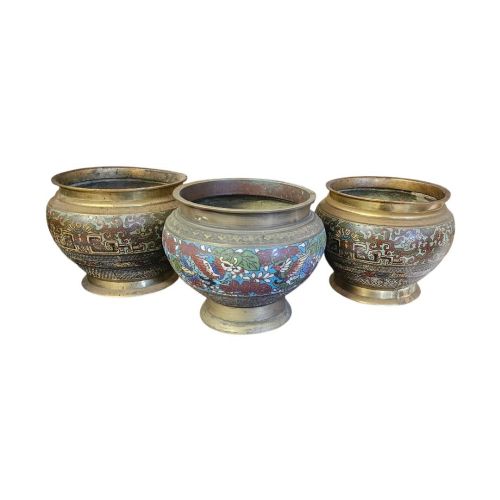
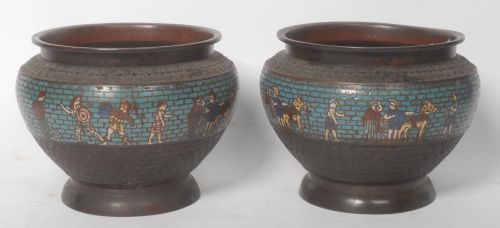
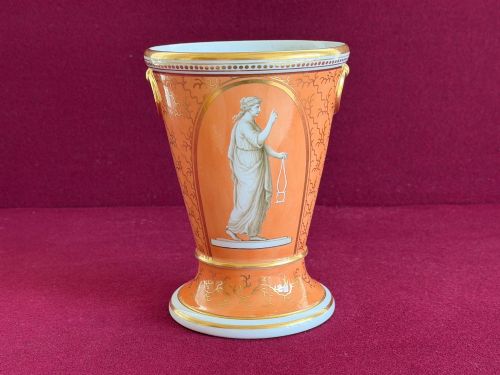
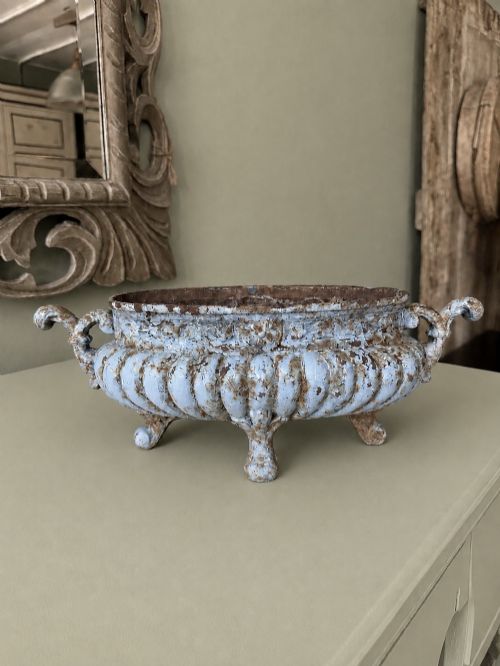
Examples stretch from Georgian porcelain vessels to Japanese Meiji bronzes and French Napoleon III ebonised stands with inlaid plaques. Buyers encounter everything from heavy cast iron garden vessels to delicate Worcester porcelain bowls.
Materials and construction methods
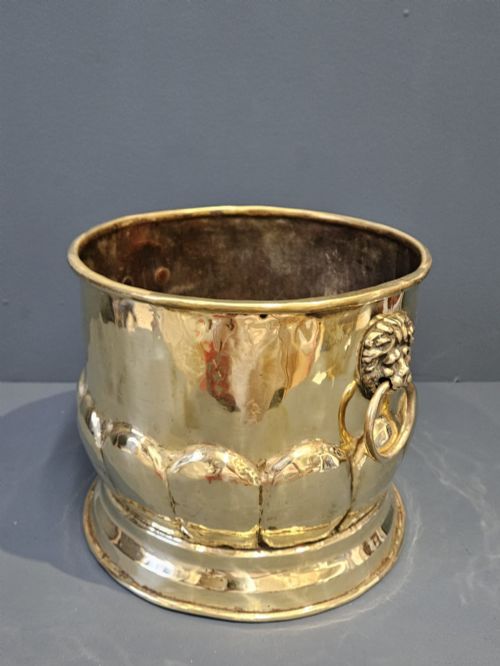
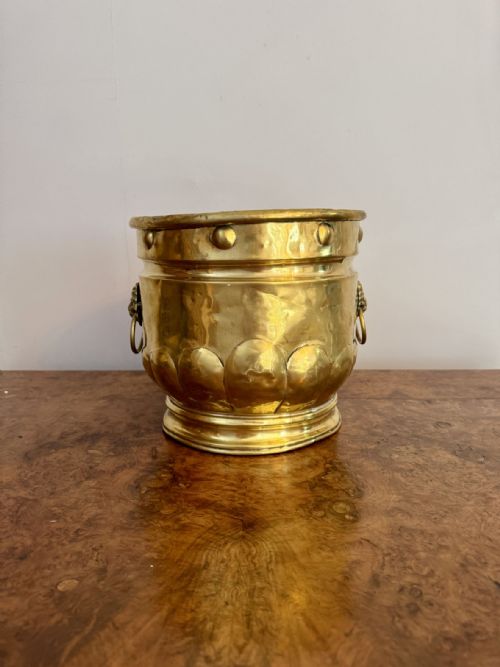
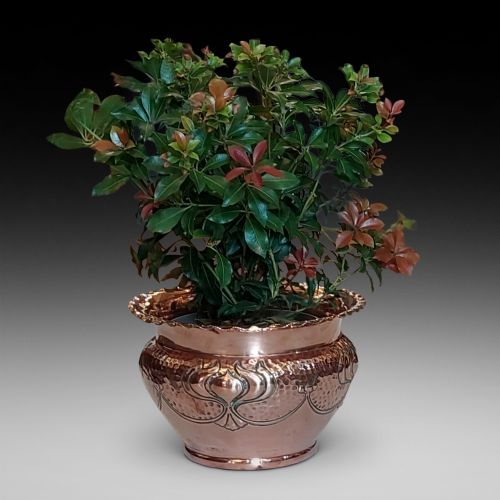
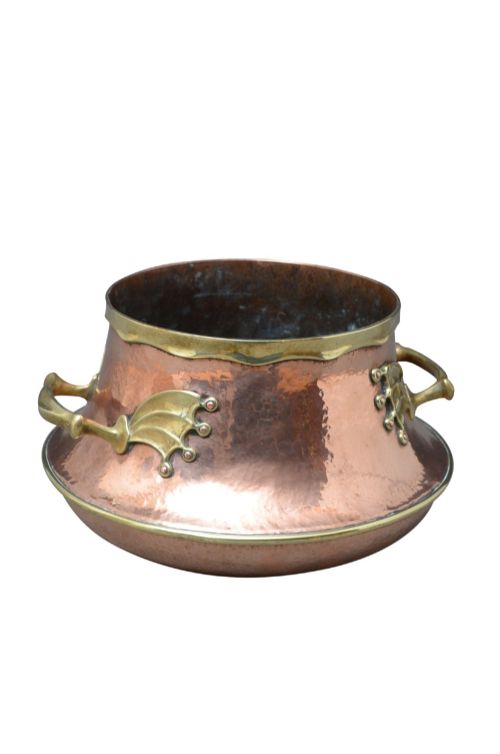
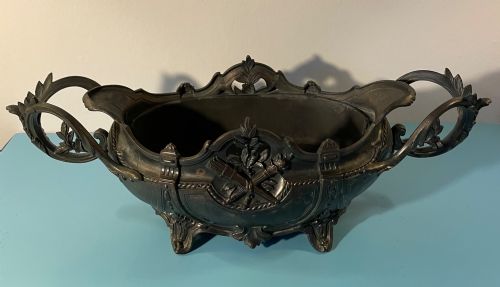
Metals such as brass, copper, and cast iron form the core of many utilitarian vessels, shaped through casting, piercing, and hand-etching. Workshops utilised sheet brass and heavy iron to create durable bodies capable of holding damp soil and water.
Timbers including mahogany, oak, walnut, and bird's eye maple provide structure for plant stands and jardiniere tables. Cabinetmakers employed marquetry inlay, ormolu mounts, and turned barley twist columns to elevate simple furniture forms.
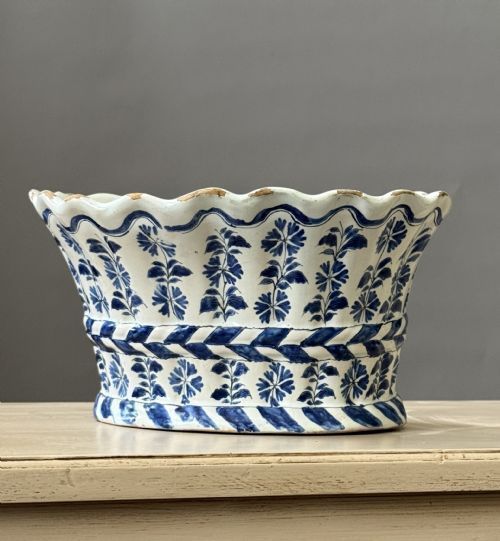
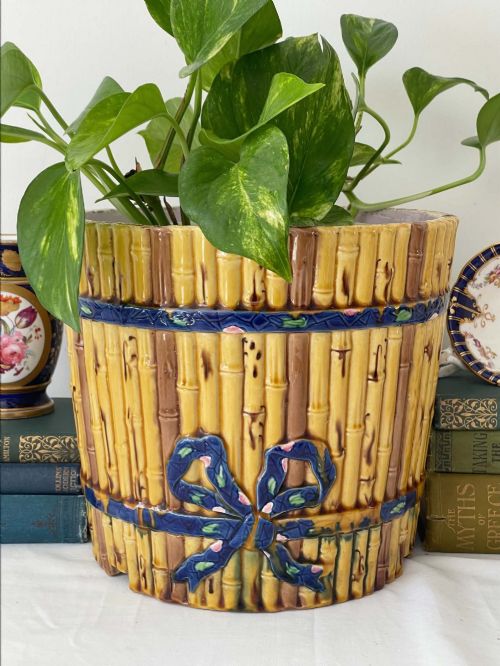
Ceramics range from Delft bough pots and Majolica earthenware to Sevres and Flight & Barr Worcester porcelain. Potters glazed and fired these clay bodies, sometimes pairing them with gilt-metal mounts and hand-painted floral plaques.
Materials span brass, mahogany, porcelain, enamel, copper, gold leaf, and cast iron across centuries of production.
Distinctions in craftsmanship and origin
The degree of hand-finishing marks the difference between standard production pieces and exceptional workshop examples. Finely chased brass, crisp porcelain painting, and precise cabinetmaking elevate individual vessels above simpler utilitarian items.
Material integration dictates the character of the piece, particularly where metal liners meet timber stands or ceramic bowls sit within ormolu mounts. Cohesive design across structural supports and decorative surfaces indicates higher manufacturing standards.
Flight Barr Worcester·Doulton Lambeth·Henry Loveridge
The Antique Jardiniere Planter Glossary
- Jardiniere
- A large ornamental pot or stand designed to hold plants or flowers. These vessels sit on tables or floor-standing pedestals.
- Cachepot
- An ornamental pot used to conceal a plain flowerpot rather than planting directly inside. Ceramic and brass examples appear frequently in domestic interiors.
- Ormolu
- Gilded bronze mounts applied to furniture, porcelain, and clocks. French decorative pieces utilise this technique for ornamental handles and feet.
- Majolica
- A type of colourful glazed earthenware popular during the Victorian period. Botanical motifs frequently decorate these moulded ceramic vessels.
- Bough pot
- An early vessel designed specifically to hold cut branches and stems of foliage. Examples appear in eighteenth-century Delftware and porcelain.
Antique Jardiniere Planter: Frequently Asked Questions
How were antique jardinieres used?
Original owners placed these vessels in drawing rooms and conservatories to house potted ferns, palms, and flowering plants. Metal liners protected the surrounding timber or furniture from damp soil and water.
Several forms double as wine coolers or cellarettes, accommodating bottles alongside ice during formal dining occasions. Tabletop cachepots served to hide plain terracotta garden pots from view.
How do I style a planter in a modern room?
Pairing a heavy brass or copper vessel with trailing indoor foliage creates a direct textural contrast against contemporary walls. Floor-standing mahogany and oak plant stands anchor awkward corners or empty fireplace hearths.
Ceramic and porcelain bowls suit tabletops and sideboards when filled with seasonal greenery or dried botanicals. The aged patina of cast iron and beaten metal brings warmth to minimalist spaces.
How do I date an antique jardiniere?
Dating relies upon material composition, decorative styles, and construction techniques characteristic of specific periods. Georgian pieces often feature hand-painted Worcester porcelain or Delft earthenware.
Victorian and Edwardian examples lean heavily on cast brass, turned mahogany, and Majolica ceramics. Maker's marks, date stamps, and registration numbers provide specific production years where present.