




Vintage Brass Liner Planter
These vintage brass liner planter pieces range from coopered oak buckets to mahogany stands, offering durable vessels for indoor greenery.
Vintage Brass Liner Planter
When buyers search for vintage brass liner planter forms, they examine vessels designed to hold plants and cool wine across various historical periods. The selection on this page includes jardinieres, wine coolers, cellarettes, peat buckets, log bins, and jardiniere stands.
The pieces span centuries of craftsmanship, featuring items from the Georgian and Victorian eras alongside 1900s and 1930s examples. Buyers frequently encounter objects styled in the Georgian, Victorian, Edwardian, Regency, and 19th Century Dutch traditions.
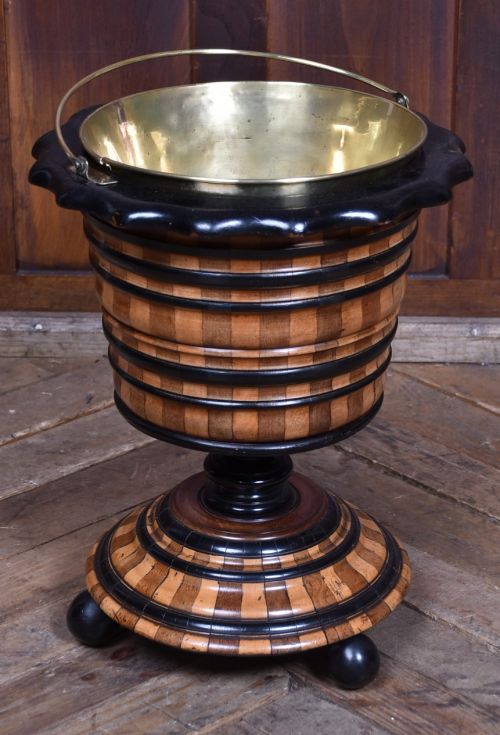
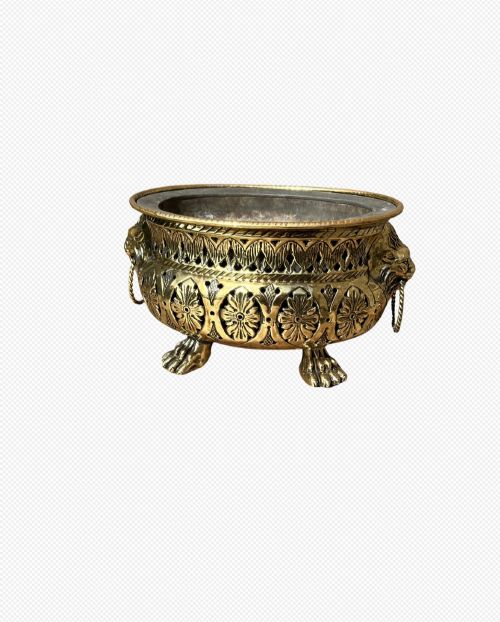
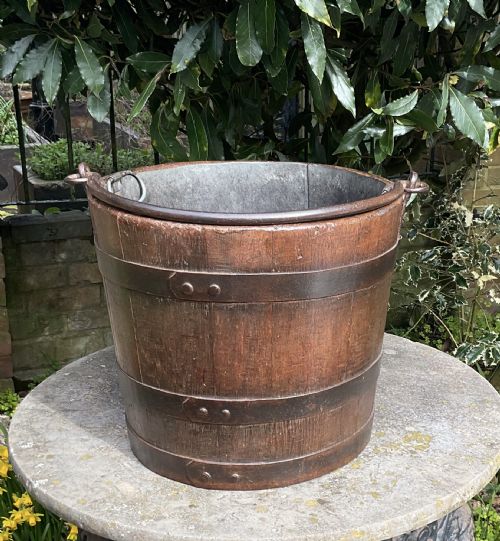
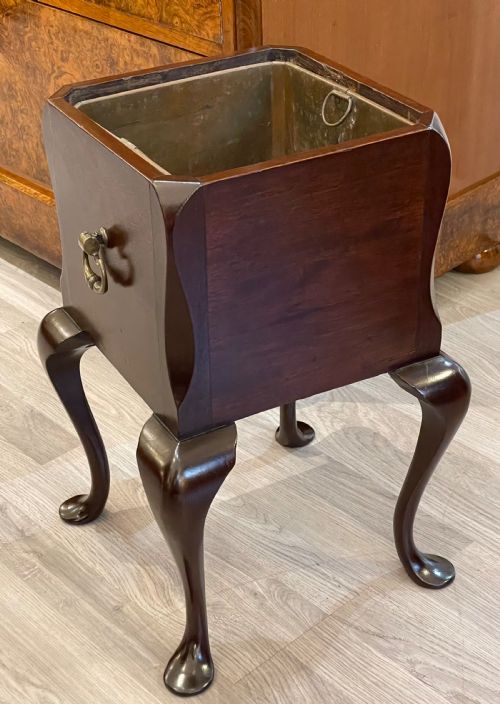
Forms vary from coopered oak buckets and walnut planters to pierced brass jardinieres and metal log bins. Many incorporate stands made from mahogany, box tree, or ebonised wood to elevate the container.
How they were made
Maker construction relies heavily on durable hardwoods such as oak, mahogany, walnut, and mixed hardwoods, paired with structural metals. Artisans utilised coopered staves for buckets and turned timber for stands.
Metalwork forms an essential component, utilising brass for linings, pierced bodies, and exterior bands, alongside iron and zinc elements. Wood surfaces often receive polished or ebonised finishes to highlight the grain.
Some nineteenth-century Dutch tea warmers found a second life holding ferns instead of charcoal.
What varies in quality
The sophistication of the timber work and the precision of the cooperage separate standard examples from finer works. Finely figured mahogany and meticulously fitted oak staves indicate superior craftsmanship.
The artistry of the metal components also dictates standard, with pierced brass patterns and secure internal liners demonstrating greater workshop skill.
The Vintage Brass Liner Planter Glossary
- Jardiniere
- An ornamental pot or stand for holding plants or flowers. These vessels often feature metal liners to protect the surrounding woodwork from moisture.
- Coopered
- Constructed from wooden staves bound together by metal hoops, similar to traditional barrel-making techniques. This method provides robust structural integrity for holding heavy earth or liquids.
- Cellarette
- A lockable container used for storing wine bottles near the dining table. Many examples double as coolers or plant containers.
- Teestoof
- A traditional Dutch warming vessel, often featuring a metal liner. These items reflect domestic heating customs of the nineteenth century.
Vintage Brass Liner Planter: Frequently Asked Questions
What is a jardiniere?
A jardiniere is an ornamental container designed to hold potted plants and flowers indoors. They frequently incorporate waterproof metal liners.
Historically, these vessels sat on tables, floors, or dedicated stands to display greenery in reception rooms.
How do I use a wine cooler?
Wine coolers serve as decorative storage vessels for bottles, often lined with metal to hold ice or water safely.
In modern interiors, buyers frequently repurpose these deep wooden and brass buckets to hold large houseplants or logs.
What is coopered construction?
Coopered construction involves shaping curved wooden staves and binding them tightly with metal bands, much like a barrel.
This traditional technique ensures the wooden vessel remains stable and durable when filled with heavy materials like soil.
How do I distinguish periods?
Distinguishing periods relies on observing the prevailing furniture styles, turning shapes, and timber choices used in the stands. Georgian and Regency pieces display classical proportions and mahogany, while Victorian items often utilise walnut.
Details such as pierced brass patterns and edgings further help assign items to Edwardian or nineteenth-century workshops.