


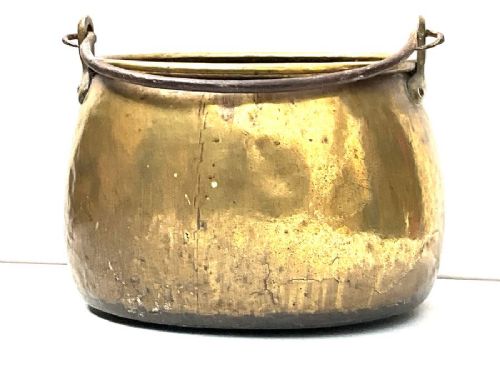


Georgian Fireplace Bucket
A georgian fireplace bucket is a sturdy hearth container for fuel and ash, prized for practical warmth and period metalwork.
Georgian Fireplace Bucket
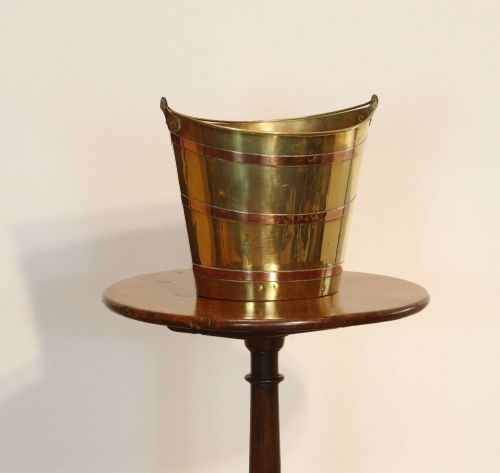
When you search for a georgian fireplace bucket, you look at robust vessels designed to hold coal, logs, peat, or water beside the hearth. The forms range from heavy metal pans and helmet-shaped scuttles to timber buckets bound with brass.
The version you most frequently meet on this page is the copper coal scuttle or the coopered mahogany and brass peat bucket. These pieces span the eighteenth century, the Georgian period, and into the nineteenth century.
Makers shaped these utilitarian containers for daily service in domestic interiors, employing durable timber and metal alloys. They sit easily in period and modern rooms alike as functional storage or plant holders.
Materials and methods of construction
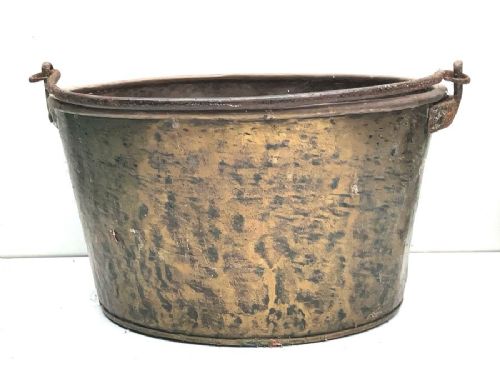
Copper and brass dominate the metal vessels, often beaten, riveted, or formed into helmet shapes with swing handles. Iron appears in structural elements, pans, and early fire buckets.
Timber examples utilise mahogany, walnut, and other woods joined through traditional cooperage techniques with tight stave construction. Brass bands, studs, and swing handles reinforce these wooden bodies.
Georgian Fireplace Bucket Retail Price Guide 2026
Typical asking prices for georgian fireplace bucket among the pieces listed under this phrase on Sellingantiques today, from the lower quarter to the upper quarter. They describe what is for sale here now, not the wider market.
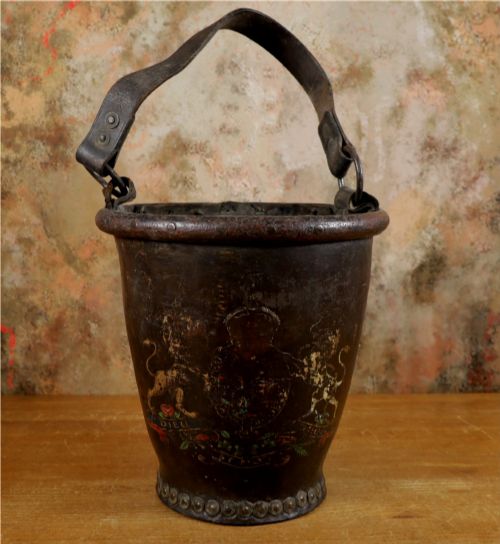
One surviving leather fire bucket bears a hand-painted coat of arms complete with a lion and a unicorn.
Distinctions in quality
The standard of manufacture rests on the weight of the metal and the tightness of the timber coopering. Heavy-gauge copper and solid brass mountings indicate superior original construction.
Original surface patination and untouched condition elevate certain examples. Pieces retaining original shovels, hand-painted details, or heraldic studs show greater craftsmanship.
The Georgian Fireplace Bucket Glossary
- Coopered
- Constructed from curved wooden staves bound together with metal hoops. This method was essential for making watertight vessels and robust peat buckets.
- Helmet scuttle
- A coal container shaped like a classical helmet with a pointed lip and a raised rear handle. This design allowed easier pouring of fuel into the hearth grate.
- Peat bucket
- A deep wooden container traditionally used for storing turf or peat blocks near the fire. Many surviving examples feature brass swing handles and stave construction.
- Teestoof
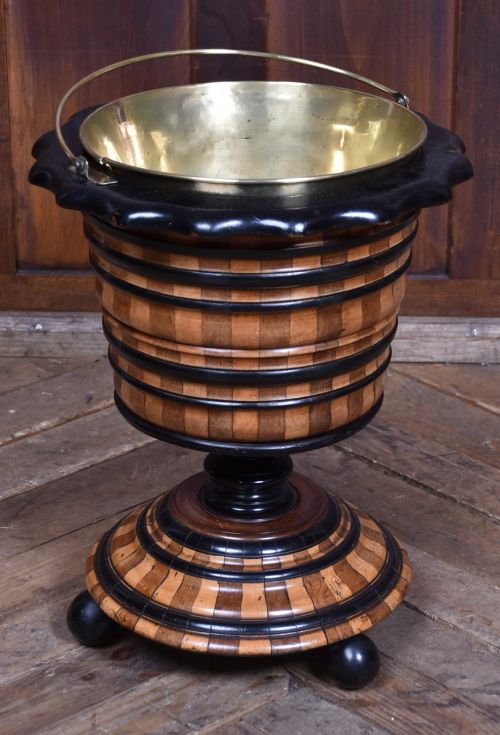
- A Dutch warming vessel used to keep tea or water hot over embers. These pieces often incorporate a metal liner within a decorative body.
Georgian Fireplace Bucket: Frequently Asked Questions
What were fireplace buckets used for?
These vessels held solid fuels such as coal, logs, or peat briquettes directly beside the hearth for easy feeding of the fire. Leather versions served as fire buckets filled with water for extinguishing sparks.
Over time, many of these sturdy containers transitioned into decorative domestic objects utilised as log bins, planters, or magazine holders in period rooms.
How do I date a mahogany bucket?
Dating relies on timber selection, joinery methods, and the style of the brass mounts. Eighteenth-century examples often display rich mahogany grain and heavy brass bands.
Later nineteenth-century pieces may show machine-cut elements or different construction tolerances while mimicking earlier George III styles.
Are copper scuttles safe to use?
Most antique copper and brass scuttles remain structurally sound for holding logs or kindling in a modern hearth. Their heavy-gauge metal construction was designed for daily rough work.
Owners should inspect the interior liners and base seams if intending to use them for damp materials or direct storage of unbagged coal.